Kyoto Gardens: The Japanese Rooftop Oasis Few Know About
High above the chaos of downtown Los Angeles lies a hidden oasis that feels worlds away from the streets below. This is Kyoto Gardens — a rooftop sanctuary inspired by traditional Japanese garden culture.
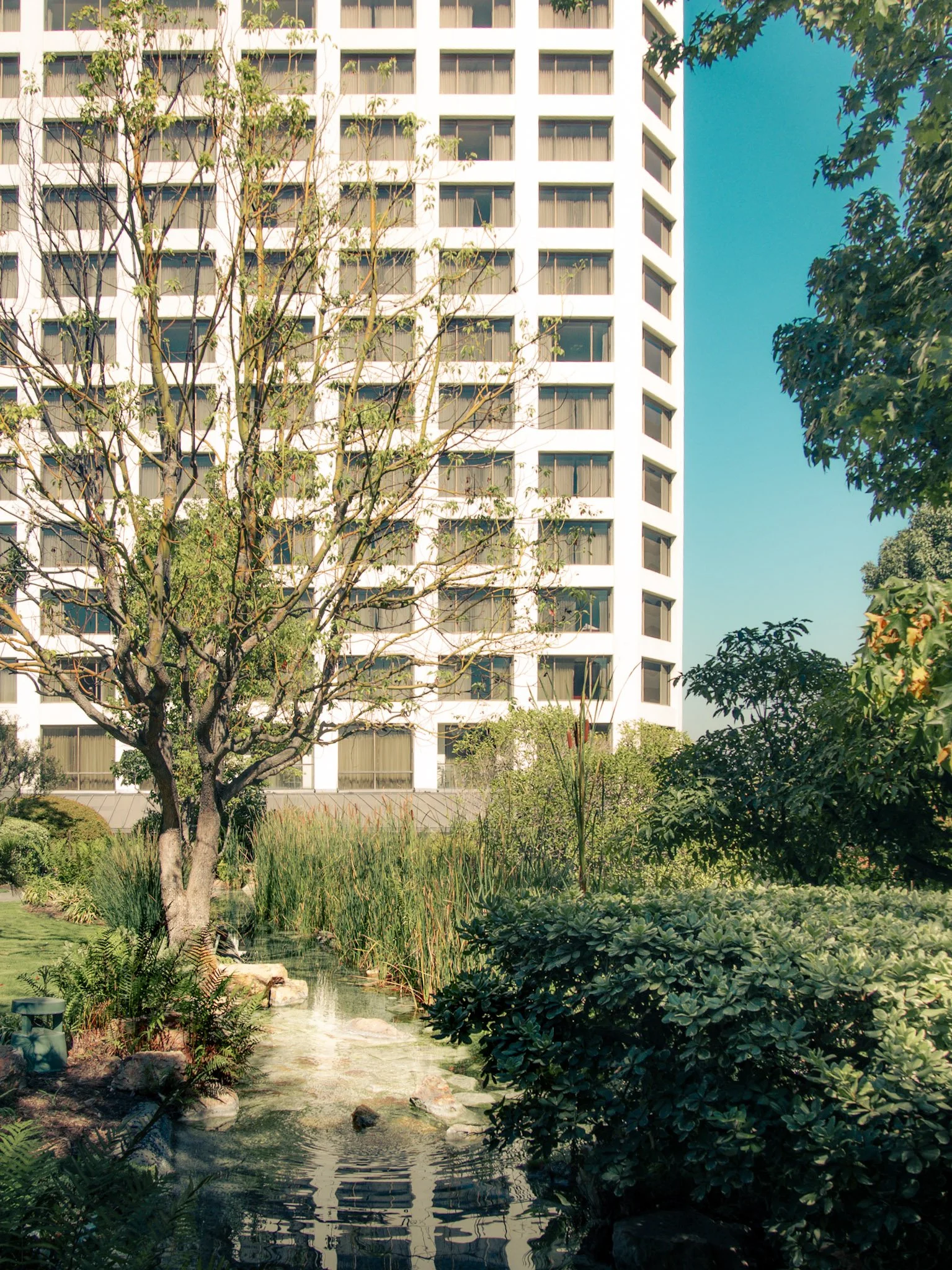
High above the chaos of downtown Los Angeles lies a hidden oasis that feels worlds away from the streets below. This is Kyoto Gardens — a rooftop sanctuary inspired by traditional Japanese garden culture. Perched atop the DoubleTree Hotel, the garden blends Zen minimalism with the urban skyline, creating an almost shocking harmony of nature and city life. It’s the kind of balance you’d expect to find in Tokyo — not LA.
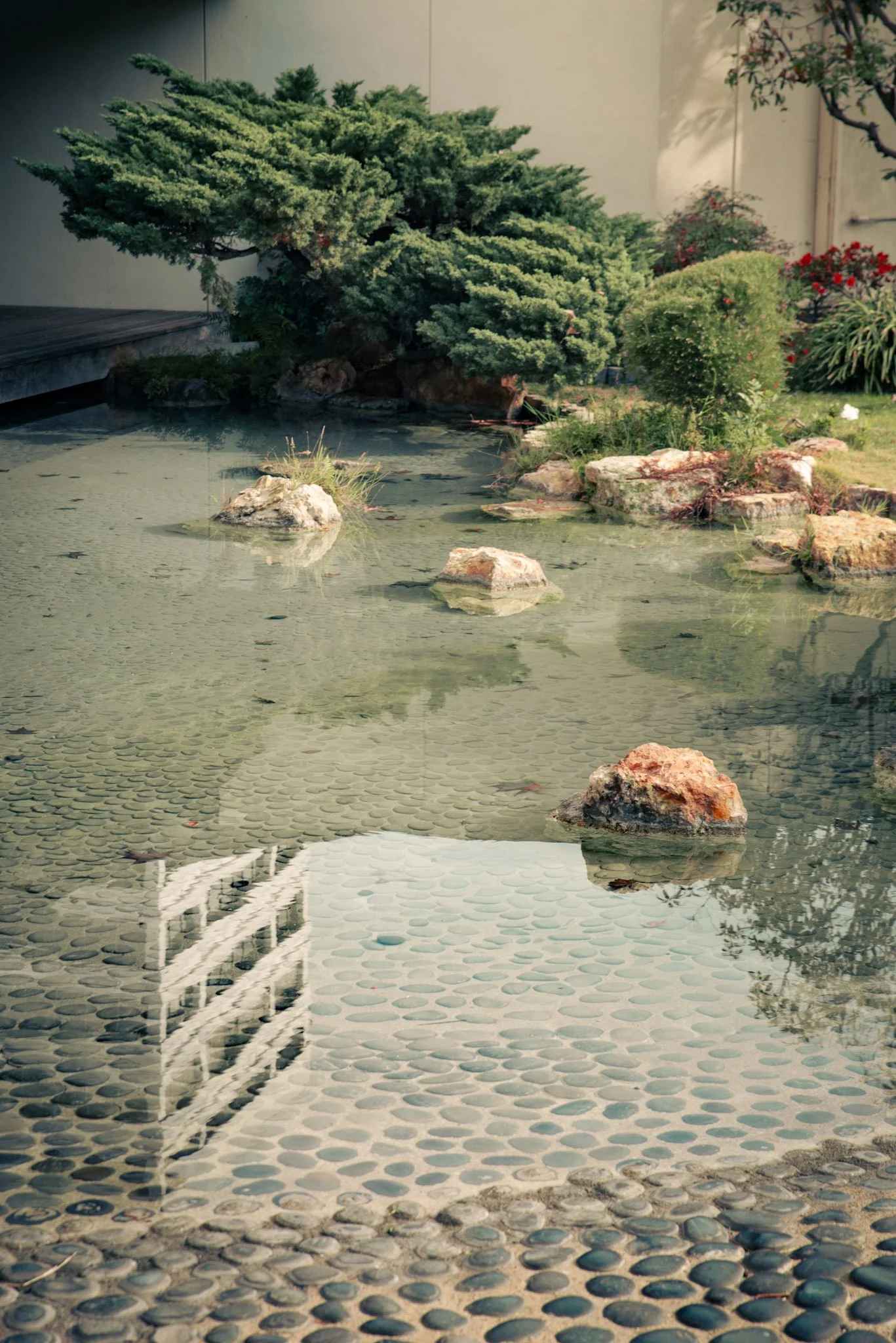
Built in 1977 by Tokyo-based Kojima Corporation, the garden was originally part of the New Otani Hotel (later the Kyoto Grand, and now the DoubleTree by Hilton). It occupies about half an acre of rooftop space above the hotel’s main entrance, filled with classic elements of a Japanese garden — ponds, stone lanterns, waterfalls, and winding paths surrounded by meticulous landscaping. Despite its small size, Kyoto Gardens uses its features to great effect, producing a variety of spaces to explore.
A Photographer’s Hidden Gem
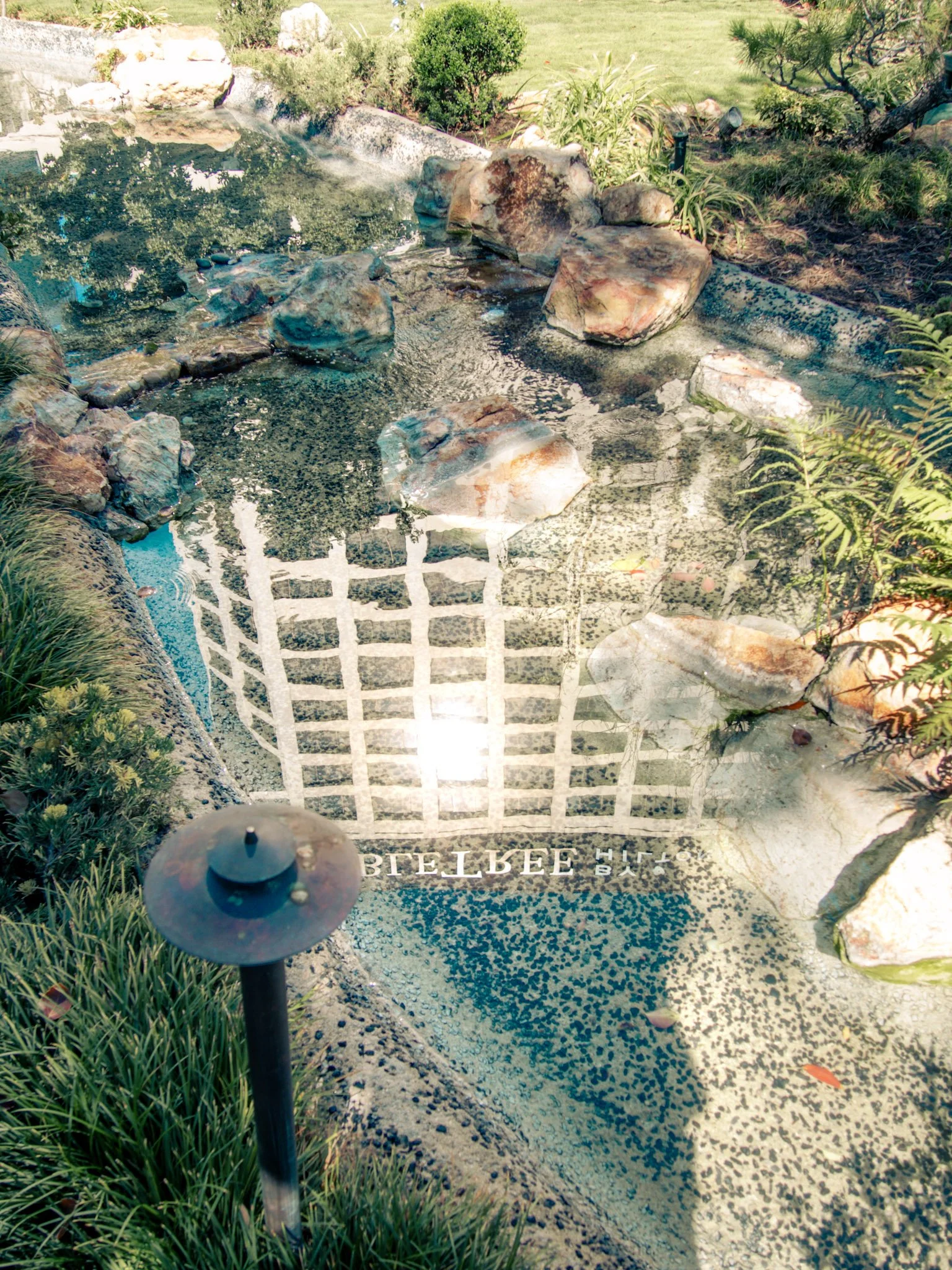
Even though the garden is compact, it’s one of my favorite places to photograph in Los Angeles. It’s surprisingly quiet and often empty, making it easy to take your time and explore. Every few steps offer something new: shifting light, reflections in the water, and shadows across the stonework, buildings, and other structures. Because the space is so dense, you can find multiple compositions without moving more than a few feet.
And then there’s the view. Being above ground gives you clean sightlines to the nearby buildings, creating an urban backdrop that contrasts perfectly against the garden’s natural textures. It’s that same wonderful duality you feel walking through Tokyo — calm but vibrant nature, among sterile man-made surroundings.



How to Visit and Shoot
As mentioned earlier, the garden sits atop the main entrance to the DoubleTree Hotel in Little Tokyo, on the corner of 2nd Street and Los Angeles Street. There’s a small parking garage under Weller Court, next to the hotel, but honestly, any of the parking areas and garages in the area will do. The hotel is also about two blocks from the Little Tokyo / Arts District Metro Station.
Access is simple enough. You can get to Kyoto Gardens through the DoubleTree Hotel lobby via the elevator in the back. Technically, the garden is only meant for hotel guests, but I’ve never had an issue just walking in and heading up. Just be respectful and low-key — it’s a peaceful space, and I think the hotel staff know that people go and are generously leaving it accessible. Additionally, it occasionally gets rented out for events, so I wouldn’t plan a trip just to visit the garden, as there’s always a chance that it will be off limits.
As for when to photograph, you can probably shoot here at any time of day, and in any lighting conditions. Sure, golden hour is probably a safe bet, as the warm tones will compliment the greens and the water reflections and the setting sun produces softer light. However, I’ve only shot there at midday, and the garden still photographed well — there’s plenty of shaded areas and the abundant stone and water often fills dark shadows with lots of reflected light.
A Living Connection to Little Tokyo & Big Tokyo
The garden’s history feels almost symbolic of Little Tokyo itself. The hotel has changed names and ownership several times, yet the garden has endured — a quiet constant that continues to welcome visitors. In that way, it mirrors the community that surrounds it: ever changing, yet enduring, anchored by cultural roots that define its identity.
Ironically, though it’s named after Kyoto, the garden feels much more like the gardens in Tokyo (as I alluded to as the start of this article)— compact, layered, and contrasted with modern architecture. Despite the fact that it resembles a sea of buildings, Tokyo is pockmarked with countless little green spaces that pull you out into a surreal and tranquil respite that feels like you’re somewhere else entirely. Kyoto Gardens captures that exact same feeling- it’s one of the few places in Downtown LA that manages to do that.
So next time you’re in Little Tokyo, make Kyoto Gardens part of your itinerary. Bring your camera, take your time, and enjoy this hidden piece of Japan tucked above the city. And if you do capture something special, tag me on Instagram — I’d love to see what you find up there.
Don’t Miss Little Tokyo’s Nisei Week Grand Parade
If you're a fan of Japanese culture or someone who loves documenting unique cultural experiences, then the Nisei Week Grand Parade is one of those events that should absolutely be on your radar.
If you're a fan of Japanese culture or someone who loves documenting unique cultural experiences, then the Nisei Week Grand Parade is one of those events that should absolutely be on your radar.
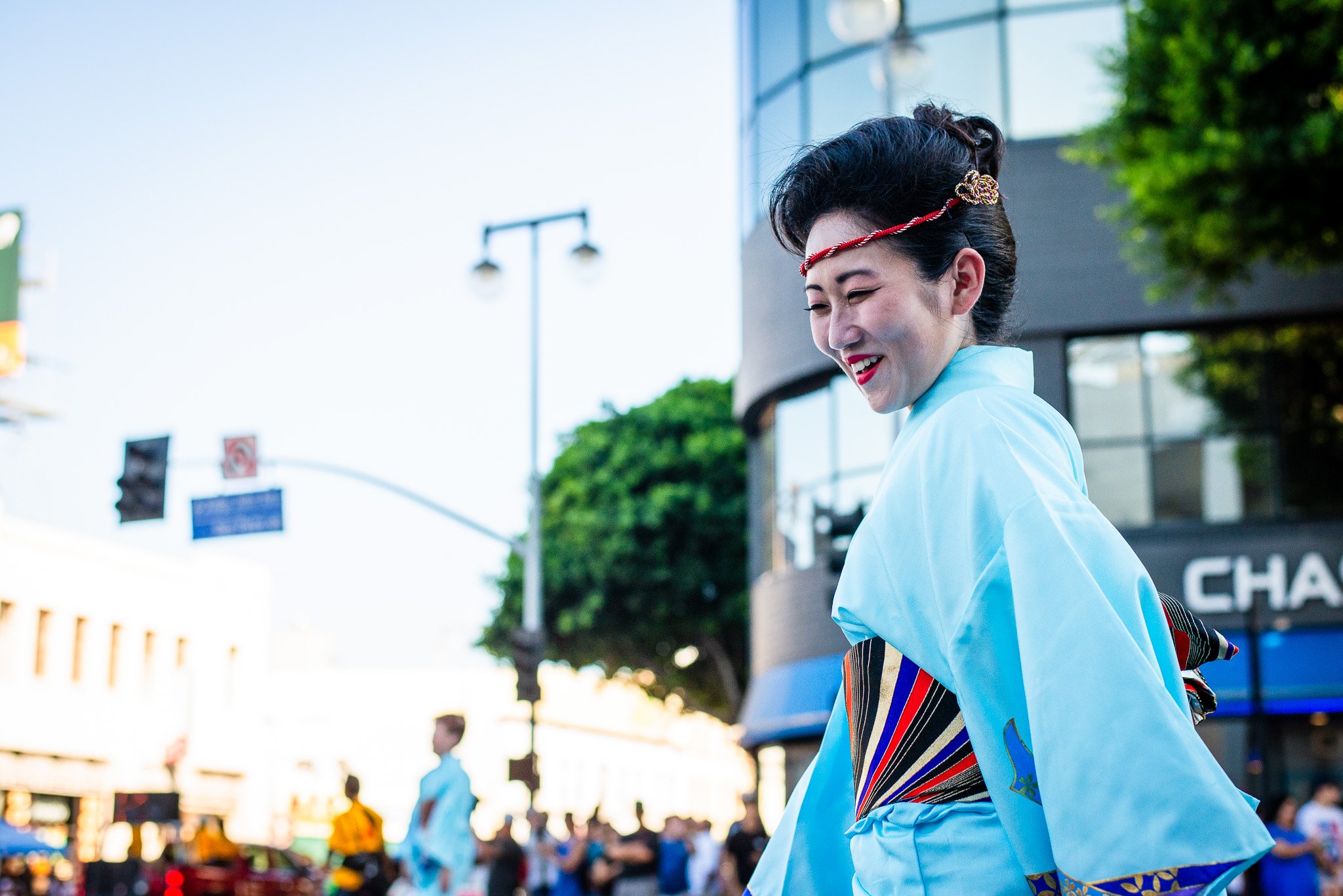
I’ve been attending Nisei Week for several years now. And while it’s changed quite a bit (like most things, if I’m being honest), it’s still one of my favorite events to cover. What keeps me coming back is the fact that there is no other way to experience such a wealth of Japanese culture, short of taking a trip to Japan. It’s colorful, it’s loud, it’s heartfelt—and it’s one of the best cultural celebrations you can attend on the West Coast. Best of all, it’s punctuated by a beautiful grand parade that encircles the Little Tokyo Japanese Village Plaza.
What is the Nisei Week Grand Parade?
The Nisei Week Grand Parade is the highlight of the multi-day Nisei Week festival, which celebrates Japanese American culture. The word Nisei refers to second-generation Japanese Americans, and the event originally began in the 1930s as a way to celebrate, preserve, and share Japanese heritage.
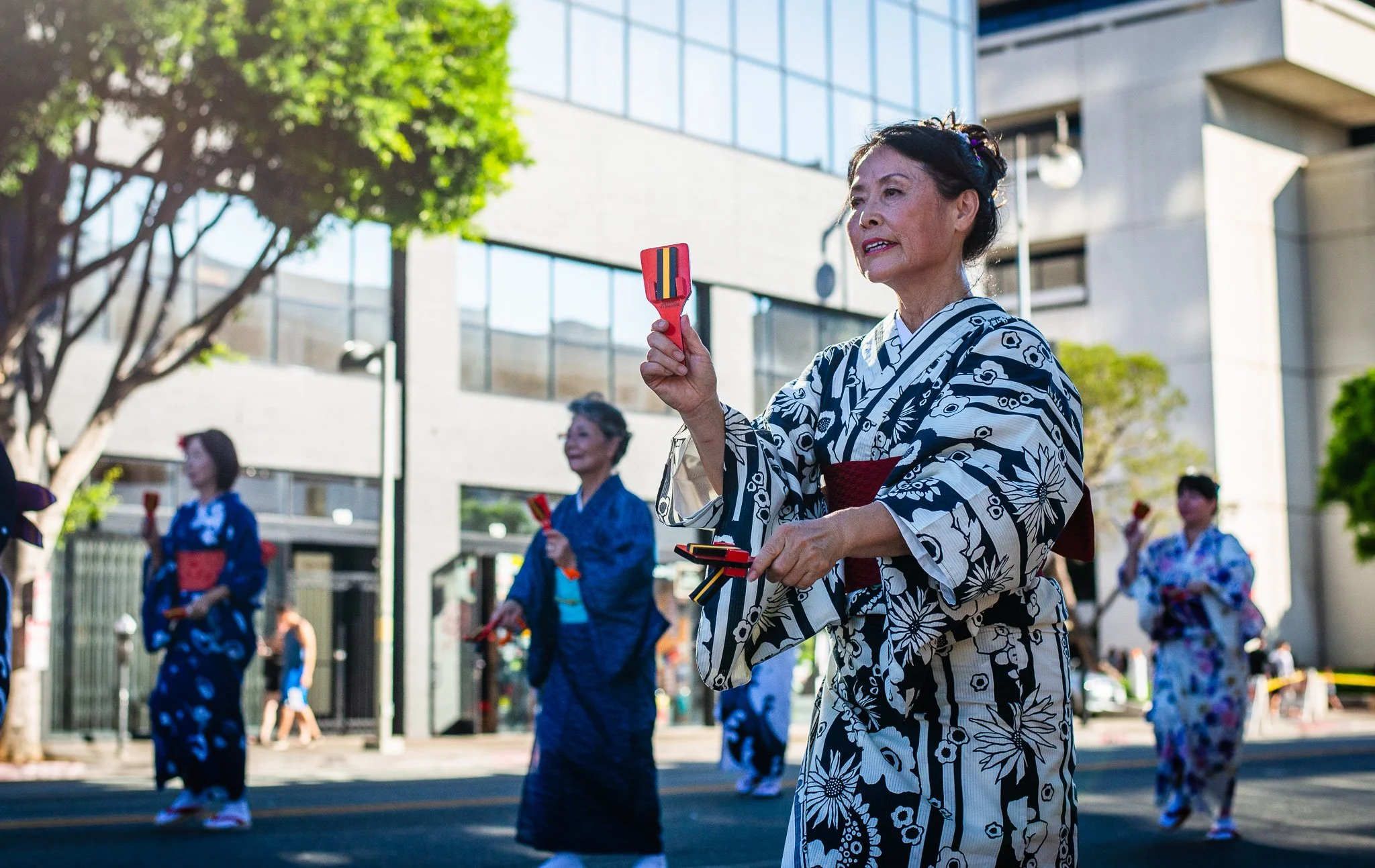
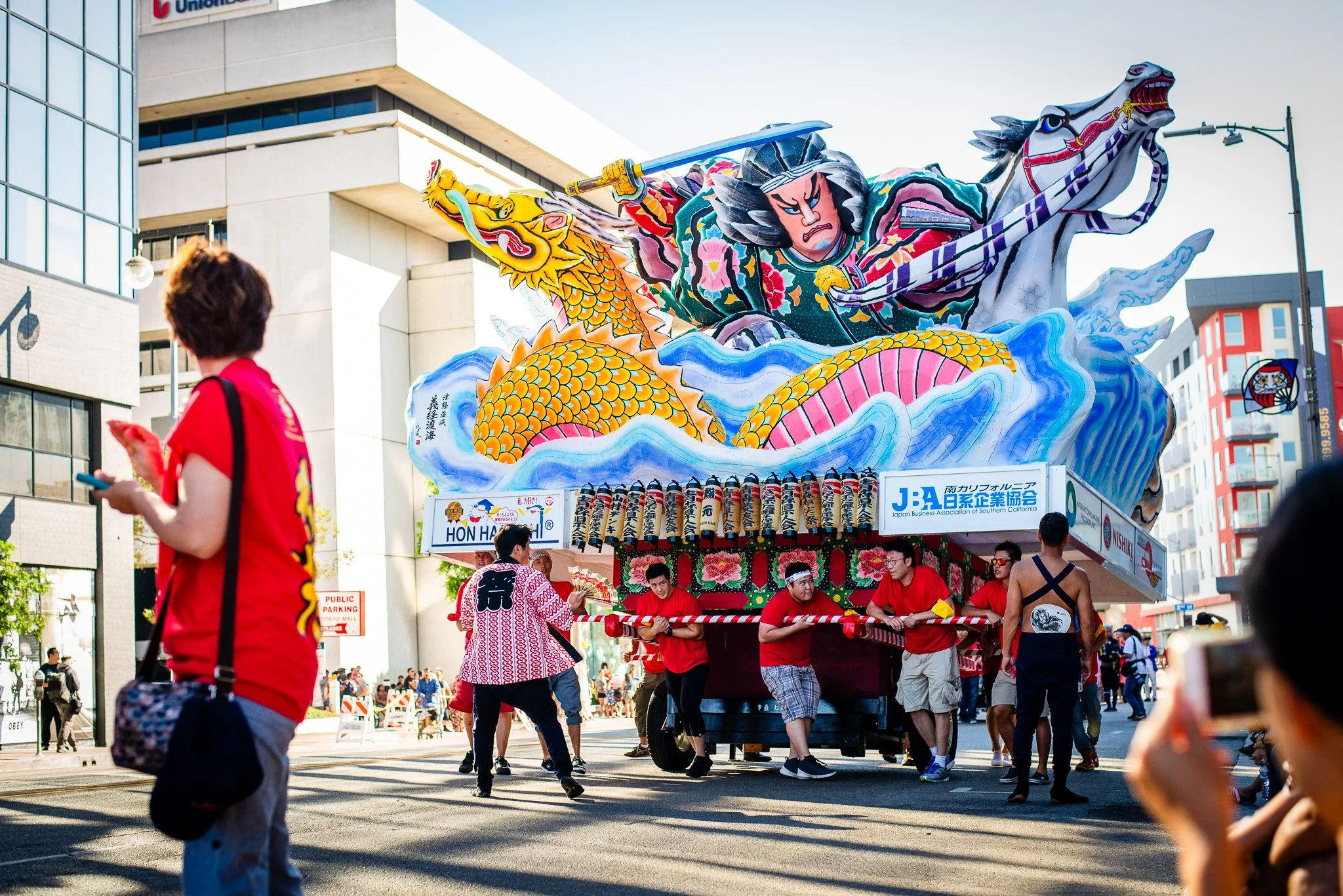
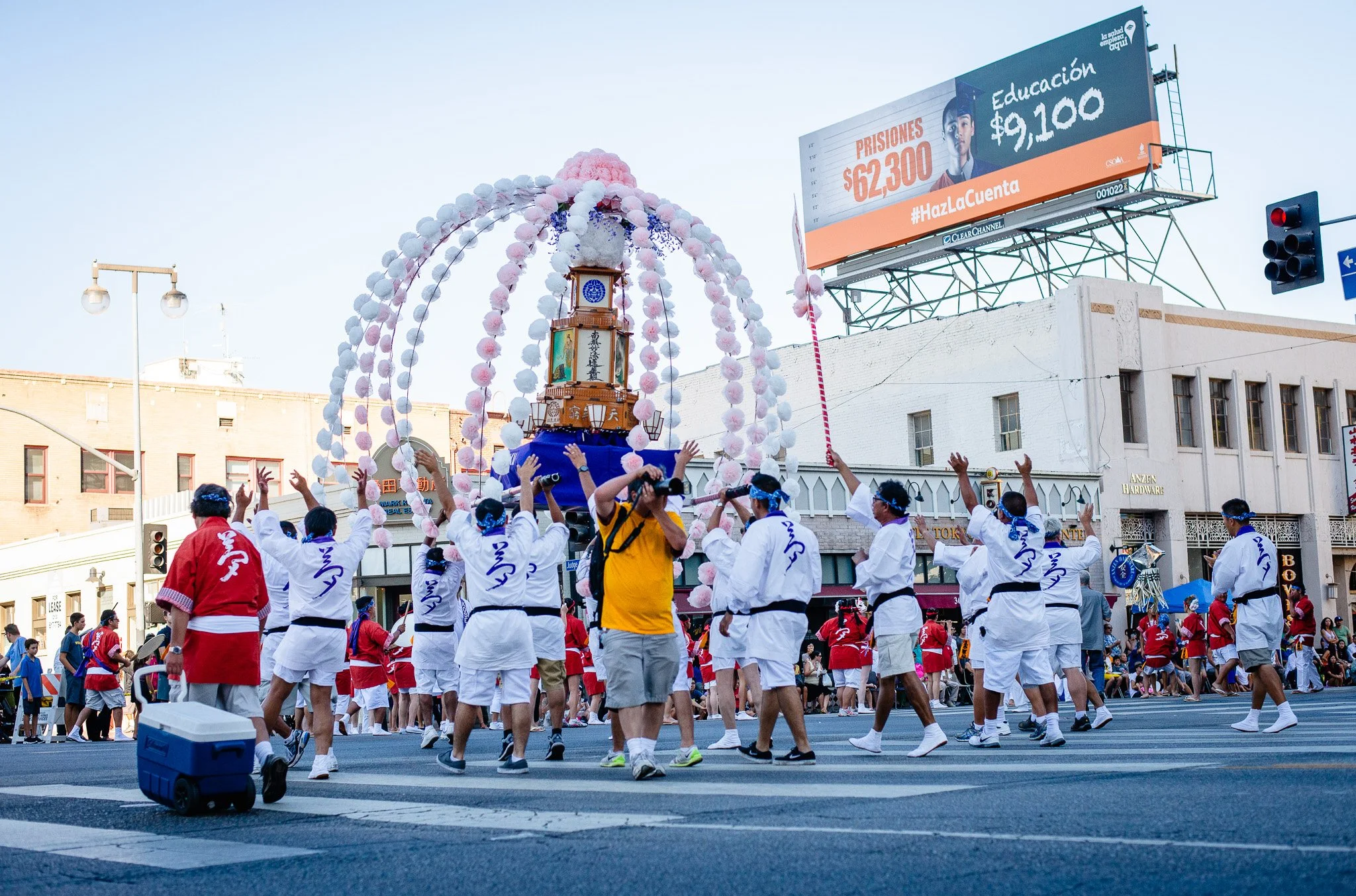
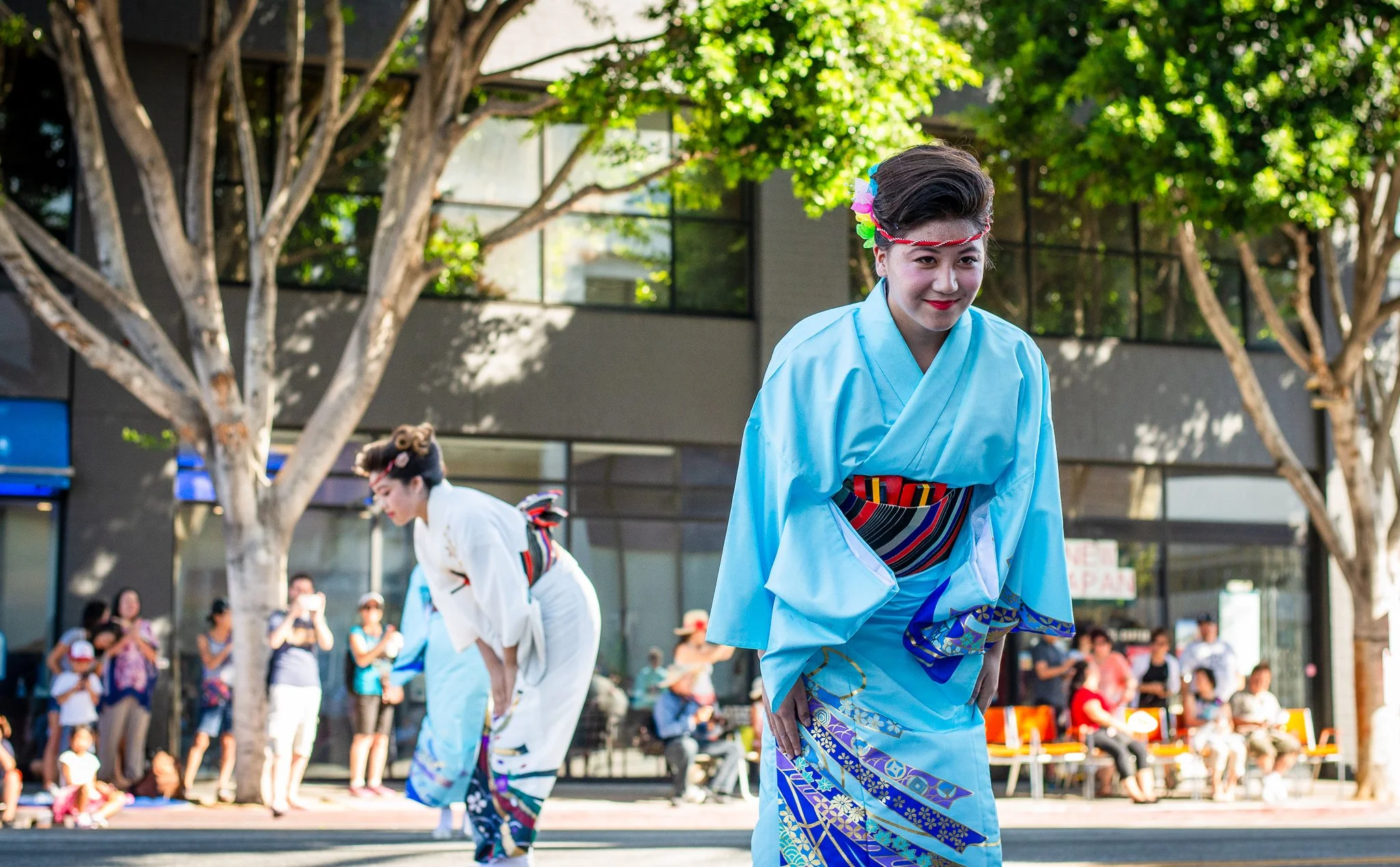
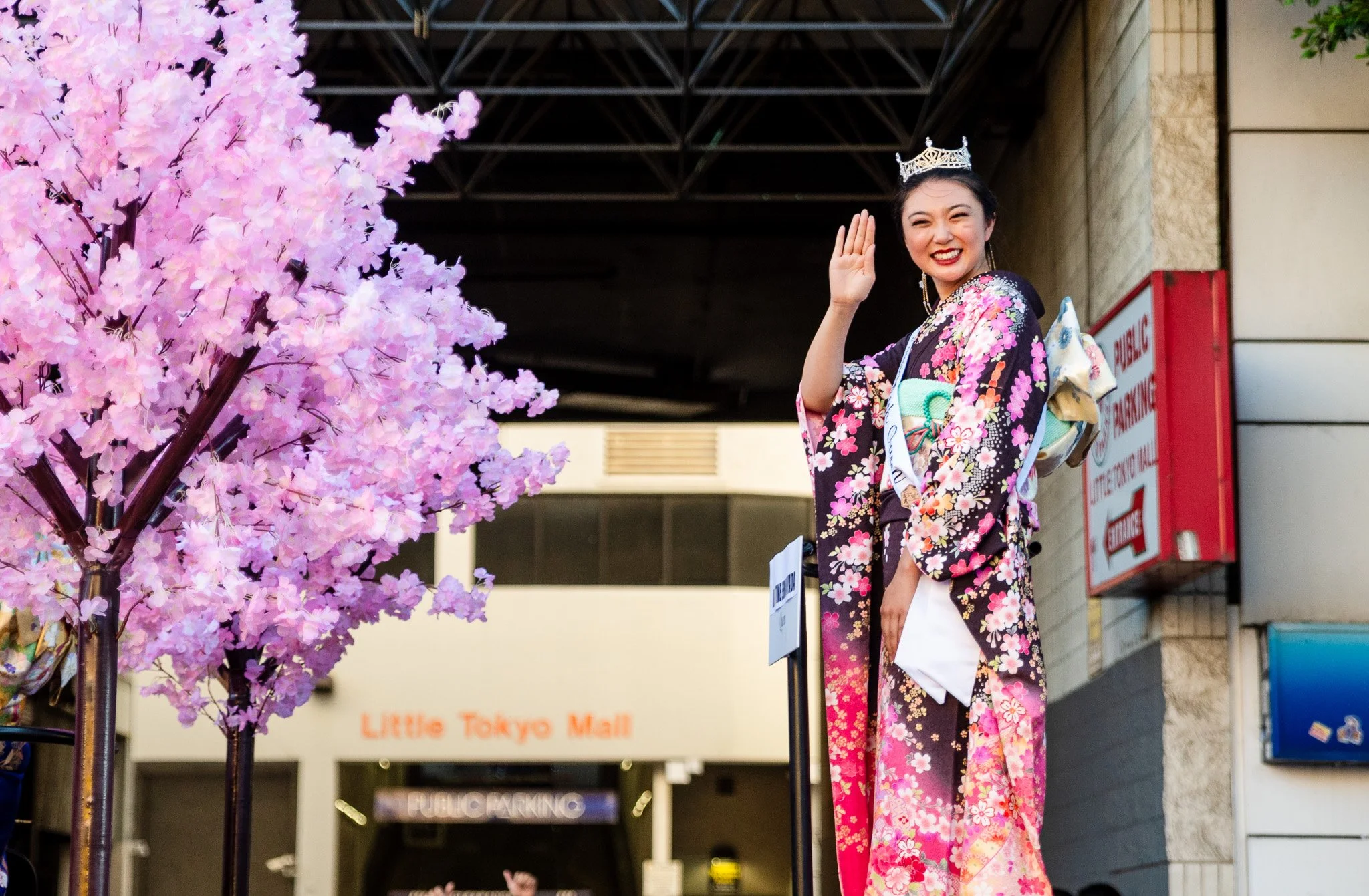
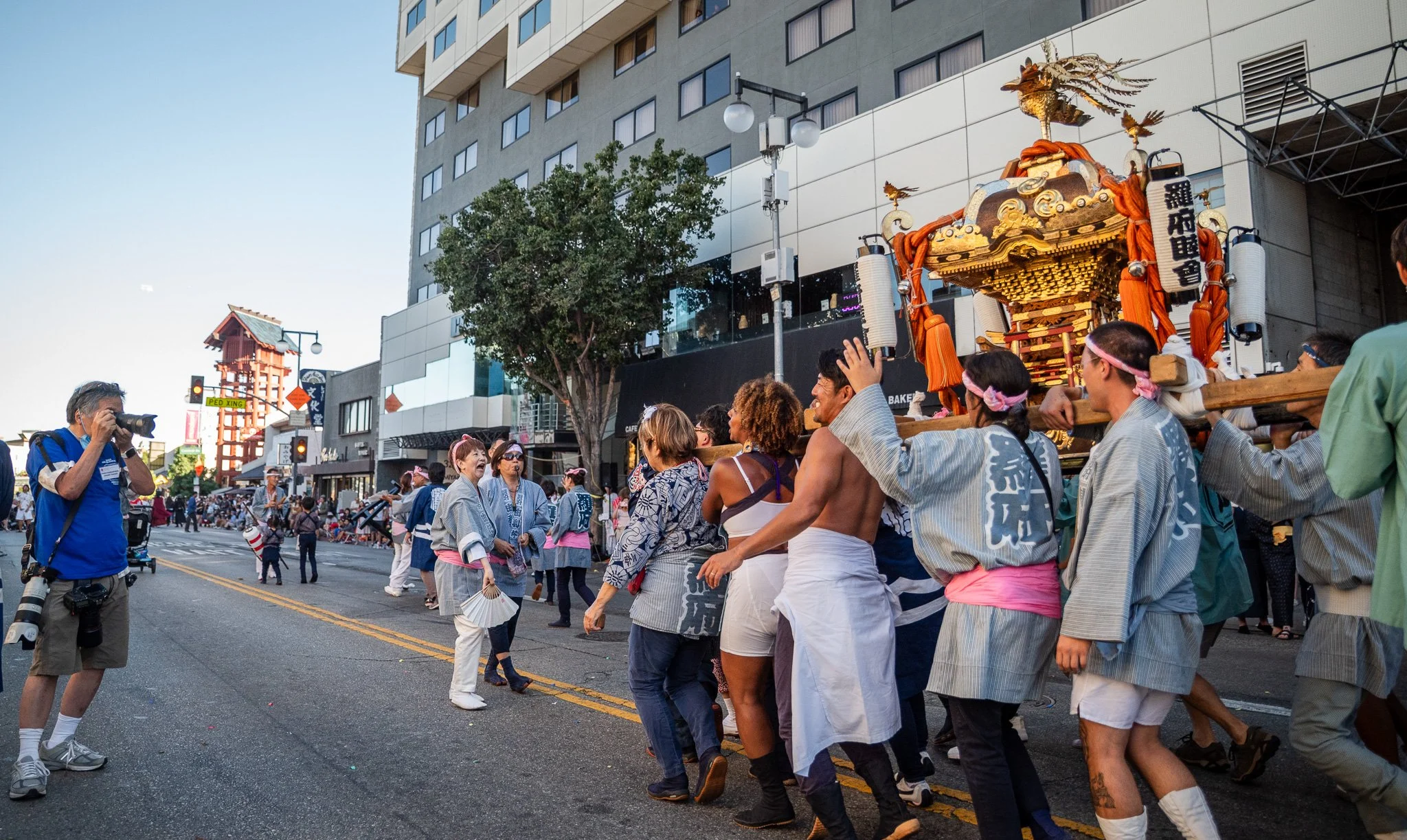
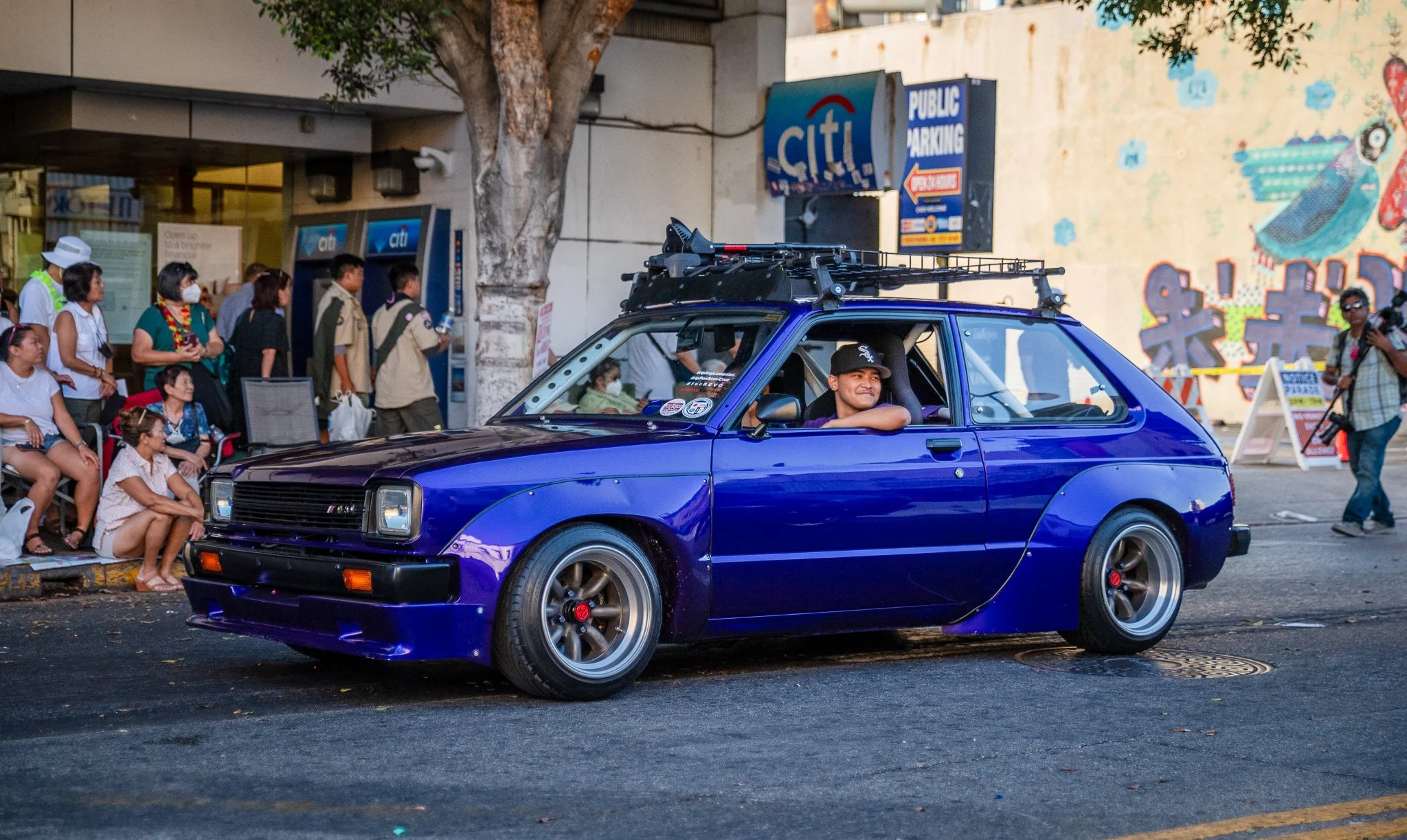
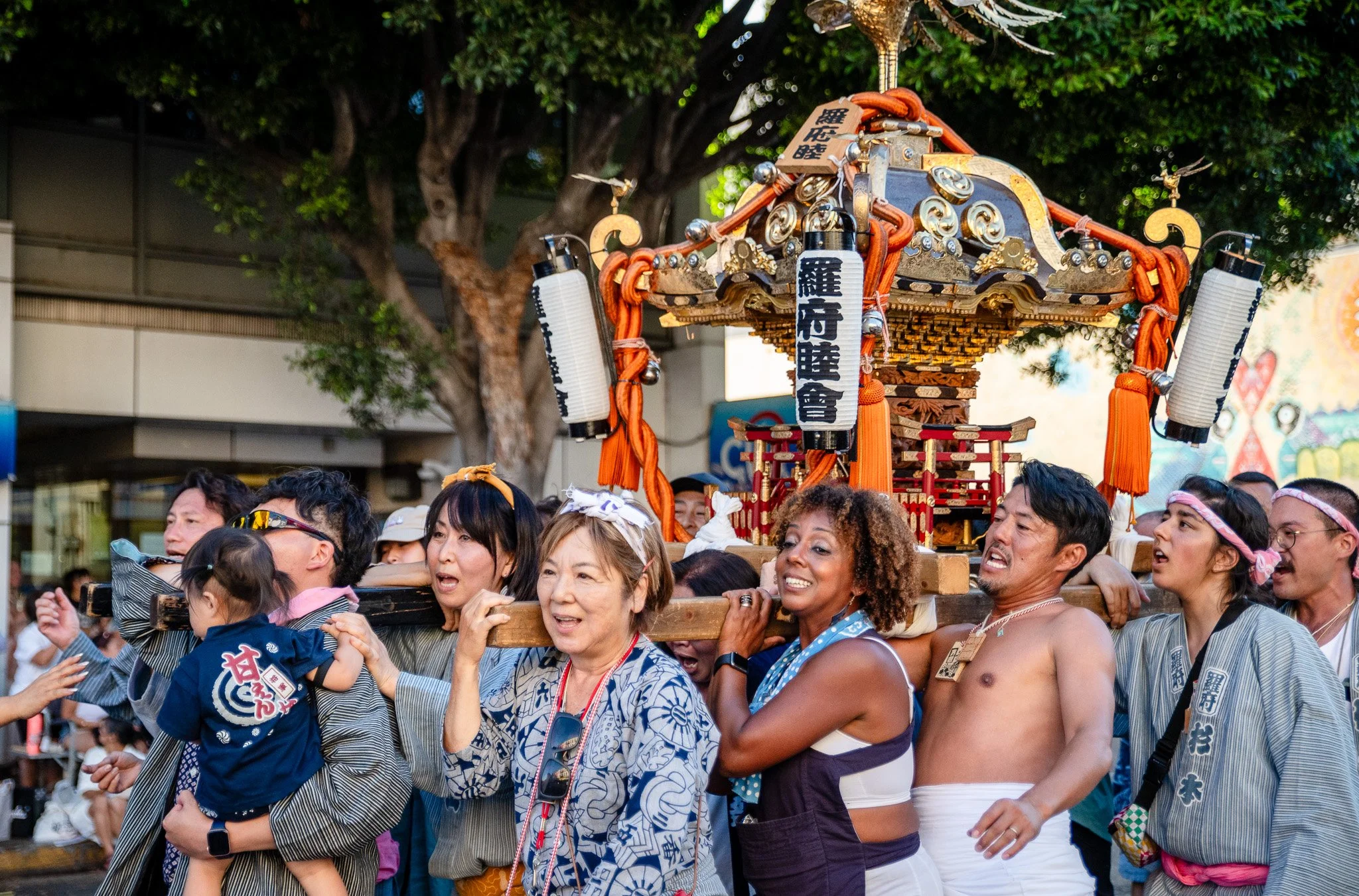
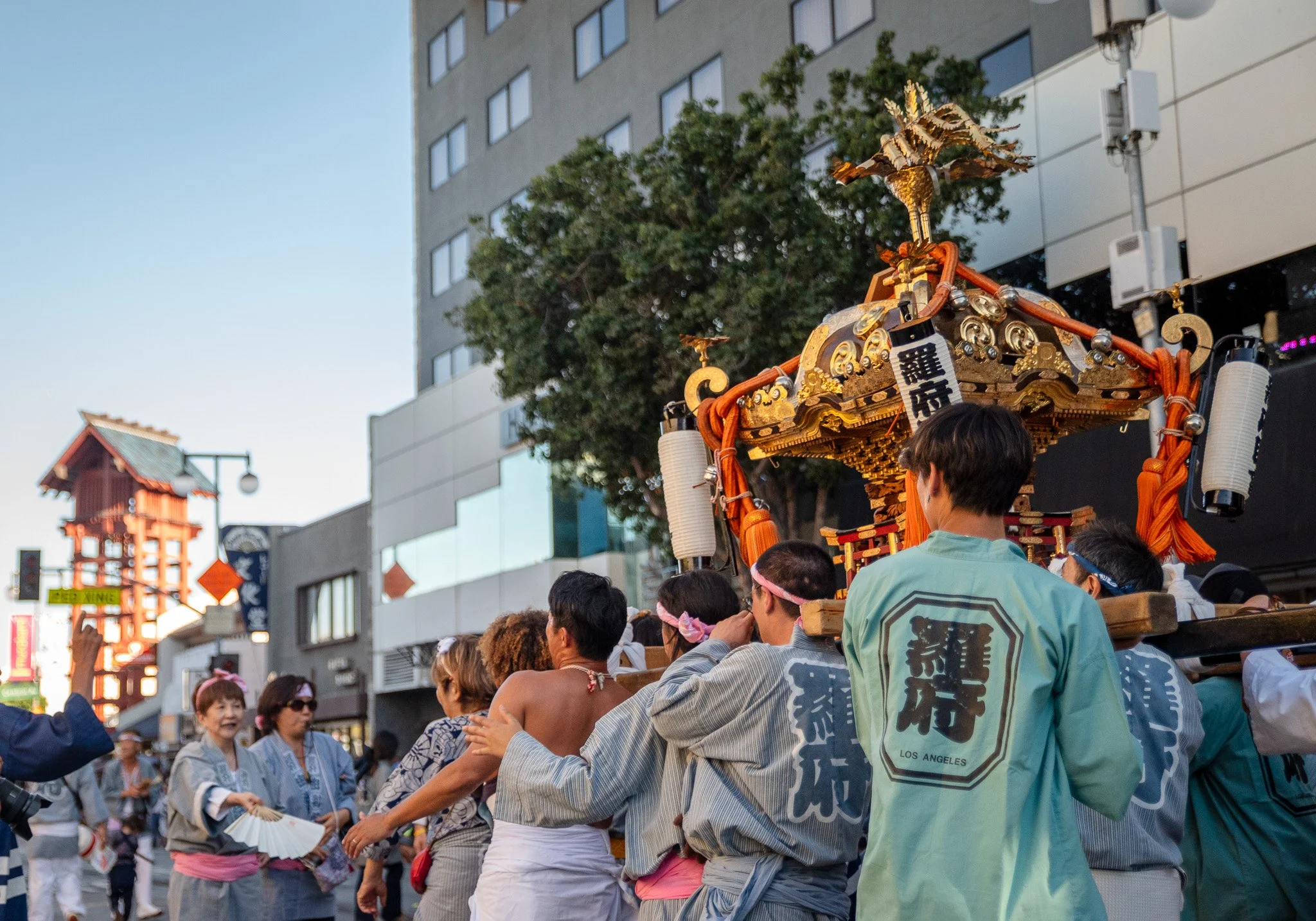
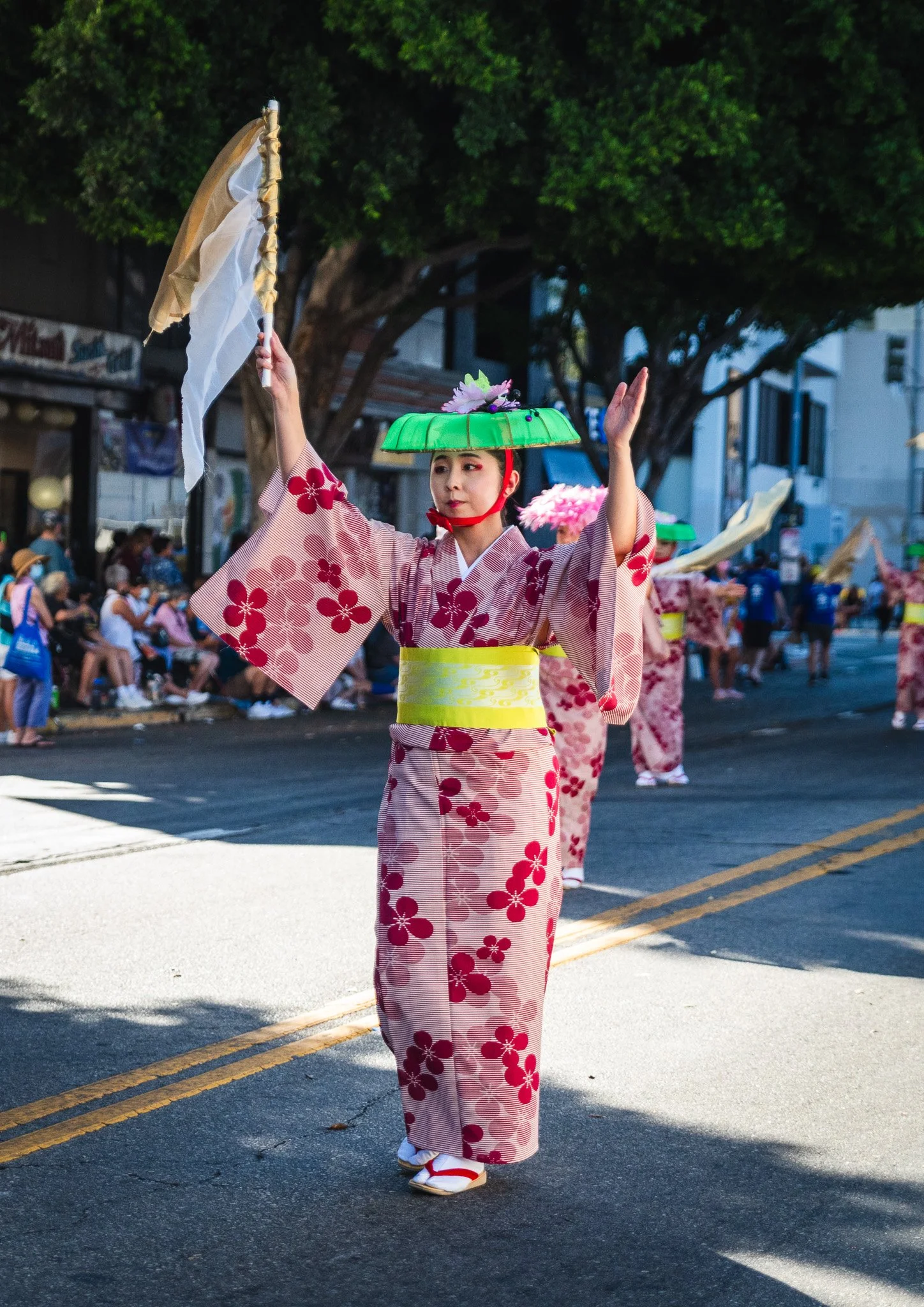
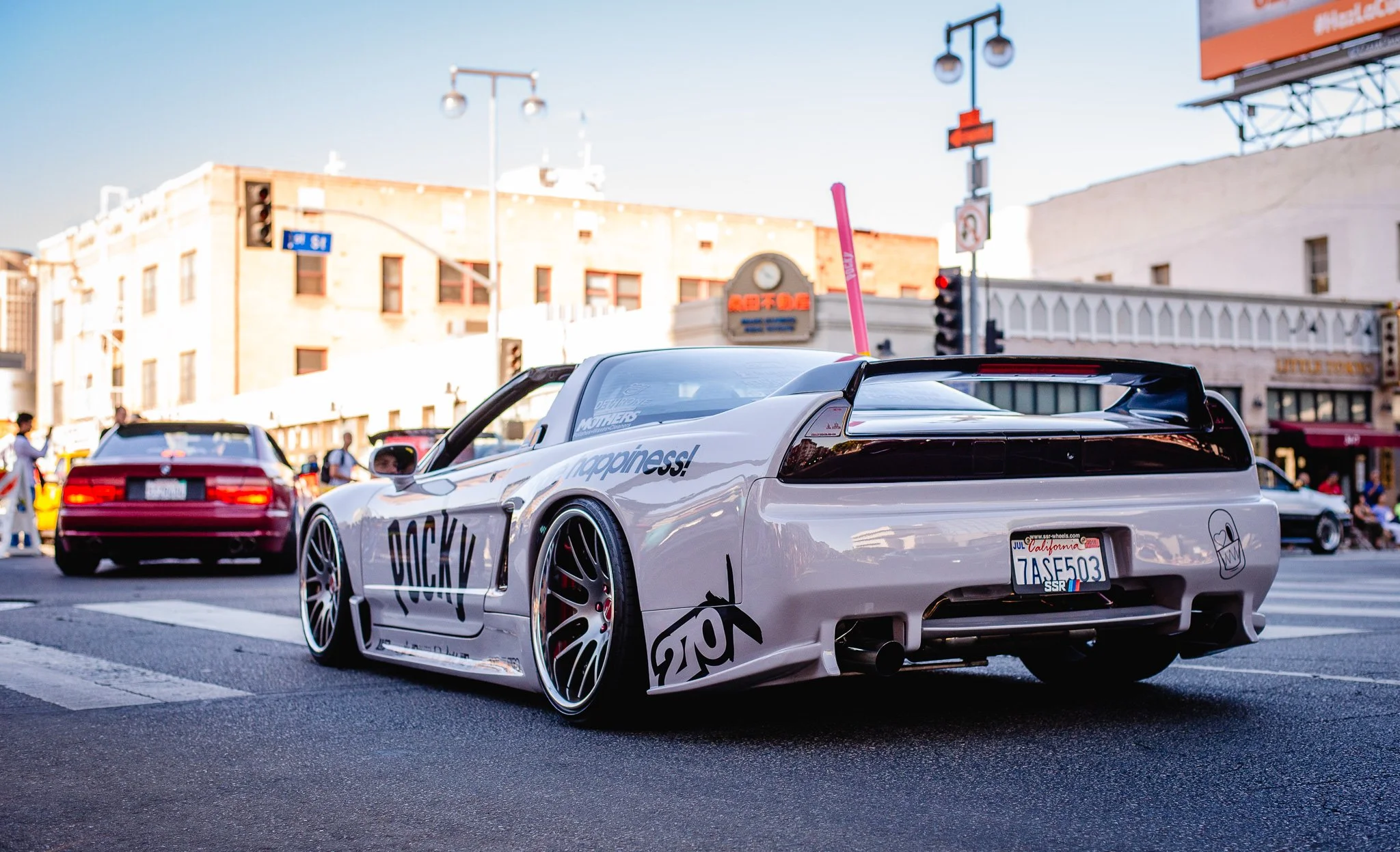
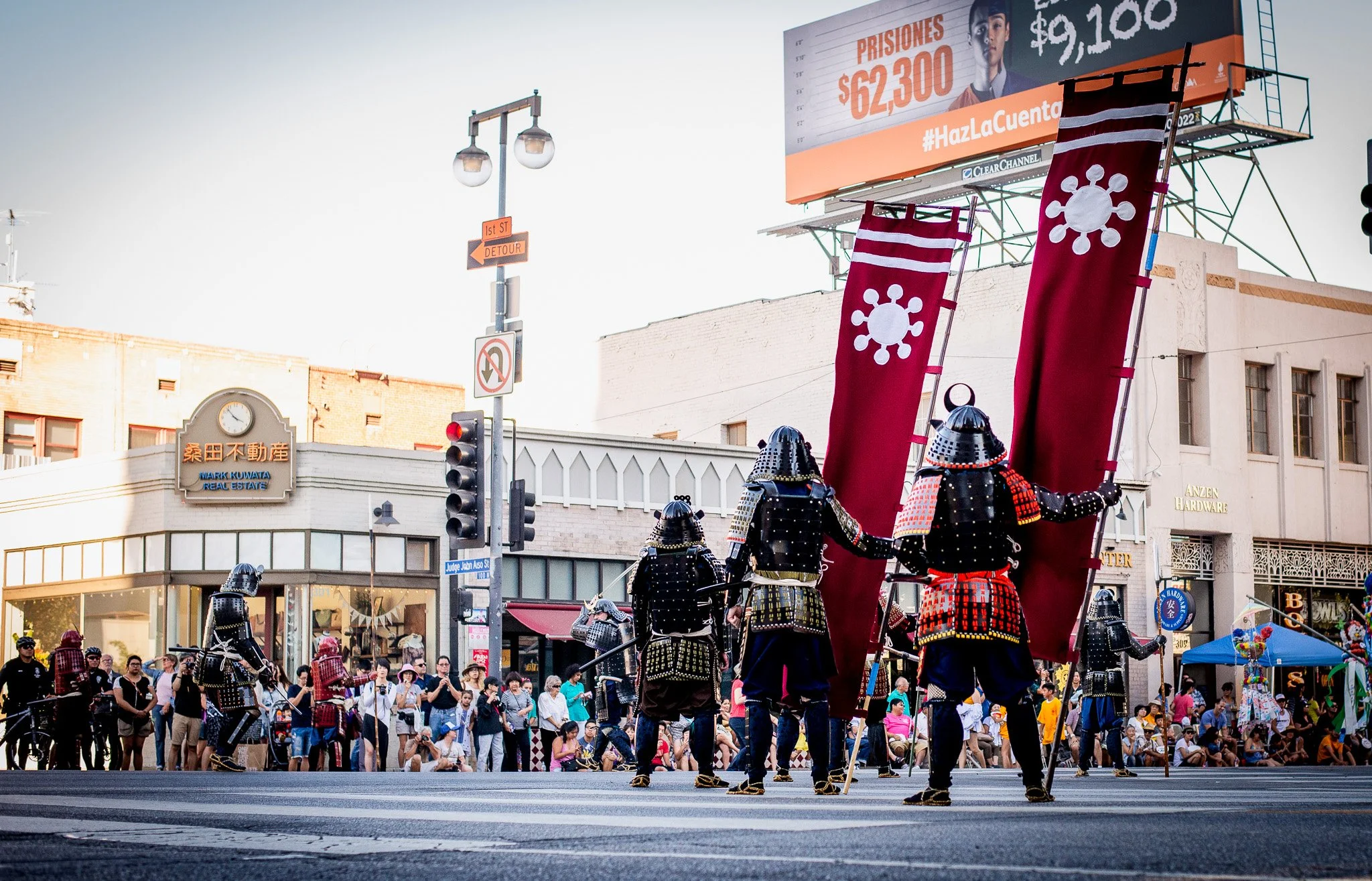
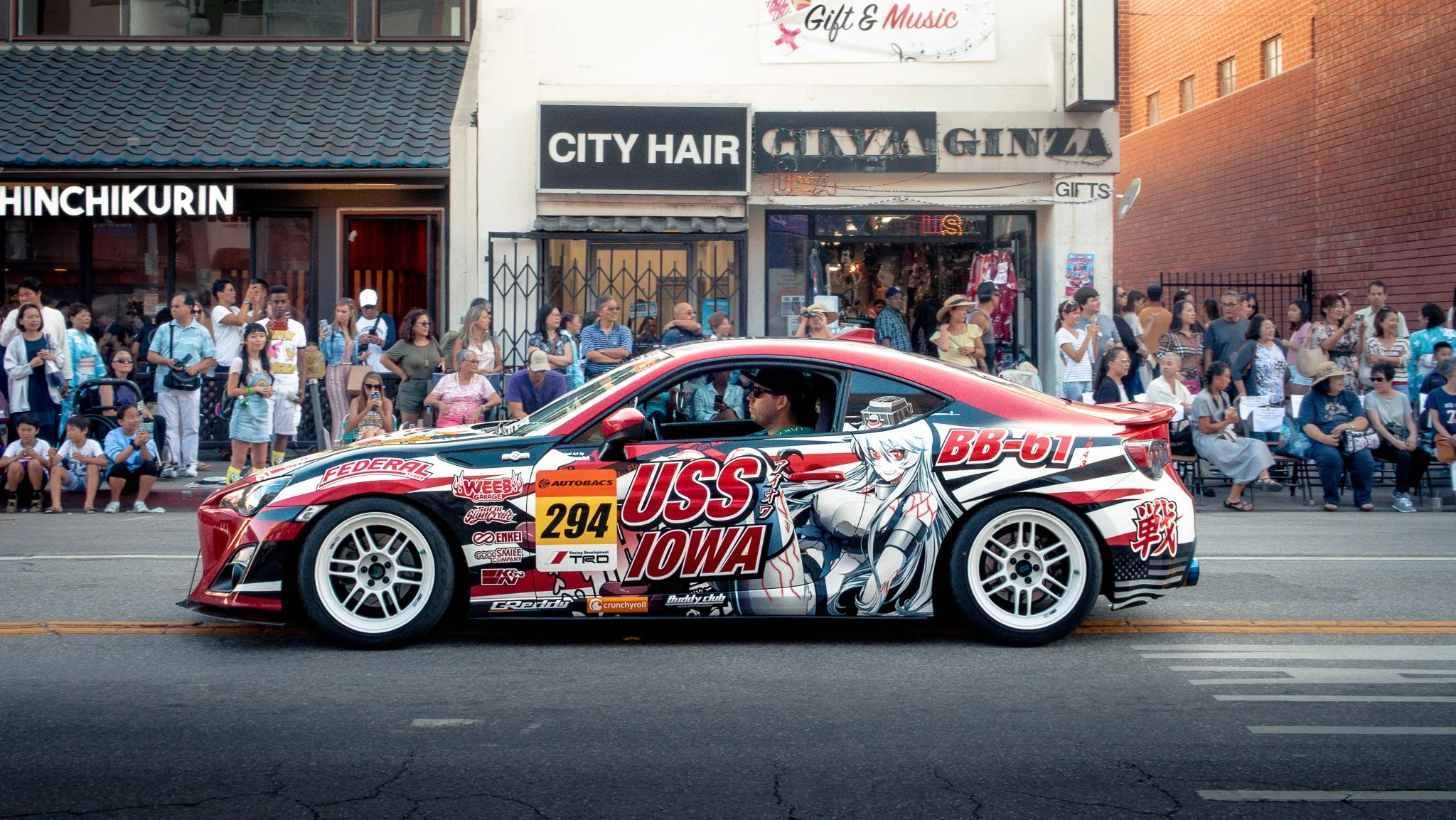
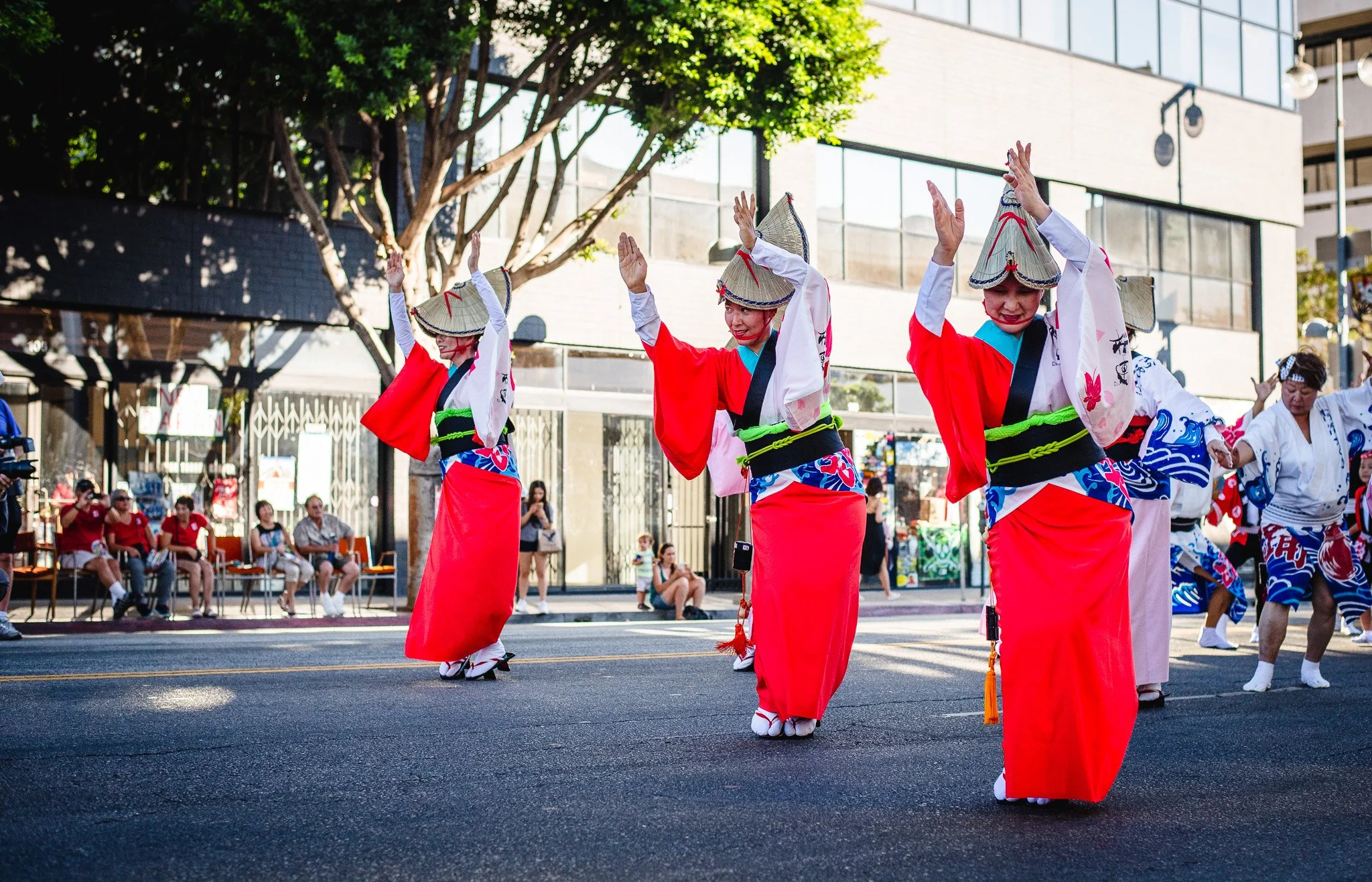
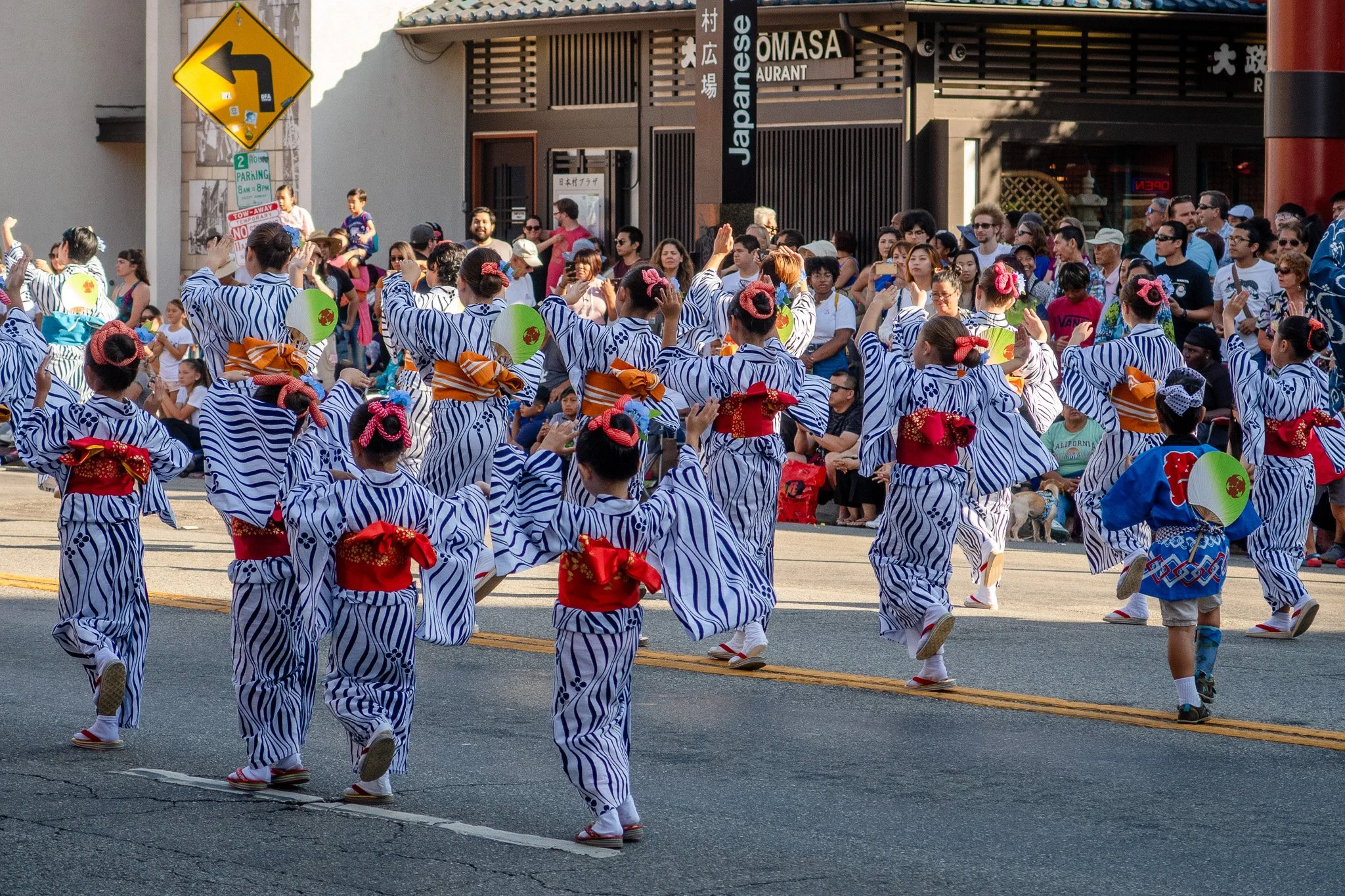
The parade itself is a unique blend of tradition and popular subculture—you’ll see taiko drummers and Bon Odori dancers one minute, then anime cosplayers, martial artists, and car clubs the next. The energy, performances, and visuals make this a must-see for anyone with an interest in Japanese culture or cultural events.
When, Where, and How to Catch It
The Grand Parade usually takes place on a Sunday afternoon (it’s on August 10th this year), typically starting around 4:00 PM. The route usually begins near 2nd Street and Central Ave, winds through the heart of Little Tokyo.
Tips for First-Time Visitors:
Arrive early to scout your spot— You’ll want to grab a spot in the shade, since the later afternoon sun can be intense. Also, some areas are a little more aesthetic than others. My favorites are the corner of 1st St & San Pedro St and the area across from the Little Tokyo Fire Tower (but only if you don’t mind the sun).
Parking can be tricky. There are parking garages and lots all over Little Tokyo, but unless you plan on being there the whole day, I would park away from Japanese Village Plaza. First off, they’re going to fill up quickly, but second, it becomes impossible to leave them once the parade starts (not that you’d want to, but you never know). Public transit is also an option, and there is a Metro station conveniently located on 1st St and Central Ave.
Bring water and sunscreen. Like I said, the sun can be brutal at this time. Also, a light bag is probably a good idea so you can keep stuff with you. You won’t want to leave your spot once everything starts.
If you’re shooting, go light on gear. One camera body and a zoom lens is ideal. A 24–70mm is a good all-arounder, but if you have something with more reach, that will help too. Photo Tip: Golden hour starts to hit just as the parade kicks off. Keep the sun in front of you and look for areas with lots of light and shadow. You can get some beautiful images at this hour.
More Than a Parade: What to Do Before and After
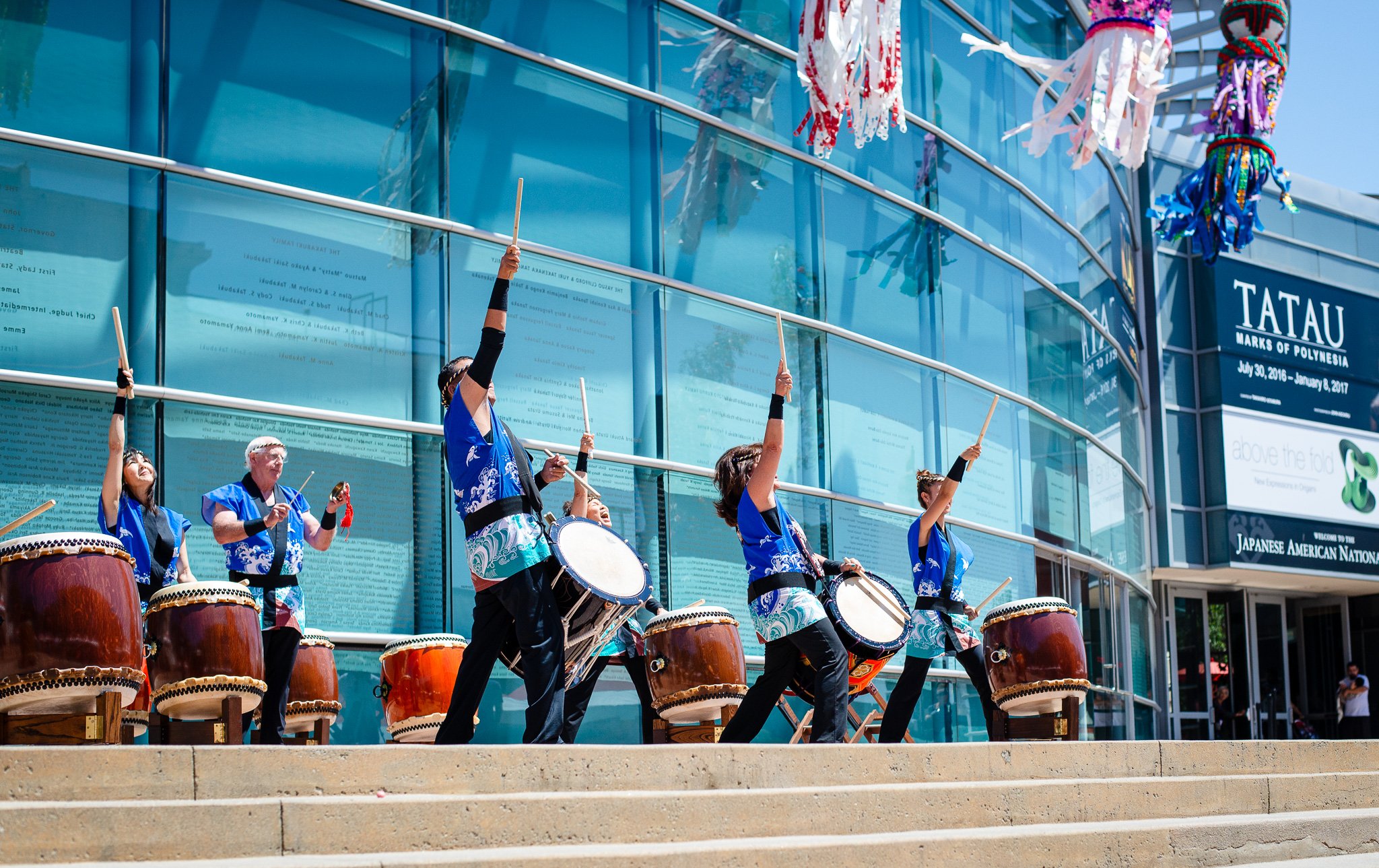
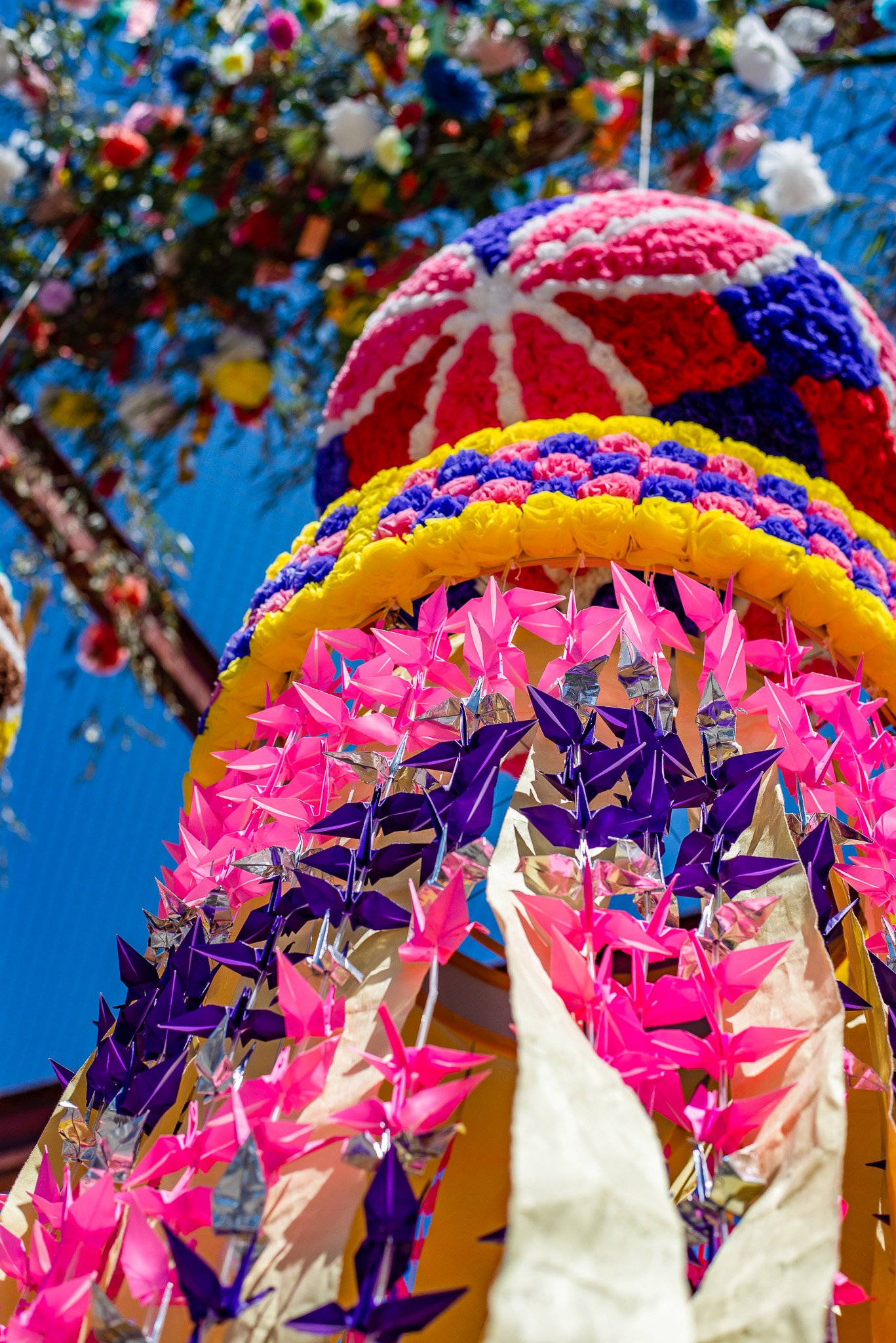
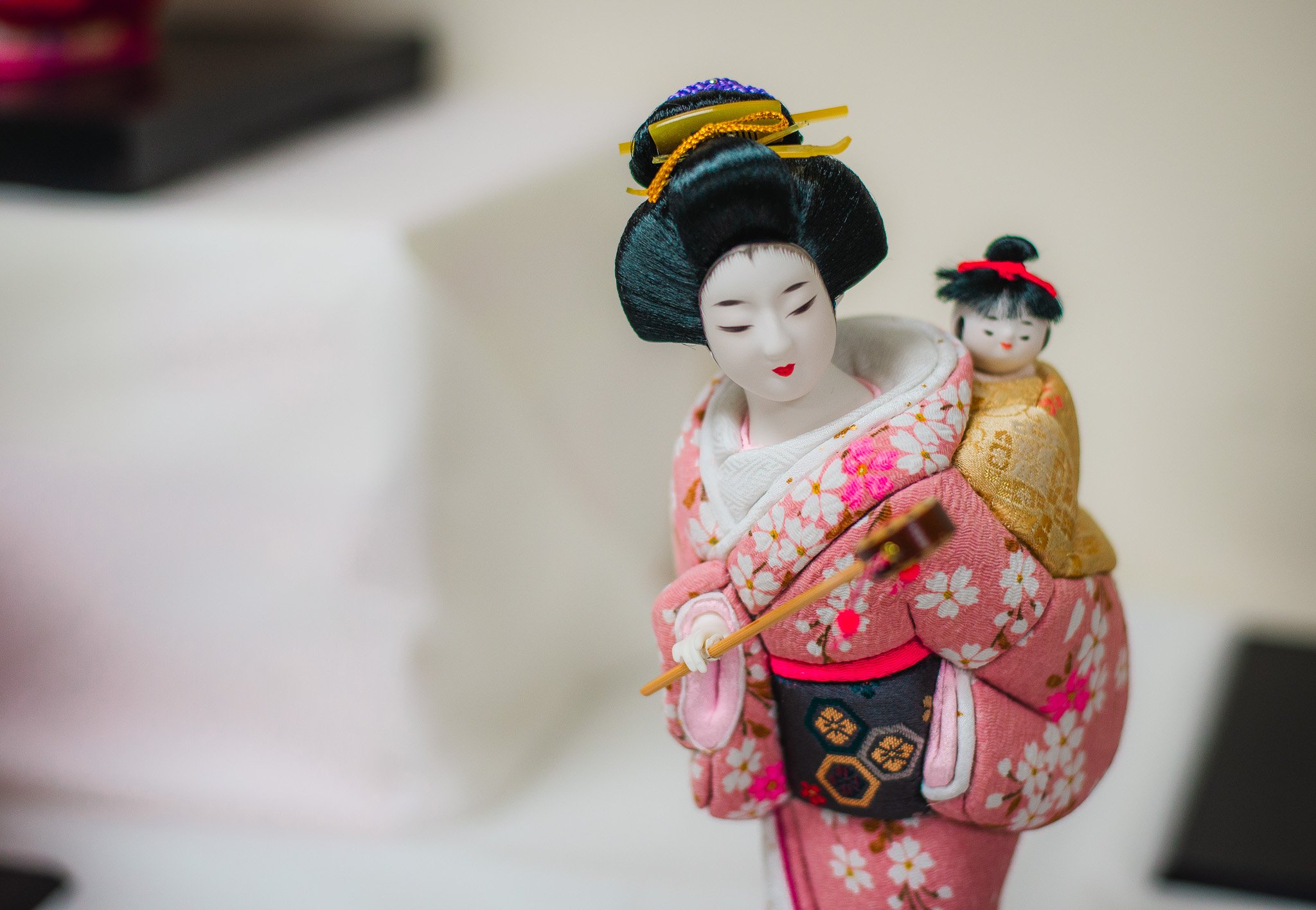
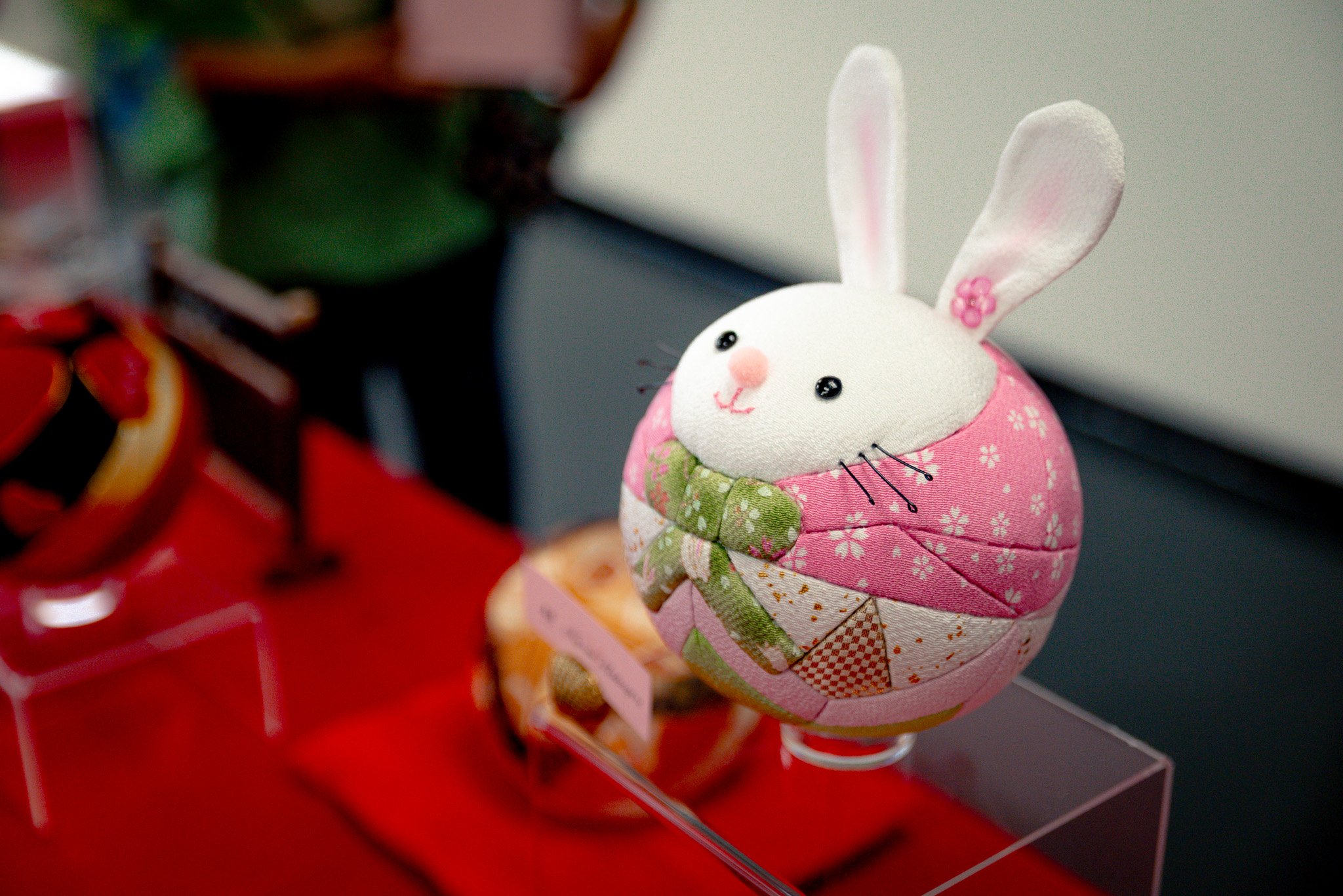
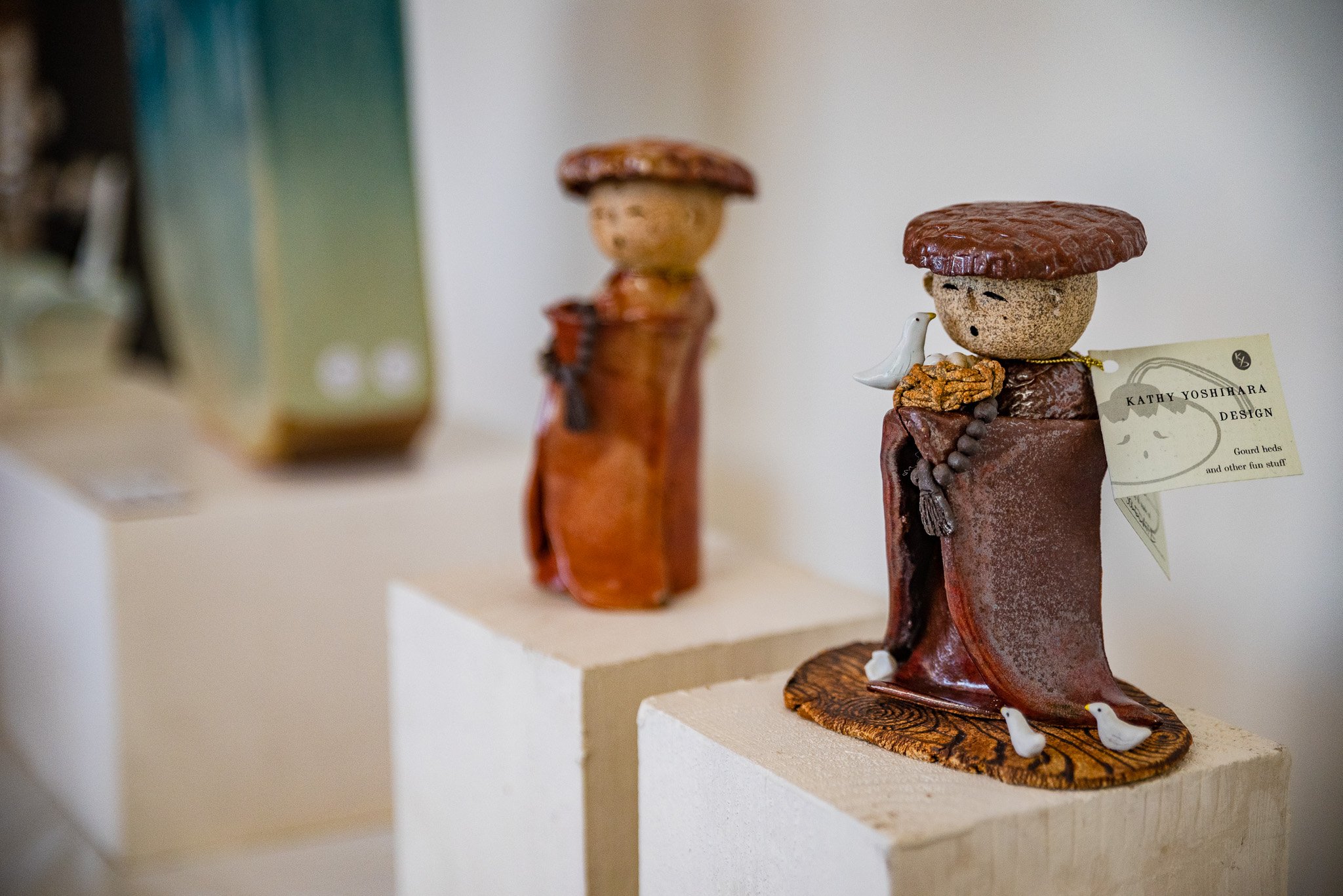
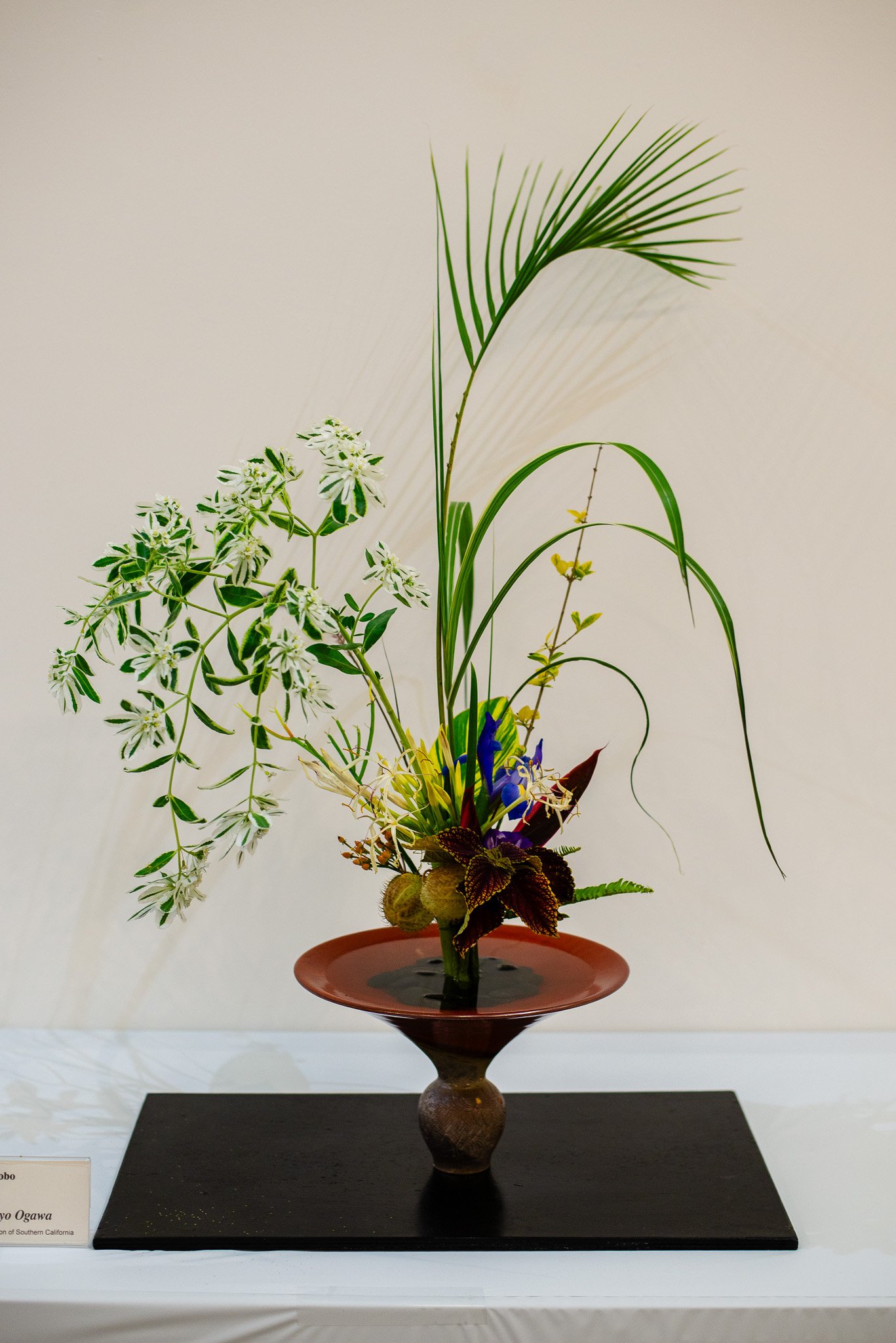
Little Tokyo is already one of the best places in LA for Japanese food, art, and culture— and Nisei Week adds even more to experience.
Here are a few things to check out before or after the parade:
Other Nisei Week Activities: The Grand Parade isn’t the only thing happening during Nisei Week. There is a variety of performances, exhibits, and attractions happening throughout Little Tokyo. Take some time to check a few of these out before setting up for the parade.
Japanese American National Museum: Located right across from the Metro station, this museum is a must-see for historical context and fascinating exhibits.
Street Food & Snacks: If you want the Japanese festival experience, there’s plenty to try. My personal favorite are the Imagawayaki cakes from Mitsuru Cafe. But you can also grab Takoyaki from Tanota, fresh mochi from Fugetsu-Do, and onigiri rice balls from Marukai Market.
Shopping: Kinokuniya, Japangeles, Popkiller, Anime Jungle— there’s no shortage of places to load up on Japanese books, fashion, stationery and gifts.
Street Photography (of course): Little Tokyo has always been one of my favorite places to take photos. From the crowds, to the decor, and colorful character that is LA, there’s just so much to capture and appreciate. This is definitely a place to have fun with a camera.
Final Thoughts: A Living Celebration Worth Capturing
Nisei Week isn’t just a festival— it’s a vibrant celebration of cultural, expression, and community. Whether you’re there to connect with Japanese heritage or capture it through your lens, the Grand Parade is an unforgettable experience.
If this post inspired you to visit—or if you’ve attended in the past—I’d love to see your photos. Tag me on Instagram or drop a link in the comments.
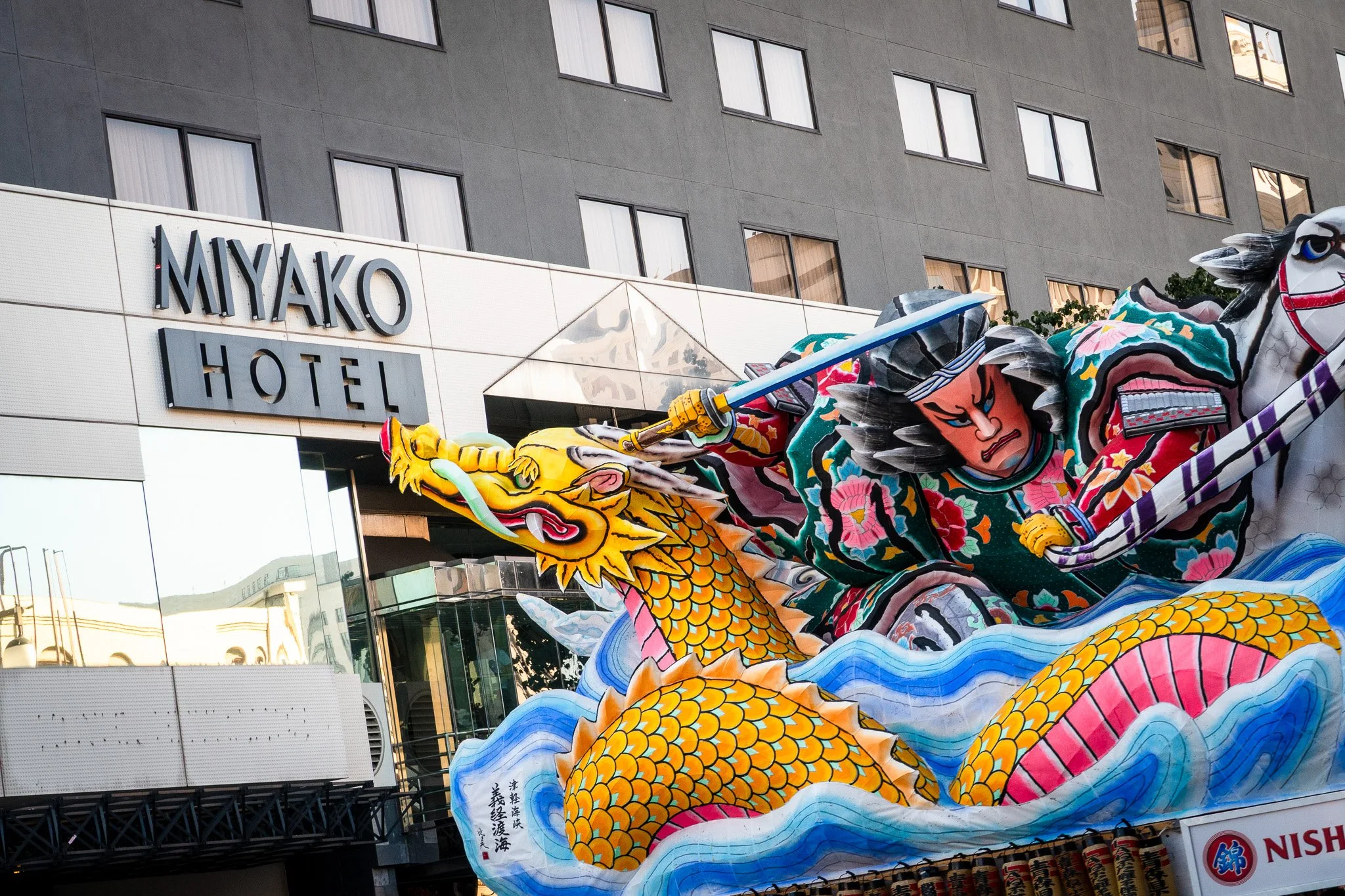
In the meantime, check out some of the images I’ve captured from previous Nisei Week Parades. It’ll give you a good idea of what’s in store.