Tokyo Metro: Discovering The Unexpected Backbone of the City
When I look back on my trips to Tokyo, a handful of experiences rise to the top. Most of them are what you'd expect from travel: iconic destinations, hidden restaurants, shrines tucked between skyscrapers. But one of the most vivid and meaningful memories for me, was something I never planned to see or pursue. Something that happened entirely in the in-between moments.
It was the Tokyo Metro.
When I look back on my trips to Tokyo, a handful of experiences rise to the top. Most of them are what you'd expect from travel: iconic destinations, hidden restaurants, shrines tucked between skyscrapers. But one of the most vivid and meaningful memories for me, was something I never planned to see or pursue. Something that happened entirely in the in-between moments.
It was the Tokyo Metro.
A City Built Around Its Trains
Since I didn't have a car, the rail system became my primary way of getting around— which, if you know anything about Tokyo, makes complete sense. The Tokyo Metro and its connecting lines form one of the densest, most expansive rail networks on the planet. It’s not just a typical municipal transit network, it’s Tokyo’s circulatory system; a web of rail and steel that blankets nearly all of the city’s urban sprawl.
This is the Tokyo Rail System— a frighteningly intimidating ball of colored lines and text. But once you get the hang of it, it’s very straightforward. Source: Tokyo Metro
And here's the thing: you genuinely do not need anything else to traverse the city. Not taxis, nor rental cars, not even buses. Yes, those options exist, should you want them. But in my experience, almost every place I wanted to go was accessible on foot from a station, so I never found myself wanting for other forms of transit. That feels almost miraculous, as a resident of Los Angeles, where car-ownership is an imperative.
Safety, Cleanliness, and the Little Courtesies
The contrast with LA's Metro wasn't lost on me. At the time of my visits, I never once felt unsafe on the Tokyo rail system— and while I'll acknowledge that being a tall adult male affects how I experience public spaces, the difference in atmosphere was genuinely noticeable, even more me. There was a sense of order and mutual respect that felt deeply embedded in the city’s train-riding culture.
Cleanliness was another thing. Tokyo has a well-earned reputation for tidiness, and the Metro reflected that. Nothing felt grim or neglected. Both the stations and the cars themselves were easy, clean, and just... fine. And don’t misunderstand— in this situation, being satisfactorily forgettable is exactly what you want. Ideal public transportation means getting from point A to point B without being left with a bad impression or dealing with unnecessary annoyances and inconveniences.
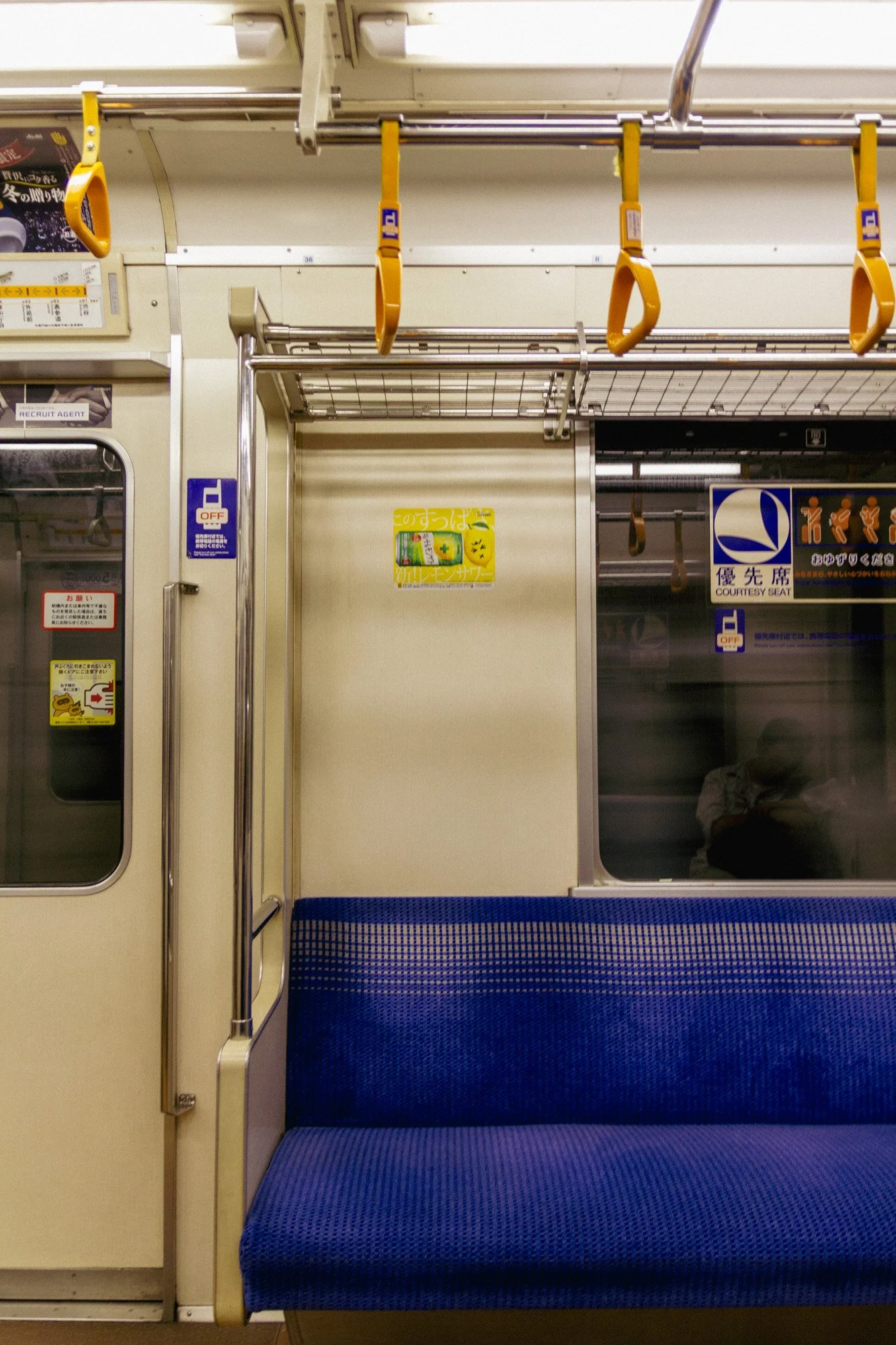
The interior of this rail car was absolutely spotless.
A few other small touches stood out as uniquely considerate: reserved seating for elderly passengers and women-only train cars during certain hours. These aren't dramatic gestures, but they signal a thoughtfulness about who uses the system and what they might need— a kind of quiet civic care that goes beyond the bare minimums of wheelchair ramps or brail text. I found it genuinely refreshing.
This sign was posted above select seats and indicates that they should be prioritized for passengers with special conditions.
One important caveat: my last visit was nearly a decade ago. Tokyo has changed— by many accounts, significantly— so I can only speak to what the experience was then. But that said, I still continue to see testimonials that line up with what I saw. If you've been there more recently, and your experience differs, please leave a comment and let me know.
The Visual Life of a Daily Commute
Here's where things got unexpectedly rich for me as someone who walks around with a camera.
Most of the time, the view outside a train window is walls, buildings, infrastructure— the grey impression of a city in motion. But every so often, the urban density would suddenly open up and you'd be met with long street corridors or sweeping panoramas of rooftops stretching toward the horizon. It often passed in seconds, but it always had surreal quality to it— like watching a vast expanse in a fantasy world. I chased that shot whenever I was fortunate enough to see it coming.
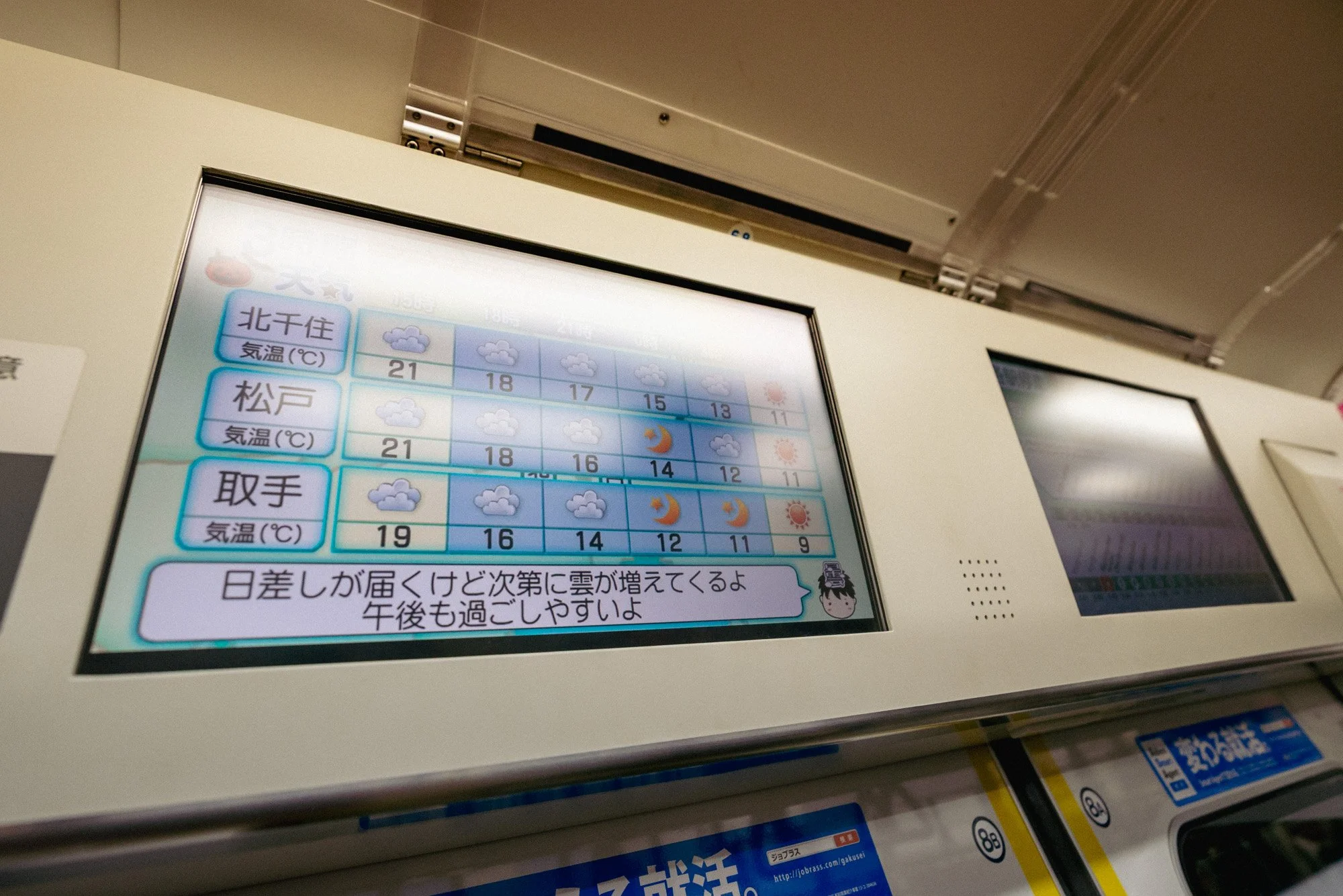
Then there were the ads and public signs. If you've spent any time immersed in Japanese visual culture, you know that design logic there is completely different from what we see in the West. Mascot characters pop up in unexpected places. Safety notices have a playful, almost youthful quality to them. Advertisements carry a weird quirkiness that feels distinctly Japanese — charming in a way that's hard to articulate but immediately recognizable.
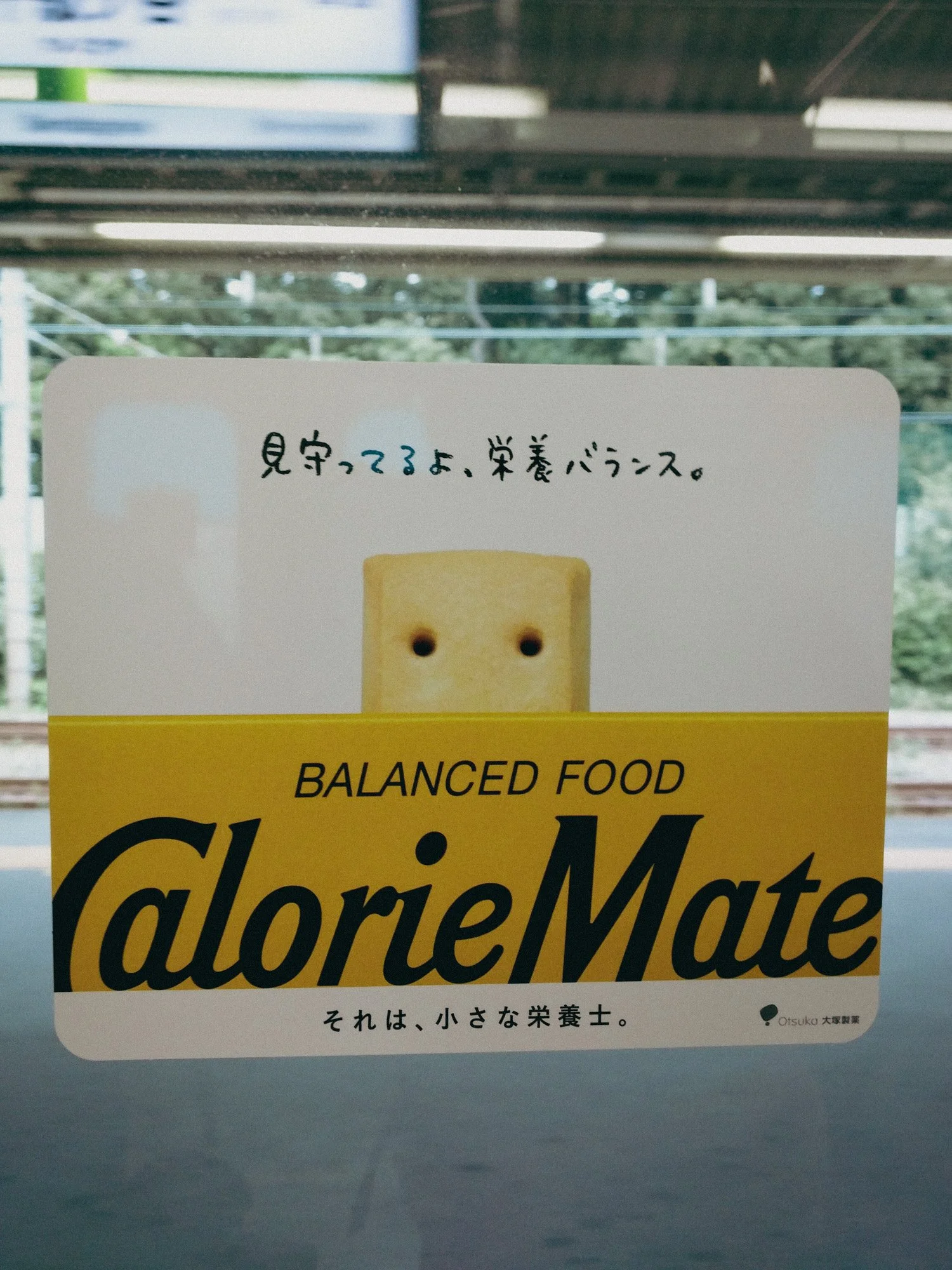
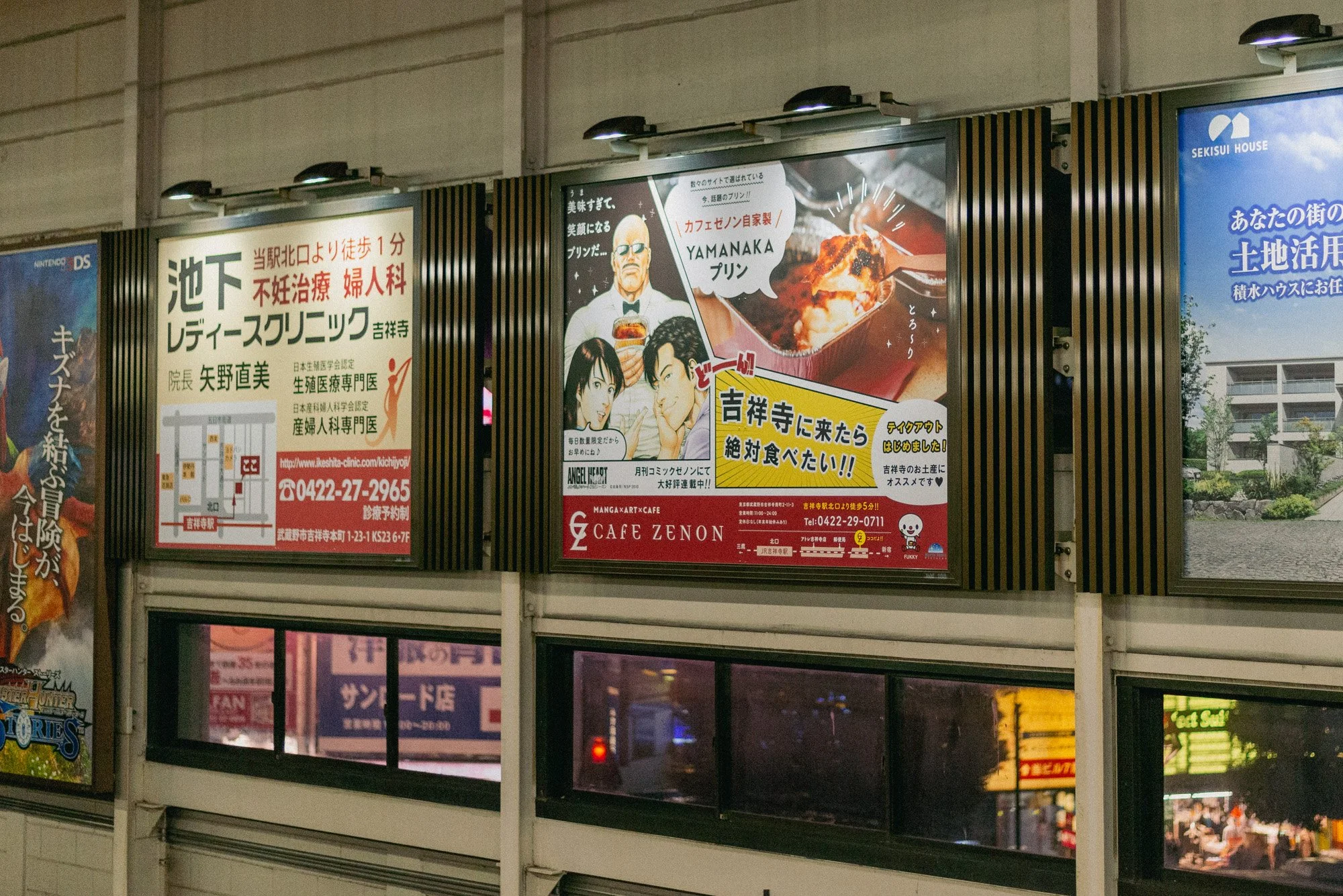
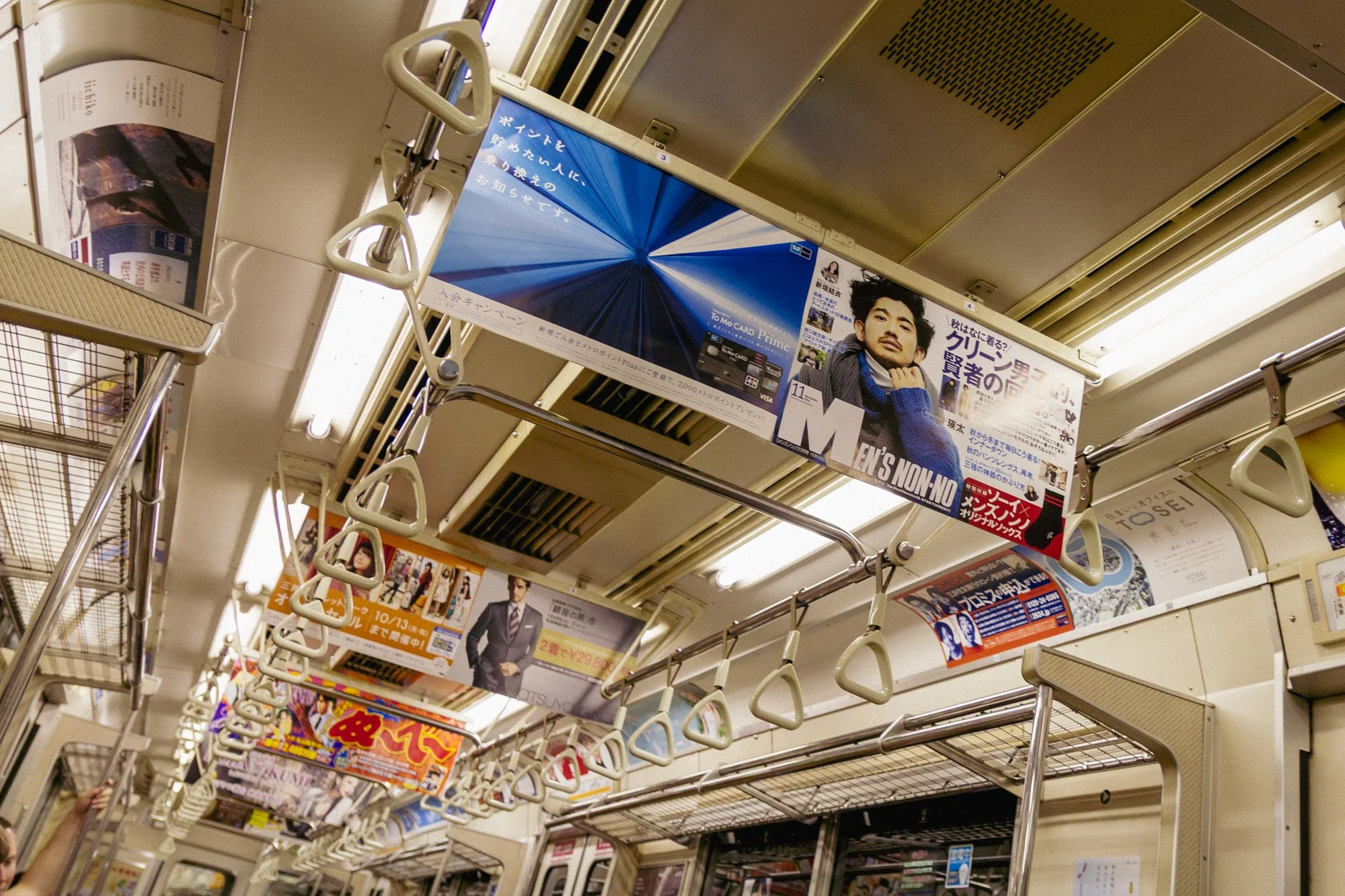
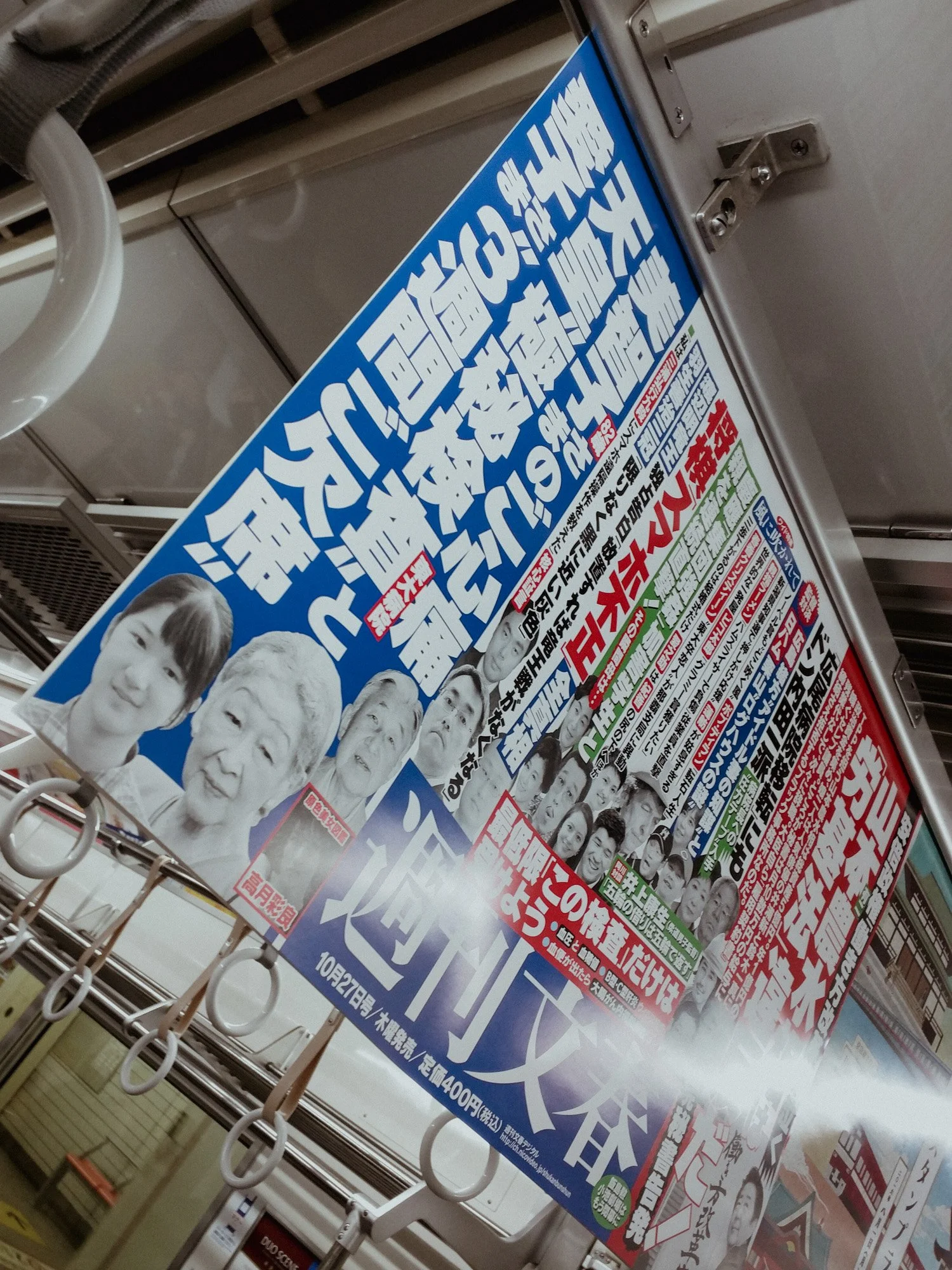
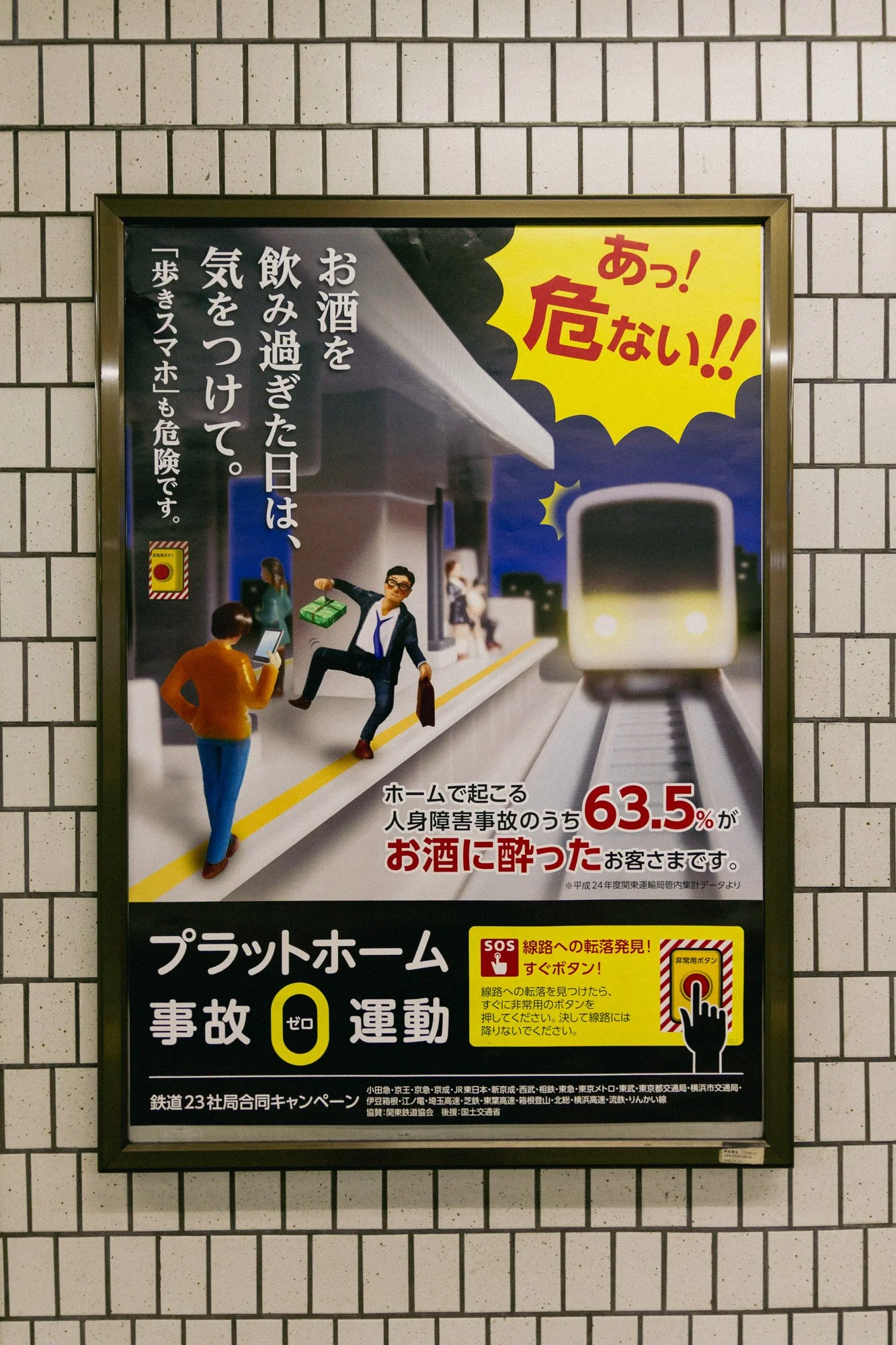
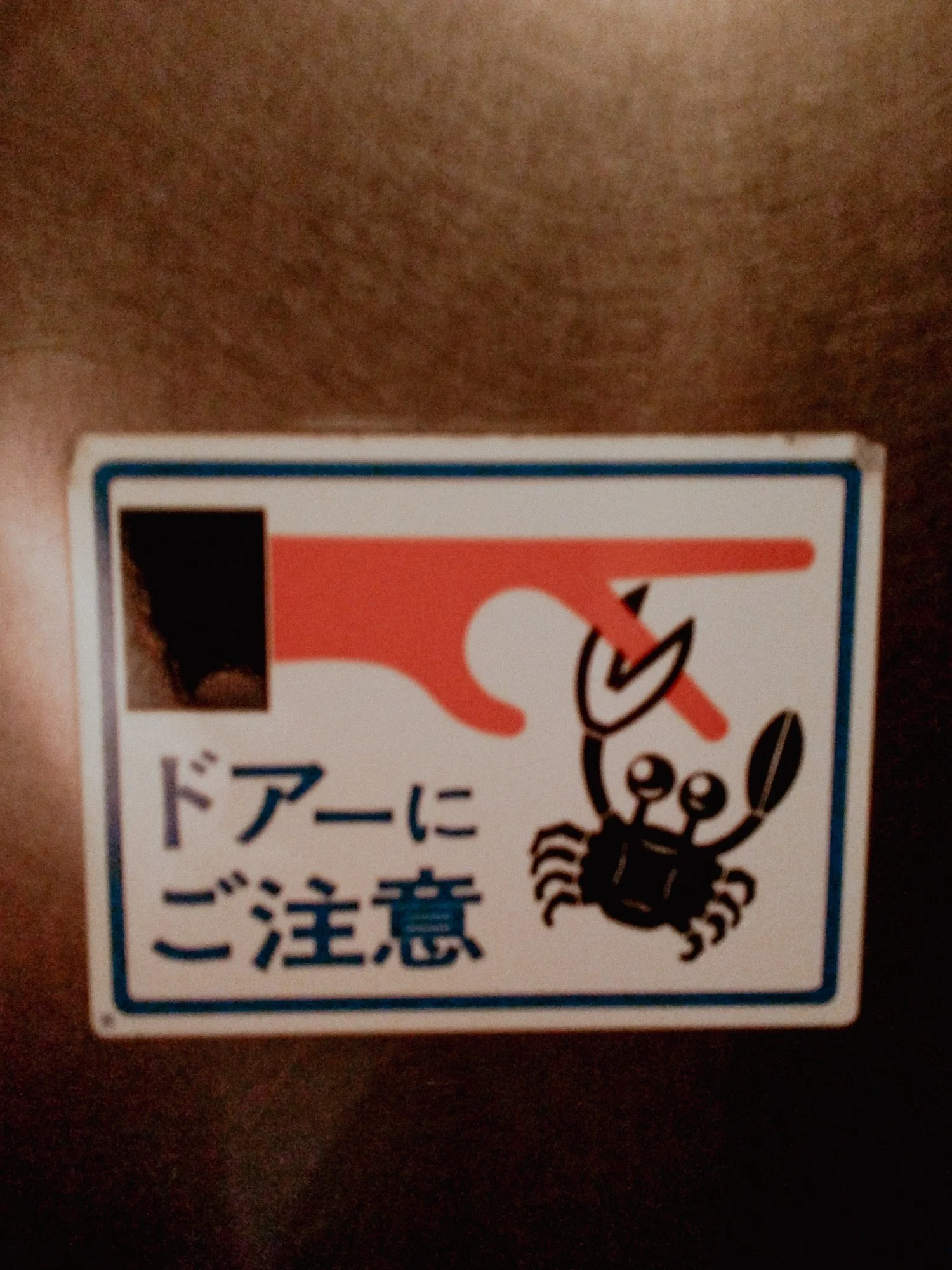
For creators and photographers especially, this is worth paying attention to. The Metro is essentially a curated gallery of contemporary Japanese graphic design, constantly refreshed and impossible to see anywhere else in the world in quite the same way.
A Flash of Light and Sound
I have to mention this one, even though— fair warning— it's not for the faint of heart.
Picture this: you're sitting quietly, watching the world pass by, maybe zoning out to the gentle rhythm of the train. And then BOOM!— an incoming train rockets past in the opposite direction, filling the window with a chaotic blur of light and color for less than a second, before vanishing completely back into silence.
Needless to say, I don’t have a photo of this. They were very unexpected, and honestly, not that common. I think I only experienced this on the route from Narita Airport to Tokyo, and maybe a couple other times. It probably only happens on longer routes where the train can really get up to speed.
Speaking of unexpected, I am not a fan of jump scares. But looking back? Those moments were kind of electric. There's something about that instant of shock dissolving into awe that sticks with you. It's the rail system reminding you, briefly and dramatically, just how fast things can move in this city.
On the Crowds (It's Not as Bad as You Think)
If you're planning a trip and dreading rush hour— fair. Peak times on the Tokyo Metro are genuinely packed, the kind of packed where personal space becomes a myth and the train honestly sounds like it might just derail. Those are the moments you just have to breathe through.
Across all of my visits to Tokyo, I only had to deal with this 2 or 3 times.
But they're the exception, not the rule. Outside of rush hour, I consistently found open seats and a comfortable amount of space. The experience normalized quickly into something calm and even pleasant.
And calm is the operative word. There's an unwritten etiquette on the Metro— voices stay low, phone calls don't happen, and the general energy is one of collective quiet. You might catch a soft conversation nearby, or someone lost in a mobile game, but the train itself is a remarkably peaceful space. For anyone who finds transit exhausting, Tokyo's Metro is a surprisingly restorative exception.
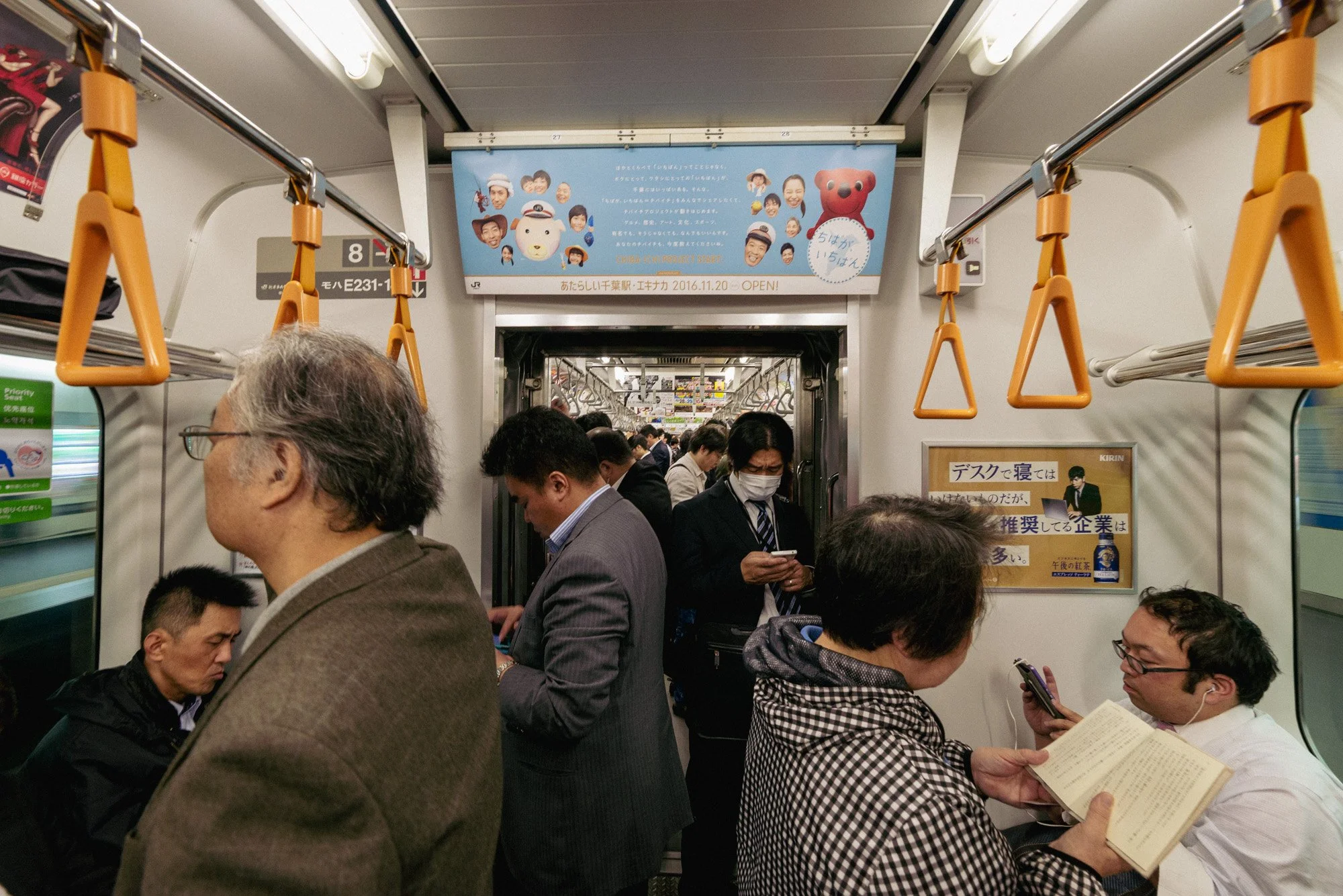
For me, this was about as crowded as the trains got. Again, rush hour is the exception, but as a tourist, I never really found myself commuting during those times.
What I Didn't Expect to Find in My Camera Roll
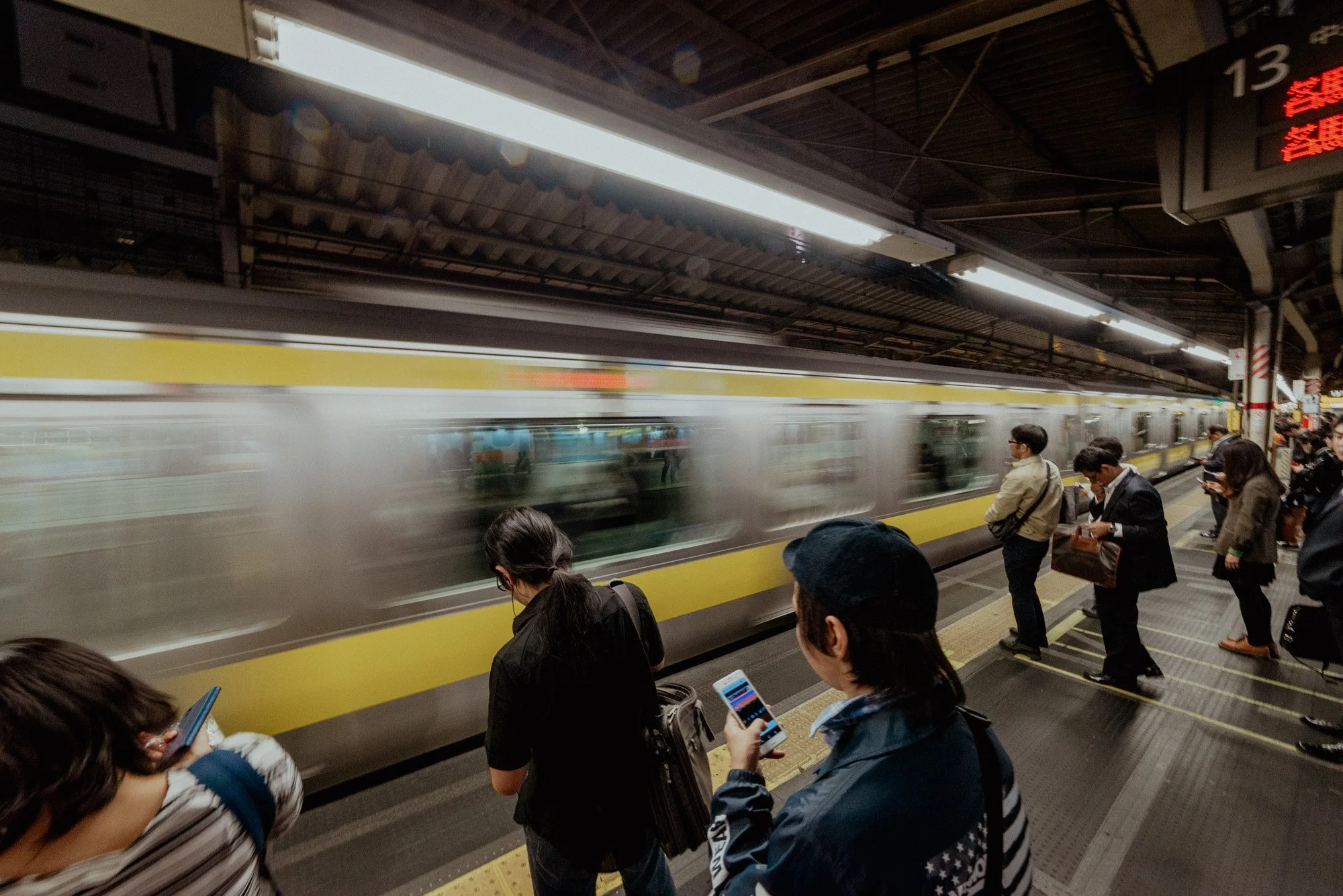
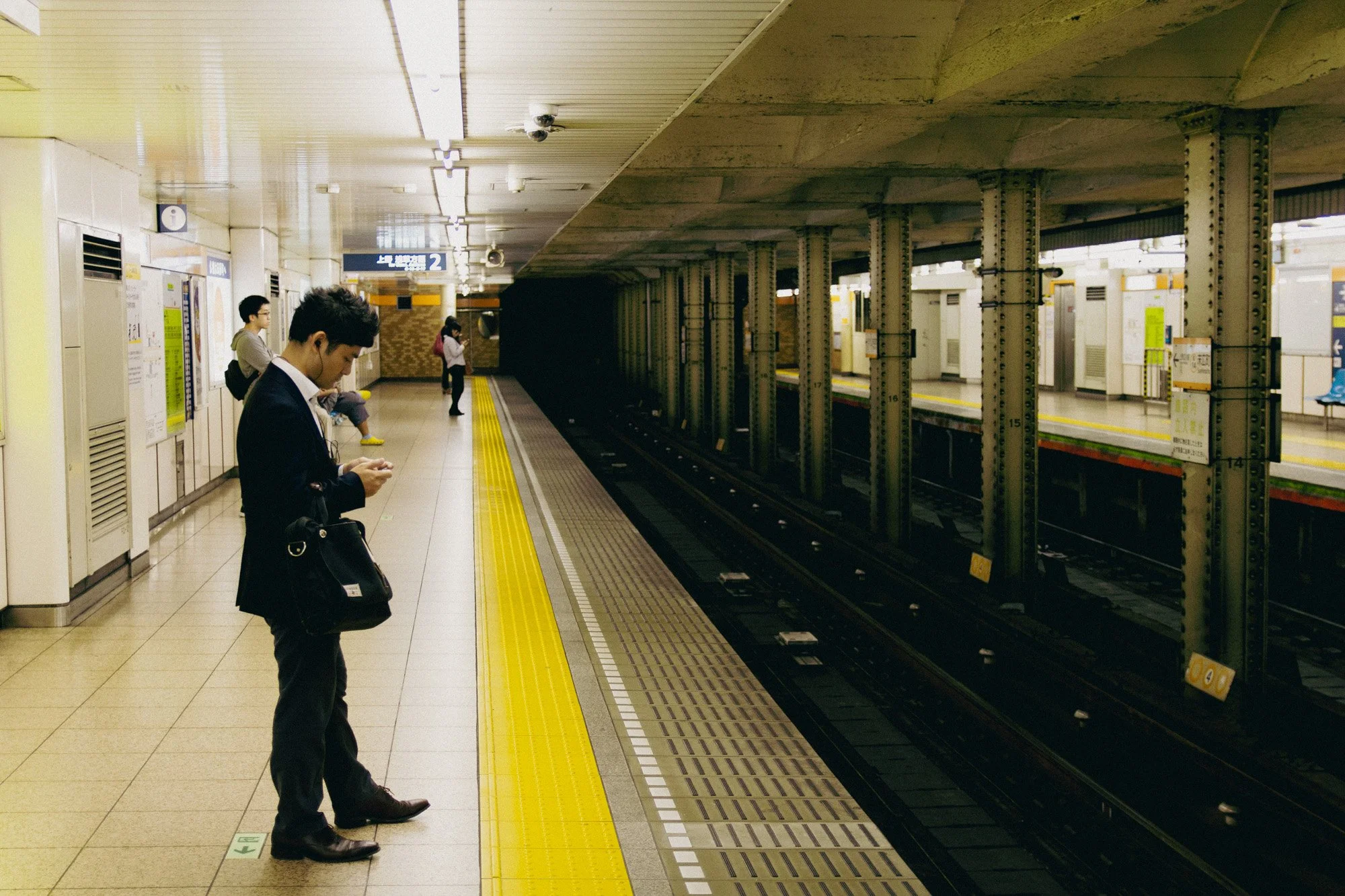
When I got home from those trips and started combing through my photos, I noticed something: a disproportionate number of them were from the Metro. Stations, platforms, windows, signs, that fleeting skyline shot— all captured without any conscious plan to document the rail system specifically. It had just sort of happened, the way meaningful things do when you're not paying attention.
That, to me, is the most telling sign that something has real value.
The Metro wasn't a destination I'd circled in a guidebook, but to my surprise, it ended up being the connective tissue between all the experiences I had planned for. And somehow, across all of that back and forth, it became a collective experience, and one I remember most vividly from my trips.
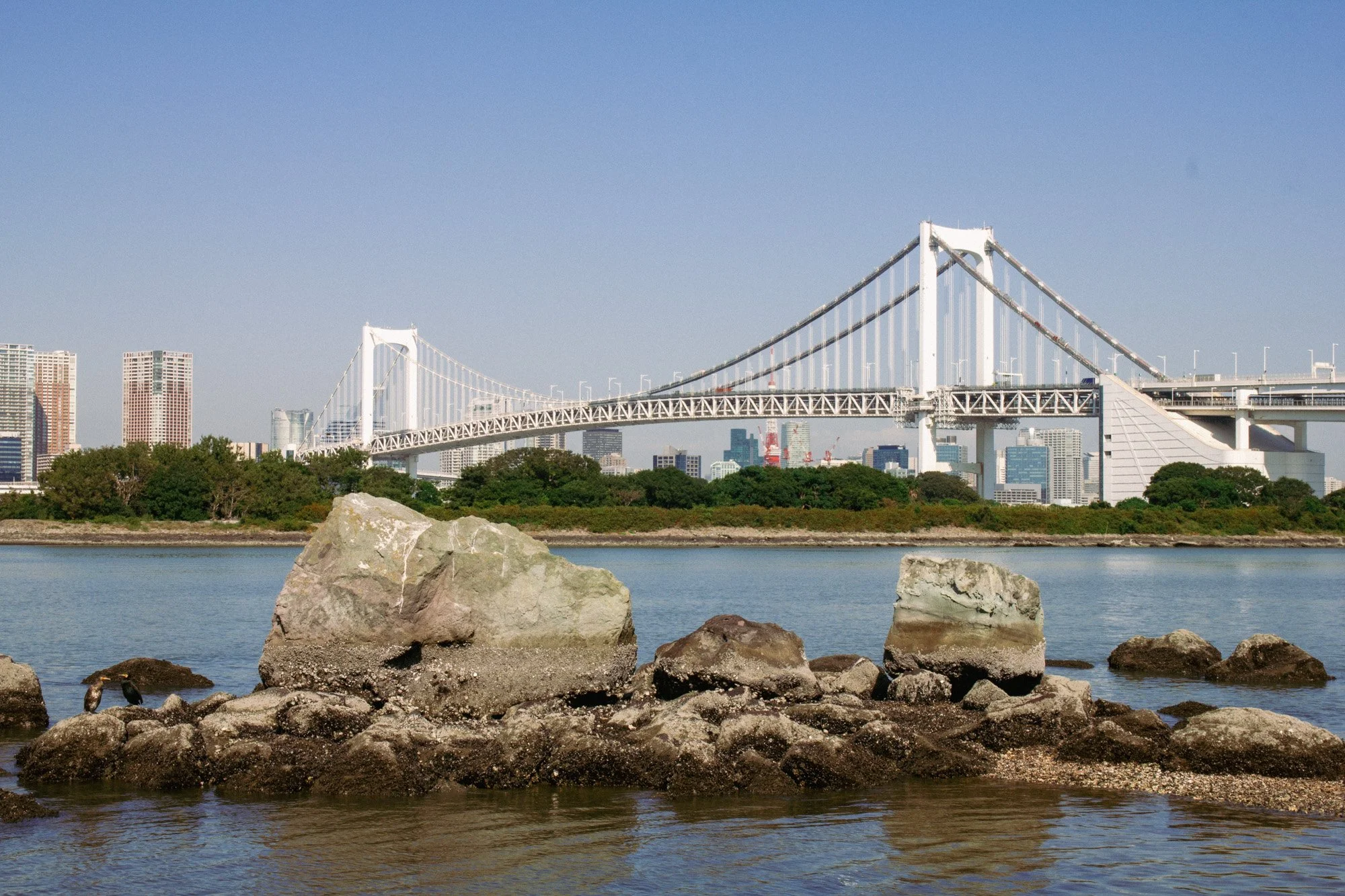
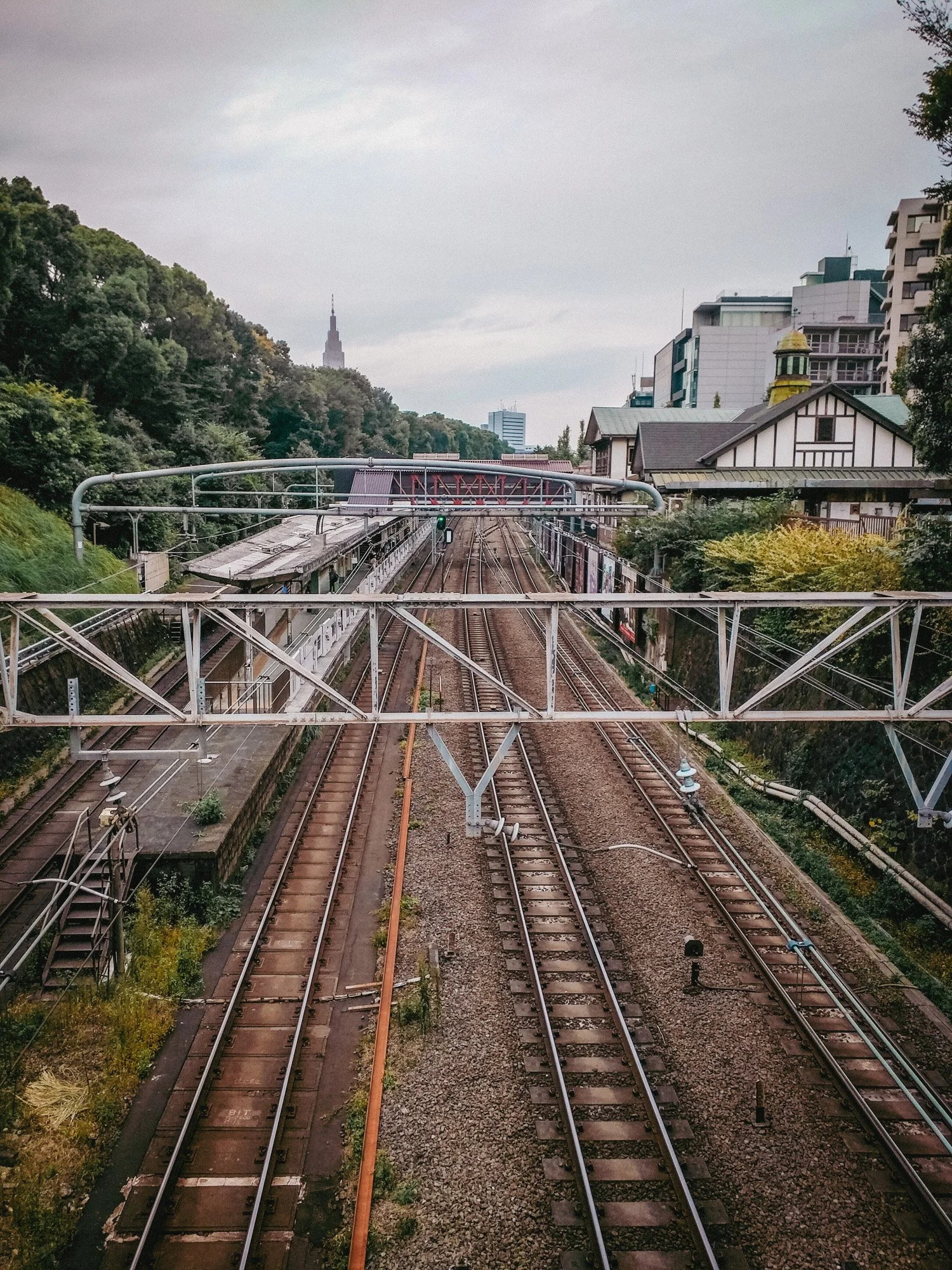
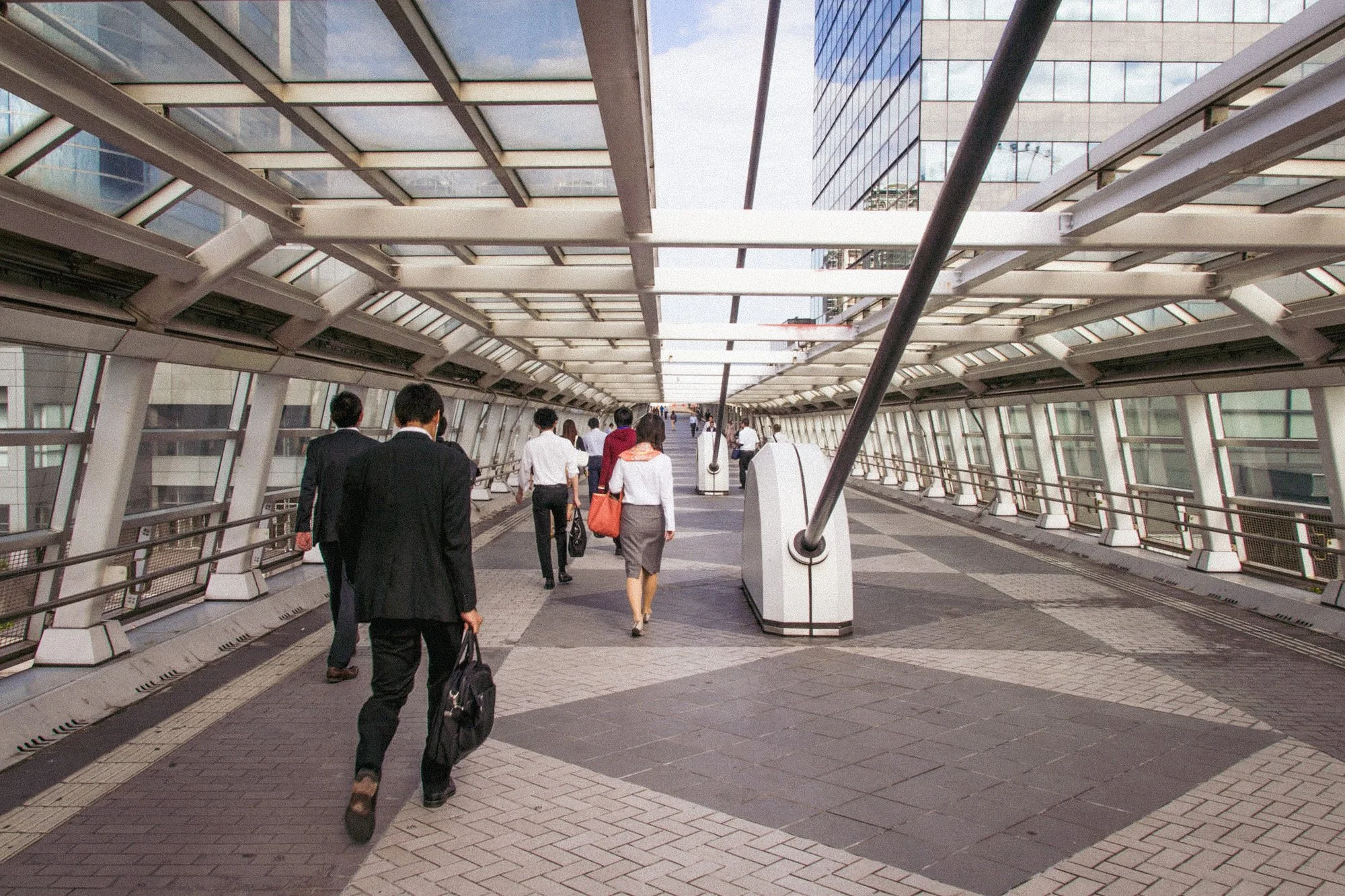
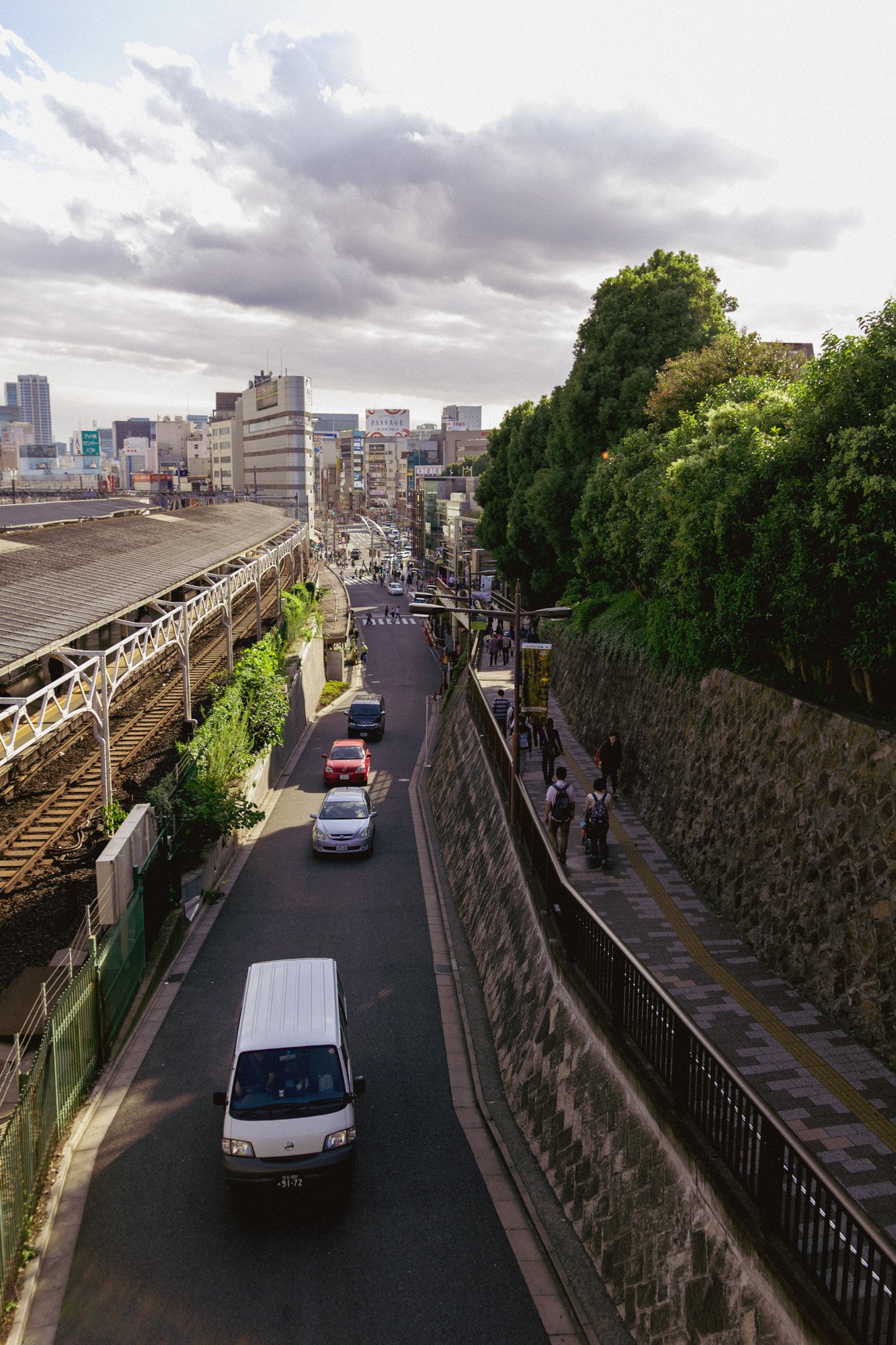
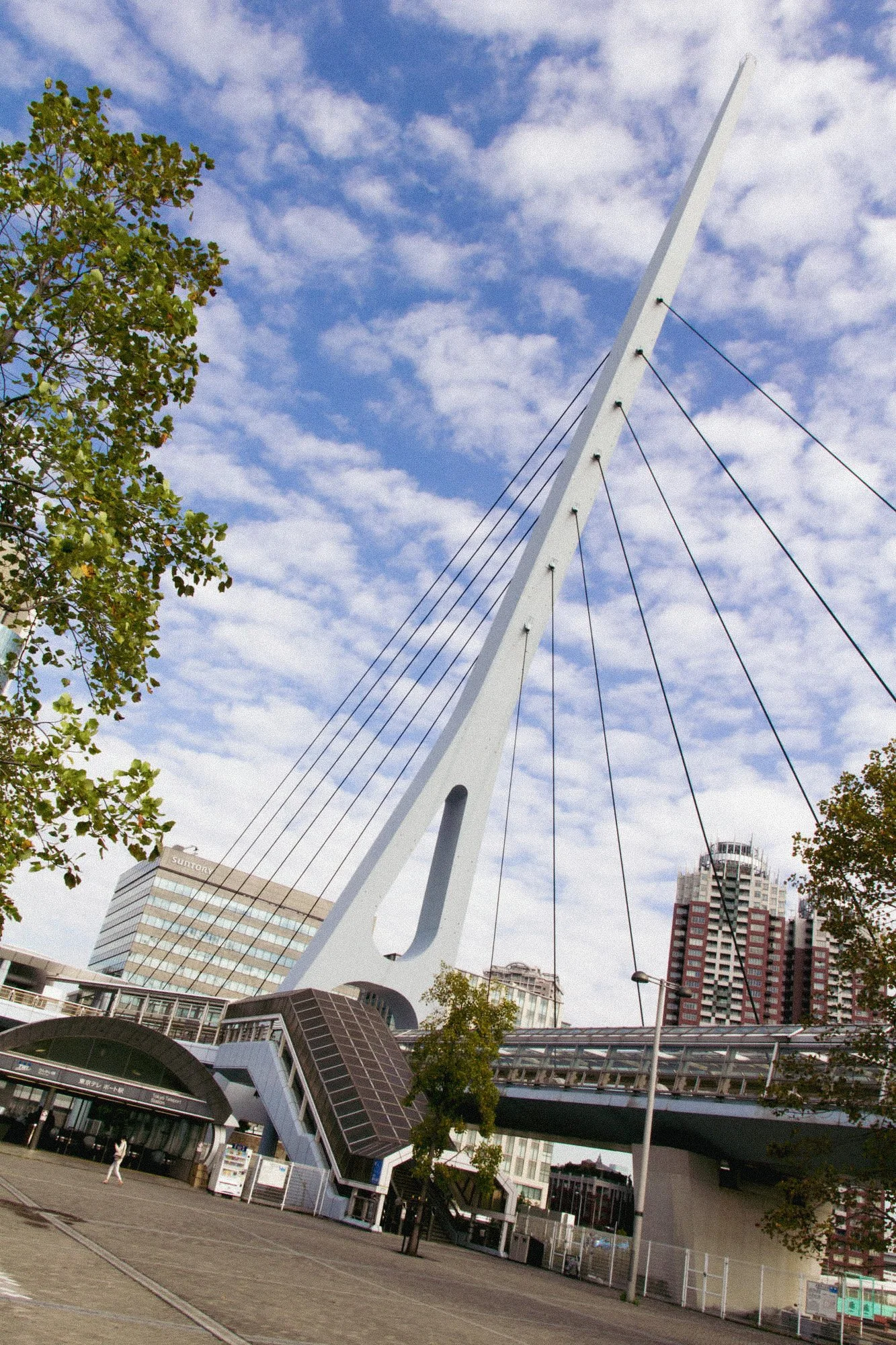
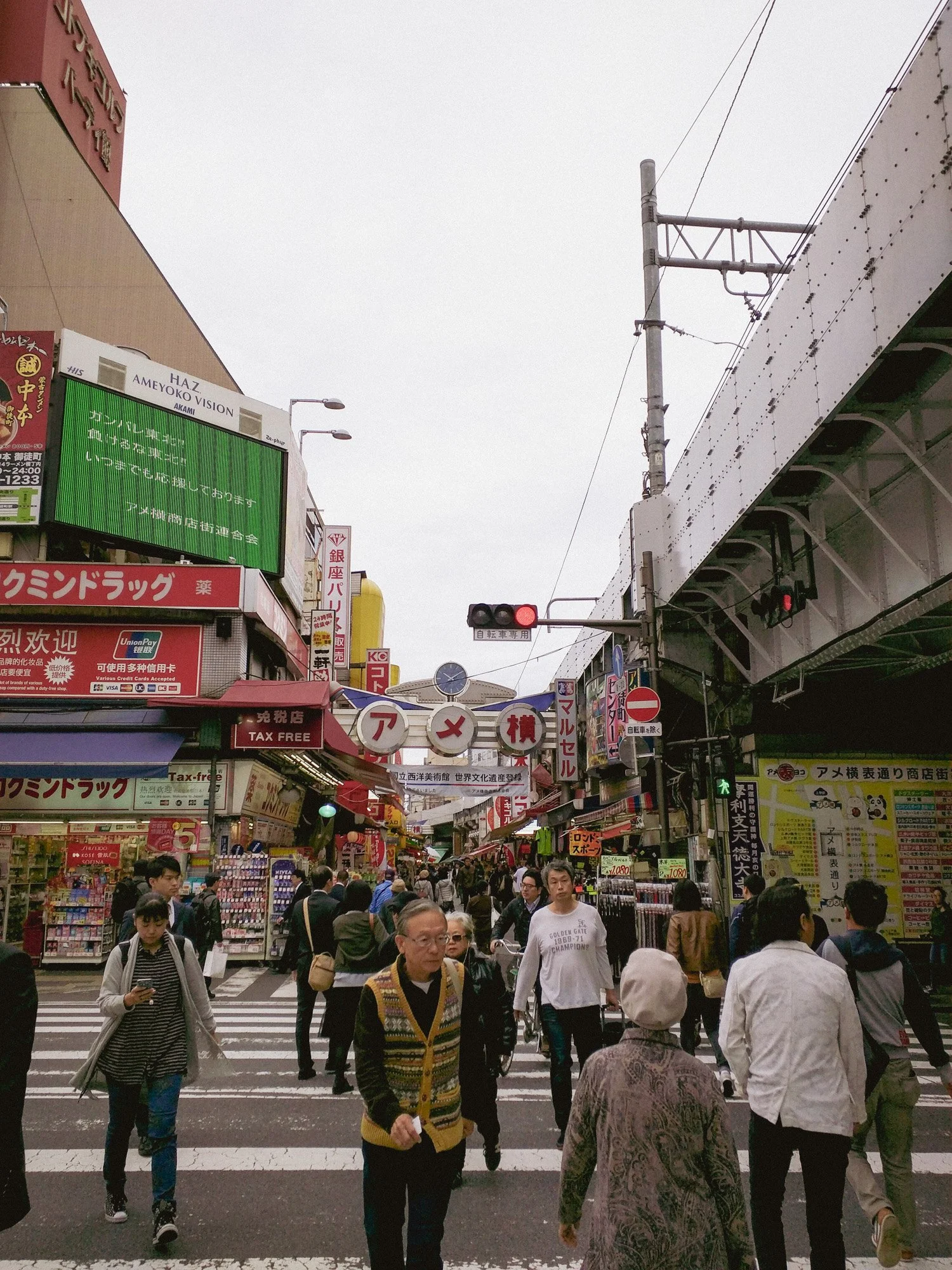
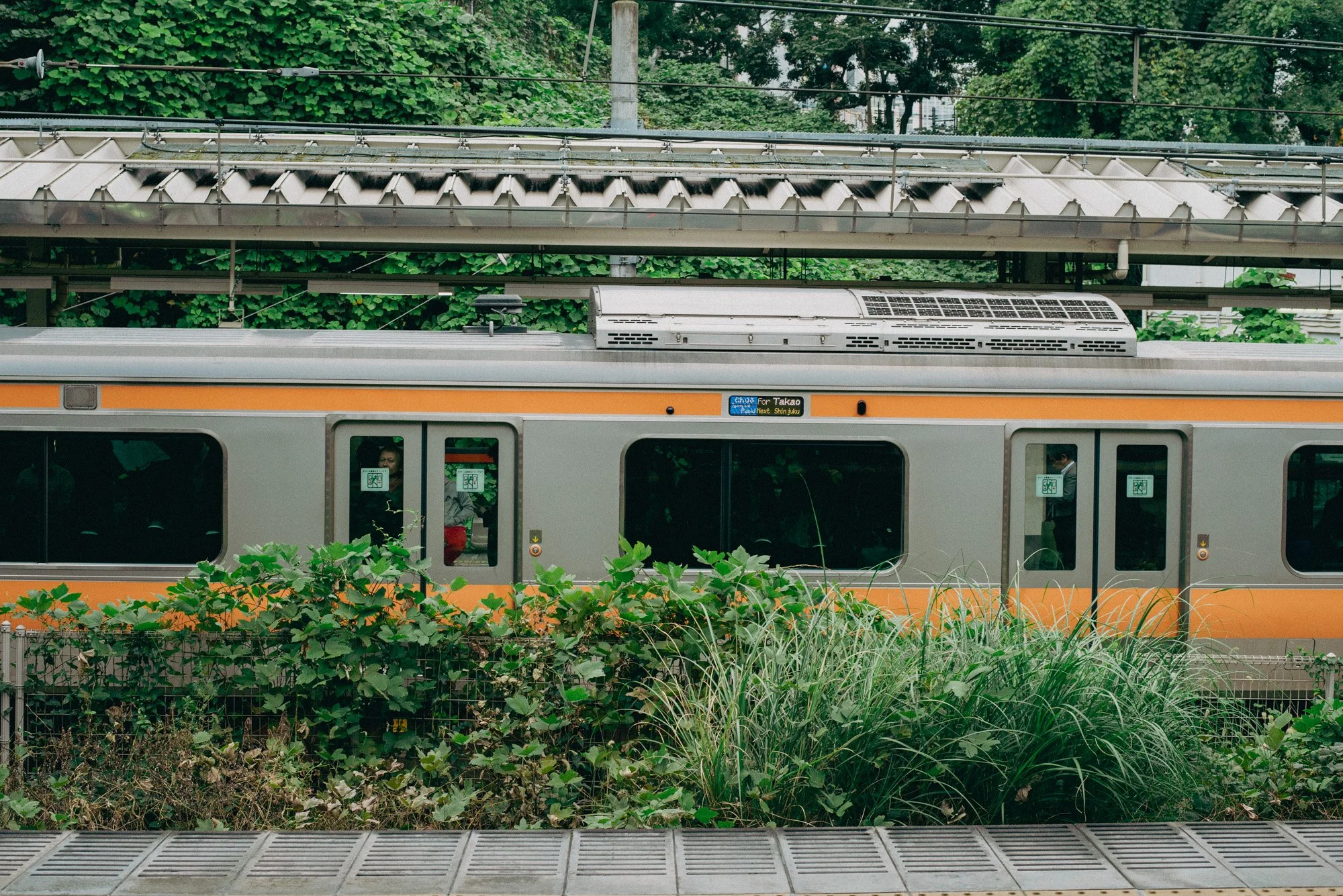
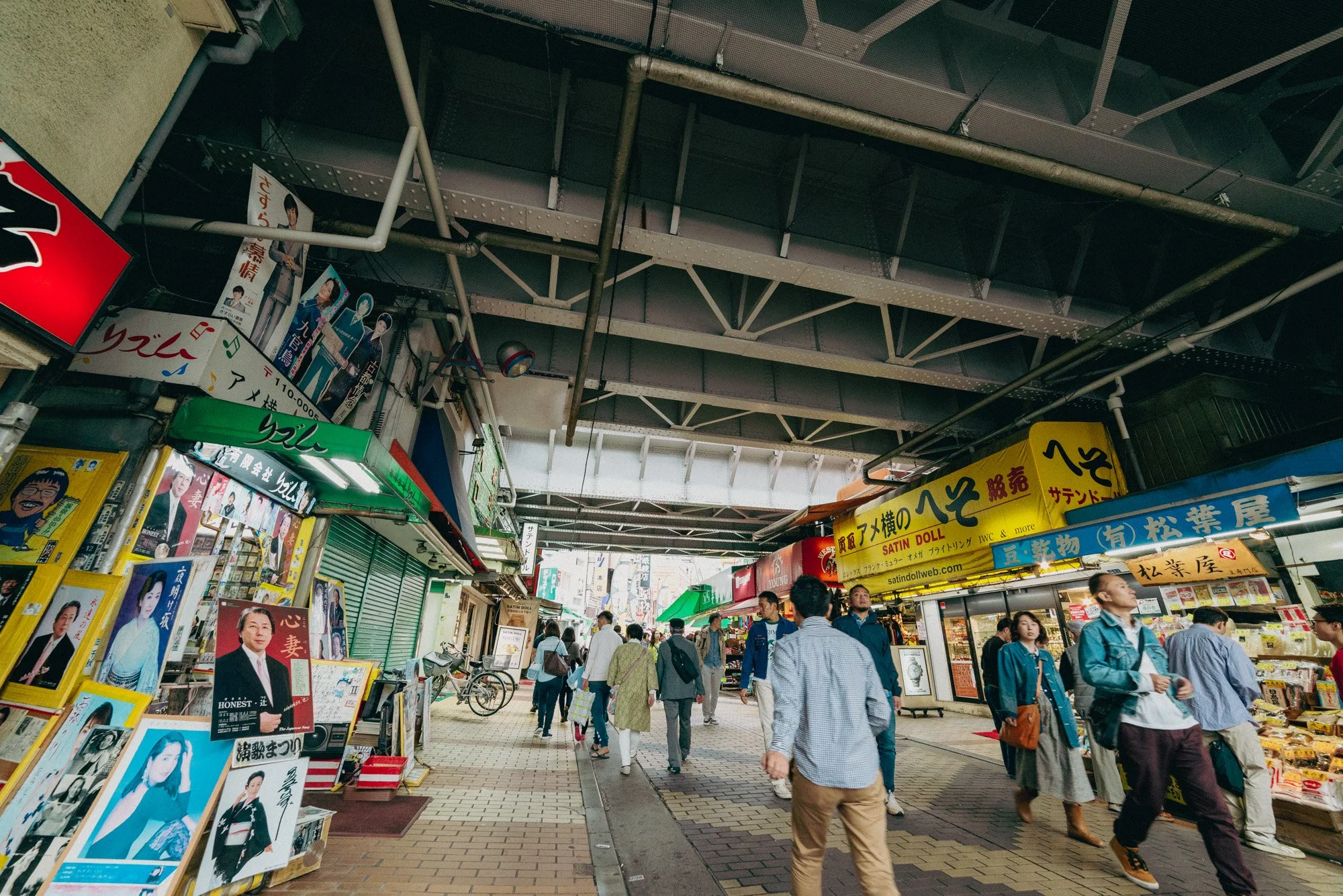
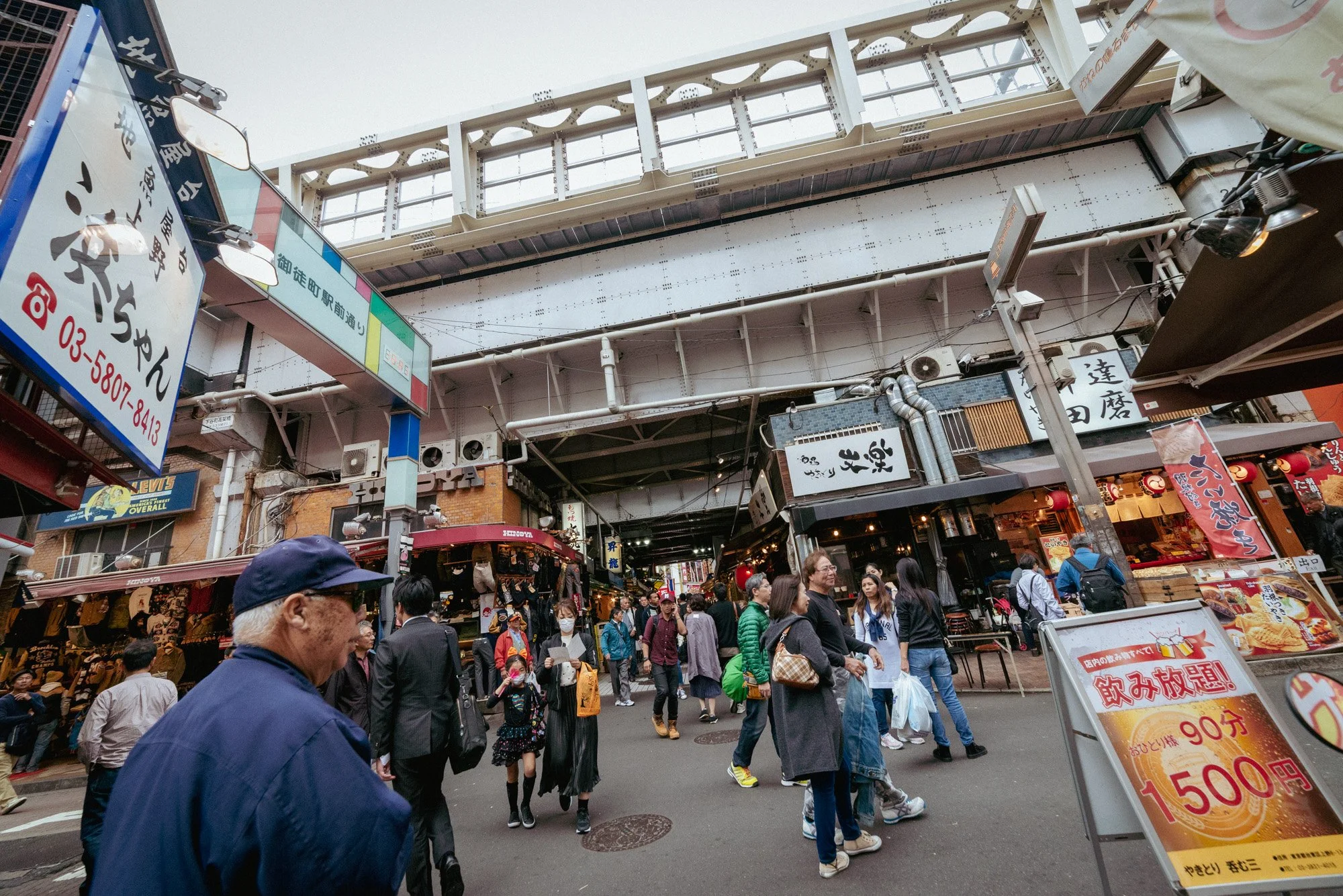
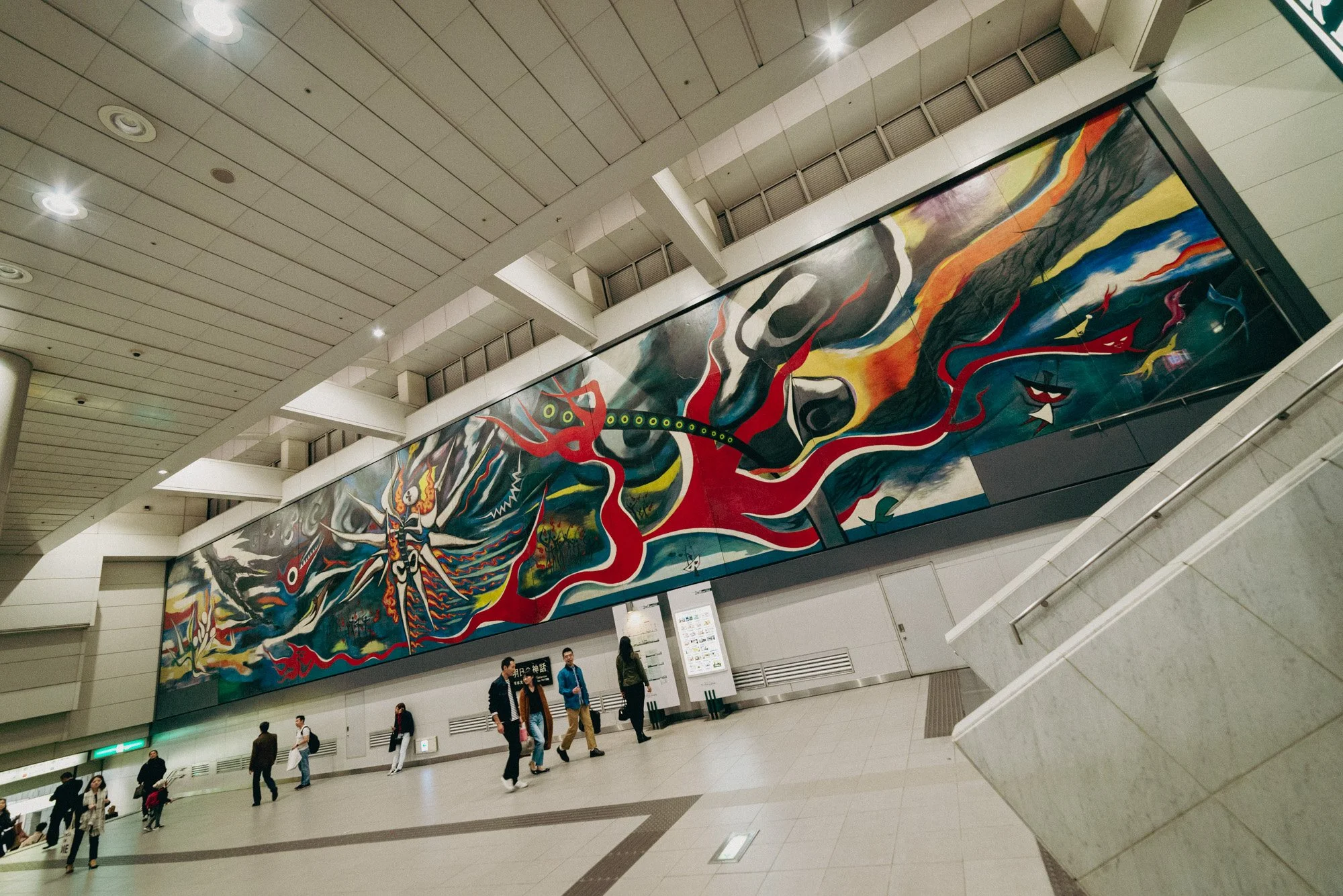
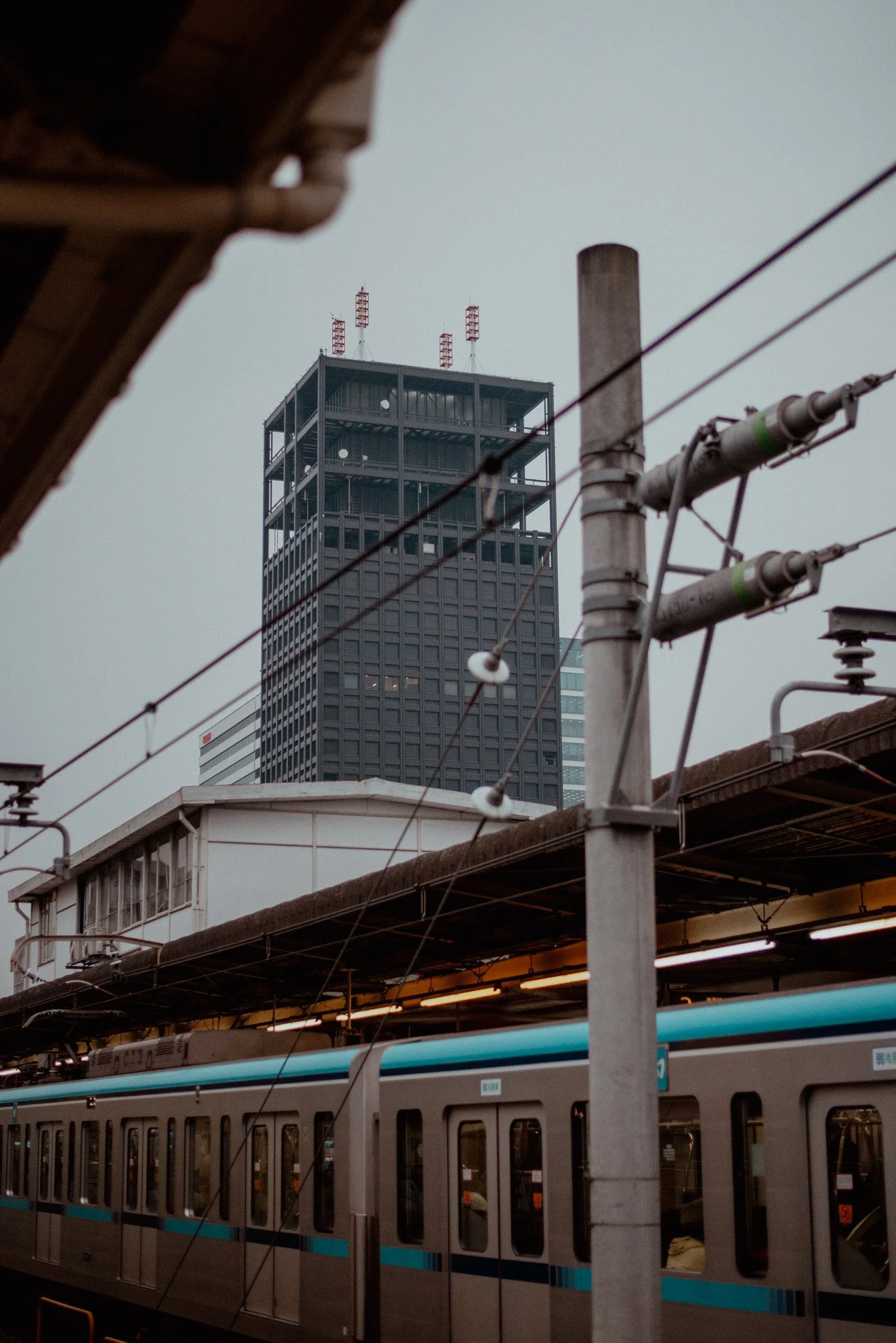
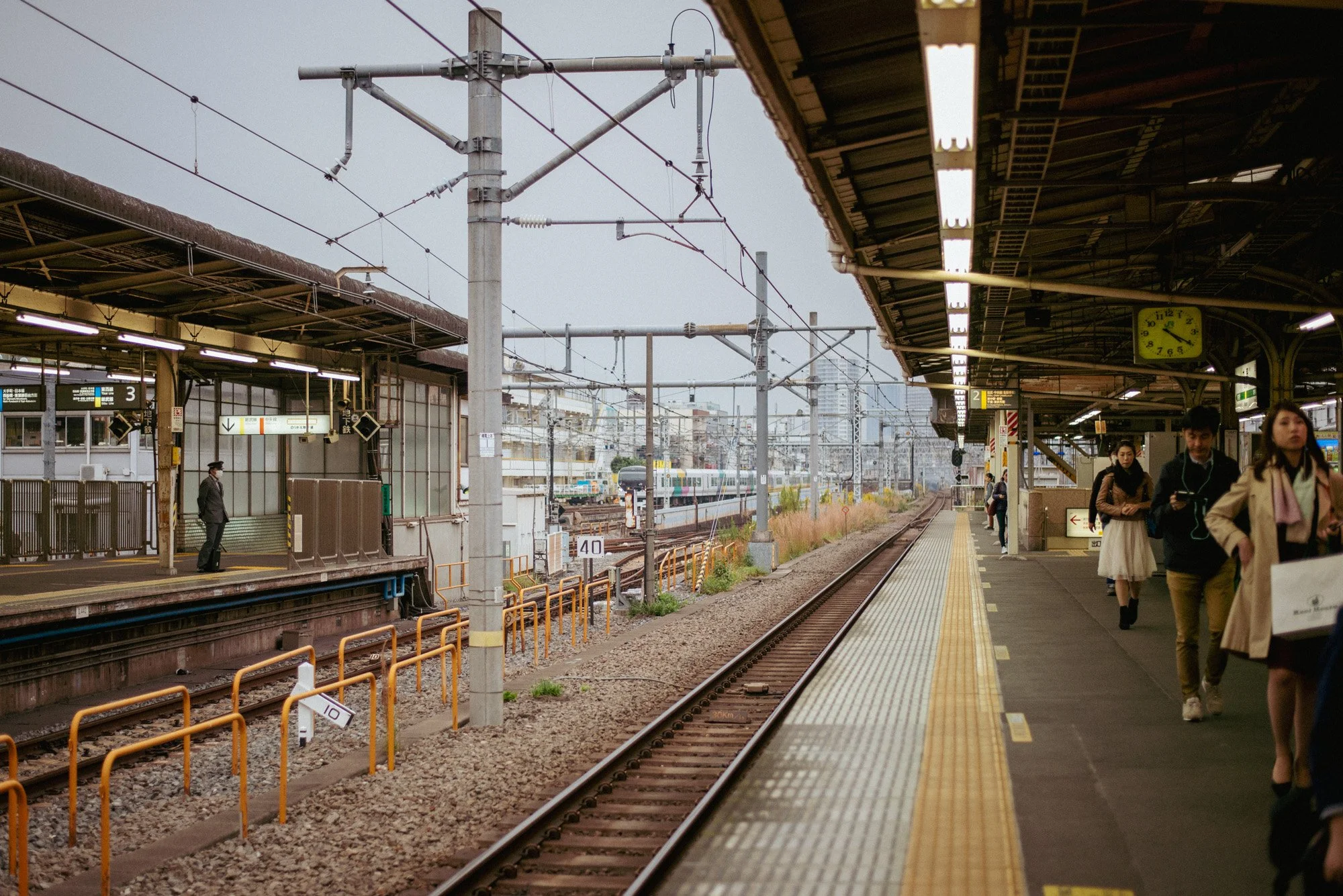
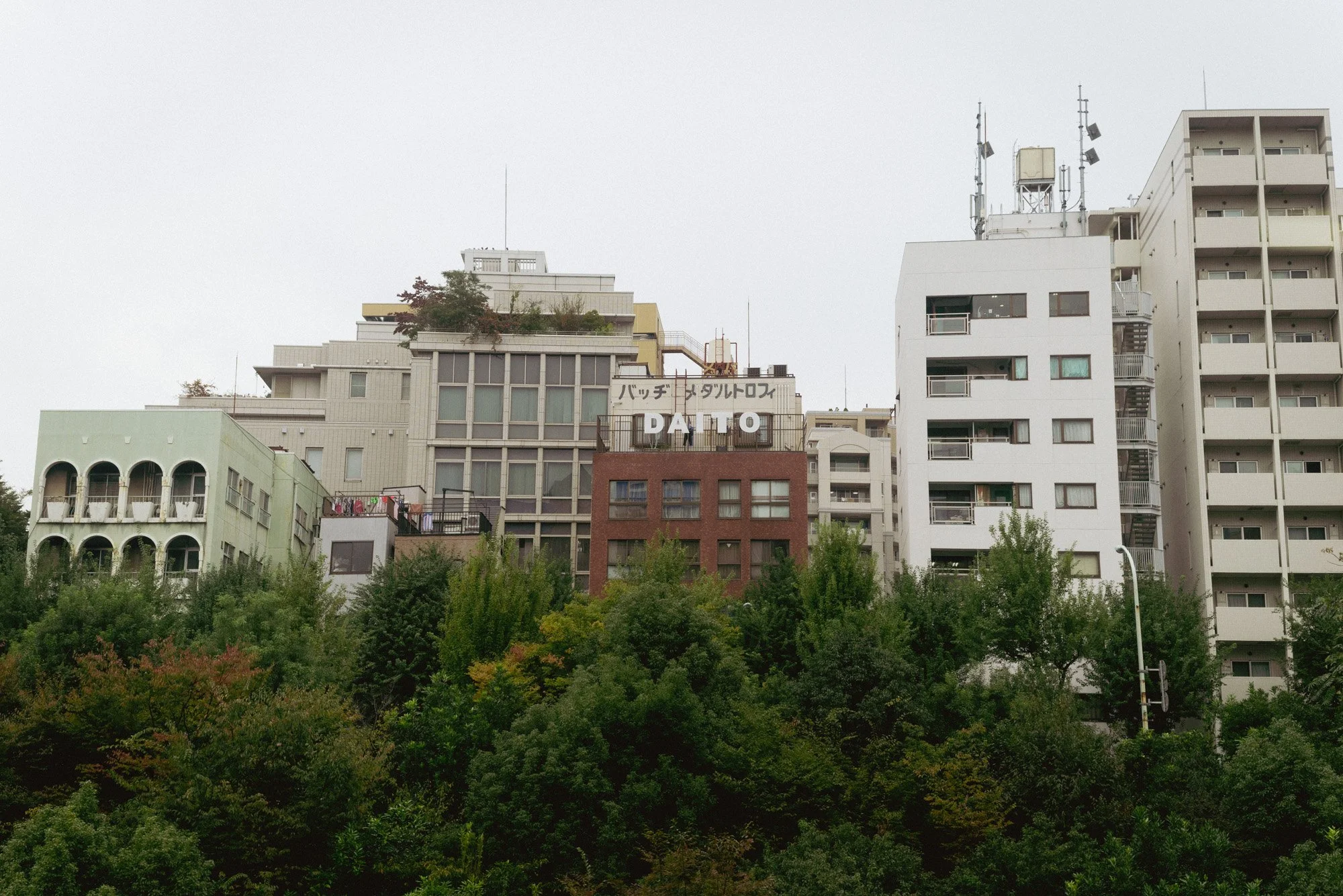
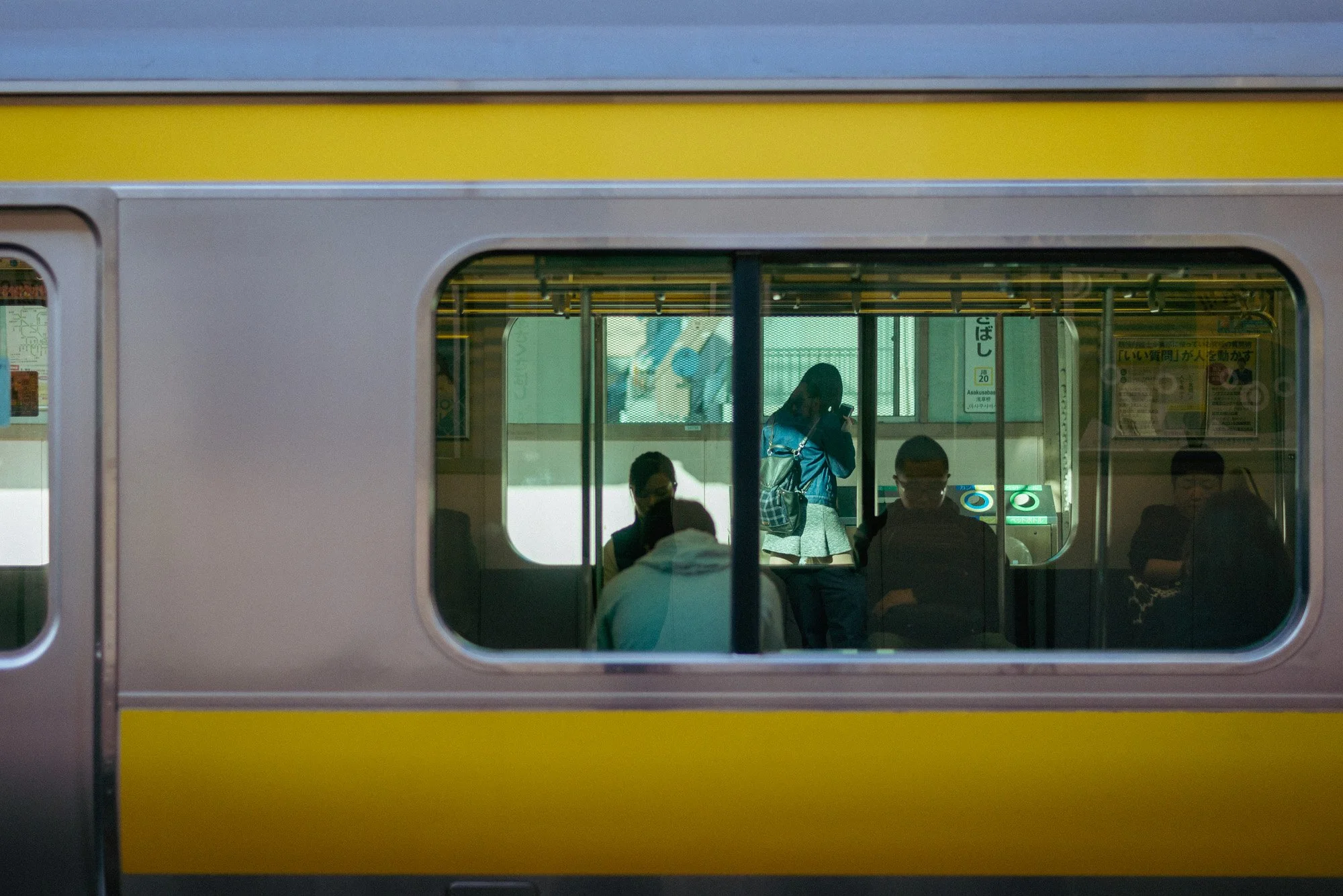
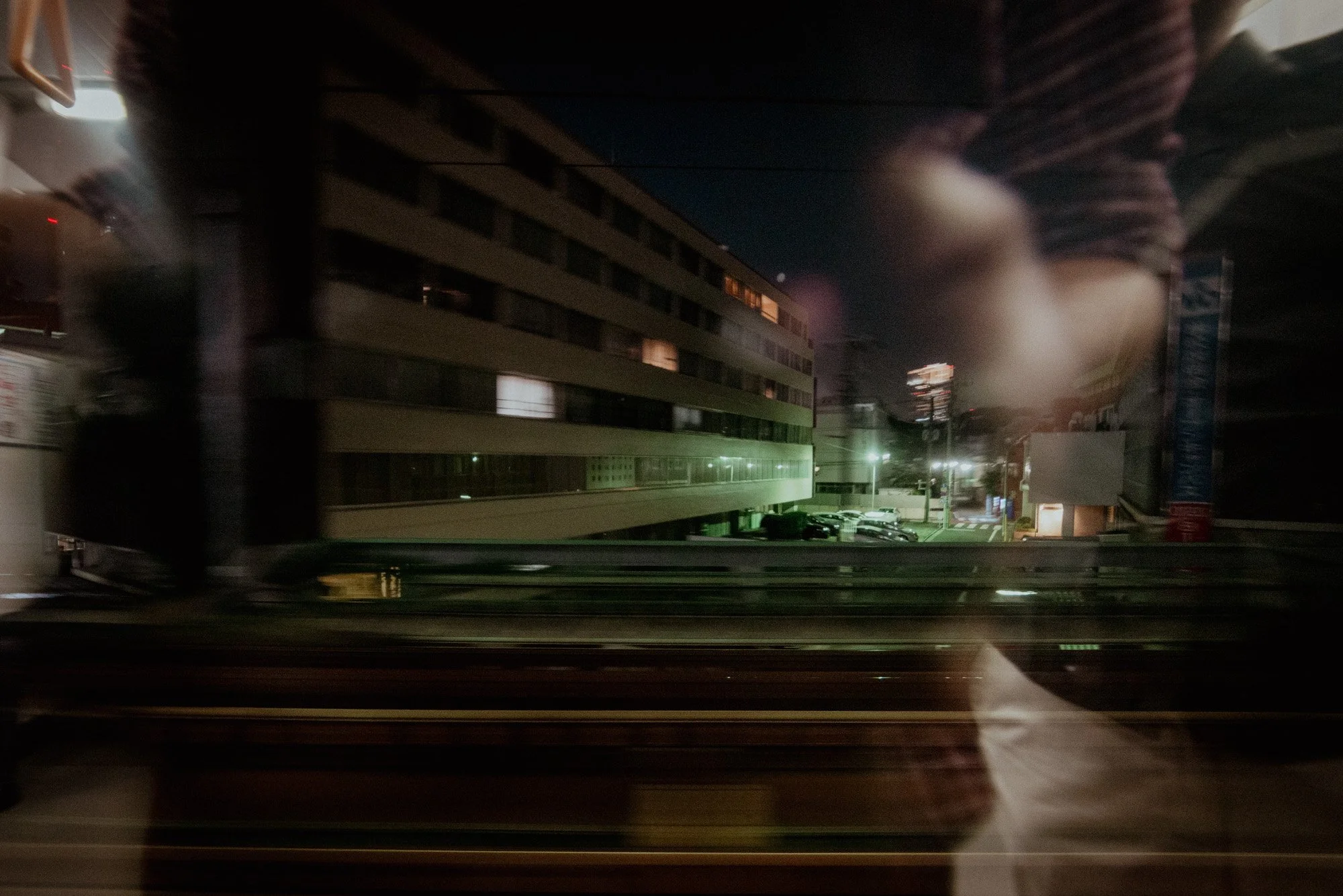
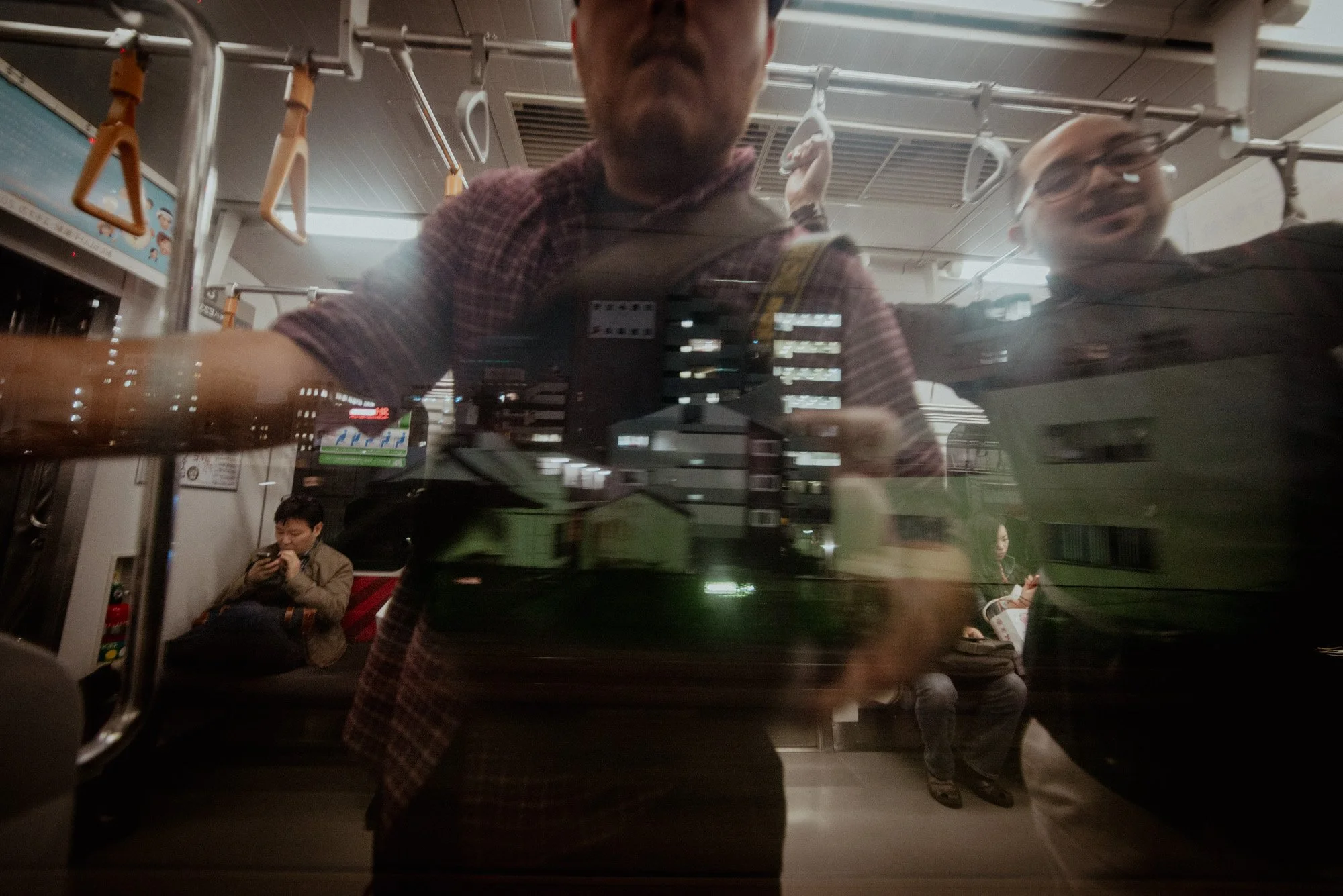
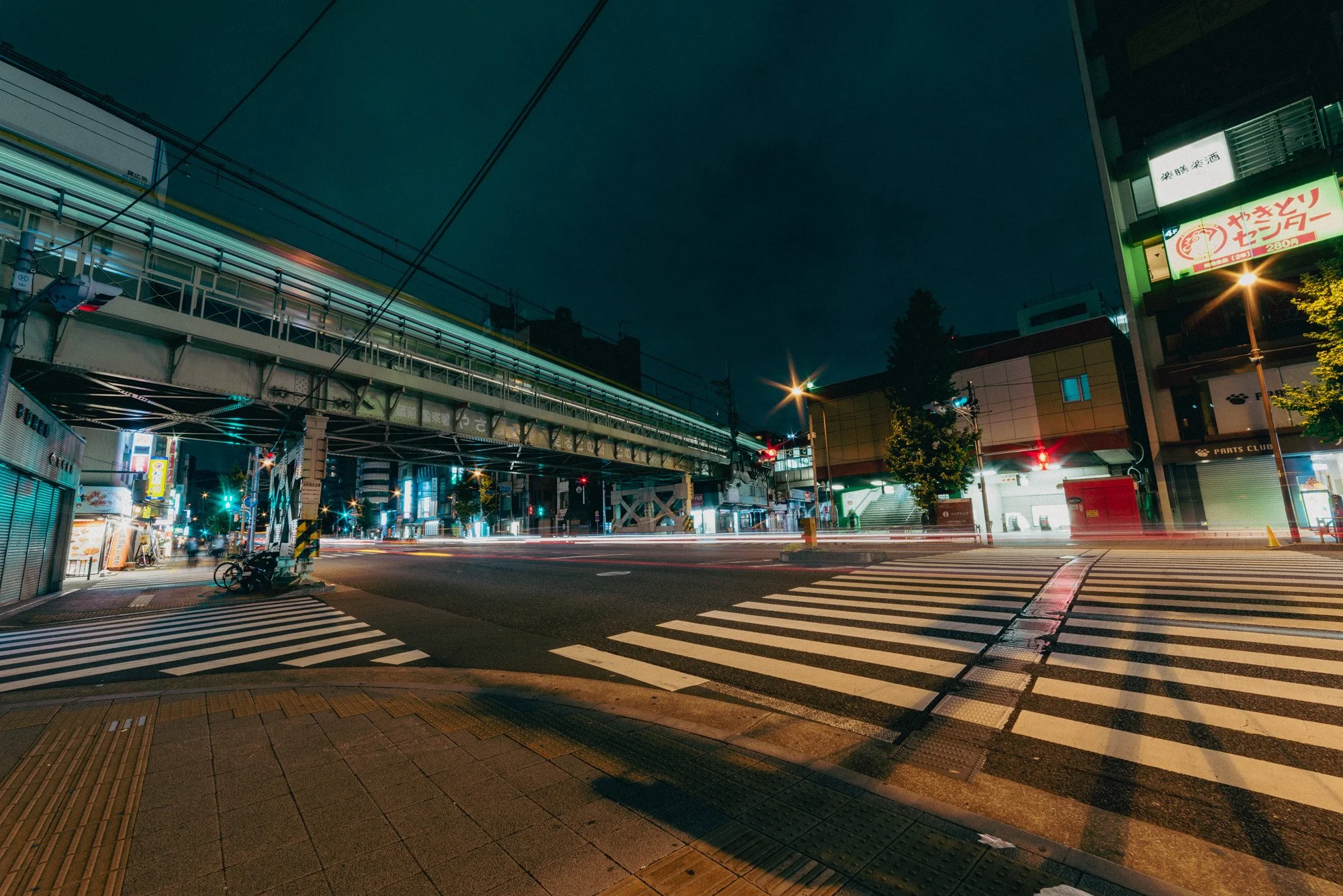
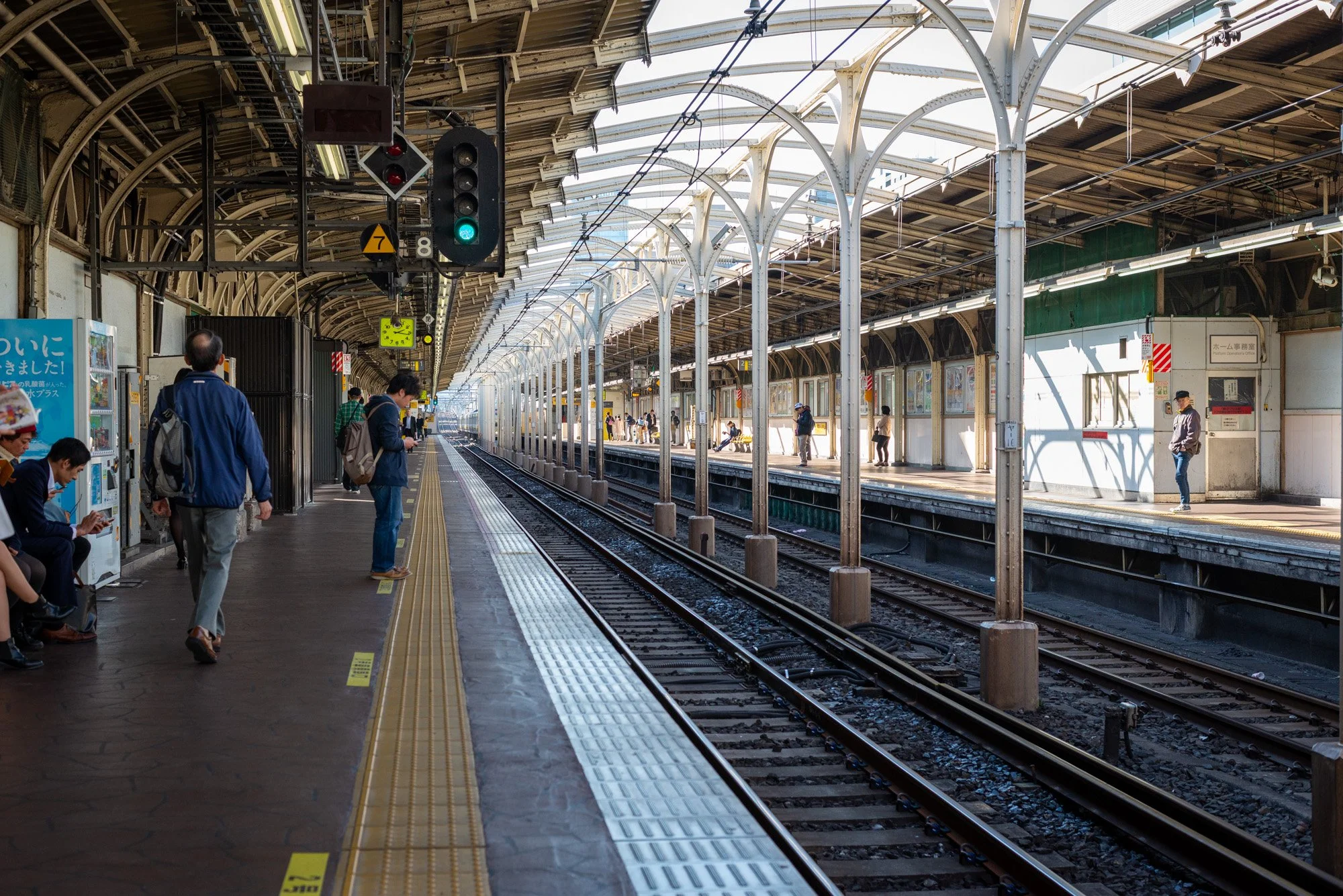
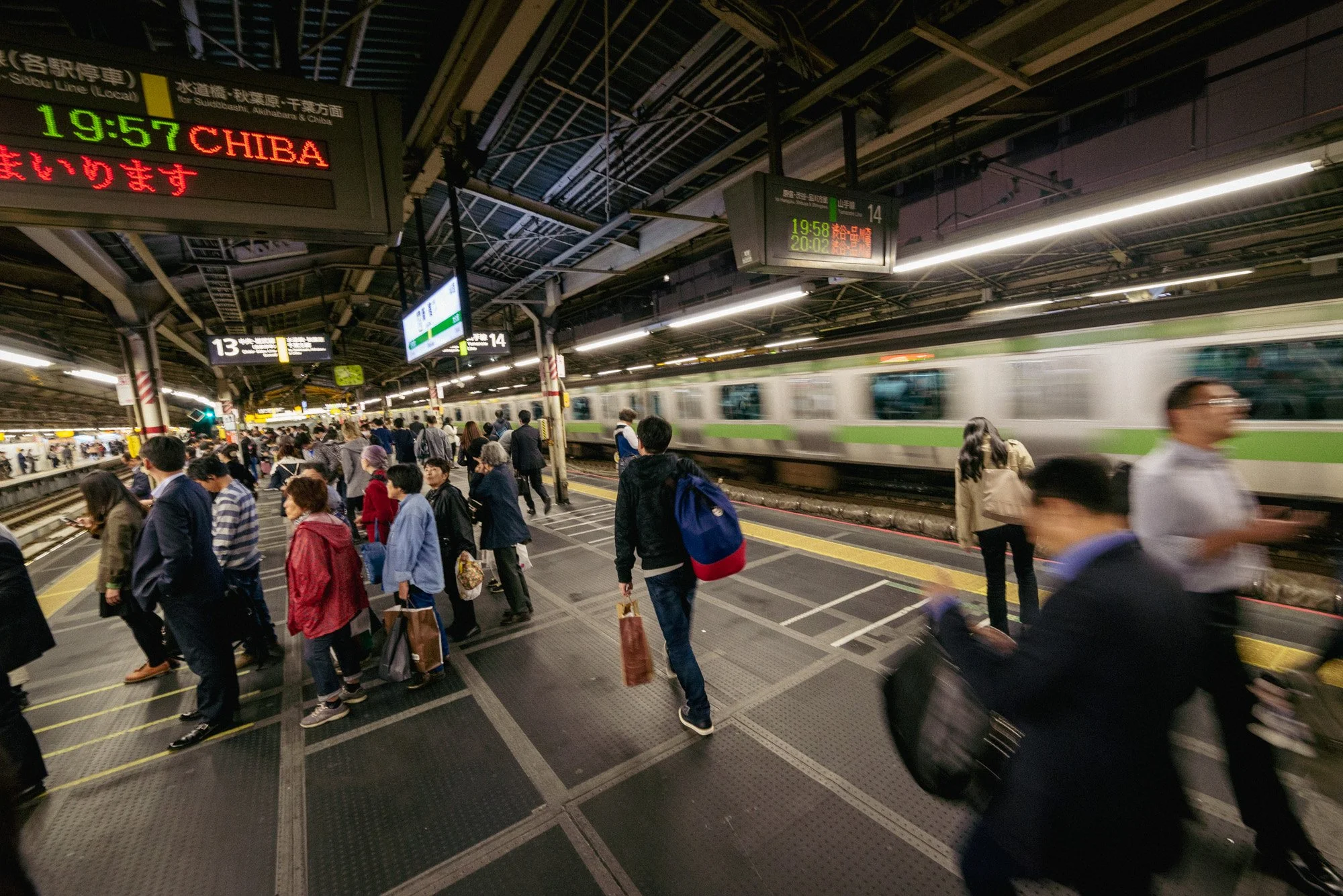
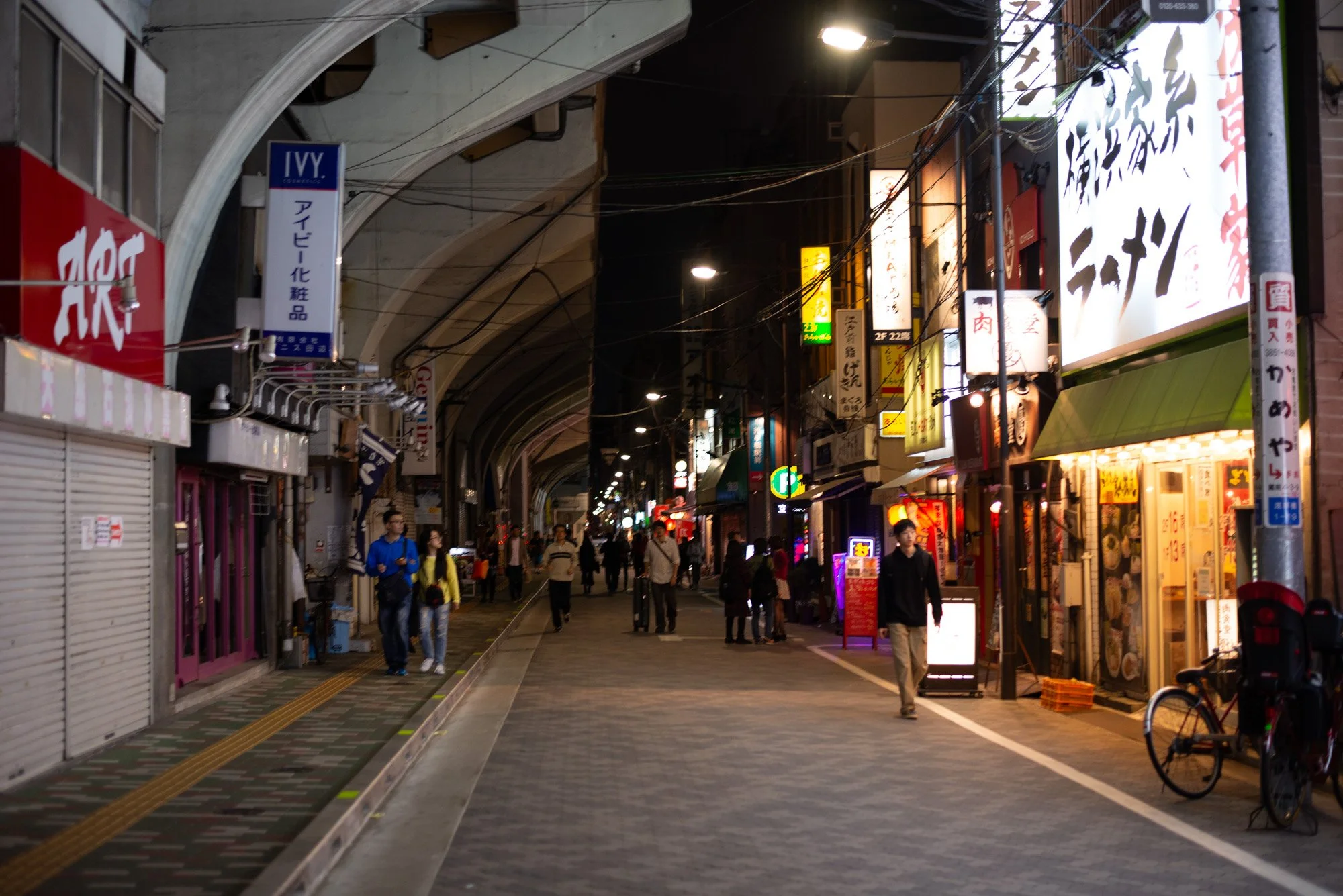
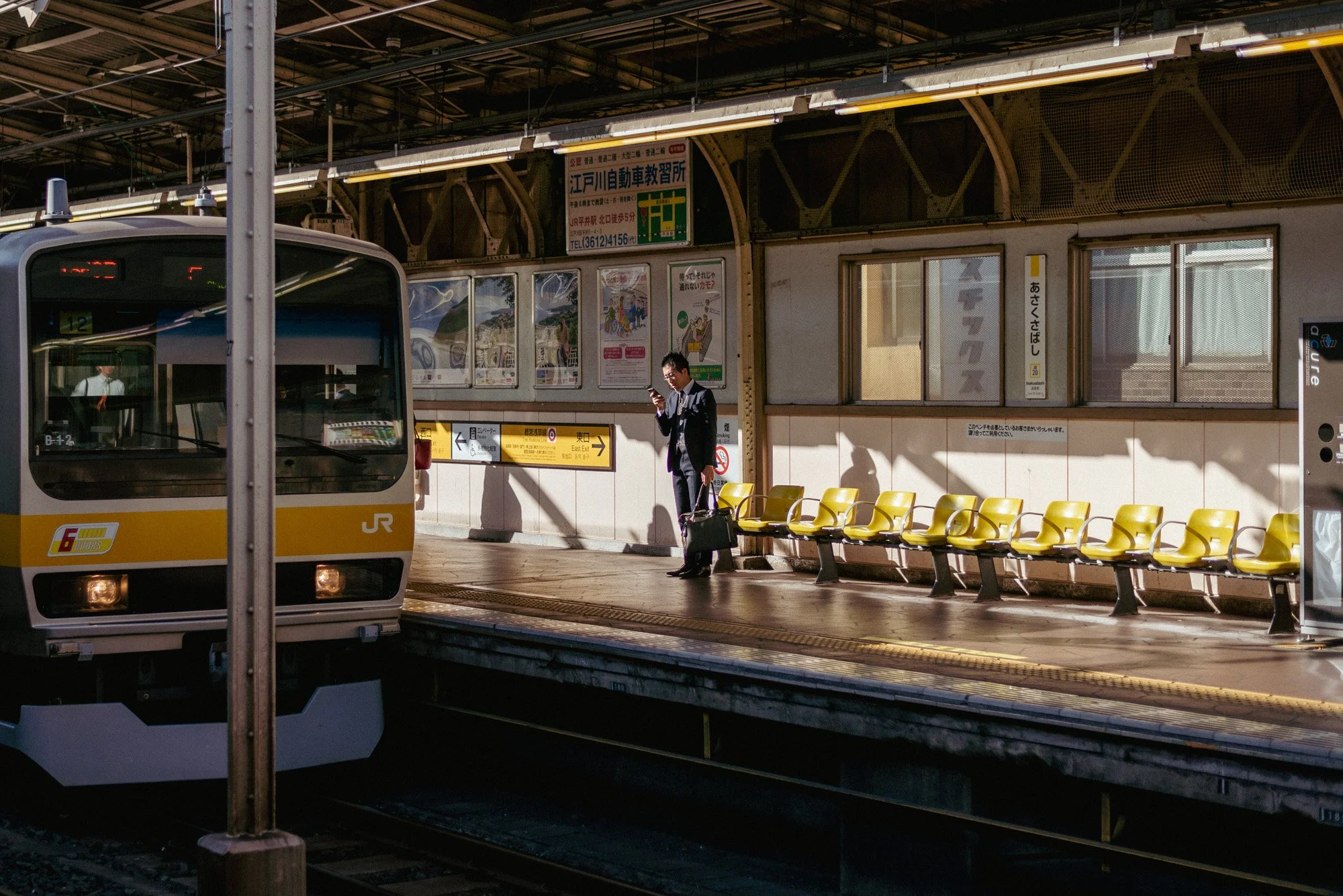
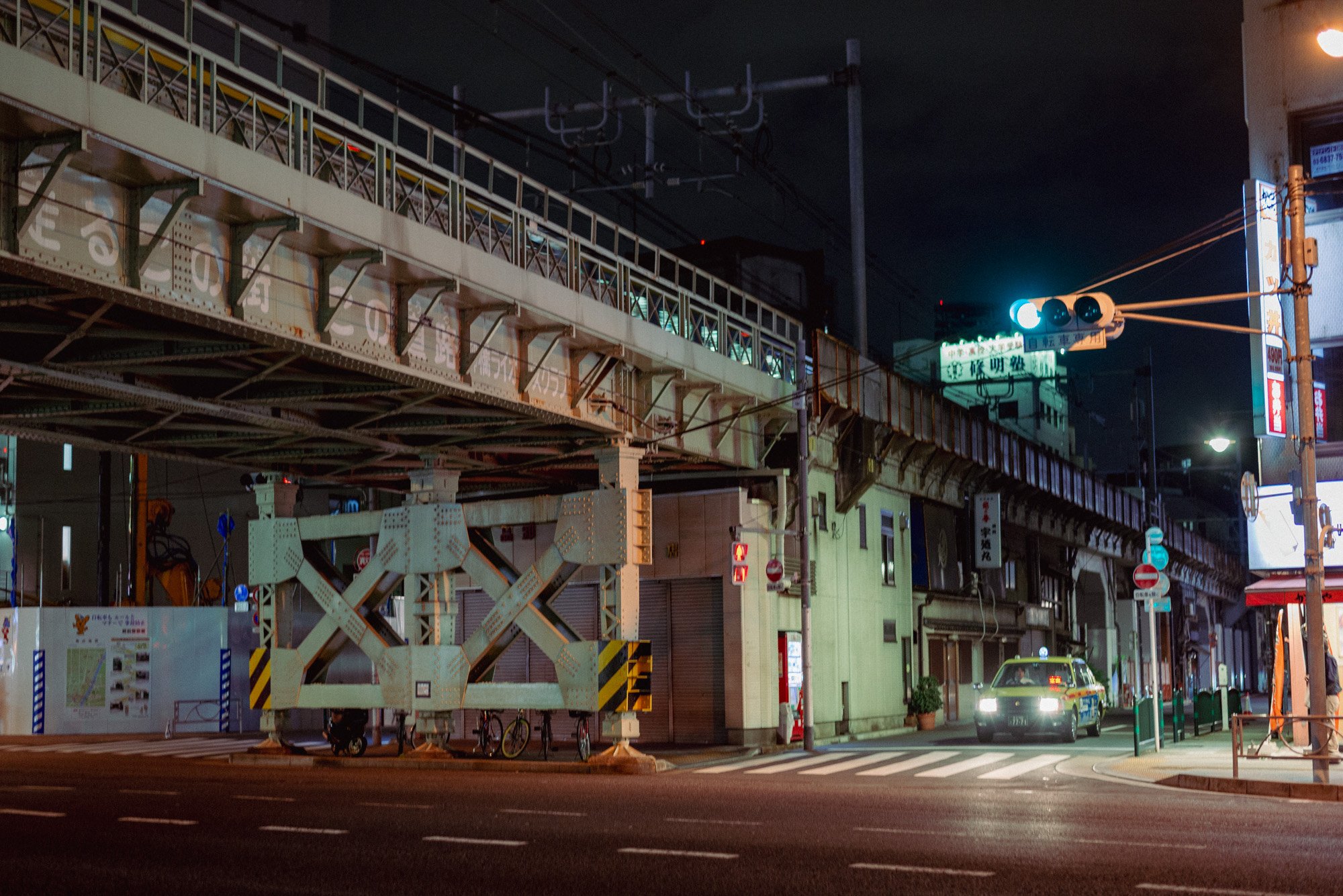
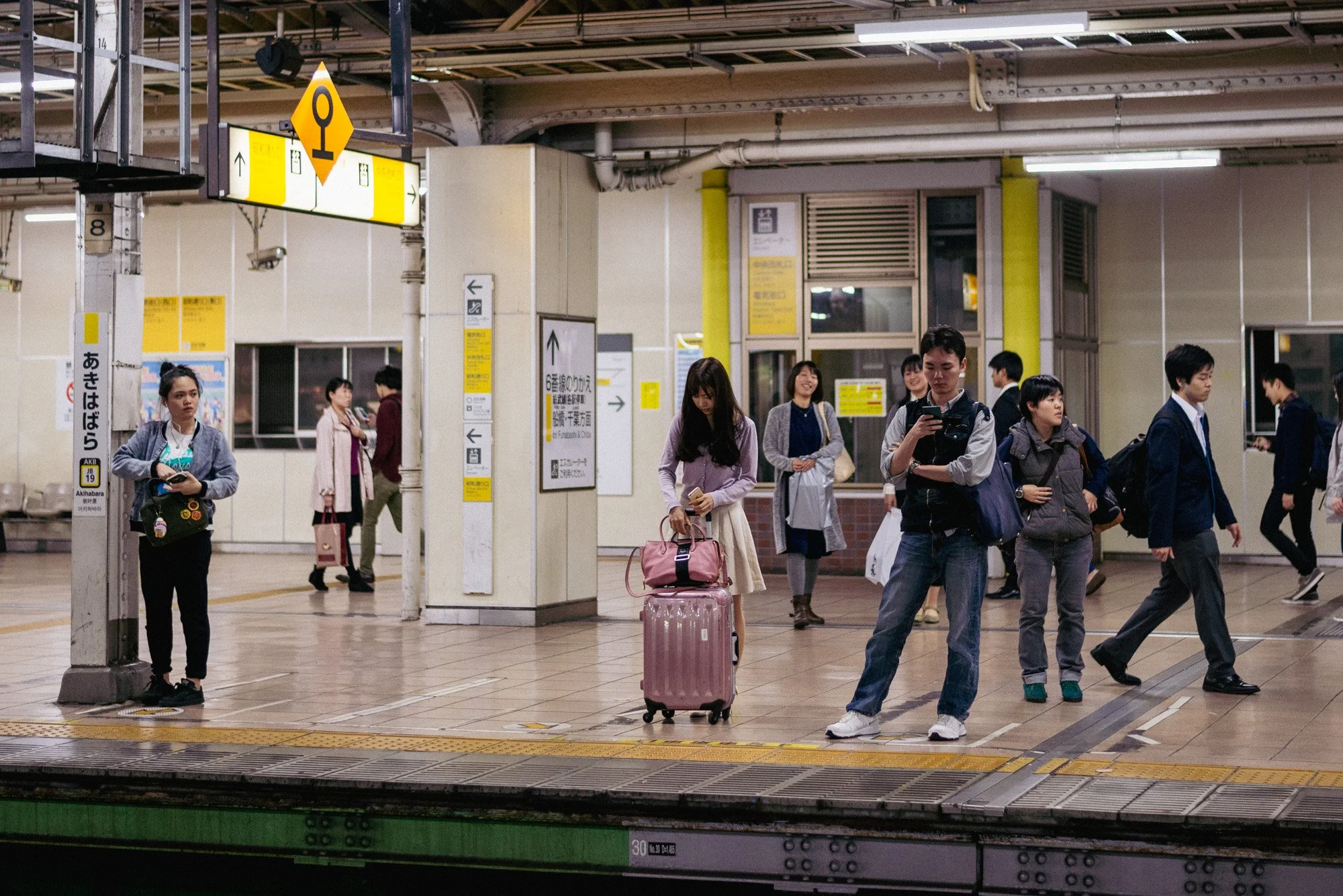
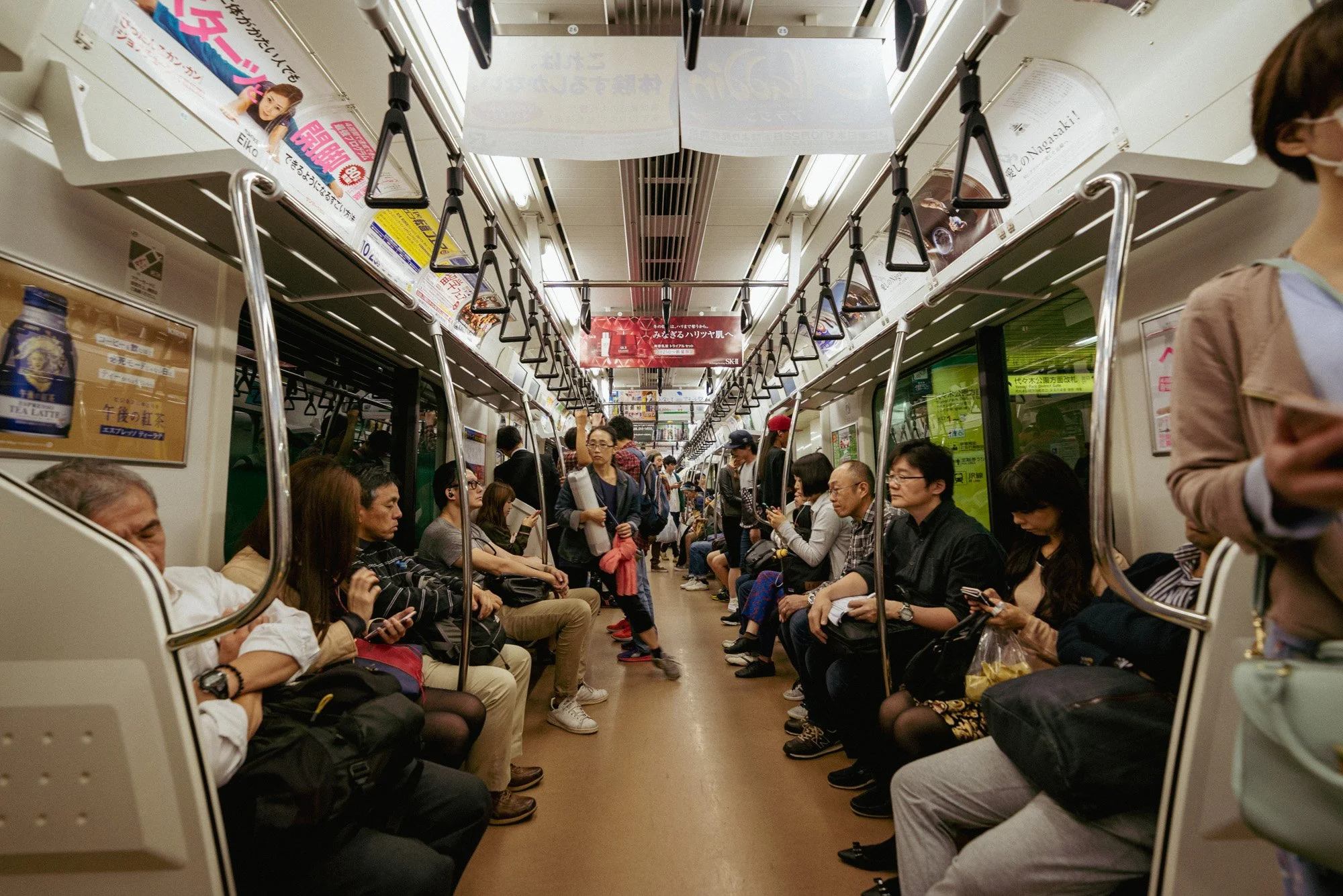
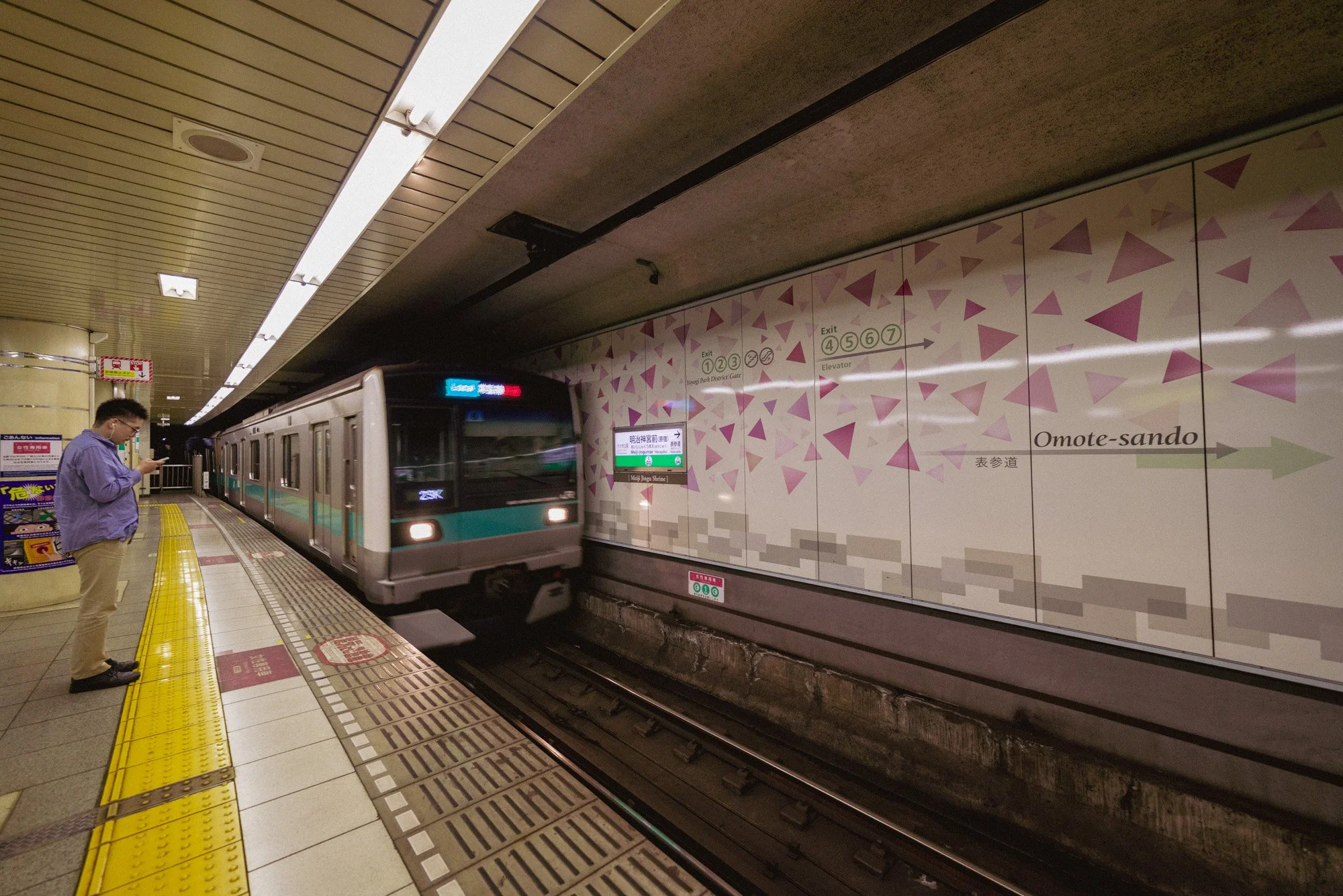
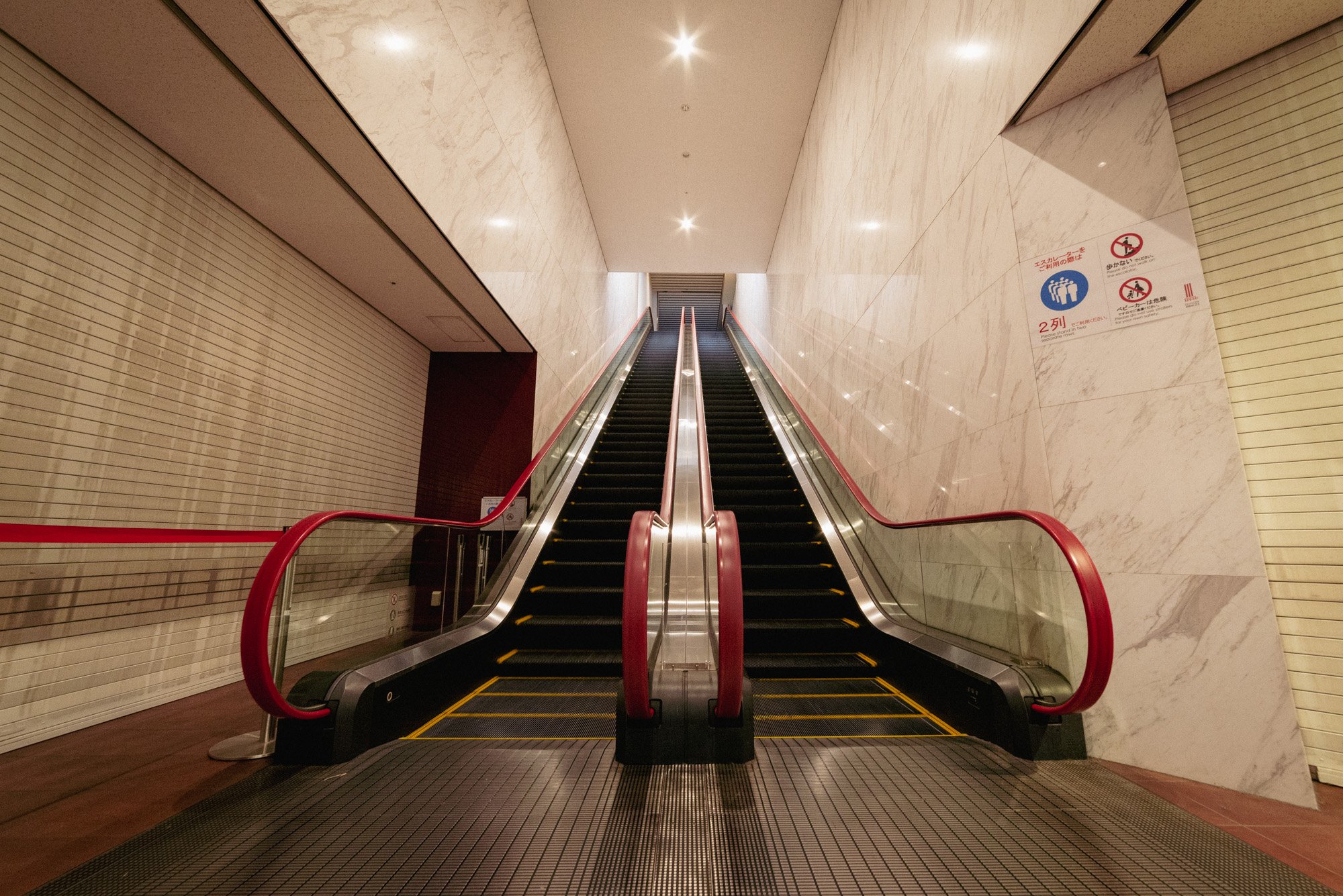
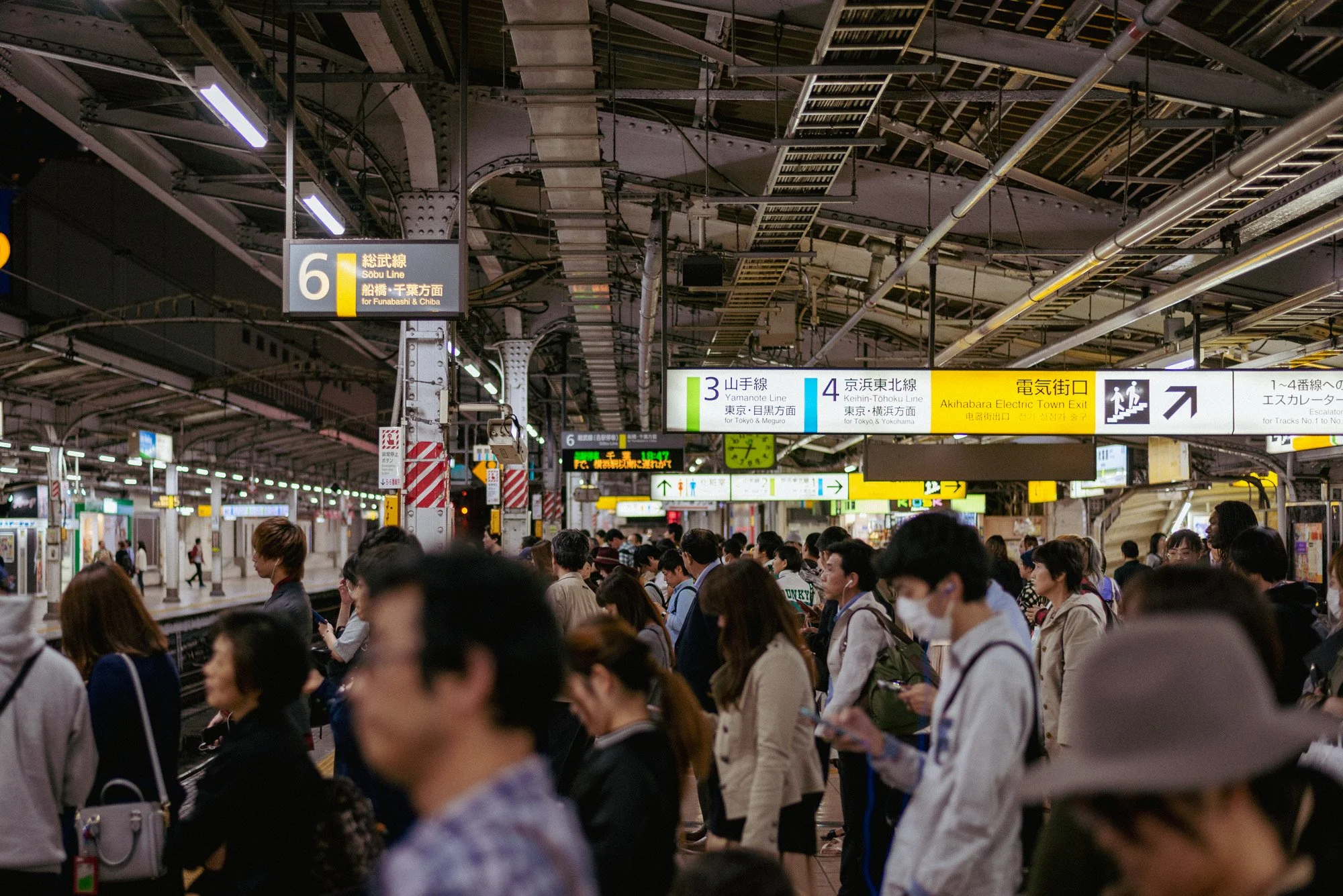
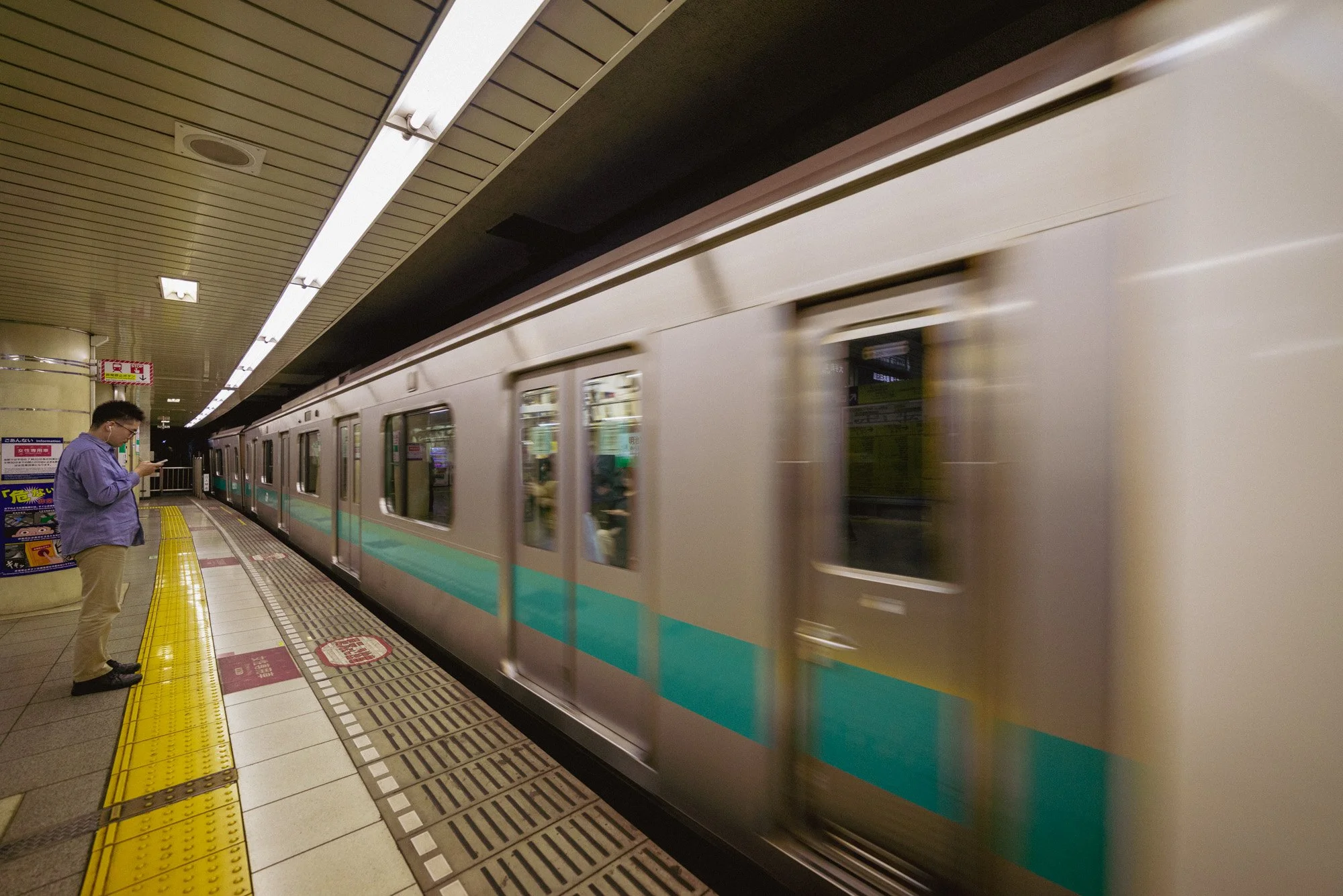
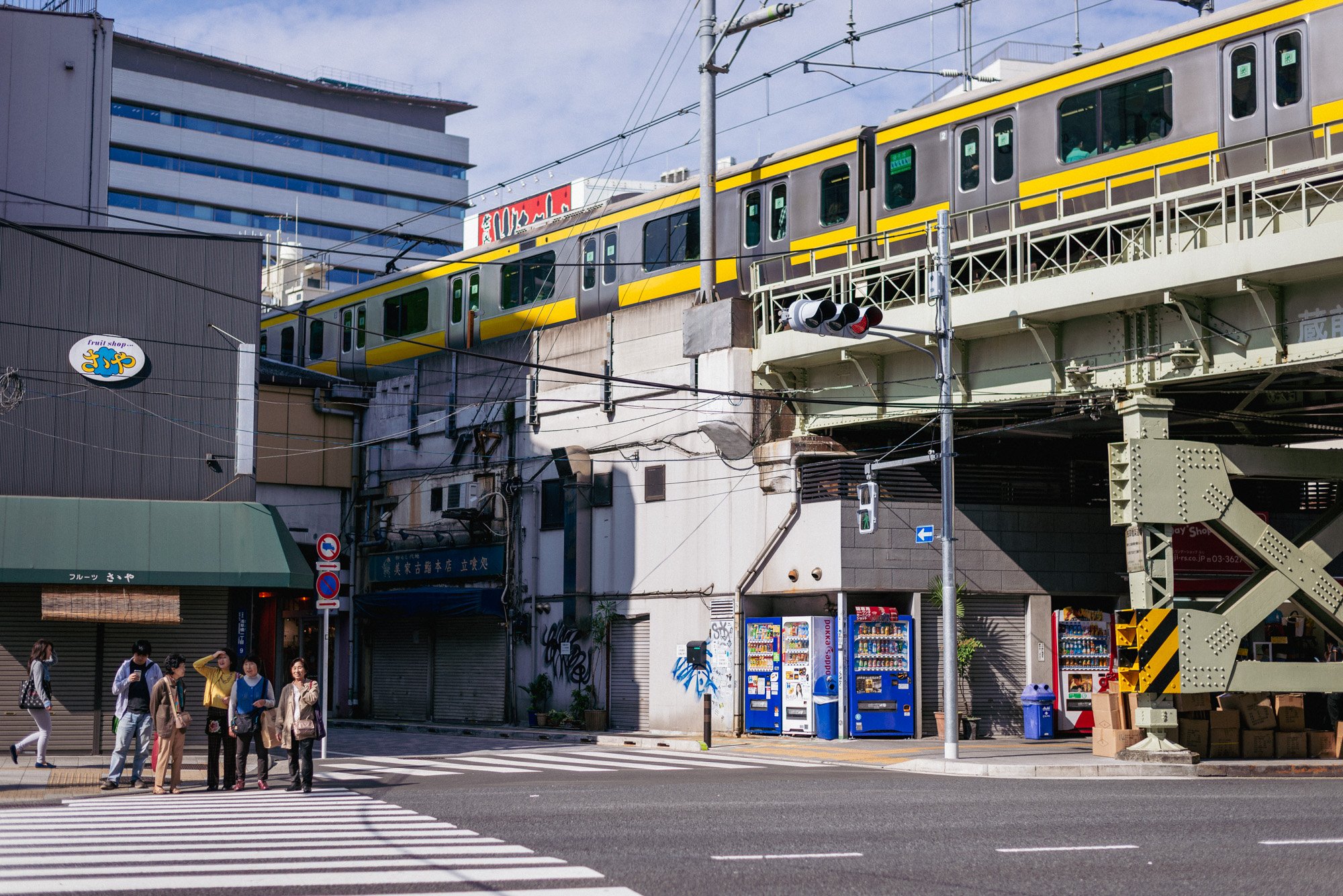
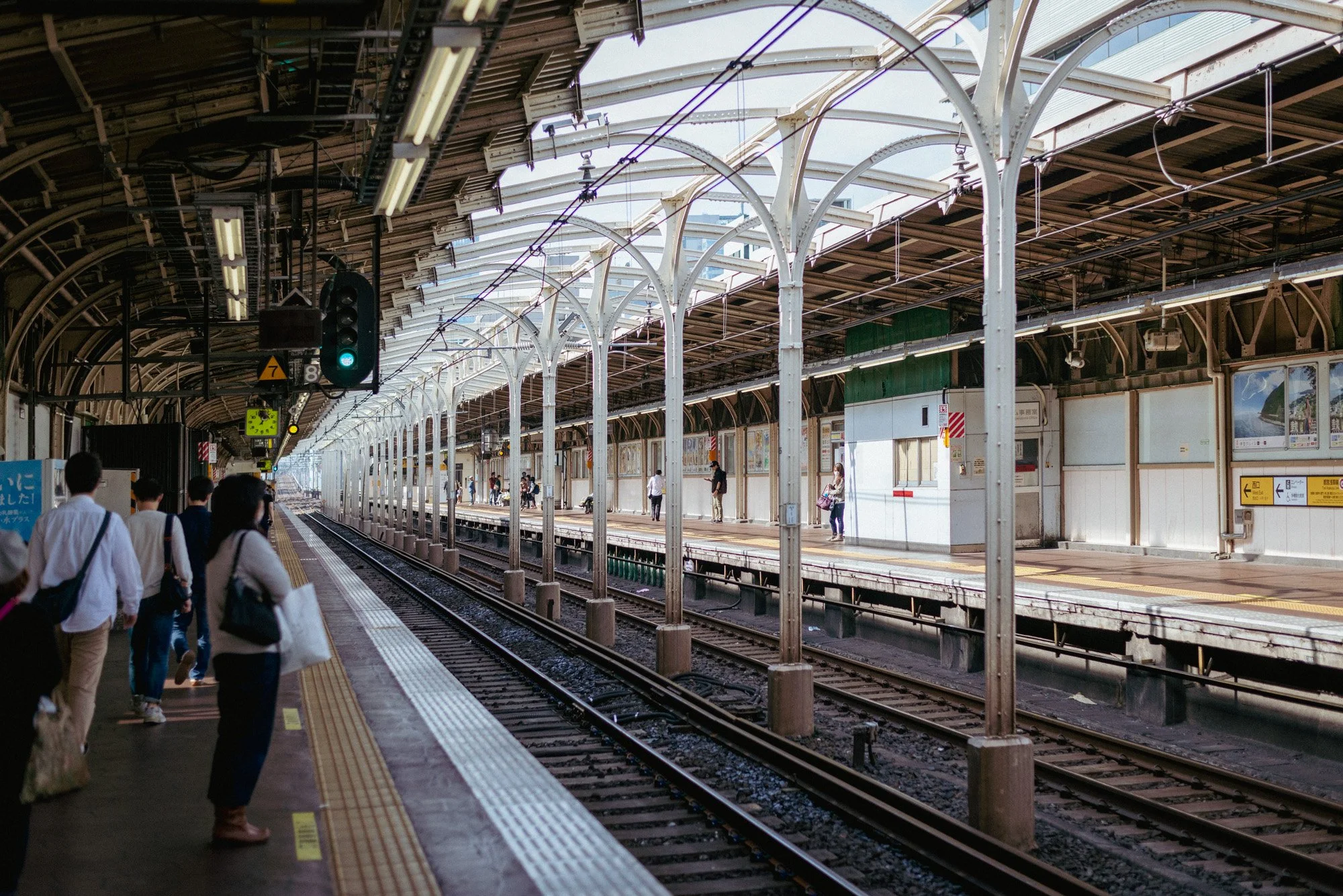
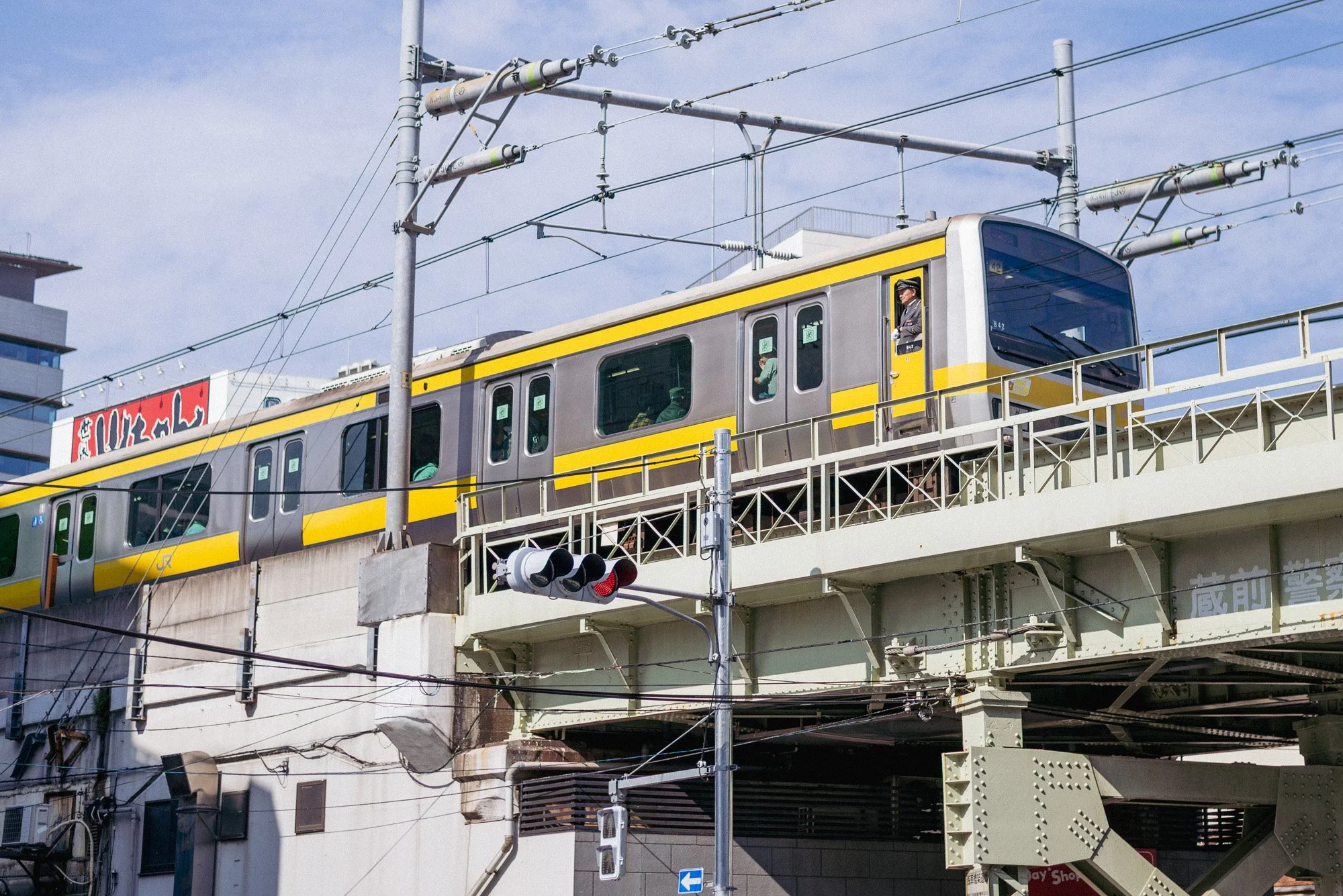
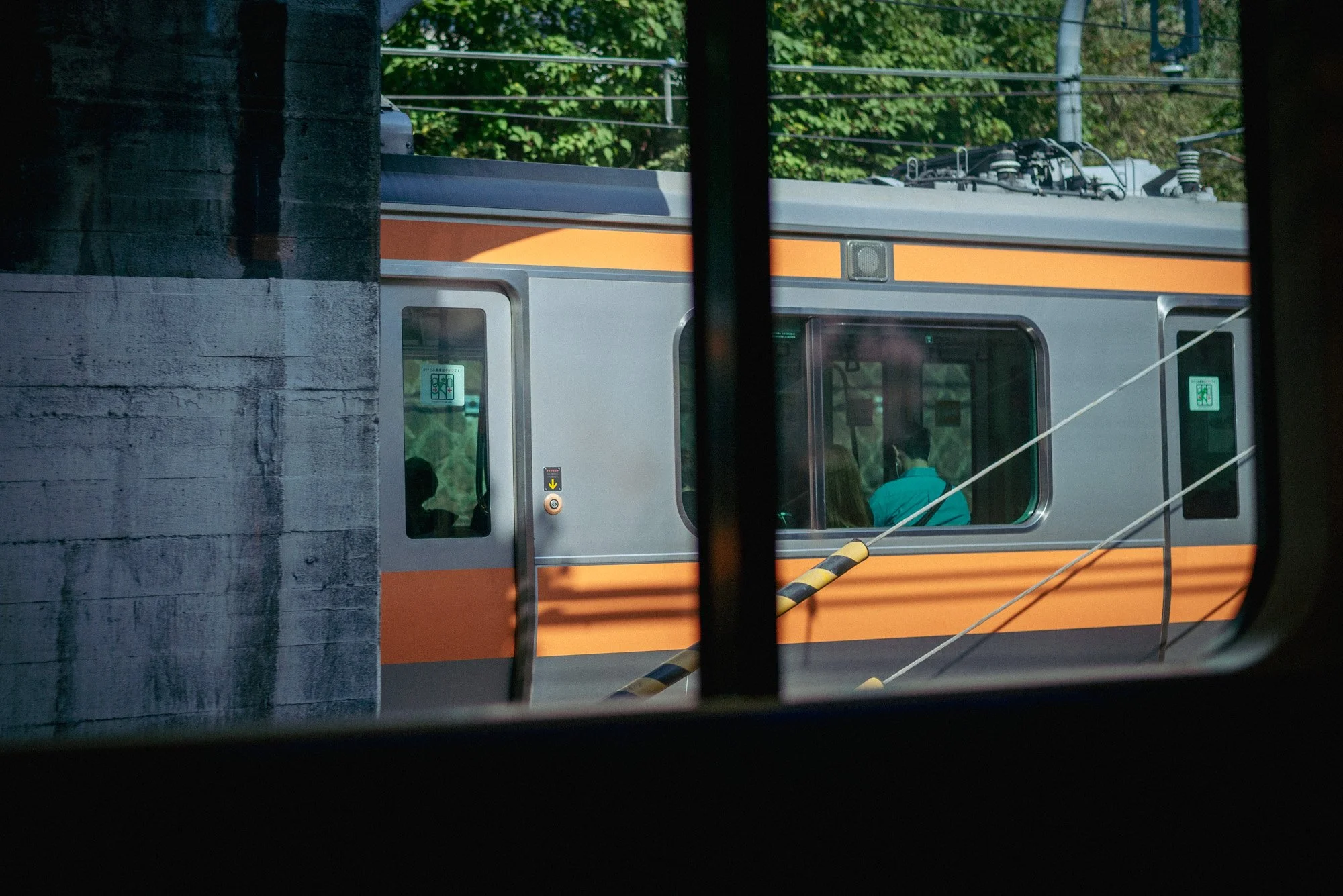
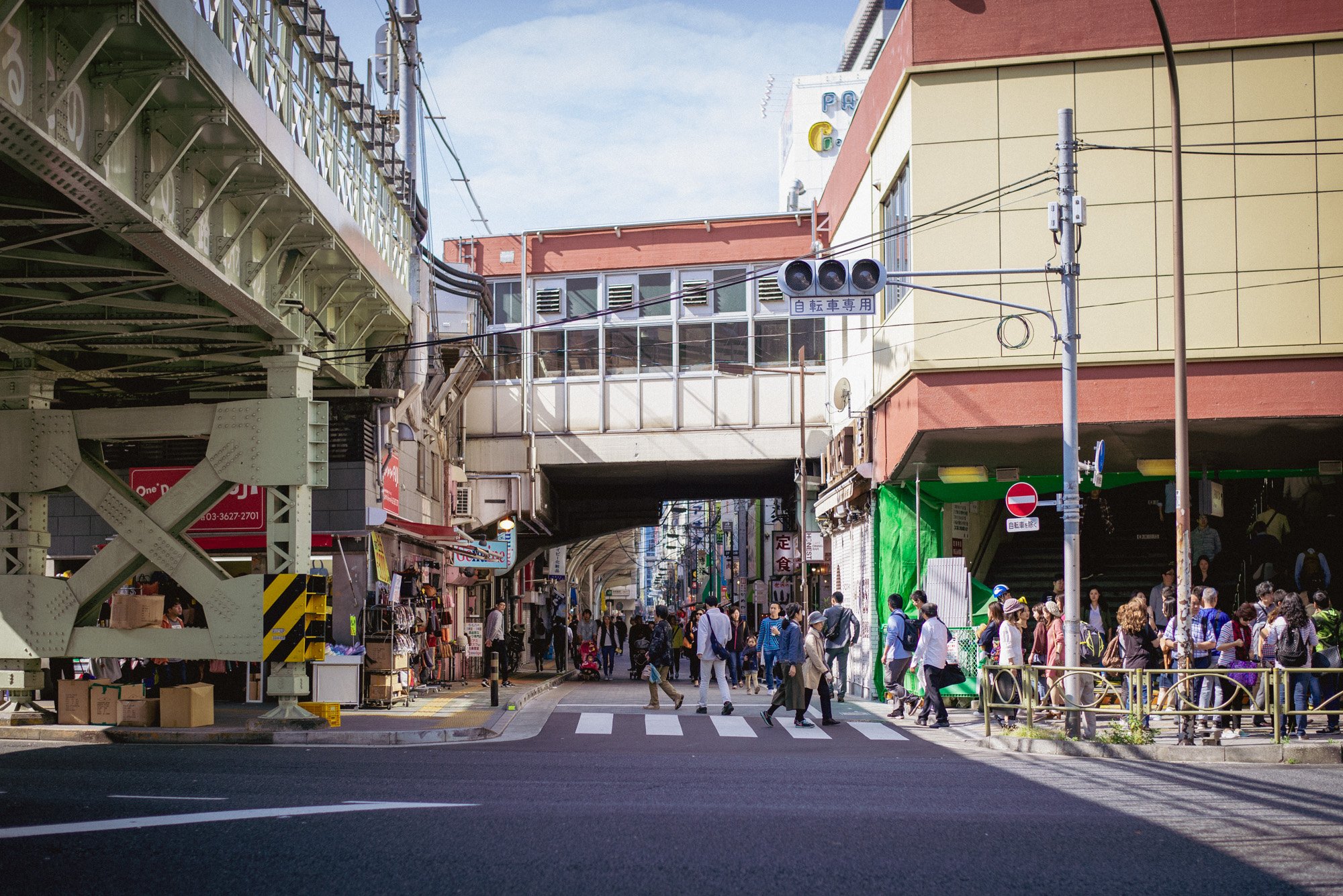
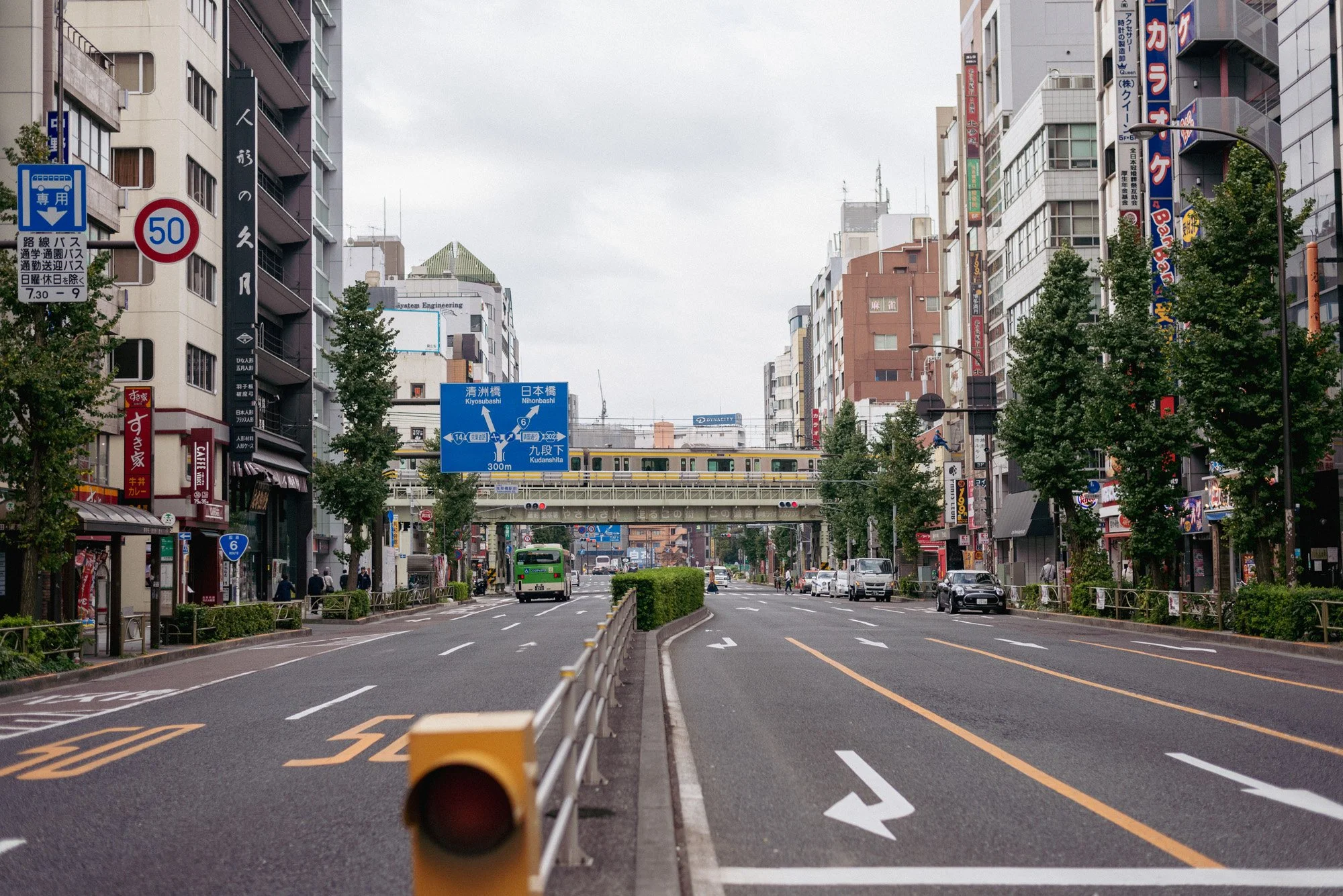
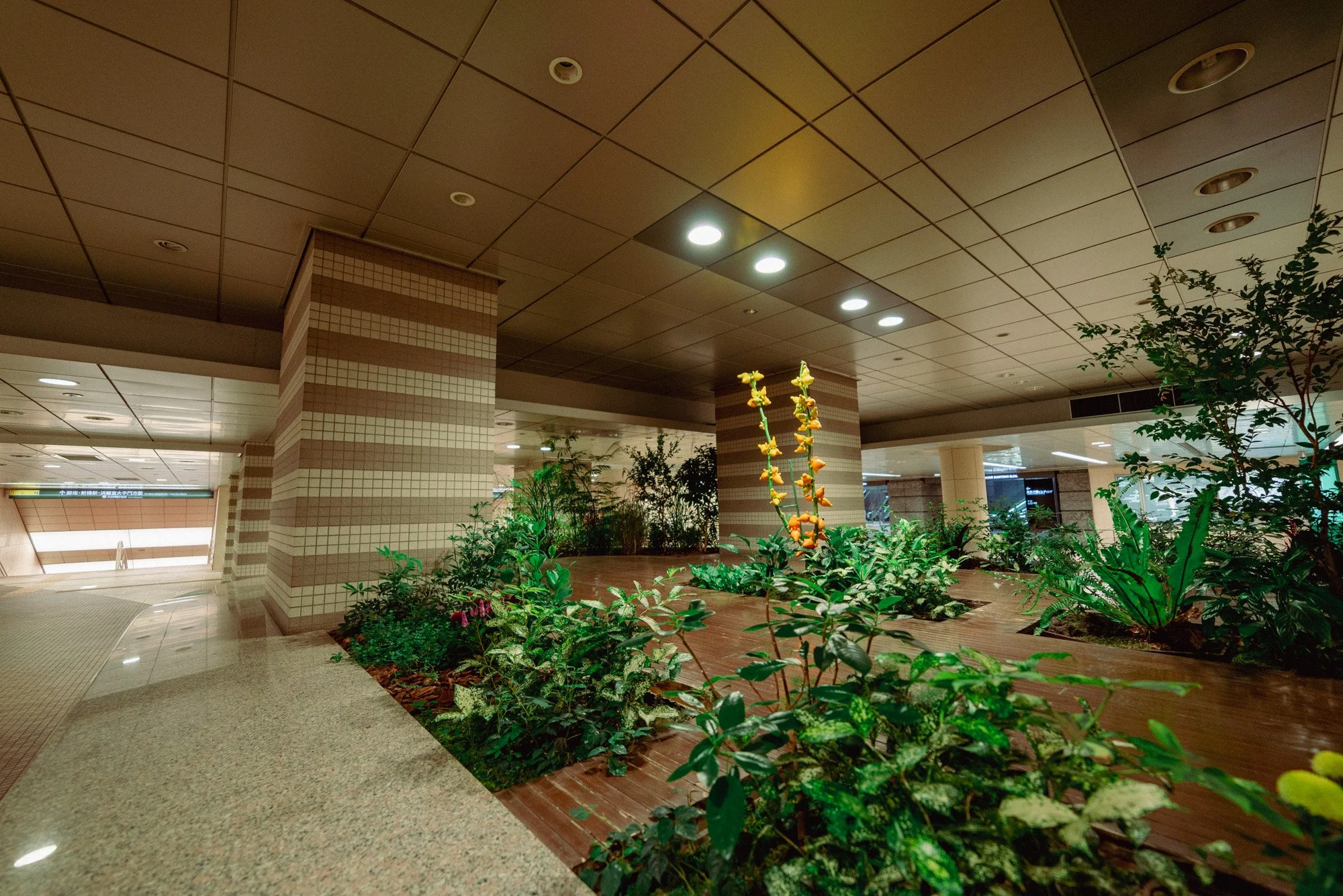
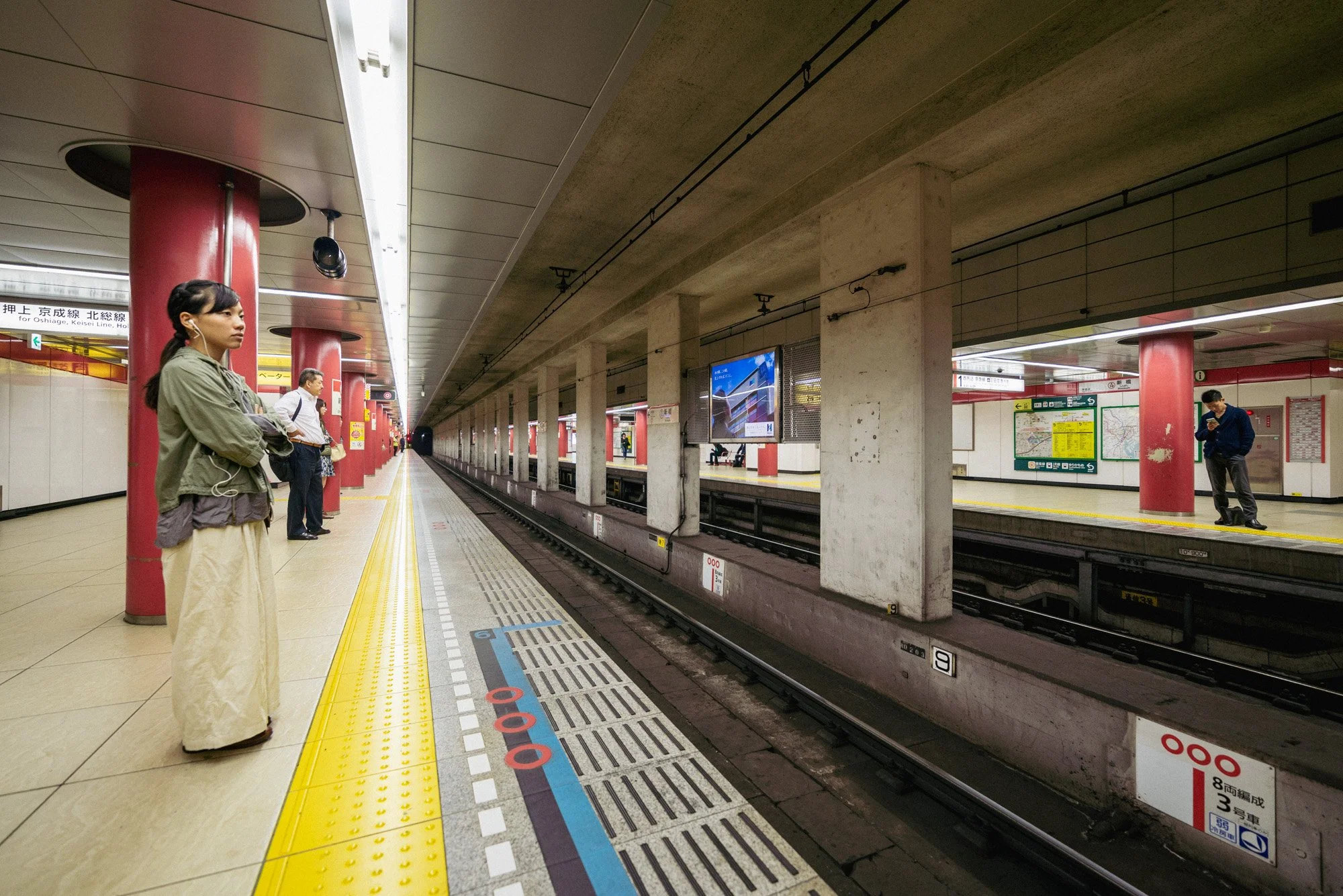
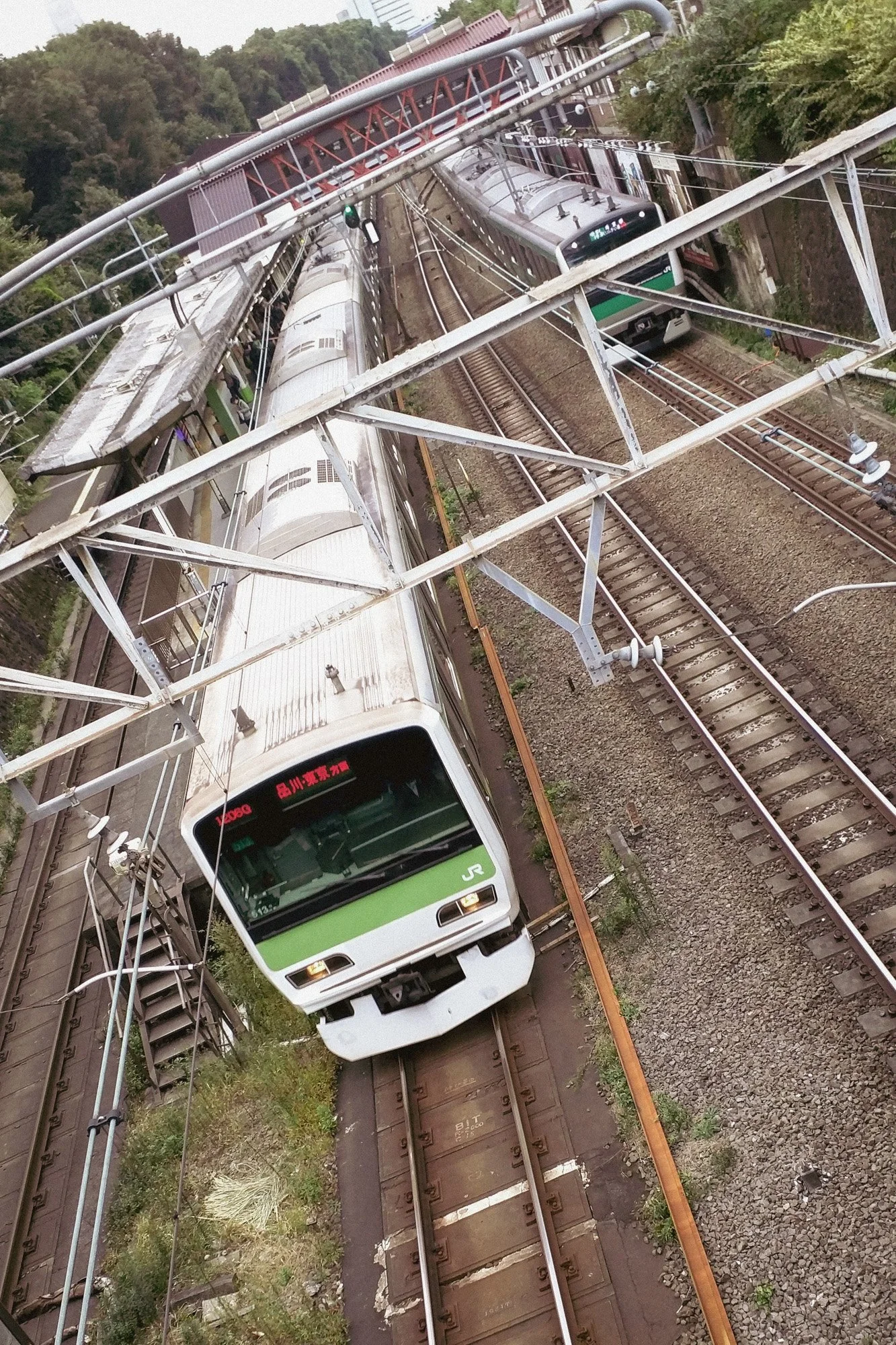
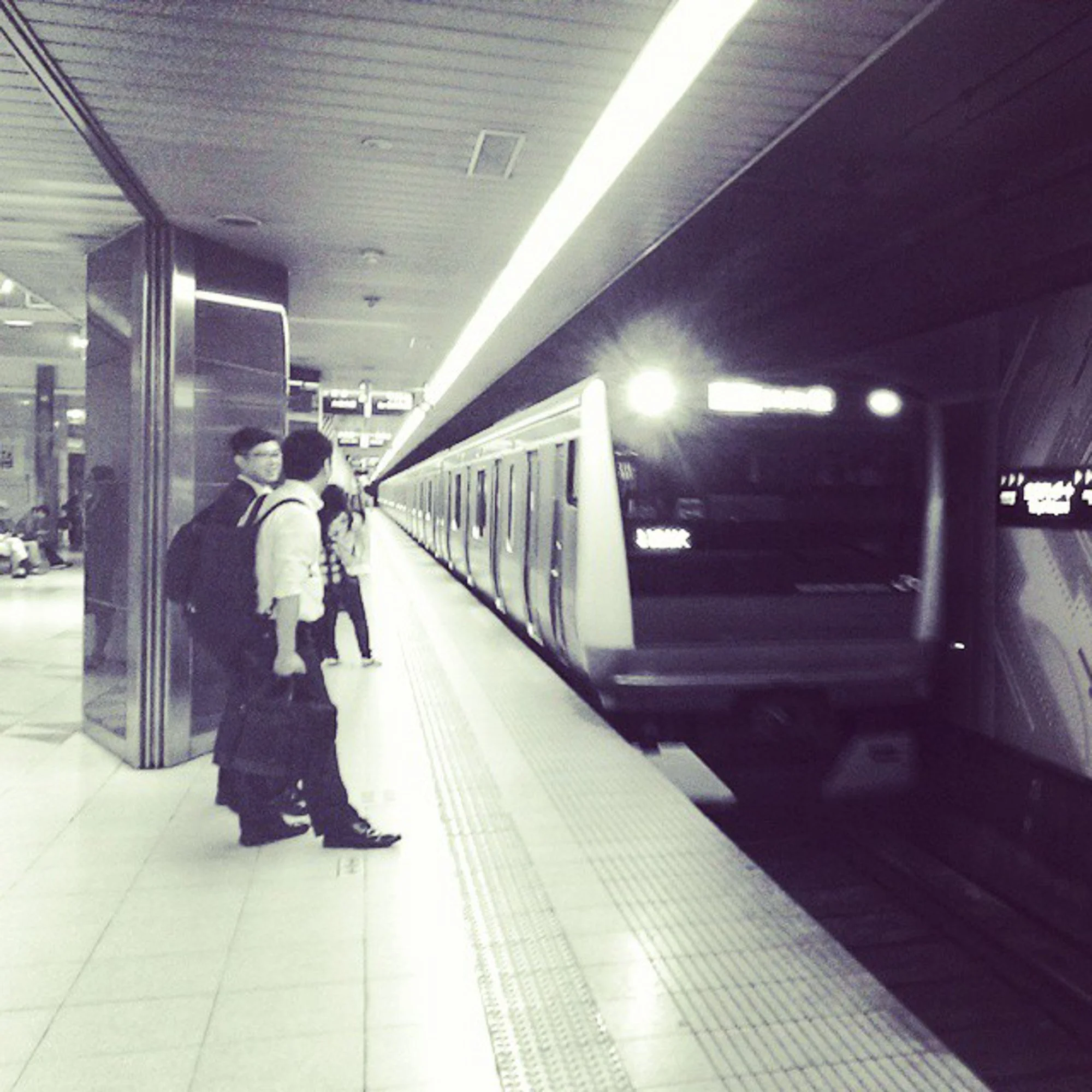
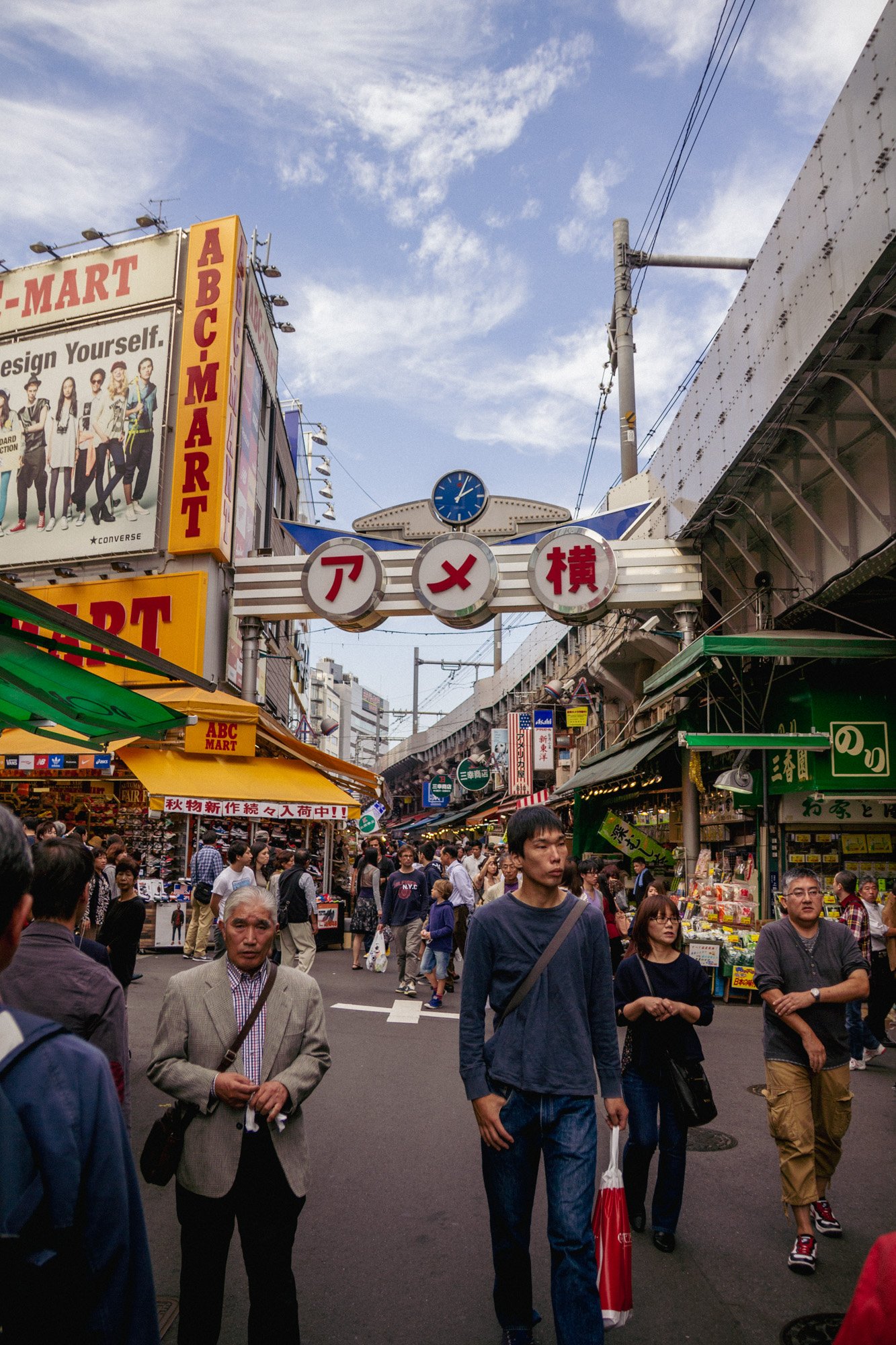
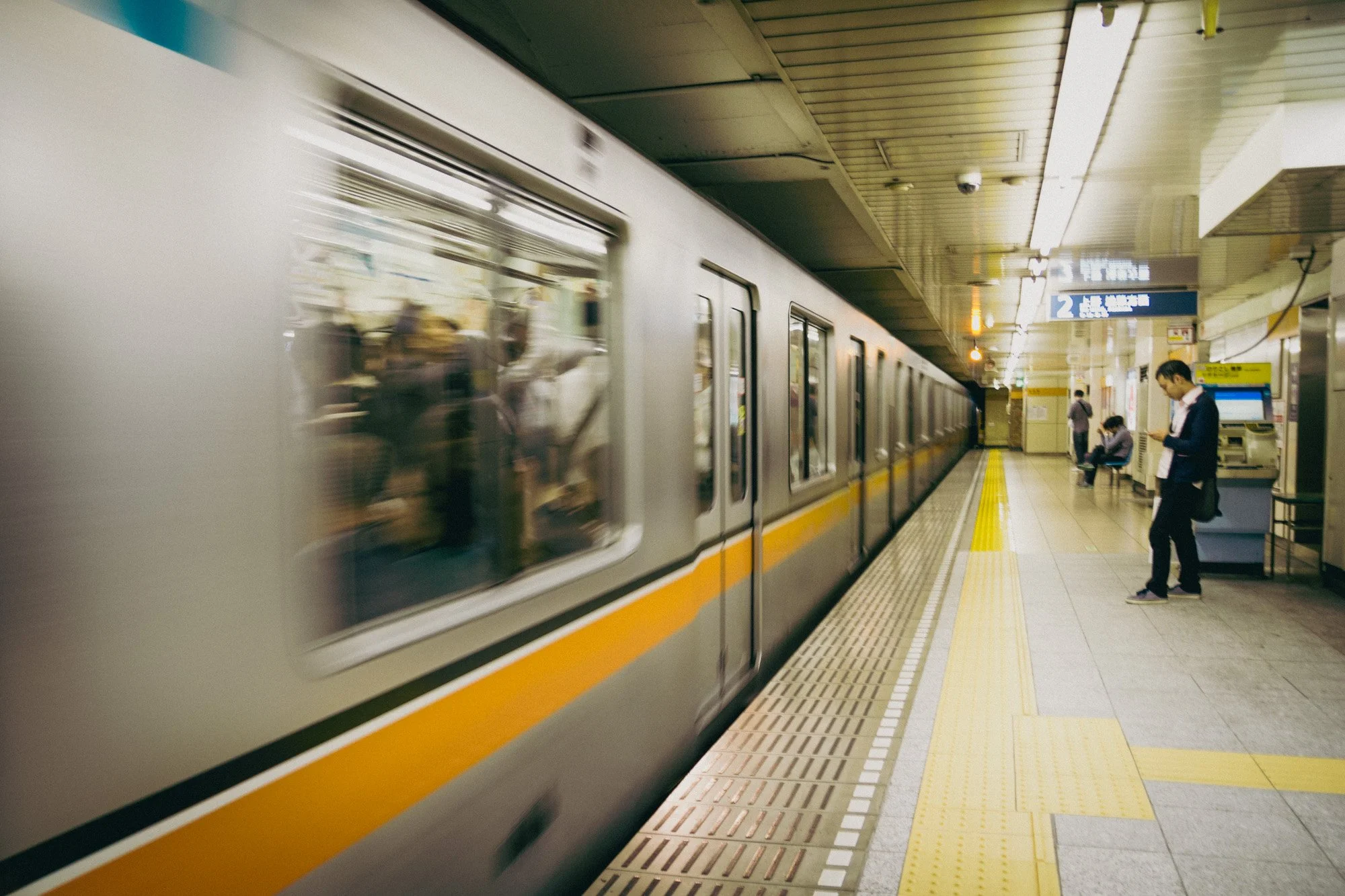
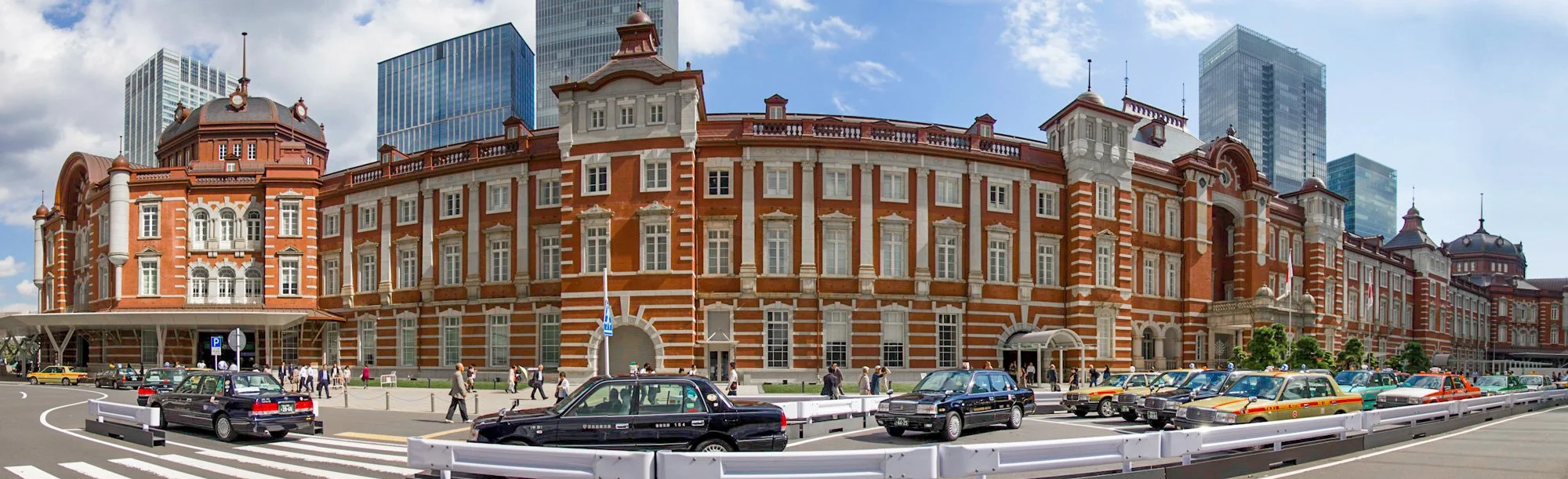
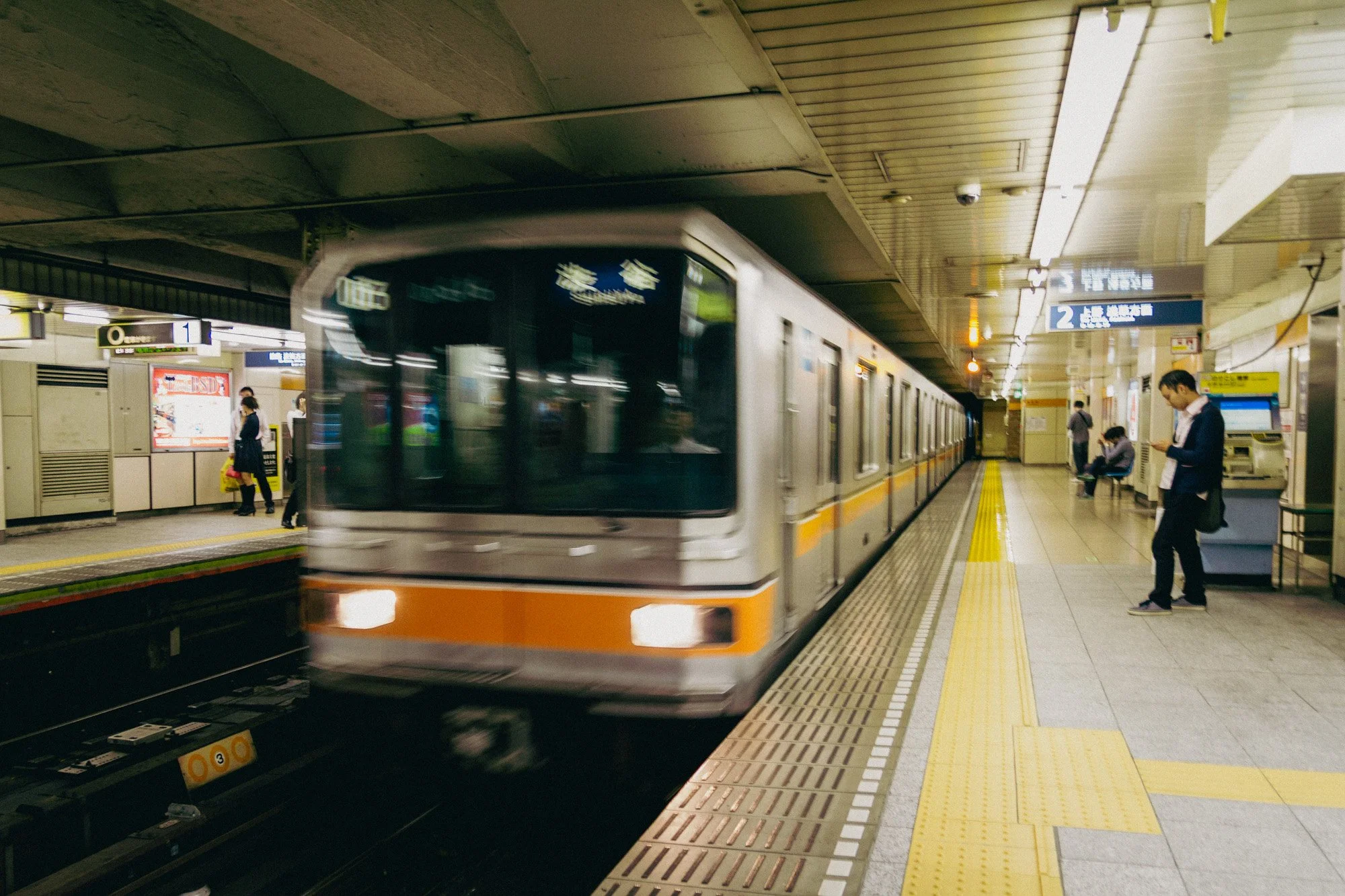
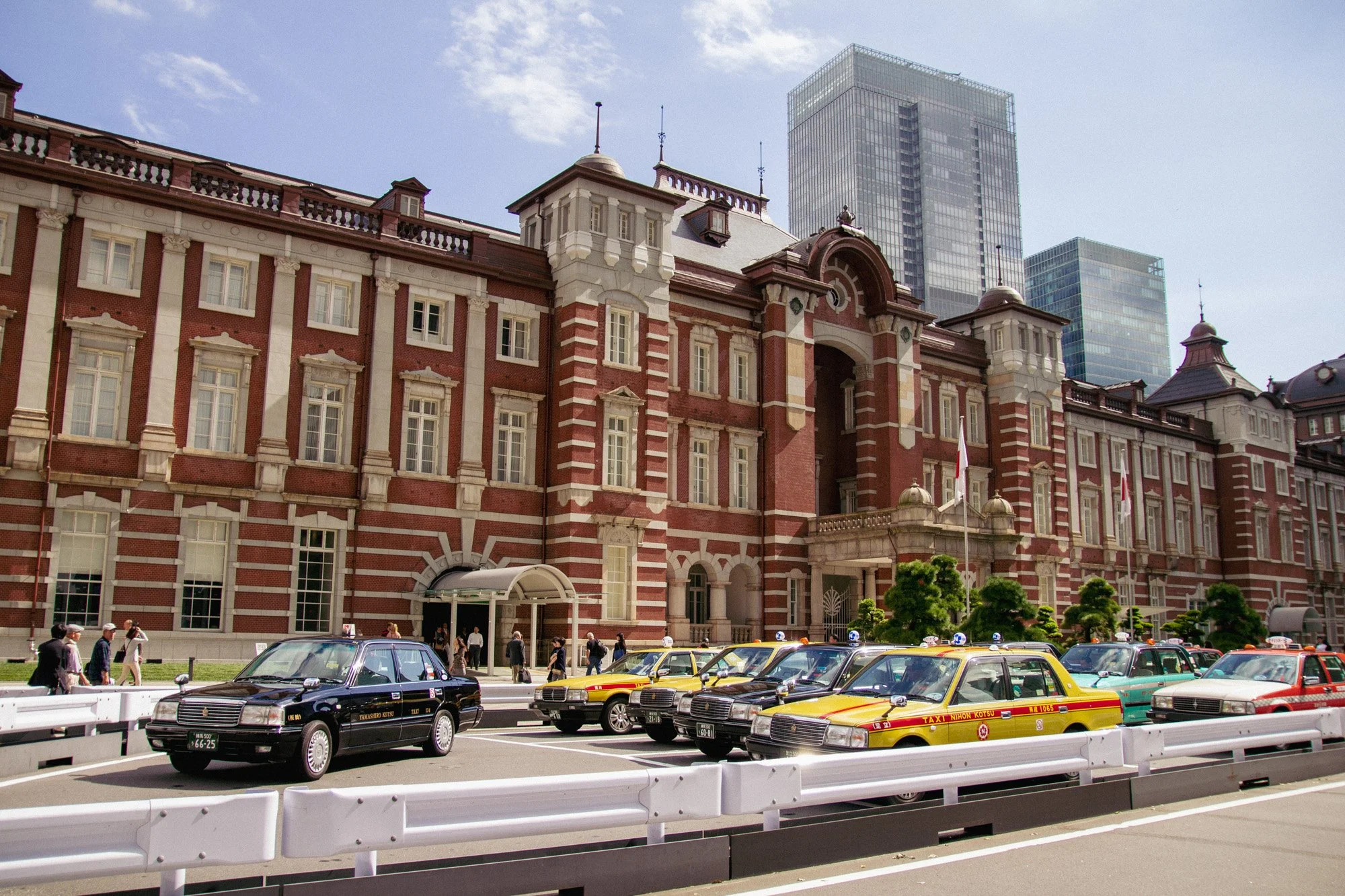
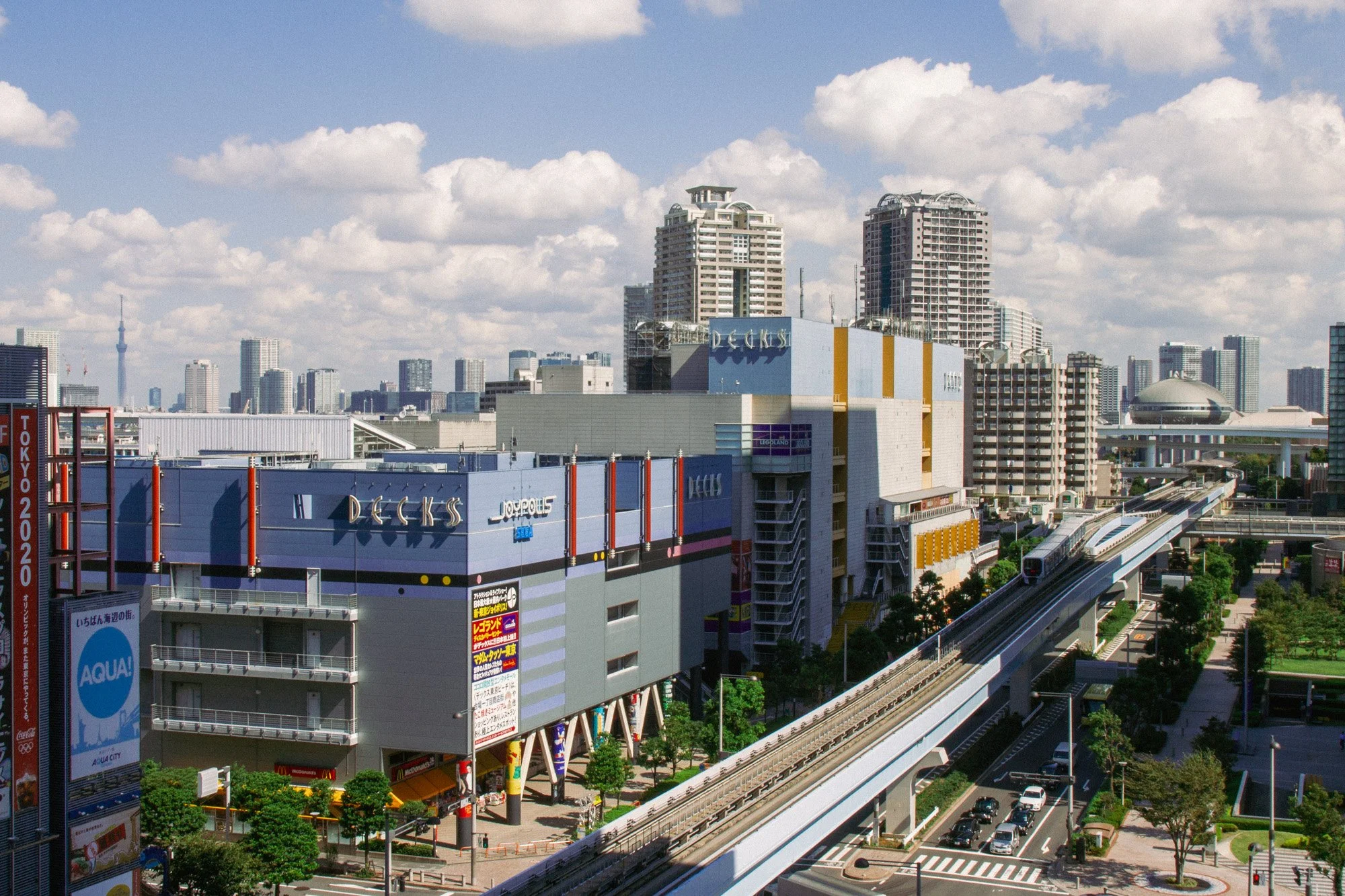
Head to the bottom of this article to see more images from my trips. Some are from stations or the inside of cars, and others are of the neighborhoods around those stations. All of them are related to the rail experience, however.
Looking Forward (and a Question for You)
When I go back to Tokyo (and I absolutely will some day), the Metro is genuinely one of the things I'm most curious to revisit— and this time with intent. Will it match how I remember it? And how will it feel navigating it with a family in tow? I suspect the answer to the latter is: complicated. But that's part of what makes travel interesting.
For those of you who love Tokyo, Japan, or travel photography, I think there's something worth taking from this. The most memorable parts of a journey aren't always the ones you plan for. Sometimes they're the seams and fringes— the in-between moments that quietly help shape the bigger picture.
So I'd love to hear from you: Have you had a similar experience somewhere? A part of a trip that snuck up on you and ended up meaning more than you expected? Or maybe a pattern you noticed in your photos that you didn't consciously set out to capture? Drop it in the comments. I genuinely would like to know.
Lastly, here are the rest of the images I mentioned earlier. Hope you enjoy!
Remembering Shibuya Halloween: My Night at Tokyo’s Wildest Street Party
In honor of Halloween, I wanted to look back on one of my favorite memories from my last trip to Japan — the night I found myself in the middle of the Shibuya Halloween party in Tokyo.
In honor of Halloween, I wanted to look back on one of my favorite memories from my last trip to Japan — the night I found myself in the middle of the Shibuya Halloween party in Tokyo.
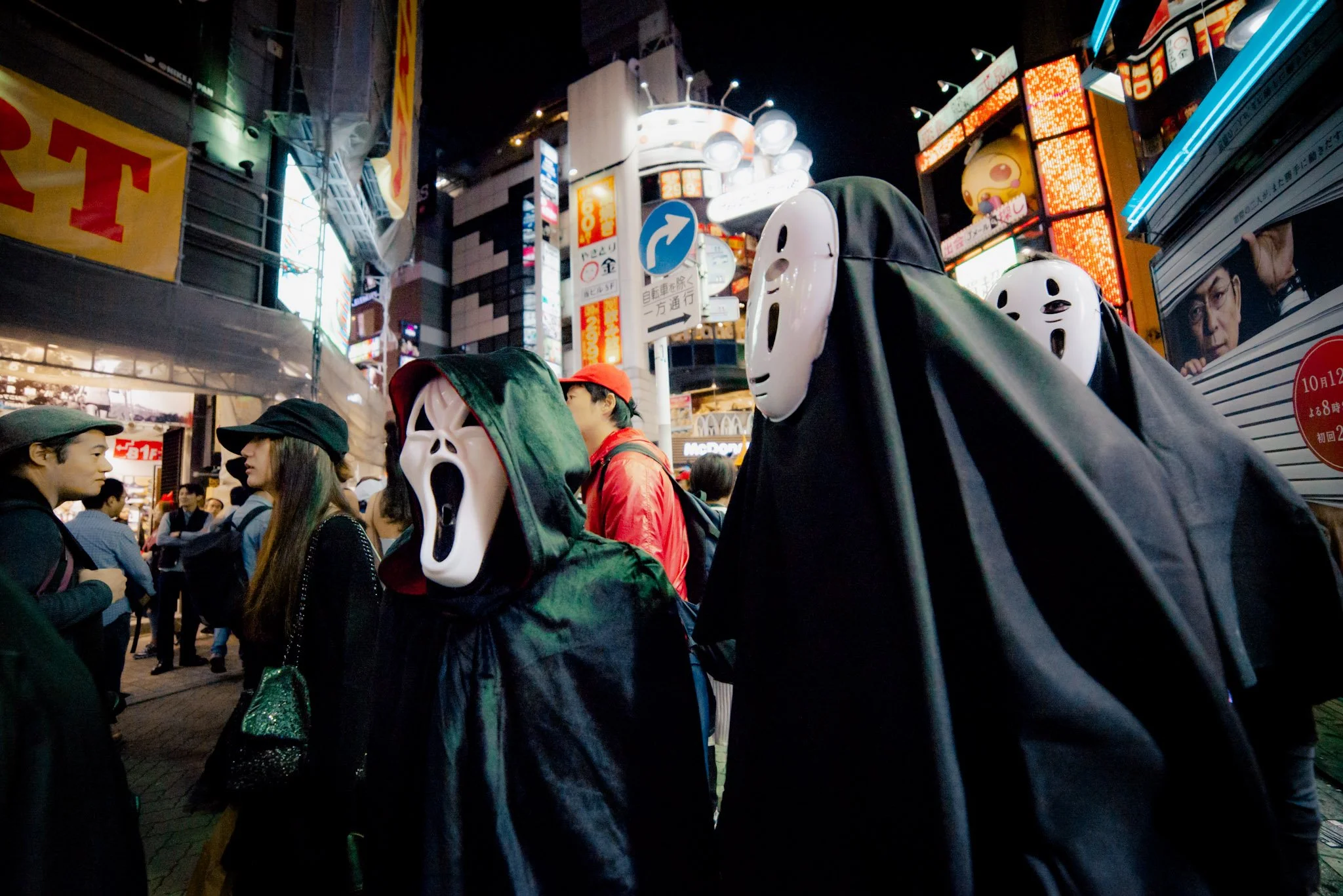
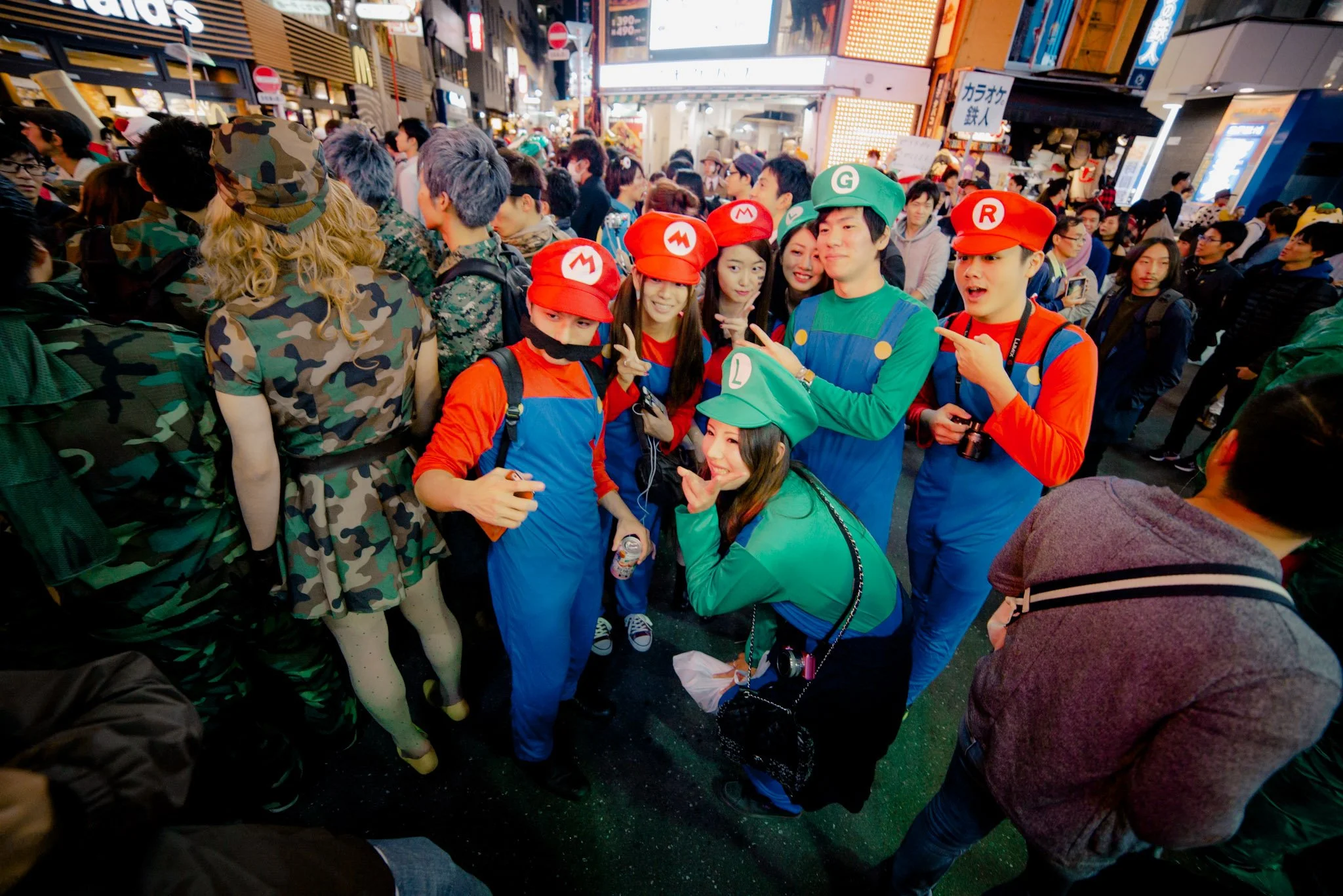
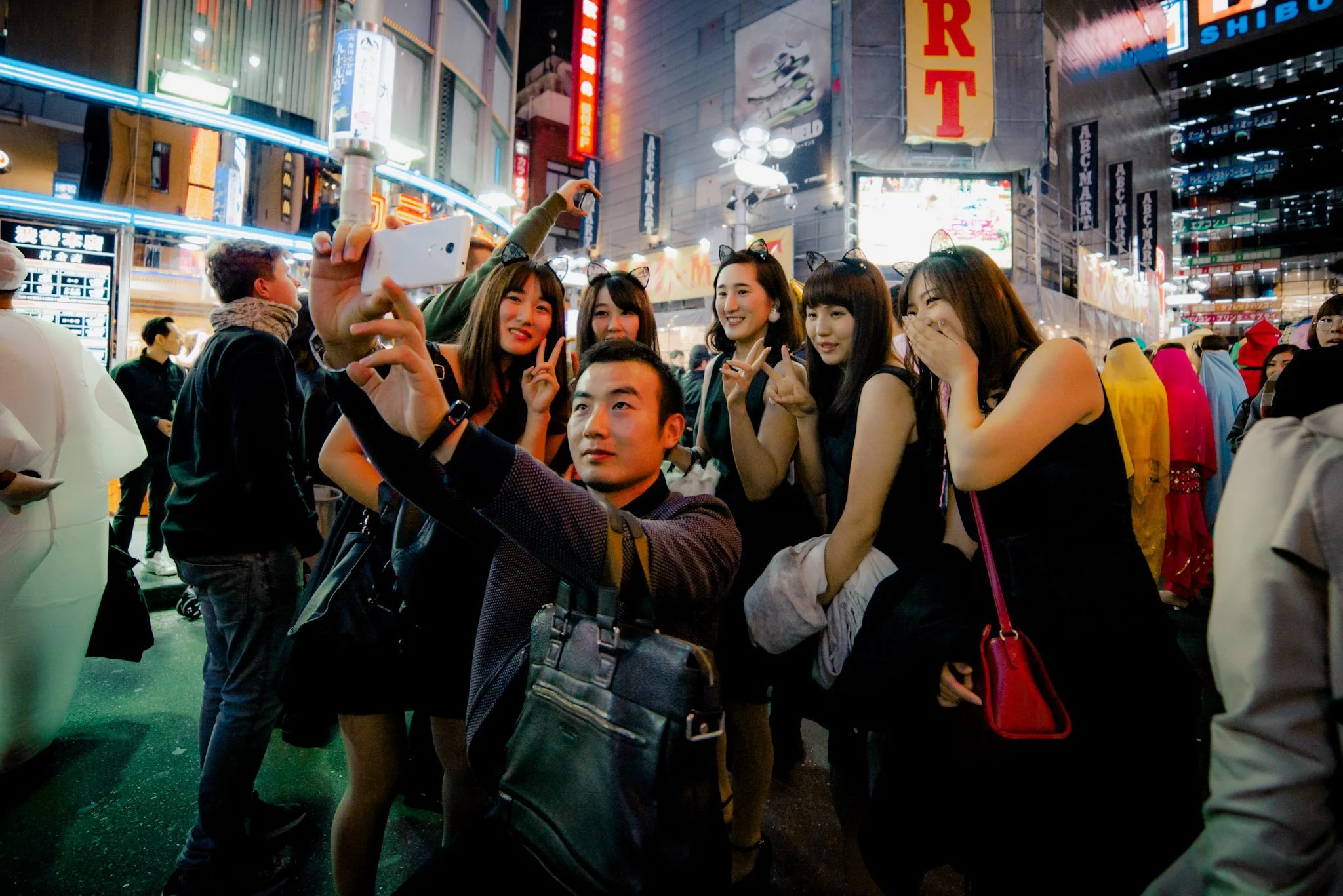
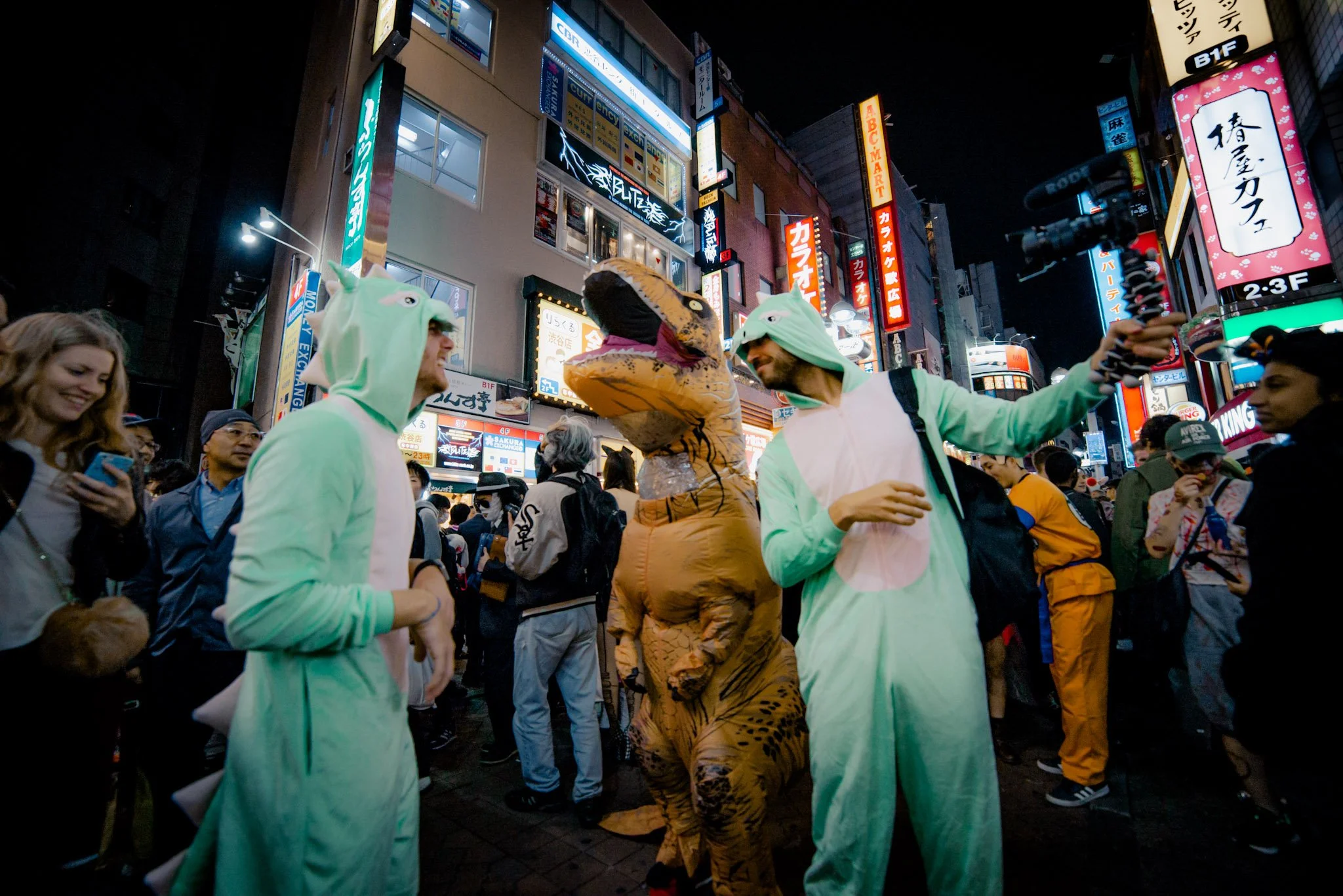
Imagine a sea of costumed people flooding the streets around Shibuya Crossing, lights flashing, signs glowing, and an atmosphere filled with energy, laughter, and creativity. It was easily the biggest and most unforgettable Halloween party I’ve ever experienced- and probably, my favorite Tokyo experience overall, so far.
A Brief History of Shibuya Halloween
For those unfamiliar, Shibuya Halloween started in the early 2000s as a spontaneous street gathering. There wasn’t an official organizer — just young people showing up in costume around Shibuya Crossing, one of Tokyo’s most famous landmarks.
As social media and tourism grew in the 2010s, so did the event. By the mid-decade, it had exploded into a massive phenomenon. Between 2016 and 2018, crowd estimates ranged from 60,000 to 70,000 people filling the streets of Shibuya.
But with that many people came challenges. In the late 2010s, city officials introduced a public drinking ban to help manage the chaos. This, likely in response to an incident where partygoers overturned a truck the year before. Then, after the tragic crowd crush in Seoul’s Itaewon district in 2022, authorities became even more cautious about large, unregulated gatherings.
Today, Shibuya Halloween is technically discouraged — the city enforces restrictions on public drinking and smoking, and on sale of alcohol during Halloween week, and police heavily patrol the area. I’ve even read that scooter and e-bike services will be suspended this year as well. That said, there is nothing really preventing people from going to the neighborhood, and so its no surprise that Instagram has plenty of images of people continuing to attend. However, the event (if you can still call it that) appears to have largely faded, leaving patrons to seek out smaller, organized events and club parties.
My Experience at Shibuya Halloween
I attended Shibuya Halloween in 2016, during the event’s peak years — though it honestly happened by accident. It was the last night of our Tokyo trip, and my friend and I were looking for something to do before our early flight the next morning. We decided to head to Shibuya, not realizing what night it was.
When we stepped off the train, we immediately knew something was happening. The station was pretty packed, and it got even more crowded once we were outside by the Hachiko statue. By the time we reached the famous scramble crossing, we were shoulder-to-shoulder with the people around us.
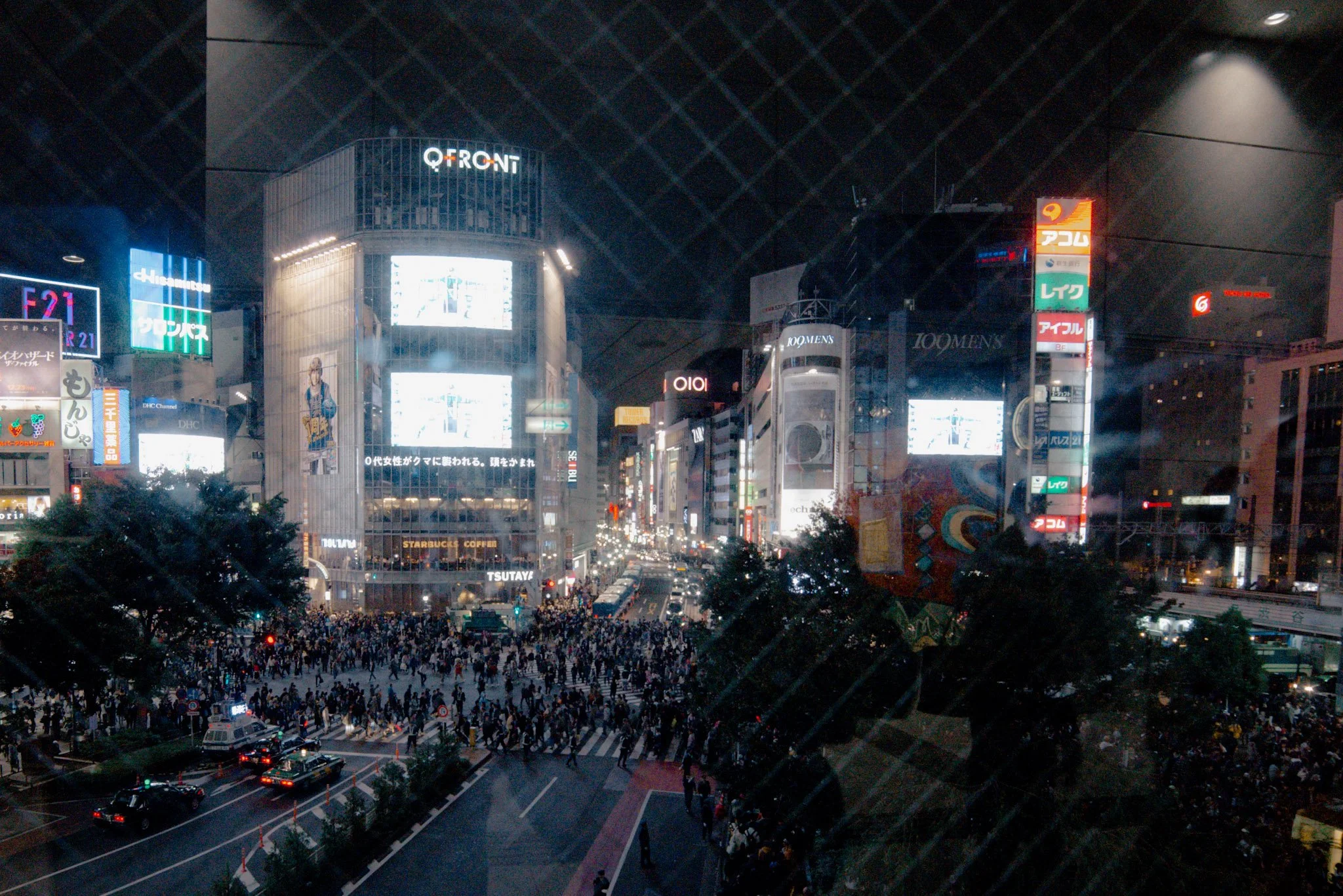
It was obvious that something was happening, just based on all the people who were crowding around the windows in Shibuya Station.
Despite the density, it was surprisingly orderly — no pushing or shoving, just everyone waiting patiently for the lights to change, while police corralled the crowds with light sticks and megaphones. The moment the signal turned, a wave of people surged across the intersection- the ambient sound slowly growing from a low rumble to loud chatter, laughter, and music.
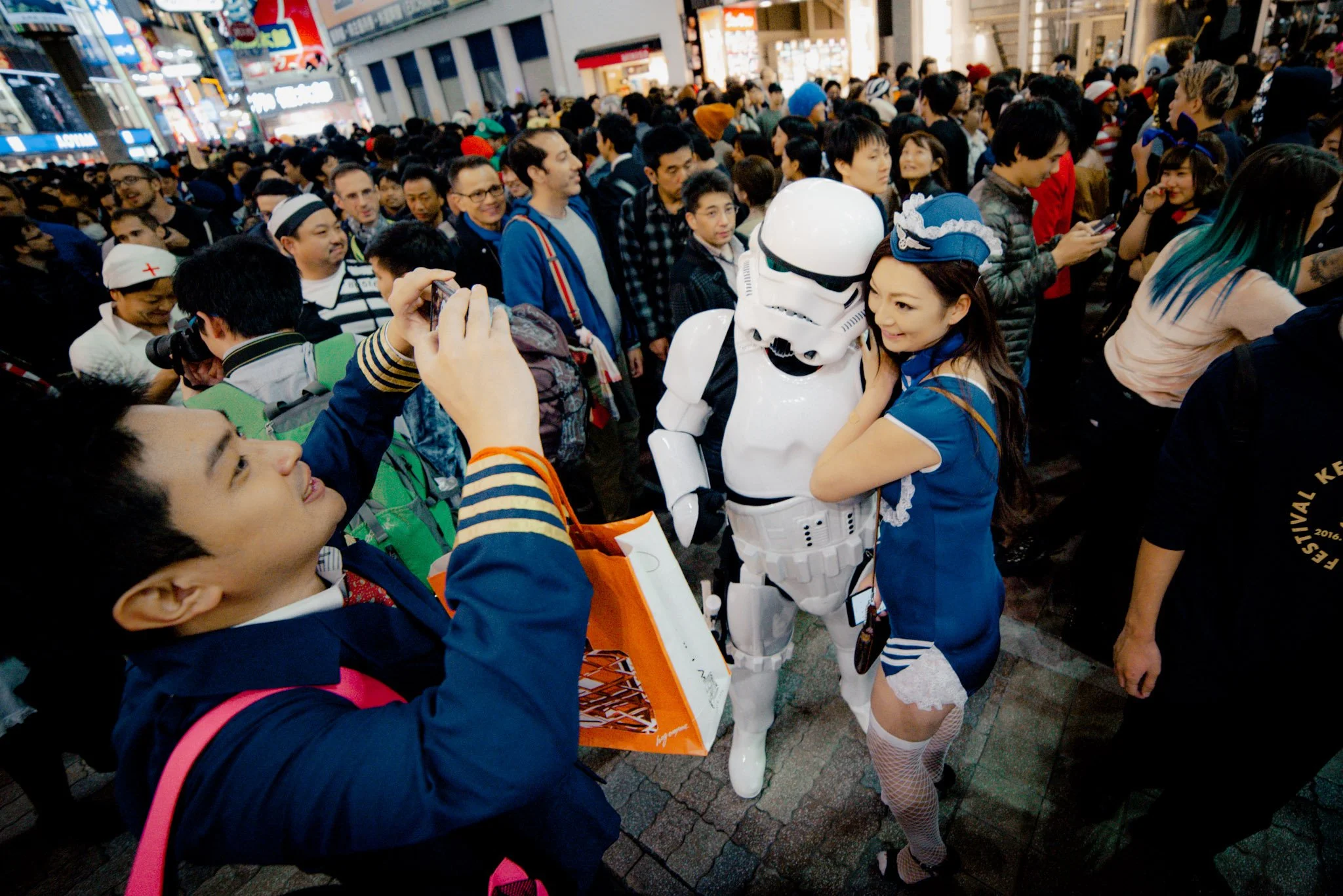
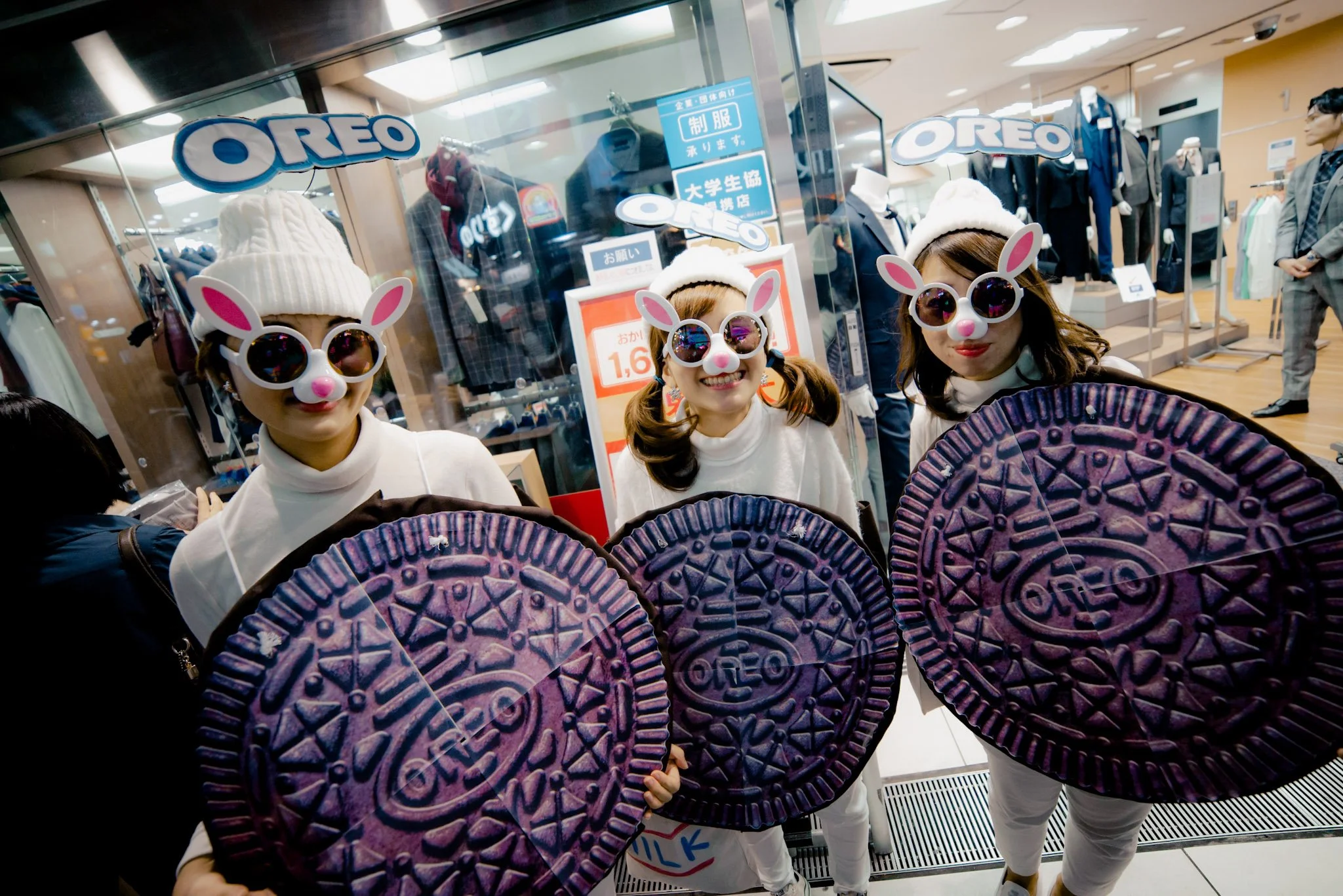
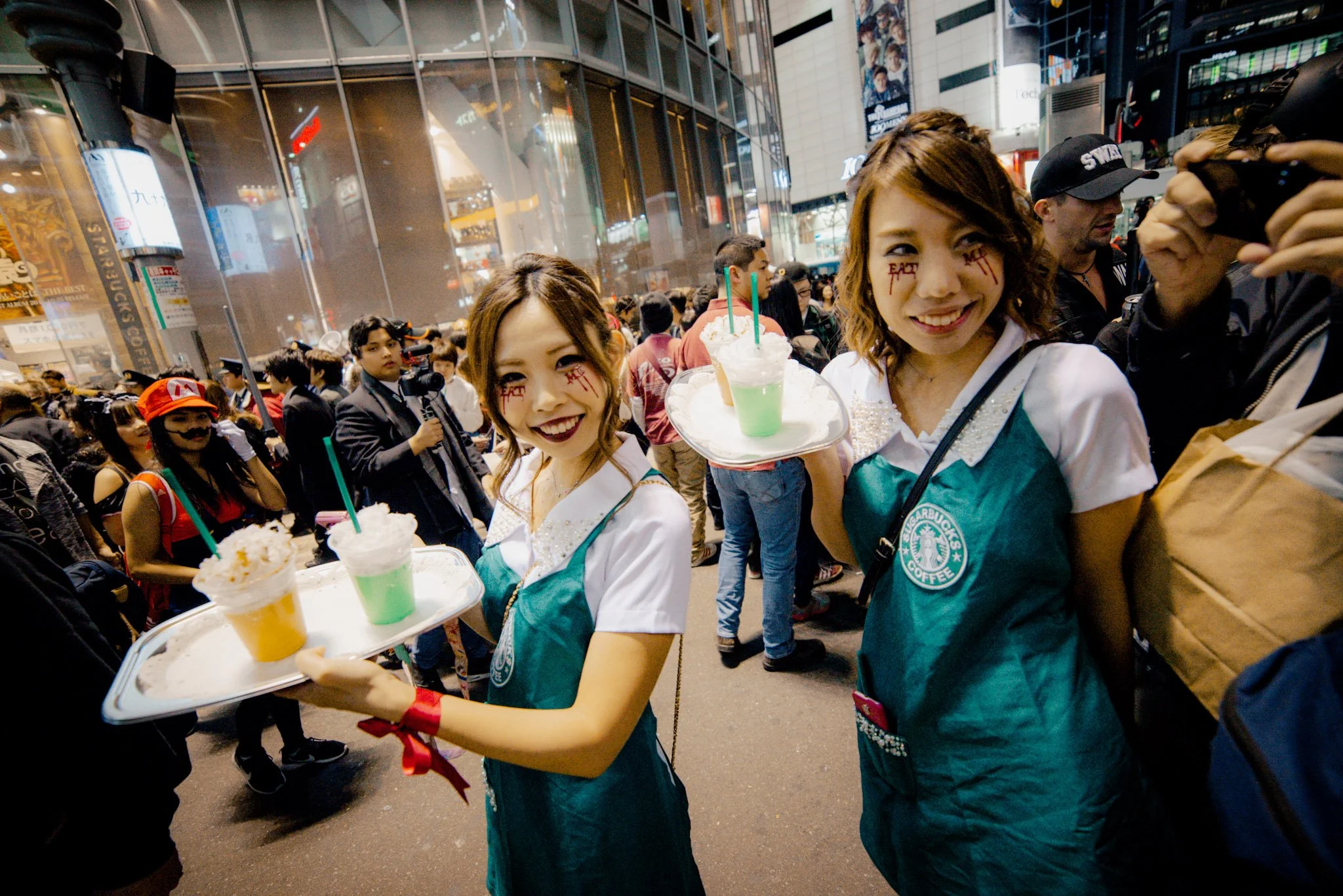
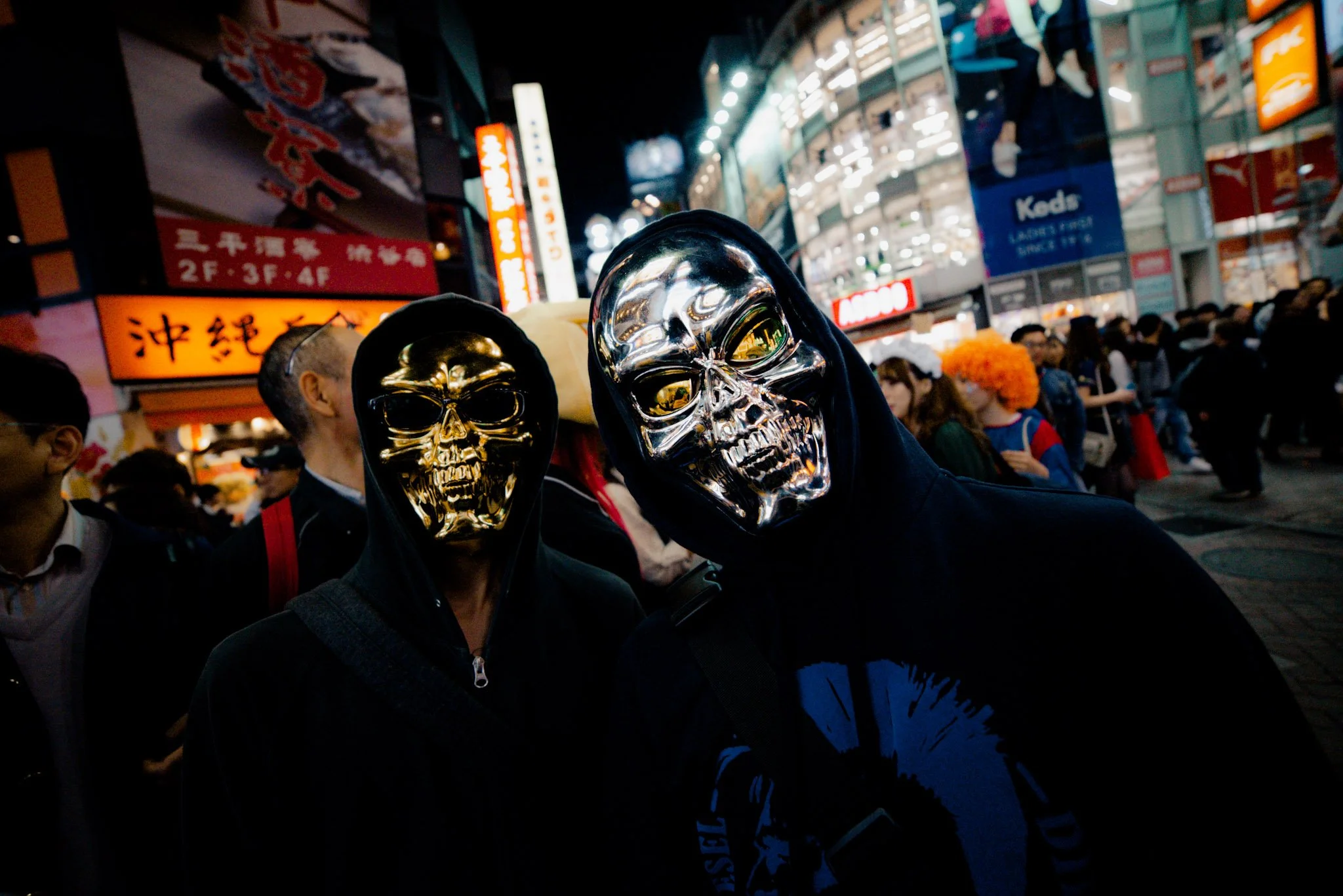
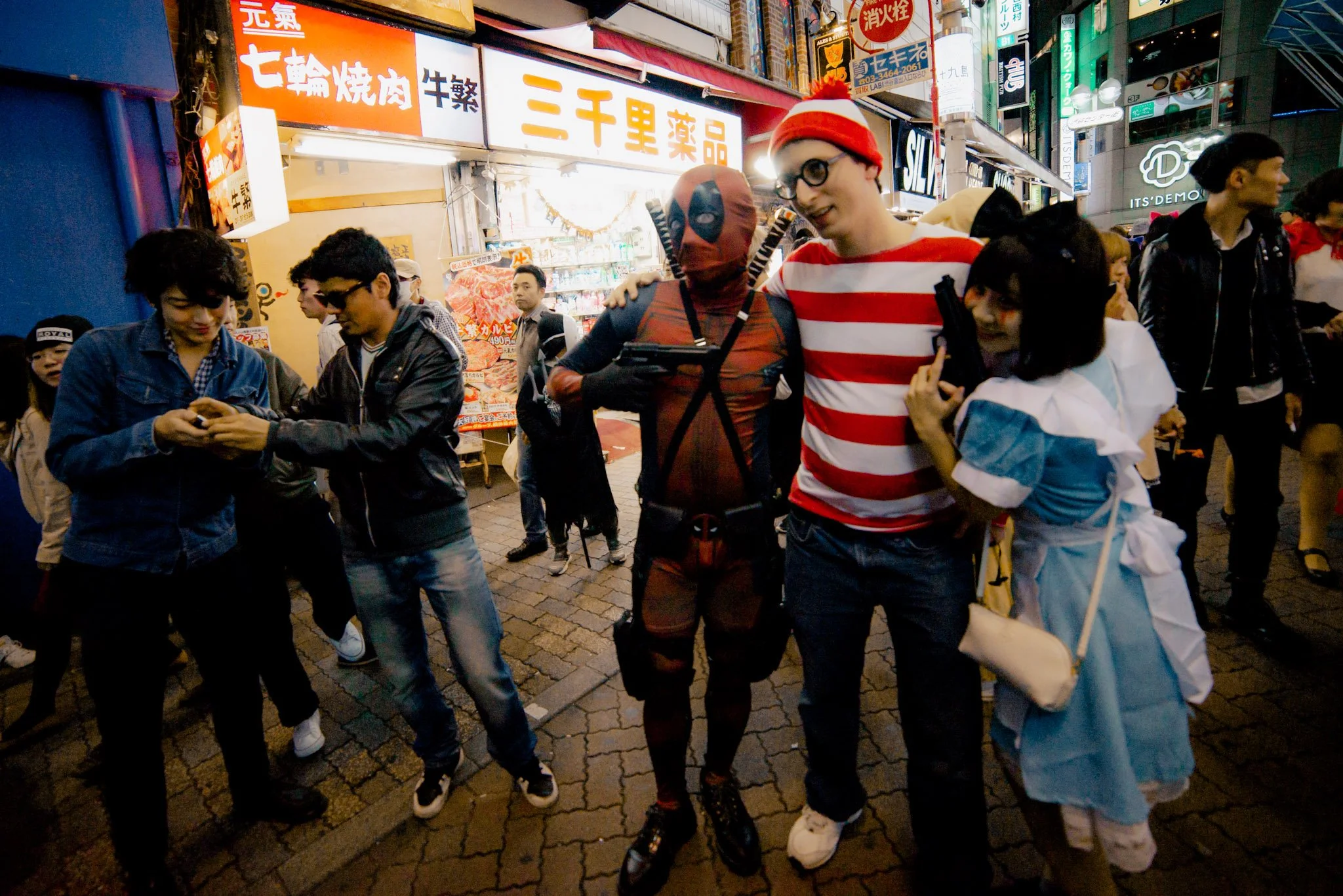
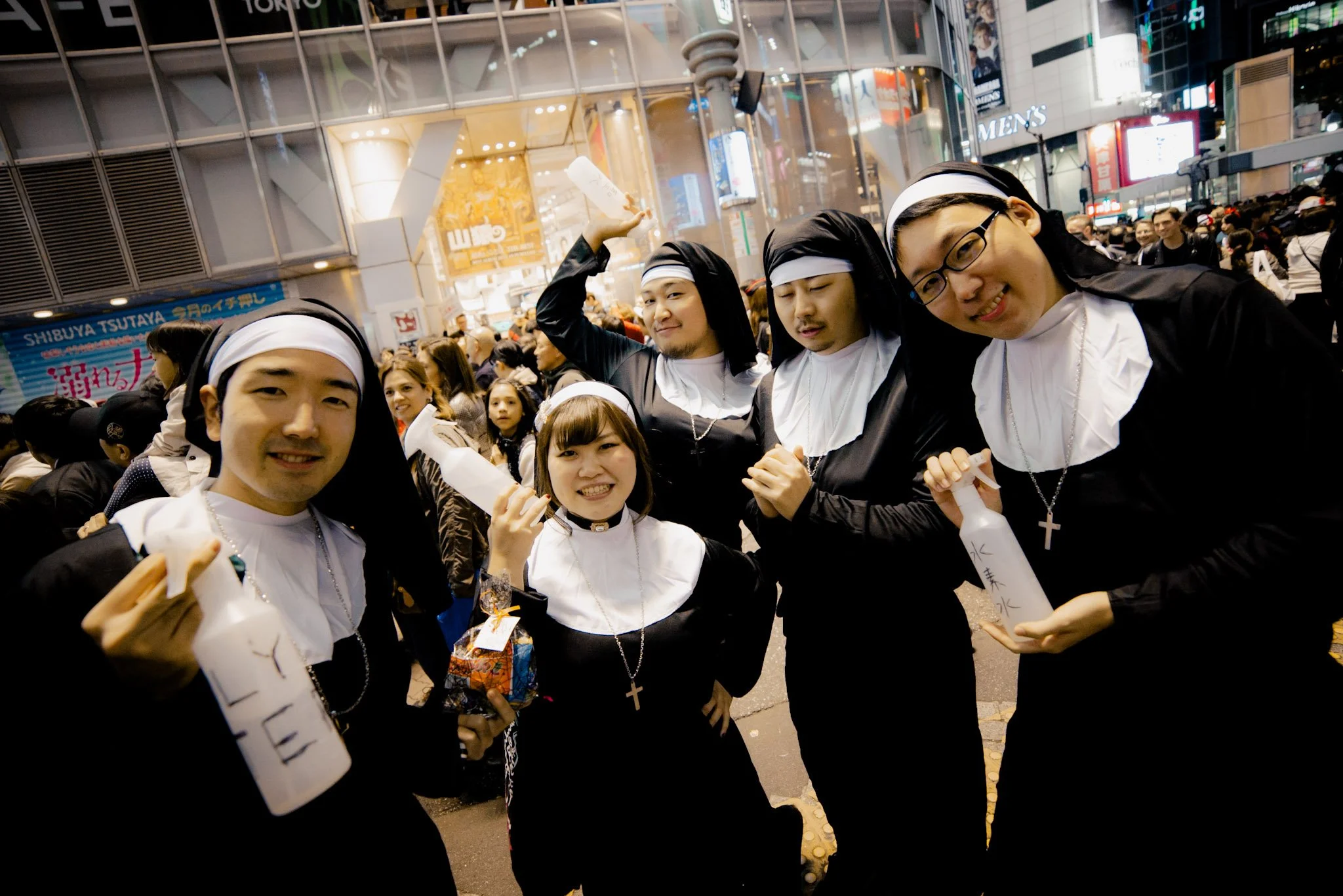
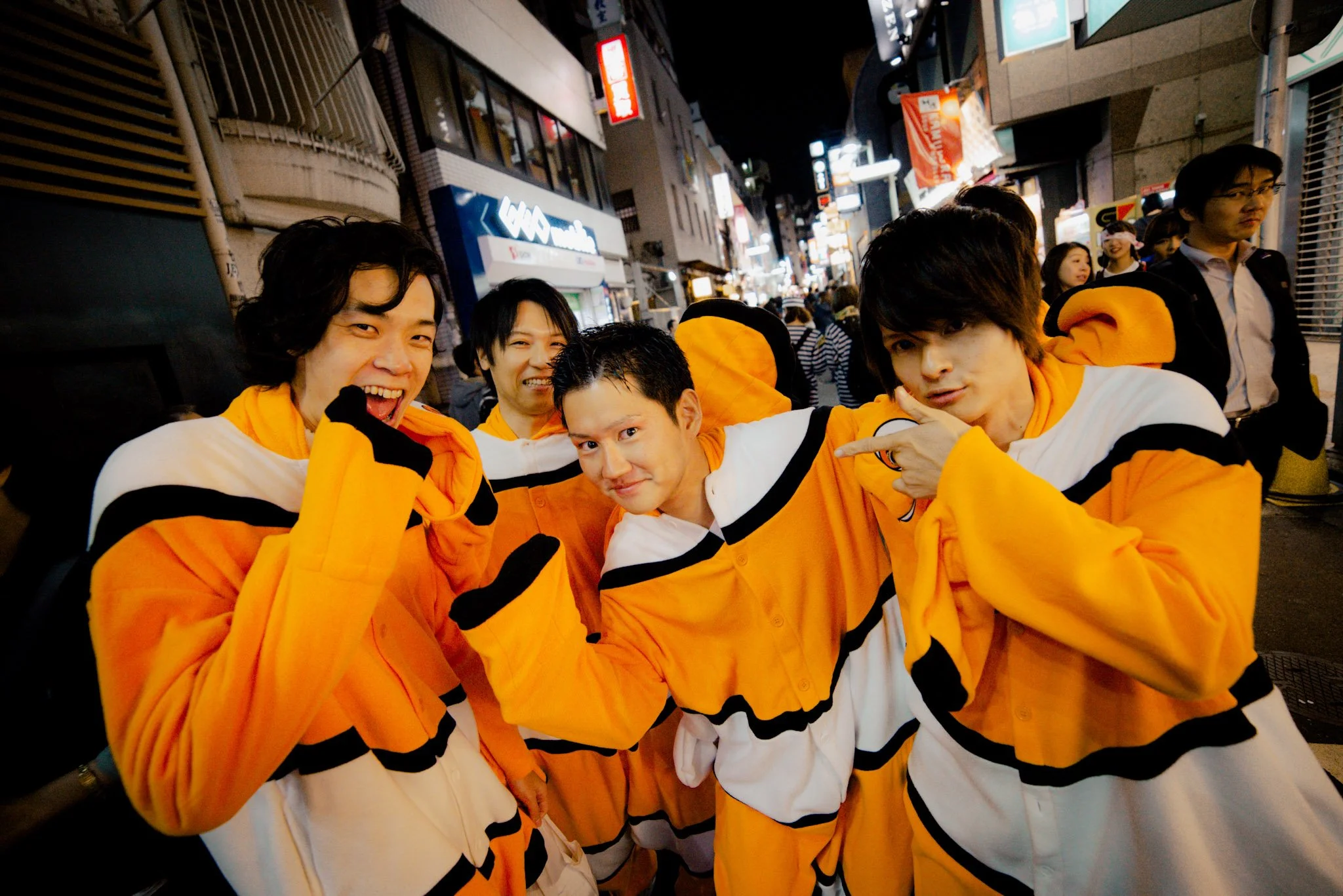
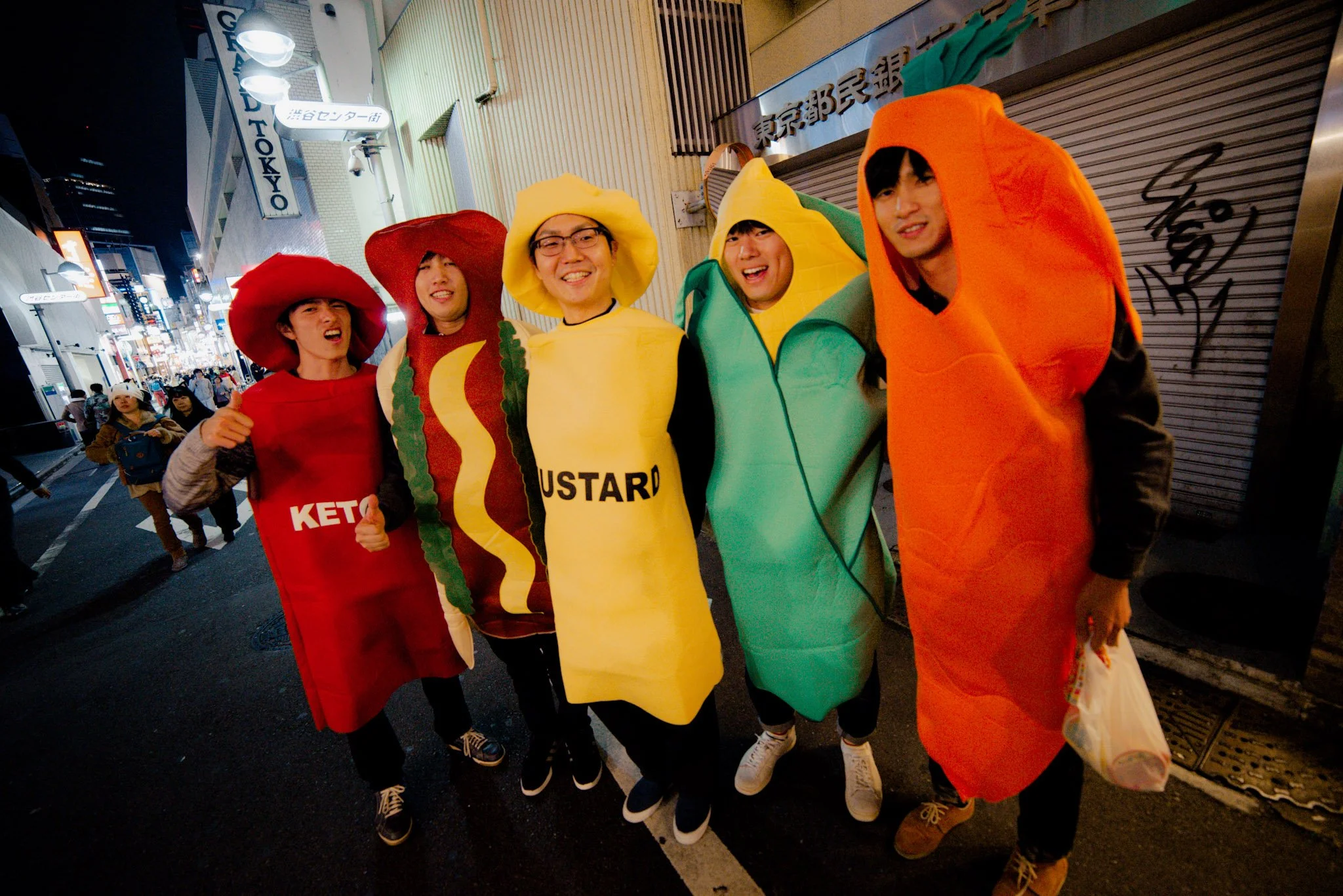
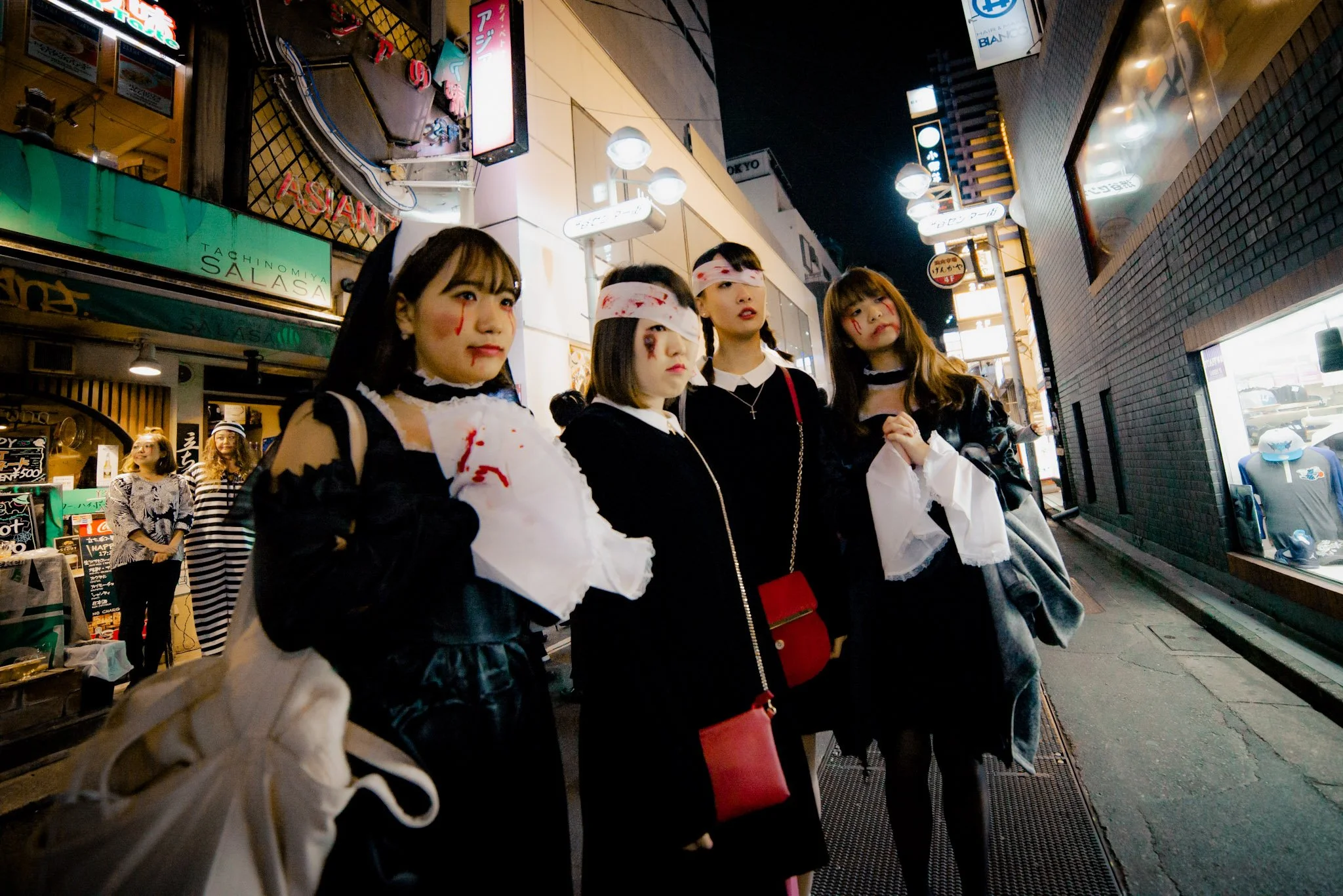
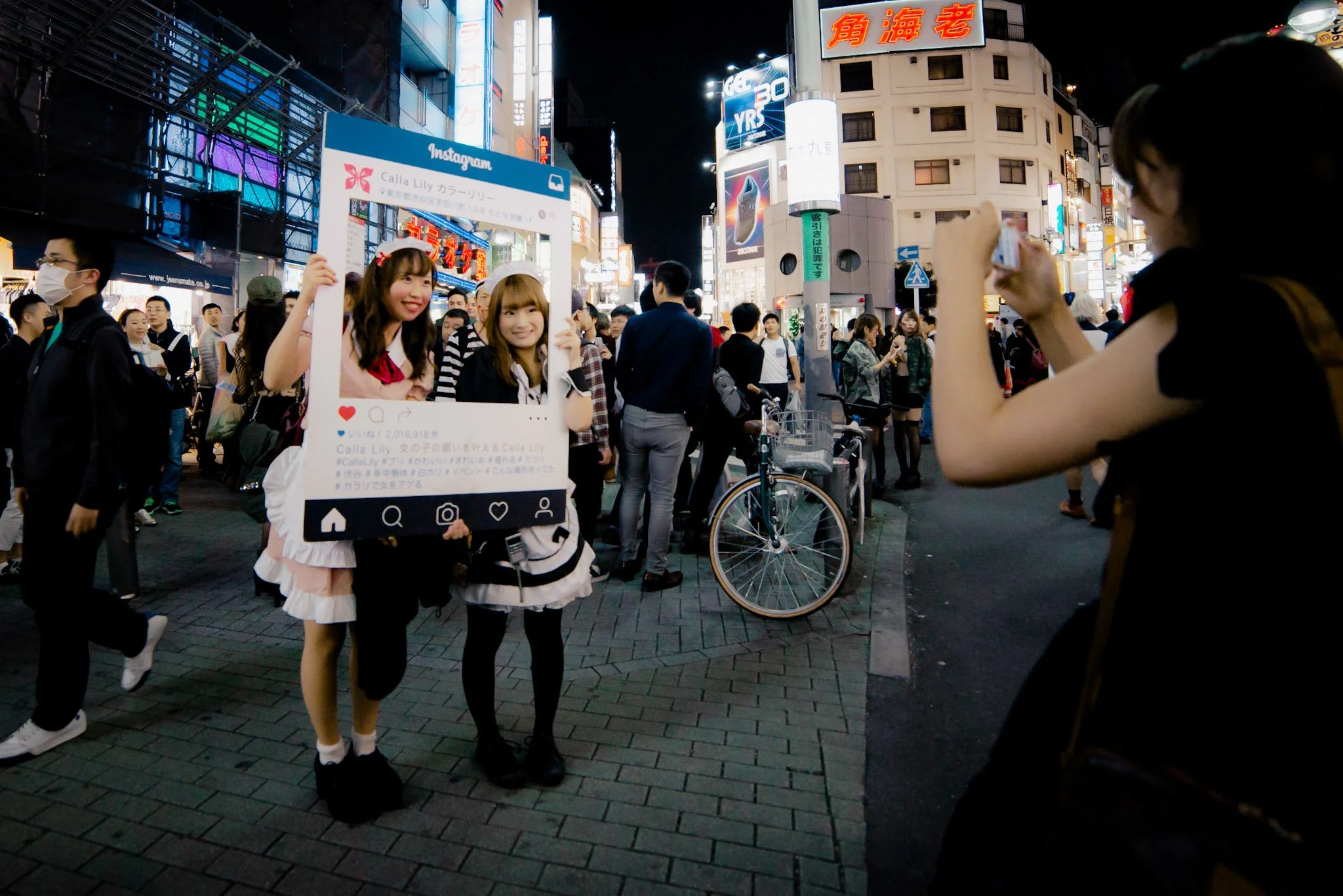
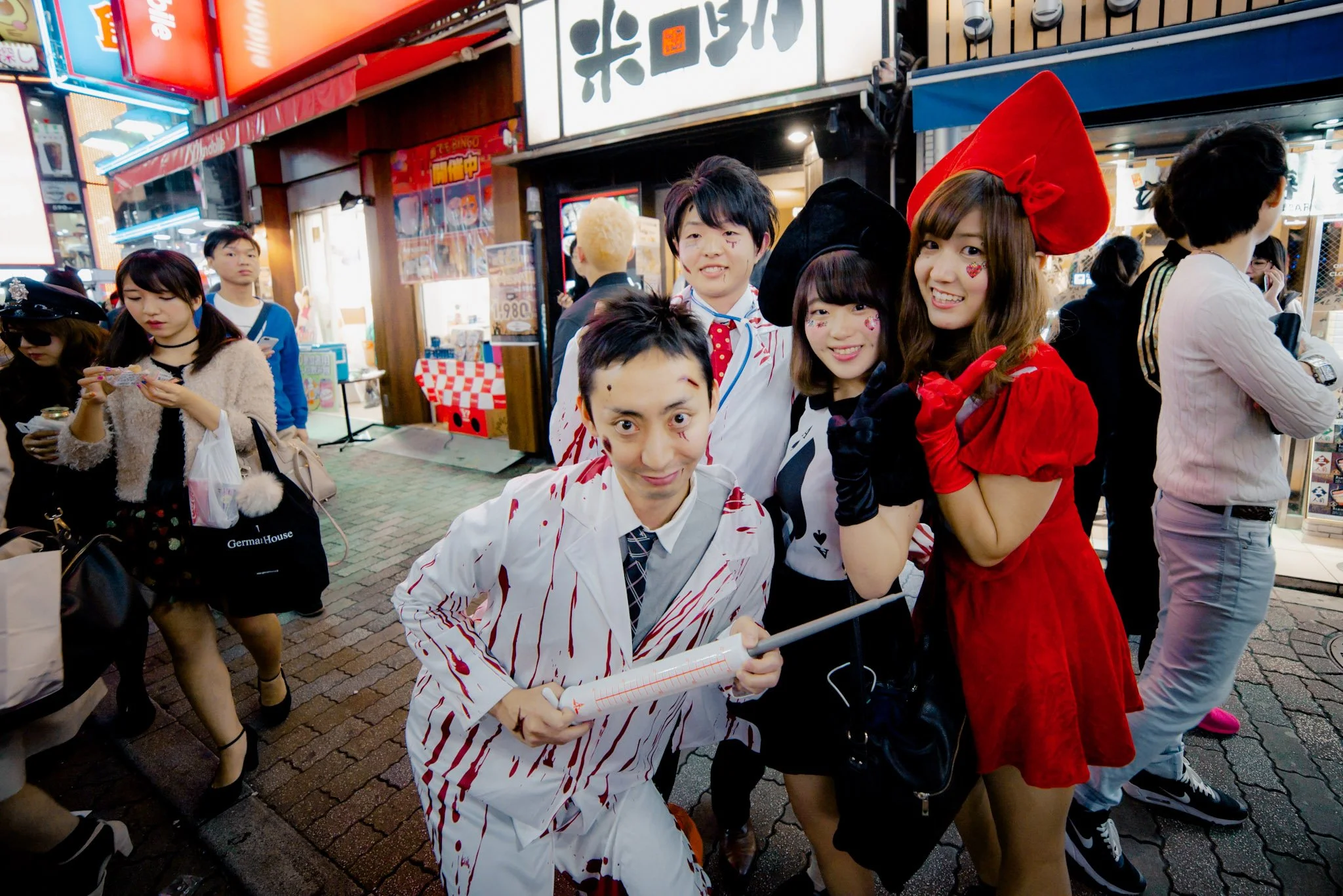
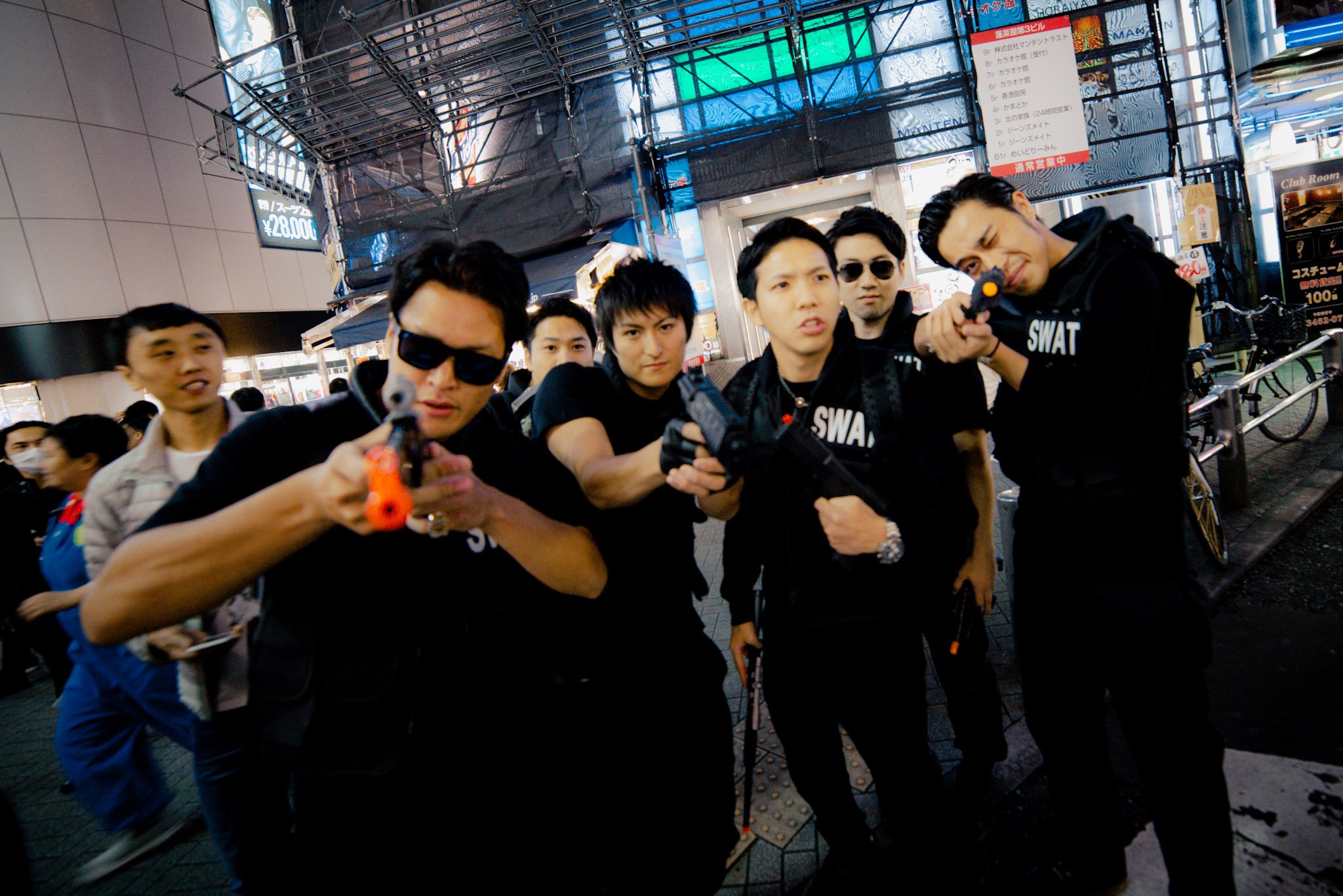
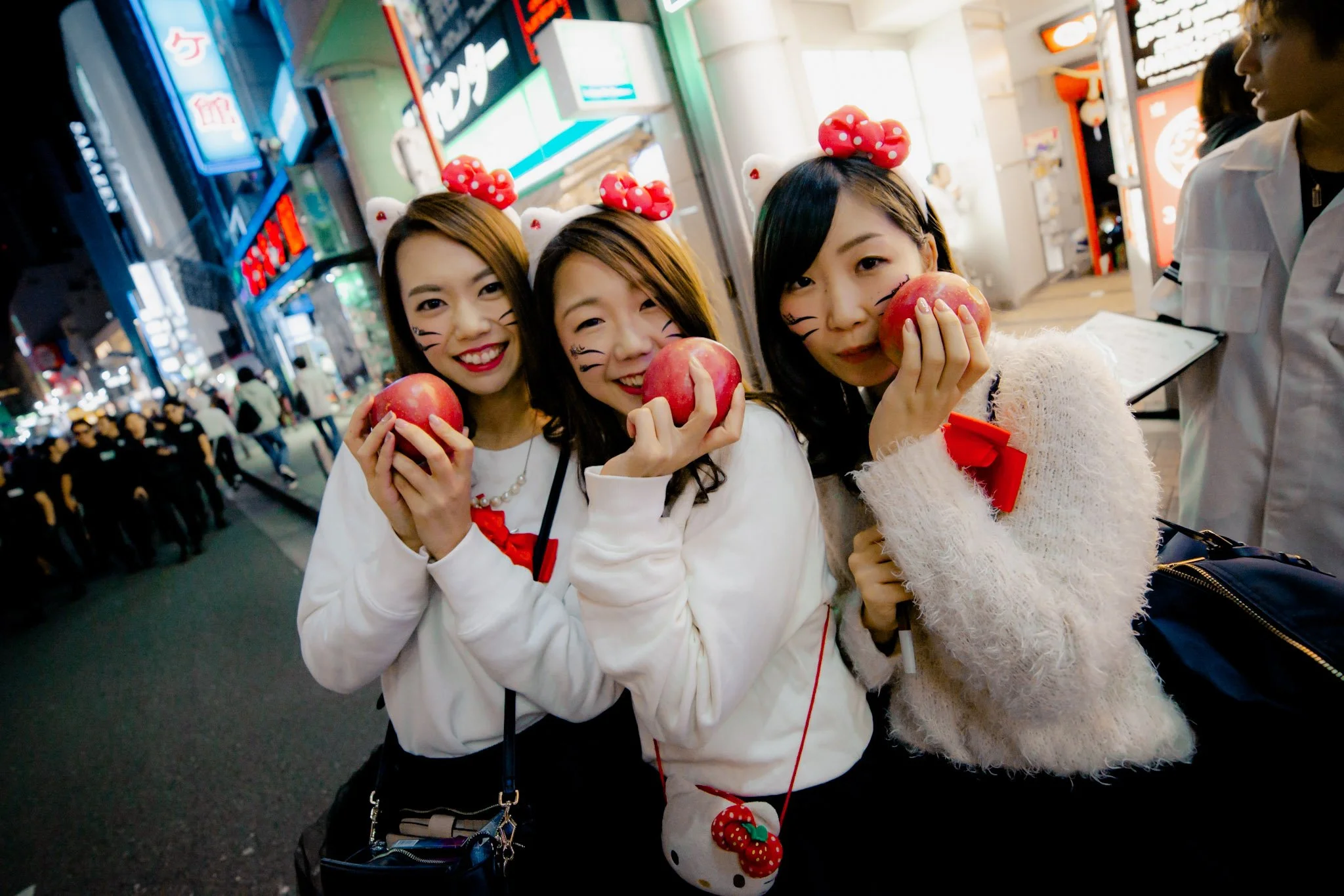
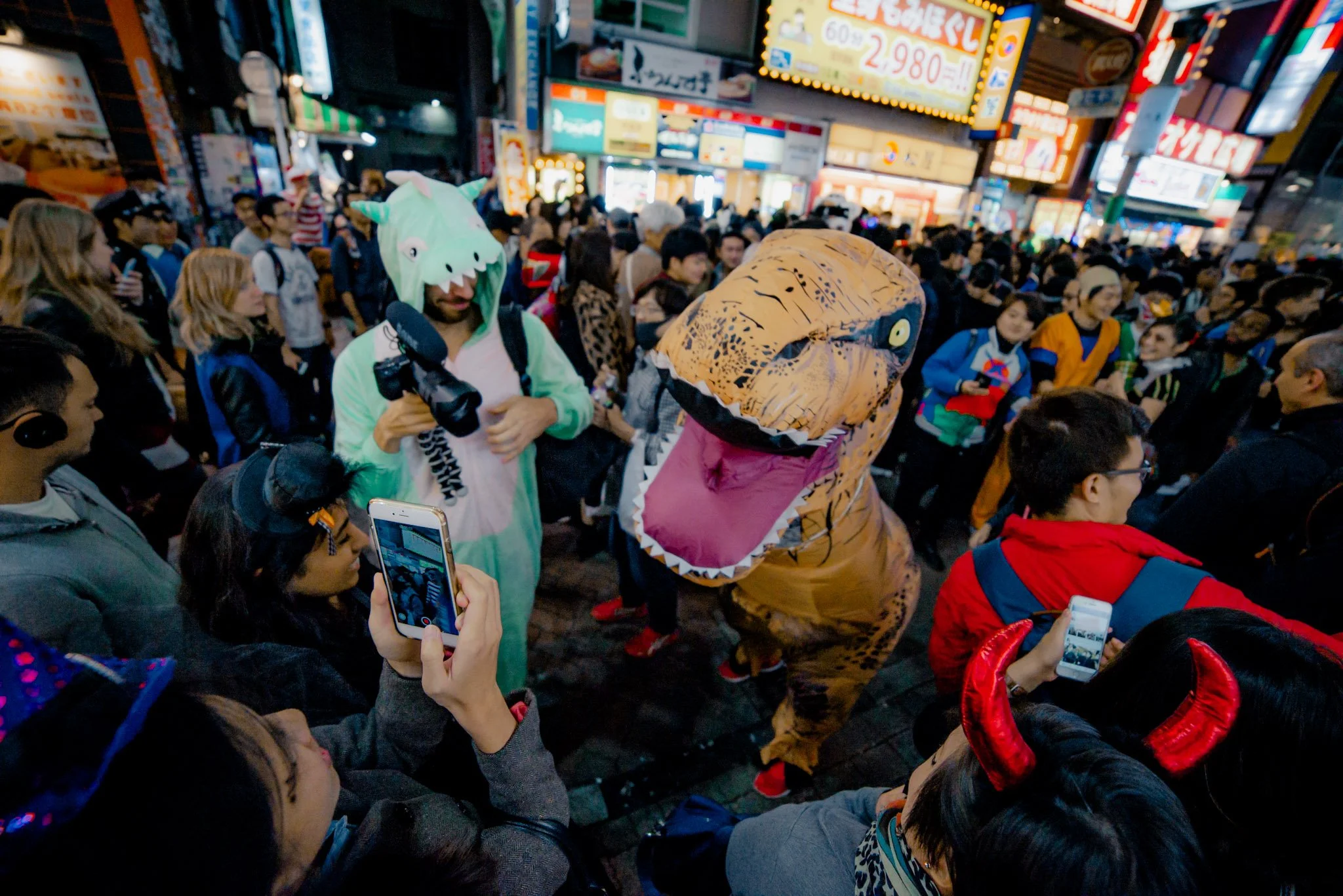
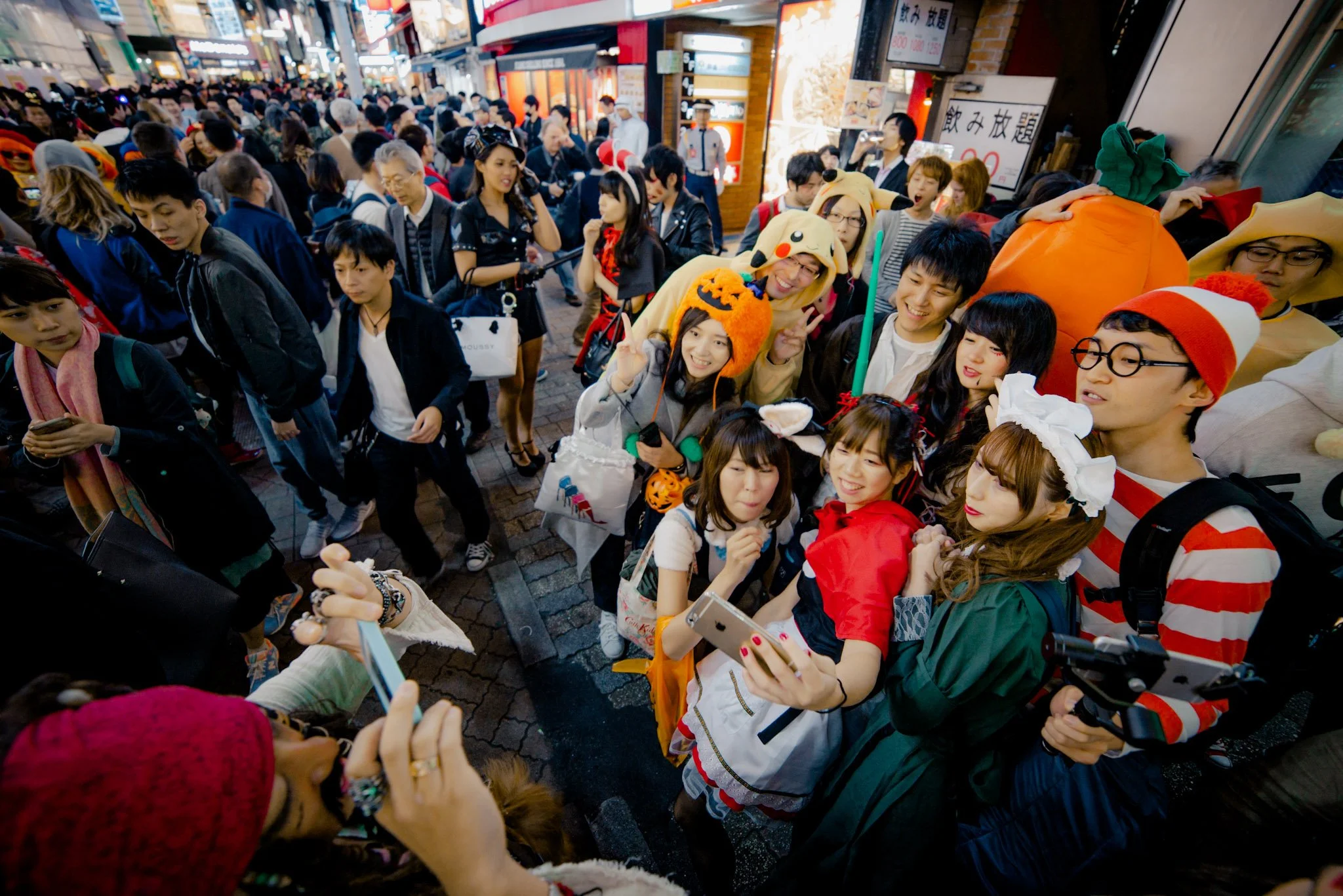
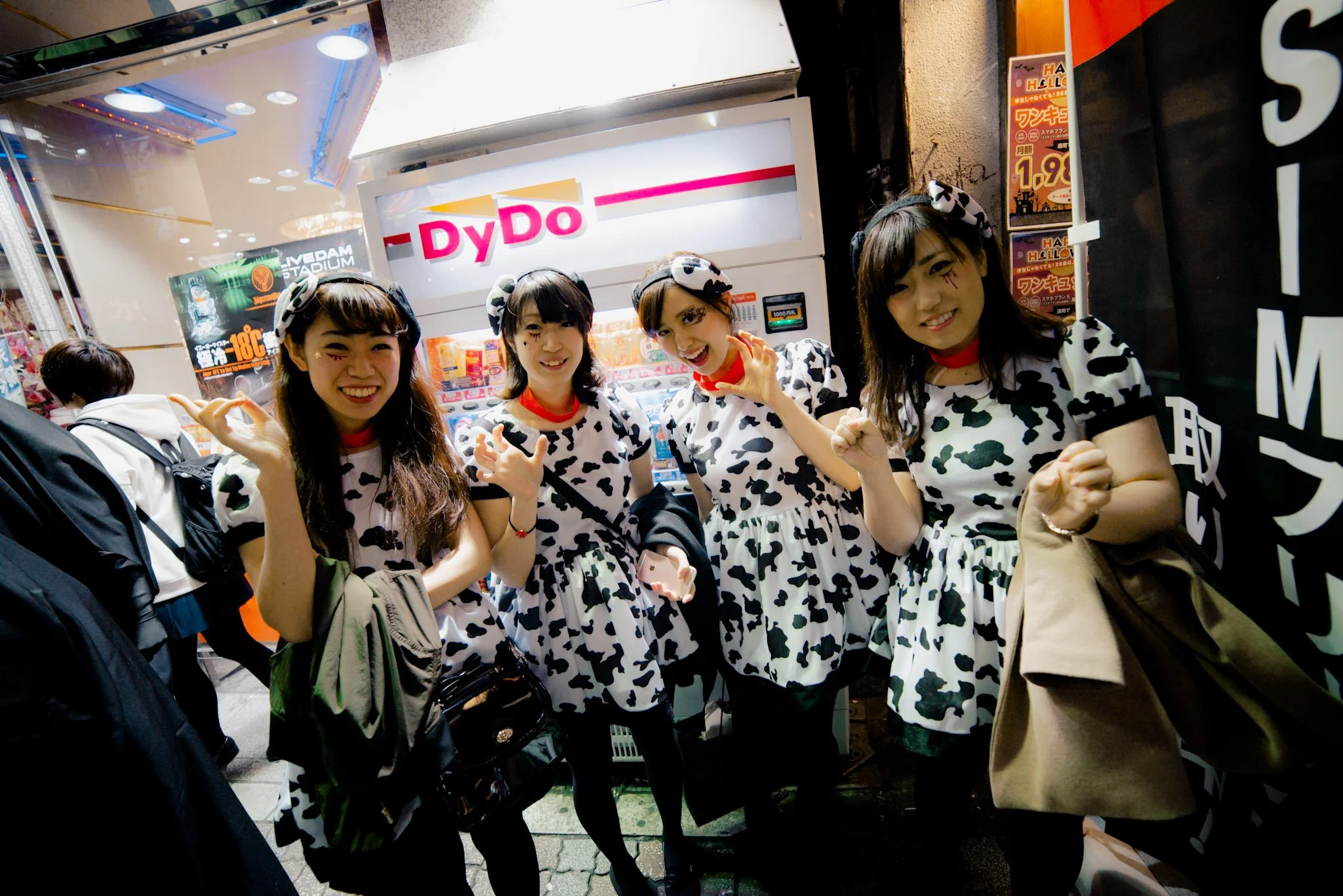
Crossing into Shibuya at that moment felt electric, and any tension I may have felt quickly turned into pure joy. Everywhere you looked, people were smiling, taking photos, showing off costumes — everything from cheap store-bought outfits to elaborate cosplay-level creations. As someone who gets fired up about photography and exploration, it was a dream to attend.
A Photographer’s Perspective
My friend and I weren’t in costume, of course, but that didn’t matter. The fun was simply in being there — walking through the crowd, taking photos, and soaking in the energy.
What really stood out to me was how open and friendly everyone was about being photographed. I tend to be a bit hesitant about approaching people for a photo, but at Shibuya Halloween, that hesitation disappeared. I feel like most people understand that being seen and documented is part of the experience of being in costume, and so events like this make it easier for me to approach people and ask for a photo.
Honestly, the number of awesome costumes makes it hard for me not to ask. I’m a huge fan of pop culture, so naturally, cosplay is something that strikes a cord with me. Being able to capture an IRL character (especially when executed well) is worth the little bit of discomfort or social awkwardness that comes with the exchange.
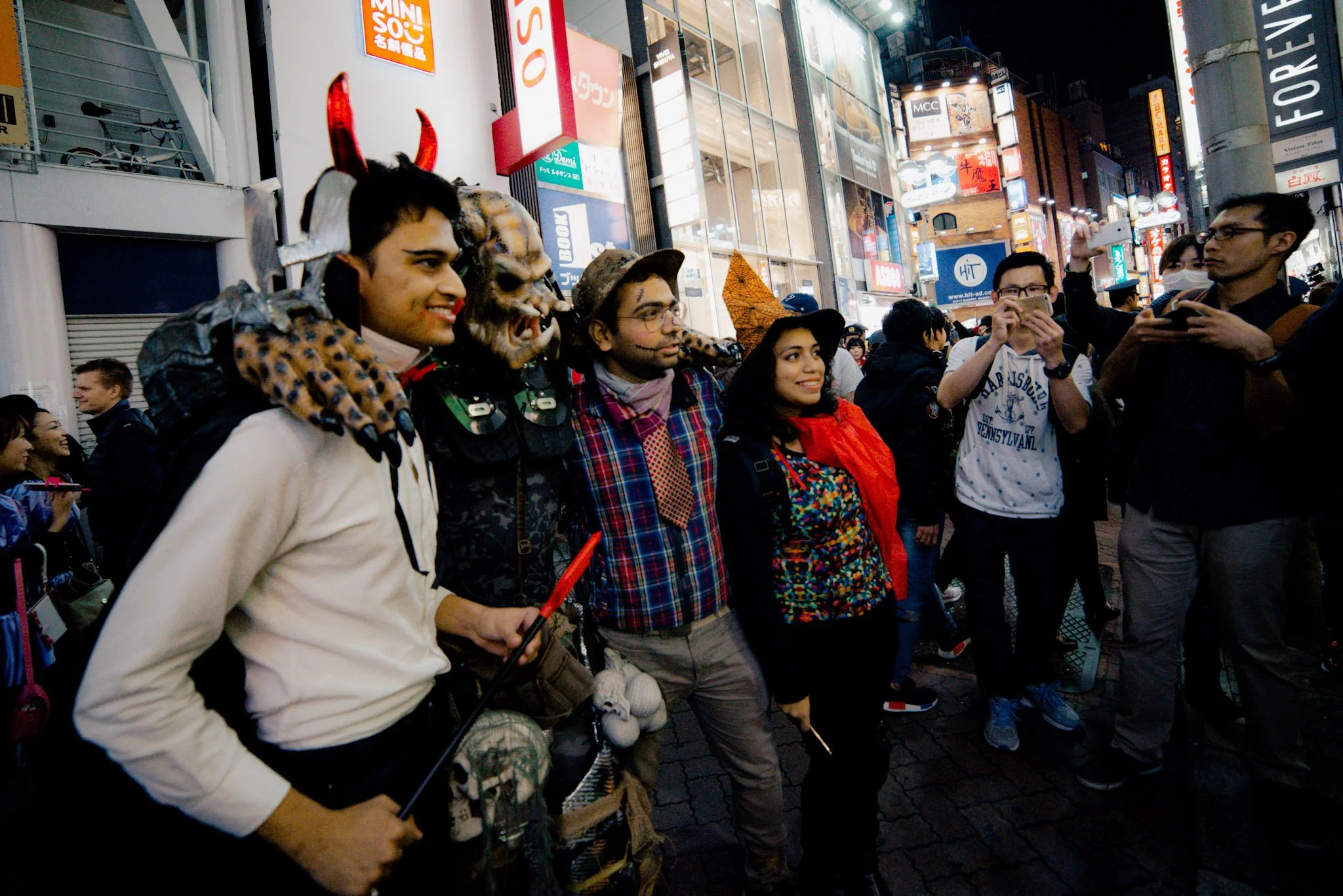
There’s something incredibly fun about a bunch of Friezas and Pikachus hanging out together in Tokyo.
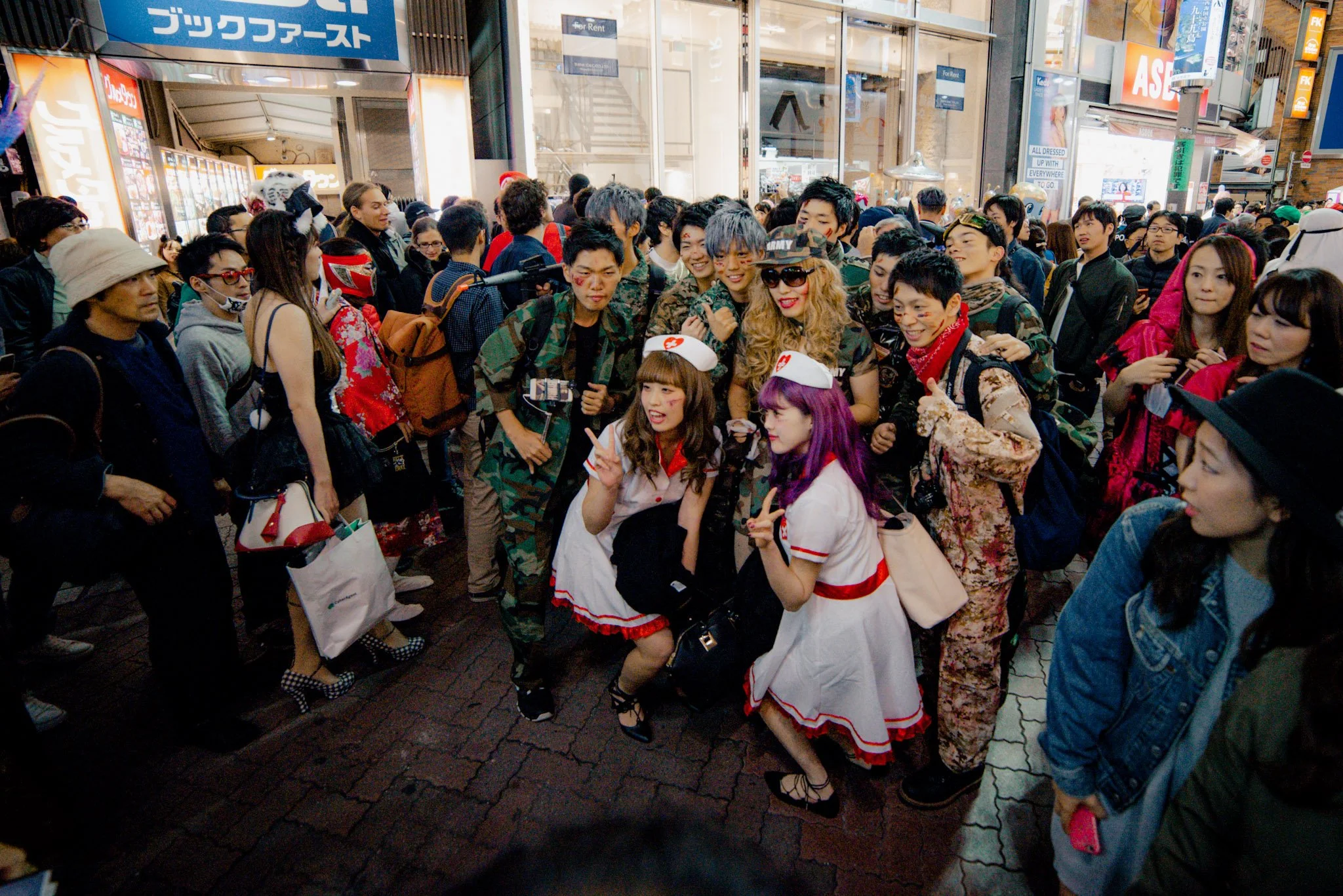
From a photography standpoint, it was incredible — a wealth of amazing subjects and lighting conditions that didn’t fight me. As far as subjects go, every corner offered a new scene: costumed characters posing under city lights, friends laughing in front of local businesses, spontaneous mashup circles forming in the middle of the crowd. I feel like I got something great no matter where I pointed my camera, and since there was a ton of light, I didn’t have to worry too much about settings- just point and shoot.
Reflections on the Event’s End
It’s strange to think that this same event is now essentially gone. Again, it appears people are still attending, but there’s no doubt that the local government is trying to kill it. It’s sad, because looking back, nothing about that night felt unsafe or unruly. The police presence kept things running smoothly, and the crowd — while massive — was positive and cooperative.
I completely understand the need for public safety and organization, but I can’t help but feel nostalgic for what Shibuya Halloween represented — a spontaneous, creative expression of Tokyo’s holiday culture. It was a little chaotic, yes, but in the best possible way.
Haunted Little Tokyo: A Local Alternative
These days, I’m at a different stage in life — family, responsibilities, and a little one at home mean late-night adventures like that are on hold for now. But I still find myself craving that same festive energy.
Here in Los Angeles, there’s an event called Haunted Little Tokyo, which I’ve always wanted to check out. It’s a much smaller Halloween celebration centered around LA’s Little Tokyo district, but from the photos I’ve seen, it gives off a similar vibe — costumes, street energy, and that mix of Japanese culture and community celebration. I won’t be able to check it out any time soon, and so I can’t say if it would scratch the same itch. But I at least did want to mention it as something local to consider if you’re interested.
Closing Thoughts
Looking back, that night in Shibuya remains one of my favorite travel memories — a time when Tokyo’s creativity and humanity were on full display. I hope that, one day, the event will return in its full glory — and that I’ll be fortunate enough to attend again.
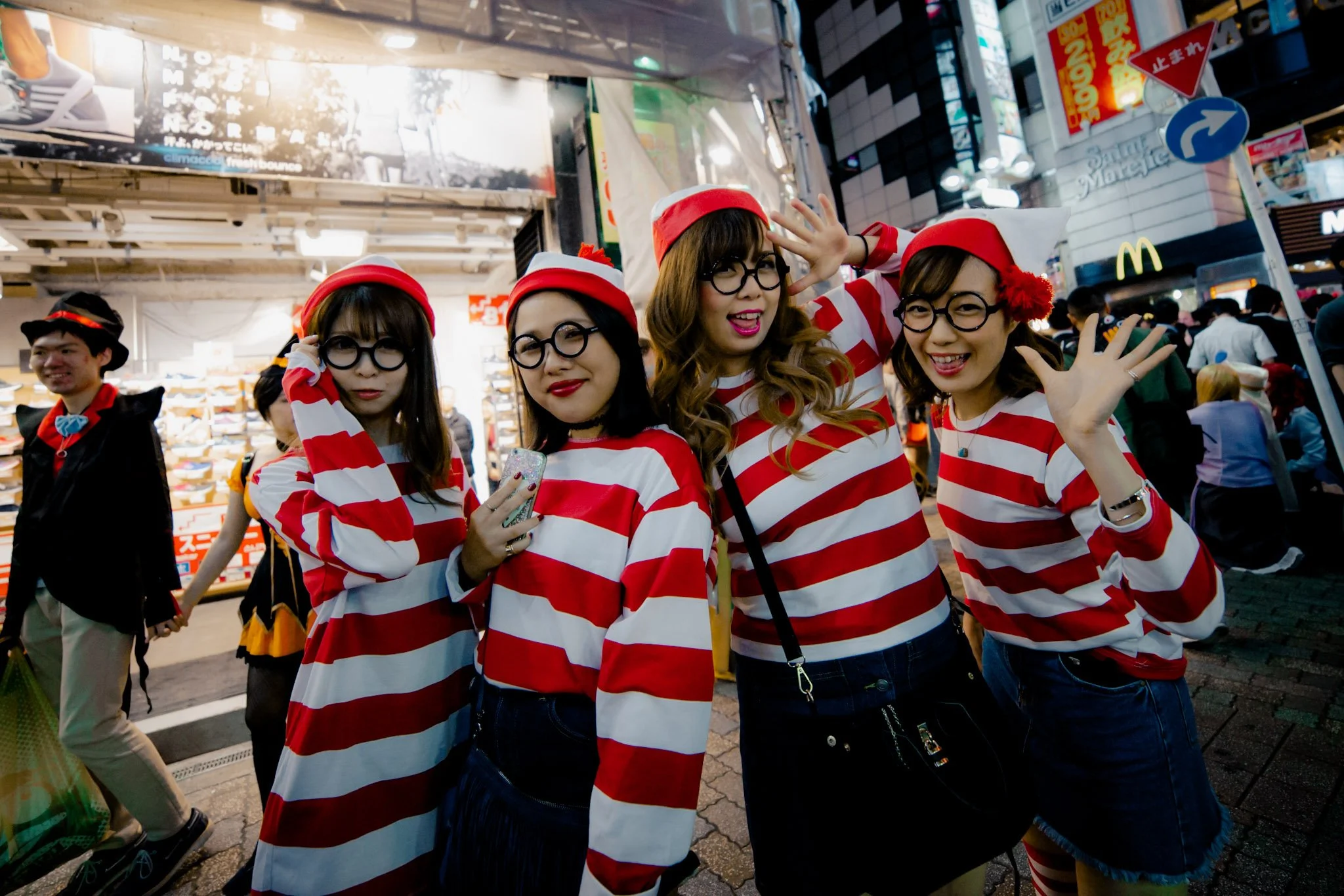
Until then, I’ll keep revisiting my photos and remembering what it felt like to be part of that incredible night. Please take a look at the rest of the shots from that night below!
If you’ve experienced Shibuya Halloween yourself, drop a comment or share your photos — I’d love to see them. You can find me on Instagram and Threads.
Happy Halloween — and here’s to the nights that remind us how creative and connected we can be.