
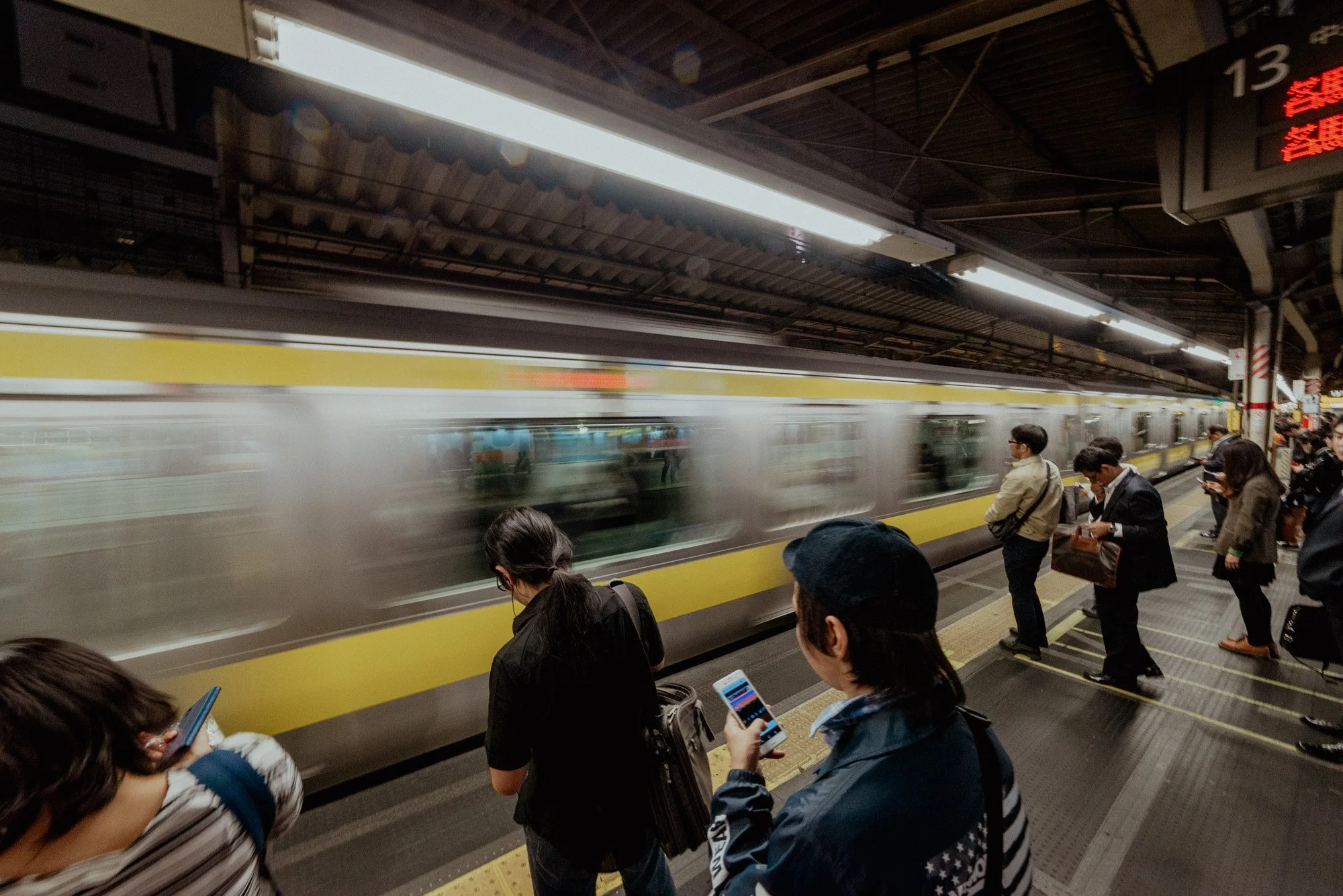
Tokyo Metro: Discovering The Unexpected Backbone of the City
When I look back on my trips to Tokyo, a handful of experiences rise to the top. Most of them are what you'd expect from travel: iconic destinations, hidden restaurants, shrines tucked between skyscrapers. But one of the most vivid and meaningful memories for me, was something I never planned to see or pursue. Something that happened entirely in the in-between moments.
It was the Tokyo Metro.
When I look back on my trips to Tokyo, a handful of experiences rise to the top. Most of them are what you'd expect from travel: iconic destinations, hidden restaurants, shrines tucked between skyscrapers. But one of the most vivid and meaningful memories for me, was something I never planned to see or pursue. Something that happened entirely in the in-between moments.
It was the Tokyo Metro.
A City Built Around Its Trains
Since I didn't have a car, the rail system became my primary way of getting around— which, if you know anything about Tokyo, makes complete sense. The Tokyo Metro and its connecting lines form one of the densest, most expansive rail networks on the planet. It’s not just a typical municipal transit network, it’s Tokyo’s circulatory system; a web of rail and steel that blankets nearly all of the city’s urban sprawl.
This is the Tokyo Rail System— a frighteningly intimidating ball of colored lines and text. But once you get the hang of it, it’s very straightforward. Source: Tokyo Metro
And here's the thing: you genuinely do not need anything else to traverse the city. Not taxis, nor rental cars, not even buses. Yes, those options exist, should you want them. But in my experience, almost every place I wanted to go was accessible on foot from a station, so I never found myself wanting for other forms of transit. That feels almost miraculous, as a resident of Los Angeles, where car-ownership is an imperative.
Safety, Cleanliness, and the Little Courtesies
The contrast with LA's Metro wasn't lost on me. At the time of my visits, I never once felt unsafe on the Tokyo rail system— and while I'll acknowledge that being a tall adult male affects how I experience public spaces, the difference in atmosphere was genuinely noticeable, even more me. There was a sense of order and mutual respect that felt deeply embedded in the city’s train-riding culture.
Cleanliness was another thing. Tokyo has a well-earned reputation for tidiness, and the Metro reflected that. Nothing felt grim or neglected. Both the stations and the cars themselves were easy, clean, and just... fine. And don’t misunderstand— in this situation, being satisfactorily forgettable is exactly what you want. Ideal public transportation means getting from point A to point B without being left with a bad impression or dealing with unnecessary annoyances and inconveniences.
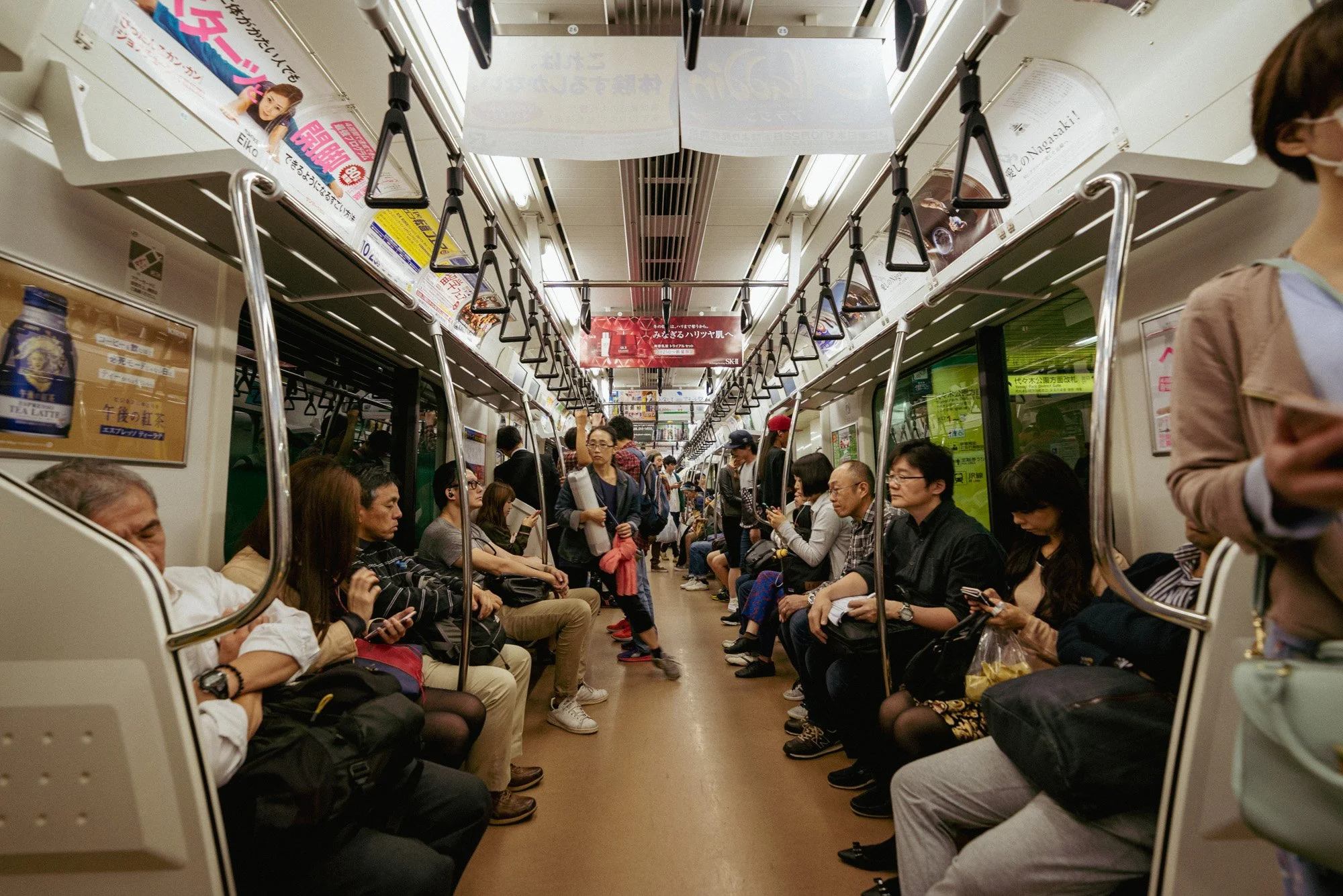
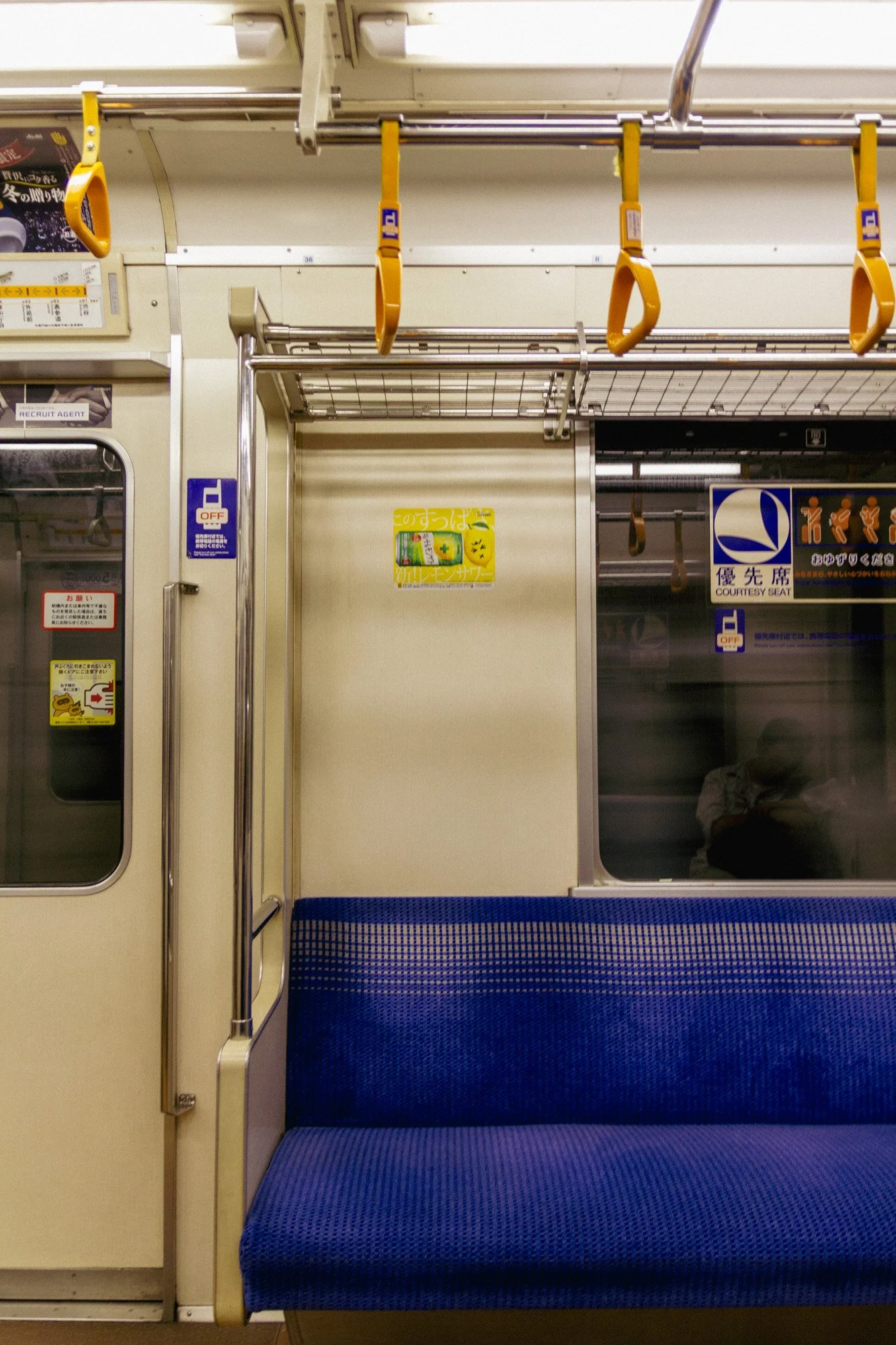
The interior of this rail car was absolutely spotless.
A few other small touches stood out as uniquely considerate: reserved seating for elderly passengers and women-only train cars during certain hours. These aren't dramatic gestures, but they signal a thoughtfulness about who uses the system and what they might need— a kind of quiet civic care that goes beyond the bare minimums of wheelchair ramps or brail text. I found it genuinely refreshing.
This sign was posted above select seats and indicates that they should be prioritized for passengers with special conditions.
One important caveat: my last visit was nearly a decade ago. Tokyo has changed— by many accounts, significantly— so I can only speak to what the experience was then. But that said, I still continue to see testimonials that line up with what I saw. If you've been there more recently, and your experience differs, please leave a comment and let me know.
The Visual Life of a Daily Commute
Here's where things got unexpectedly rich for me as someone who walks around with a camera.
Most of the time, the view outside a train window is walls, buildings, infrastructure— the grey impression of a city in motion. But every so often, the urban density would suddenly open up and you'd be met with long street corridors or sweeping panoramas of rooftops stretching toward the horizon. It often passed in seconds, but it always had surreal quality to it— like watching a vast expanse in a fantasy world. I chased that shot whenever I was fortunate enough to see it coming.
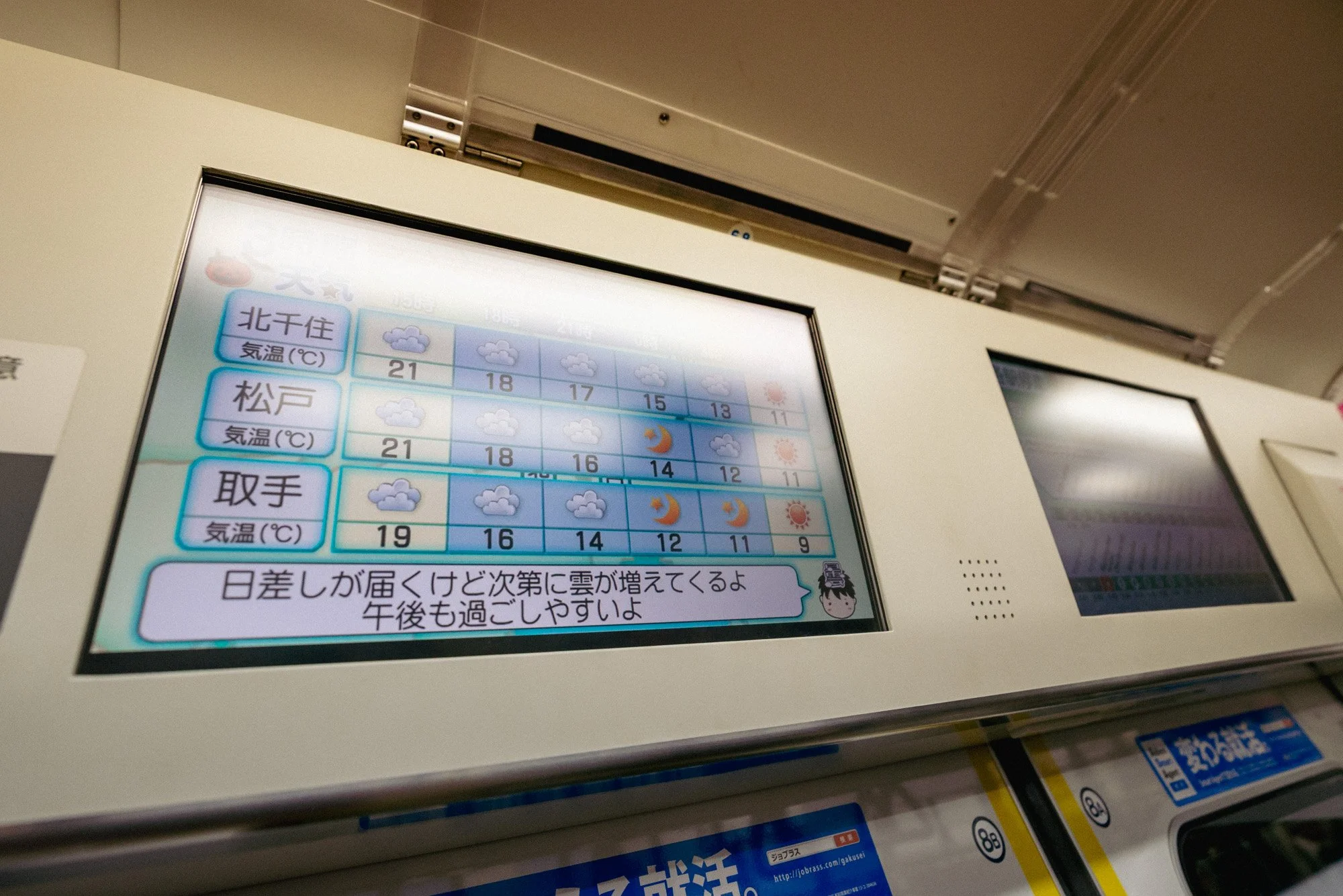
Then there were the ads and public signs. If you've spent any time immersed in Japanese visual culture, you know that design logic there is completely different from what we see in the West. Mascot characters pop up in unexpected places. Safety notices have a playful, almost youthful quality to them. Advertisements carry a weird quirkiness that feels distinctly Japanese — charming in a way that's hard to articulate but immediately recognizable.

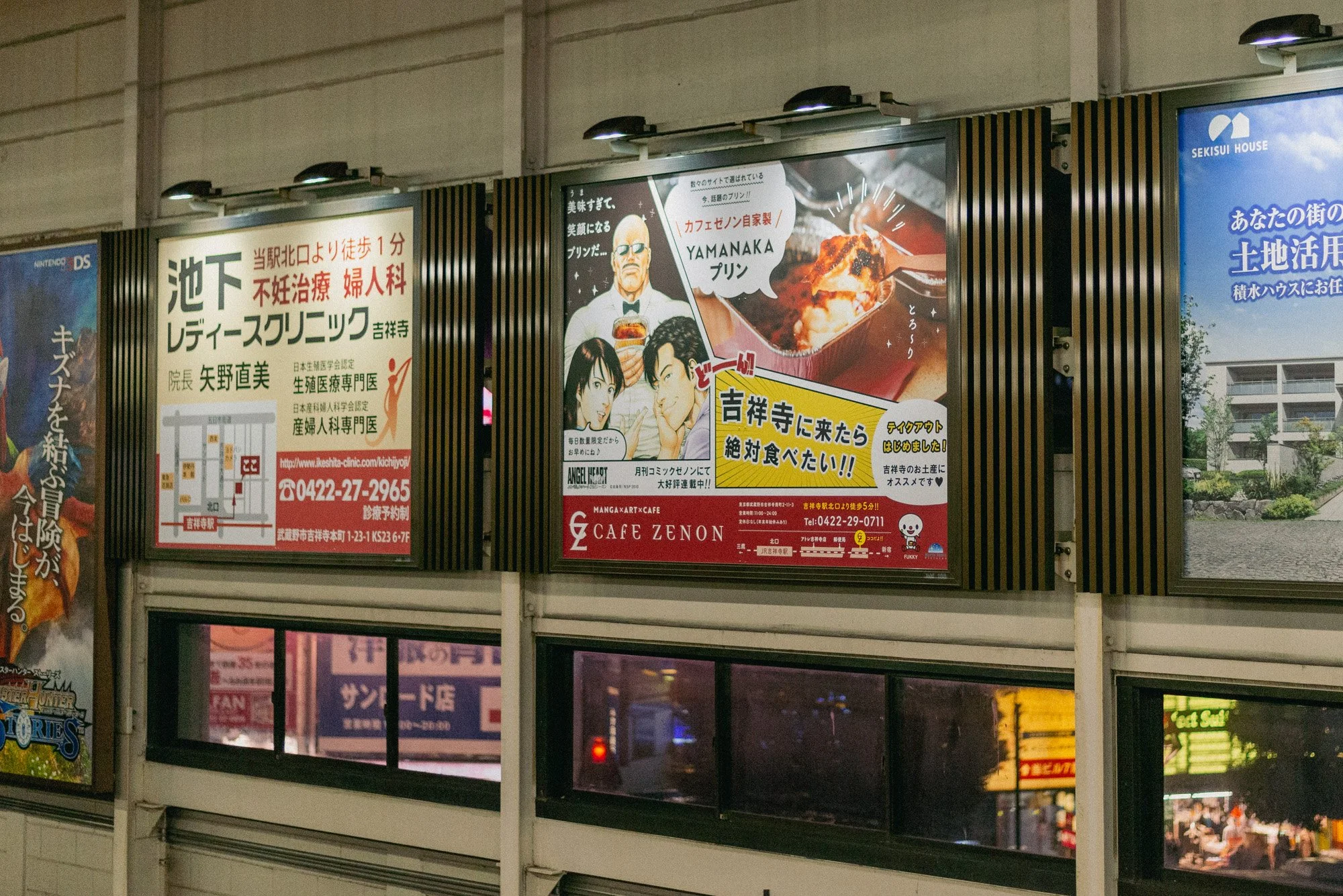
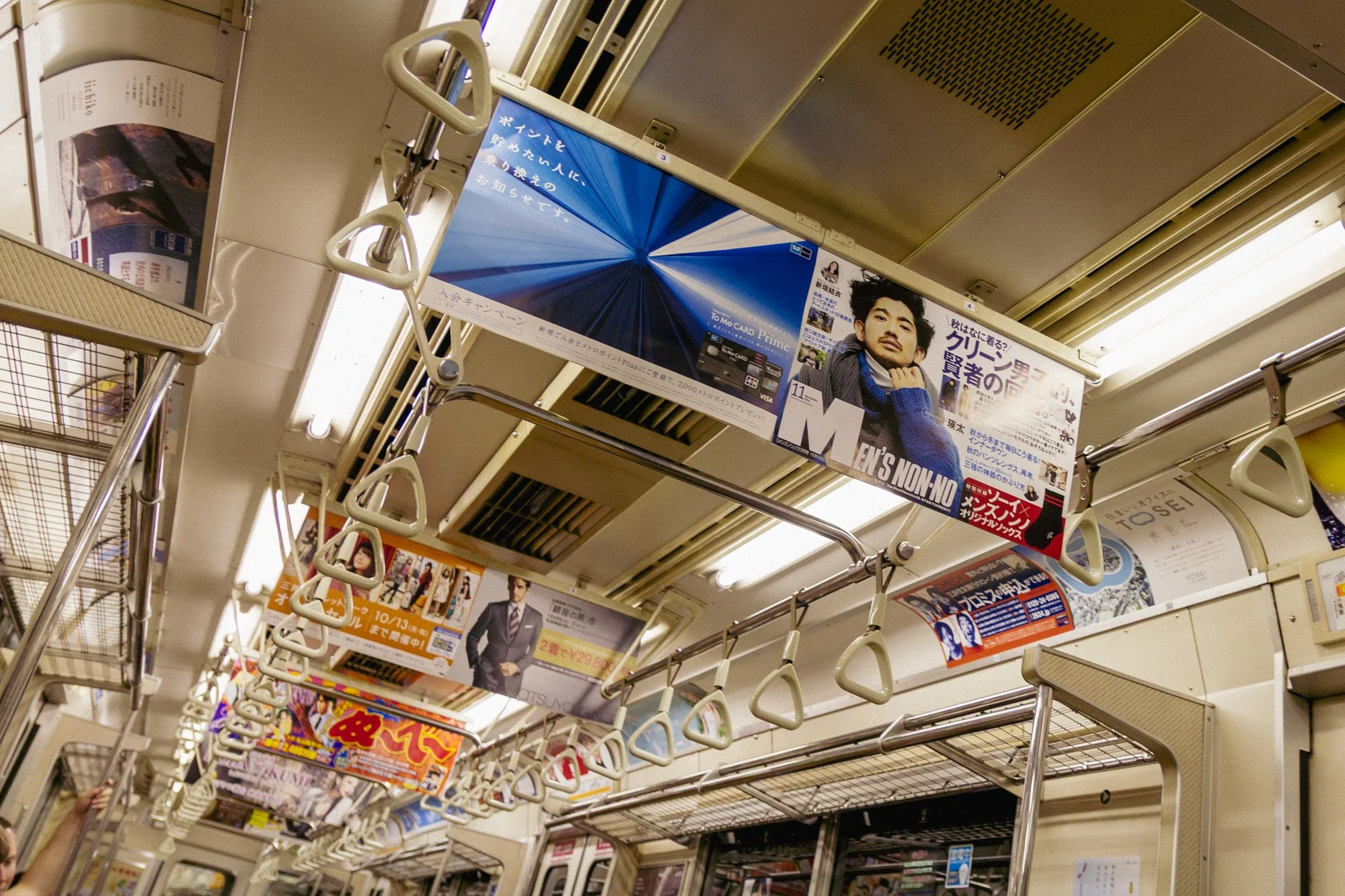
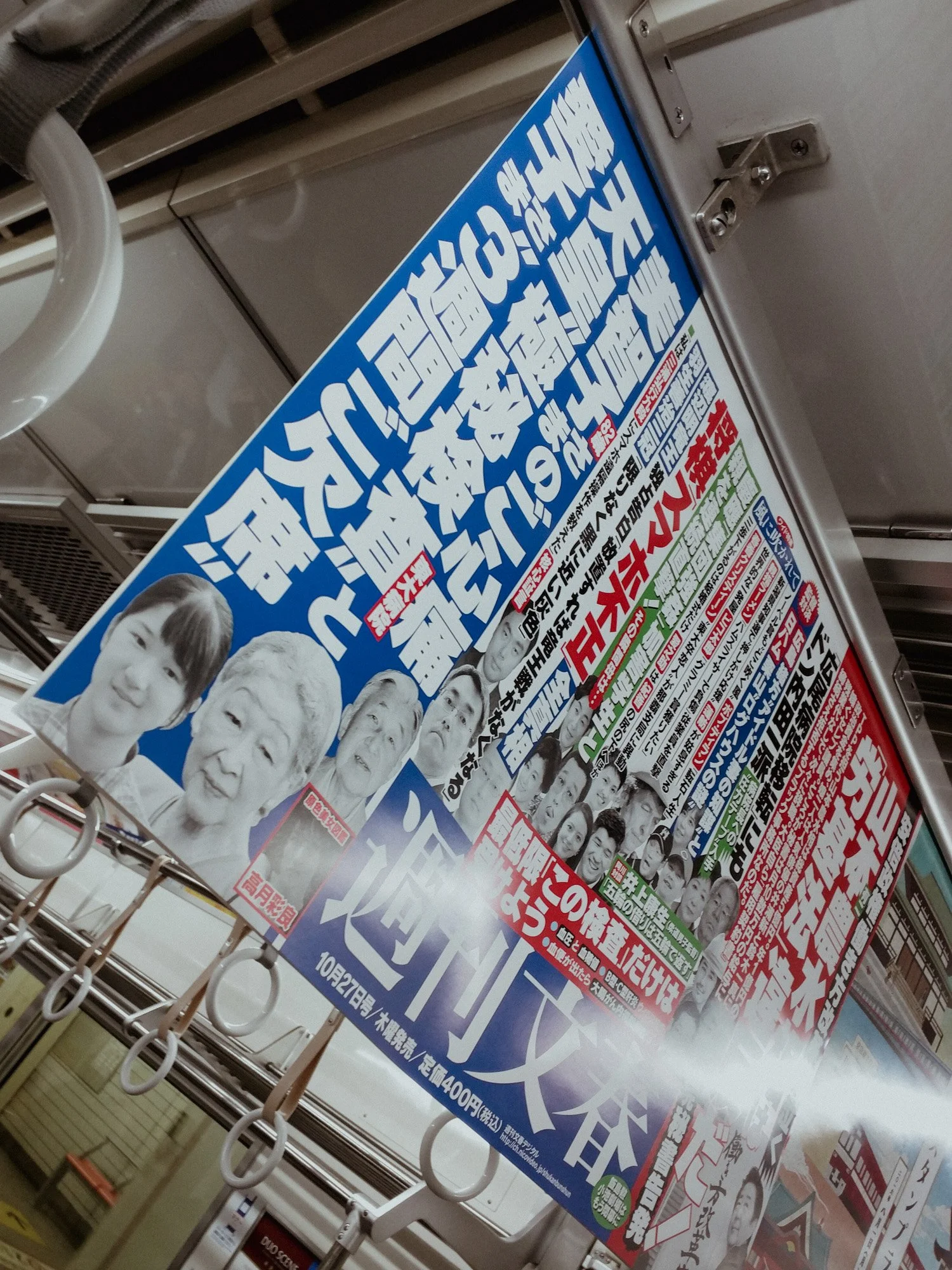
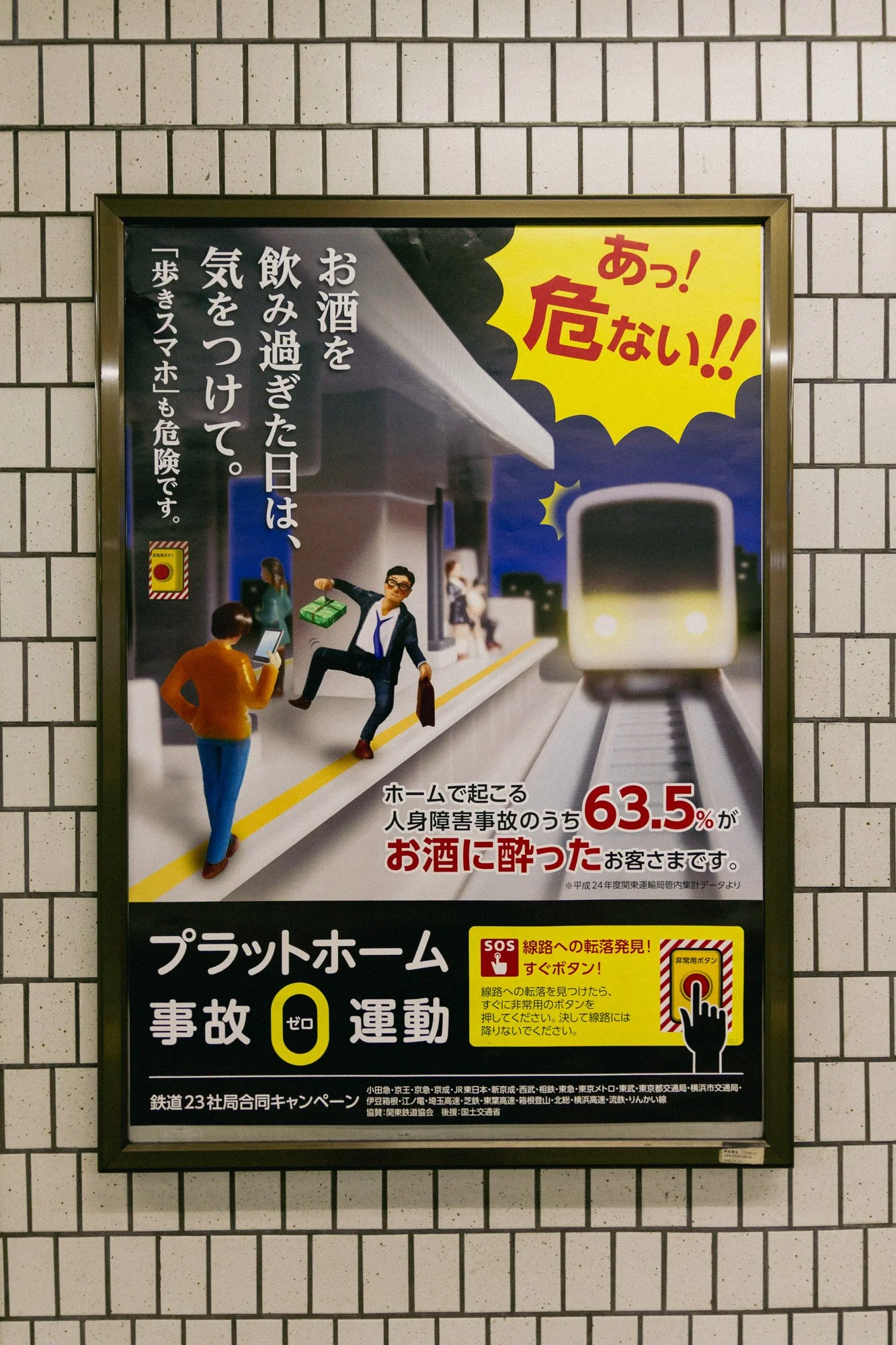

For creators and photographers especially, this is worth paying attention to. The Metro is essentially a curated gallery of contemporary Japanese graphic design, constantly refreshed and impossible to see anywhere else in the world in quite the same way.
A Flash of Light and Sound
I have to mention this one, even though— fair warning— it's not for the faint of heart.
Picture this: you're sitting quietly, watching the world pass by, maybe zoning out to the gentle rhythm of the train. And then BOOM!— an incoming train rockets past in the opposite direction, filling the window with a chaotic blur of light and color for less than a second, before vanishing completely back into silence.
Needless to say, I don’t have a photo of this. They were very unexpected, and honestly, not that common. I think I only experienced this on the route from Narita Airport to Tokyo, and maybe a couple other times. It probably only happens on longer routes where the train can really get up to speed.
Speaking of unexpected, I am not a fan of jump scares. But looking back? Those moments were kind of electric. There's something about that instant of shock dissolving into awe that sticks with you. It's the rail system reminding you, briefly and dramatically, just how fast things can move in this city.
On the Crowds (It's Not as Bad as You Think)
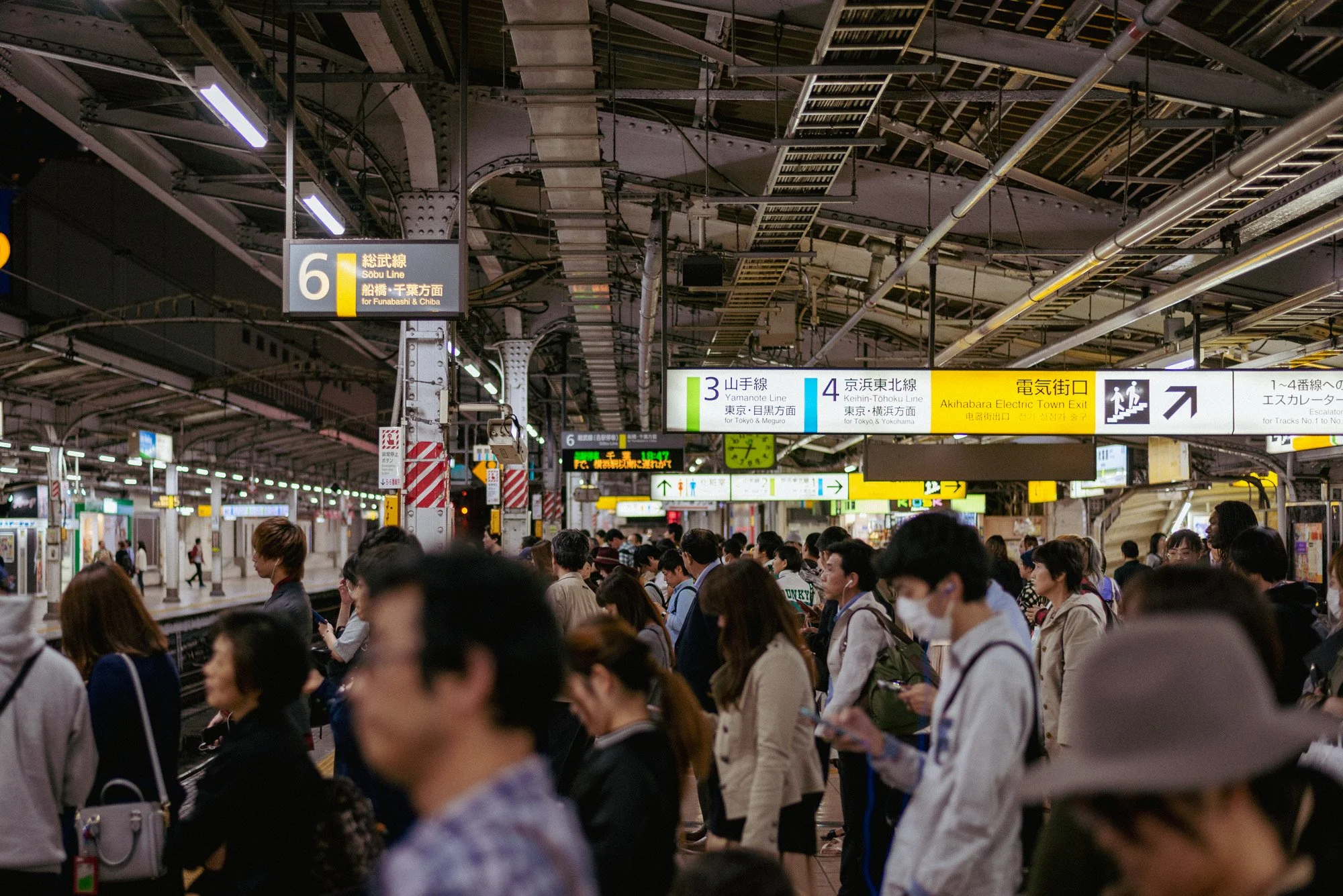
If you're planning a trip and dreading rush hour— fair. Peak times on the Tokyo Metro are genuinely packed, the kind of packed where personal space becomes a myth and the train honestly sounds like it might just derail. Those are the moments you just have to breathe through.
Across all of my visits to Tokyo, I only had to deal with this 2 or 3 times.
But they're the exception, not the rule. Outside of rush hour, I consistently found open seats and a comfortable amount of space. The experience normalized quickly into something calm and even pleasant.
And calm is the operative word. There's an unwritten etiquette on the Metro— voices stay low, phone calls don't happen, and the general energy is one of collective quiet. You might catch a soft conversation nearby, or someone lost in a mobile game, but the train itself is a remarkably peaceful space. For anyone who finds transit exhausting, Tokyo's Metro is a surprisingly restorative exception.
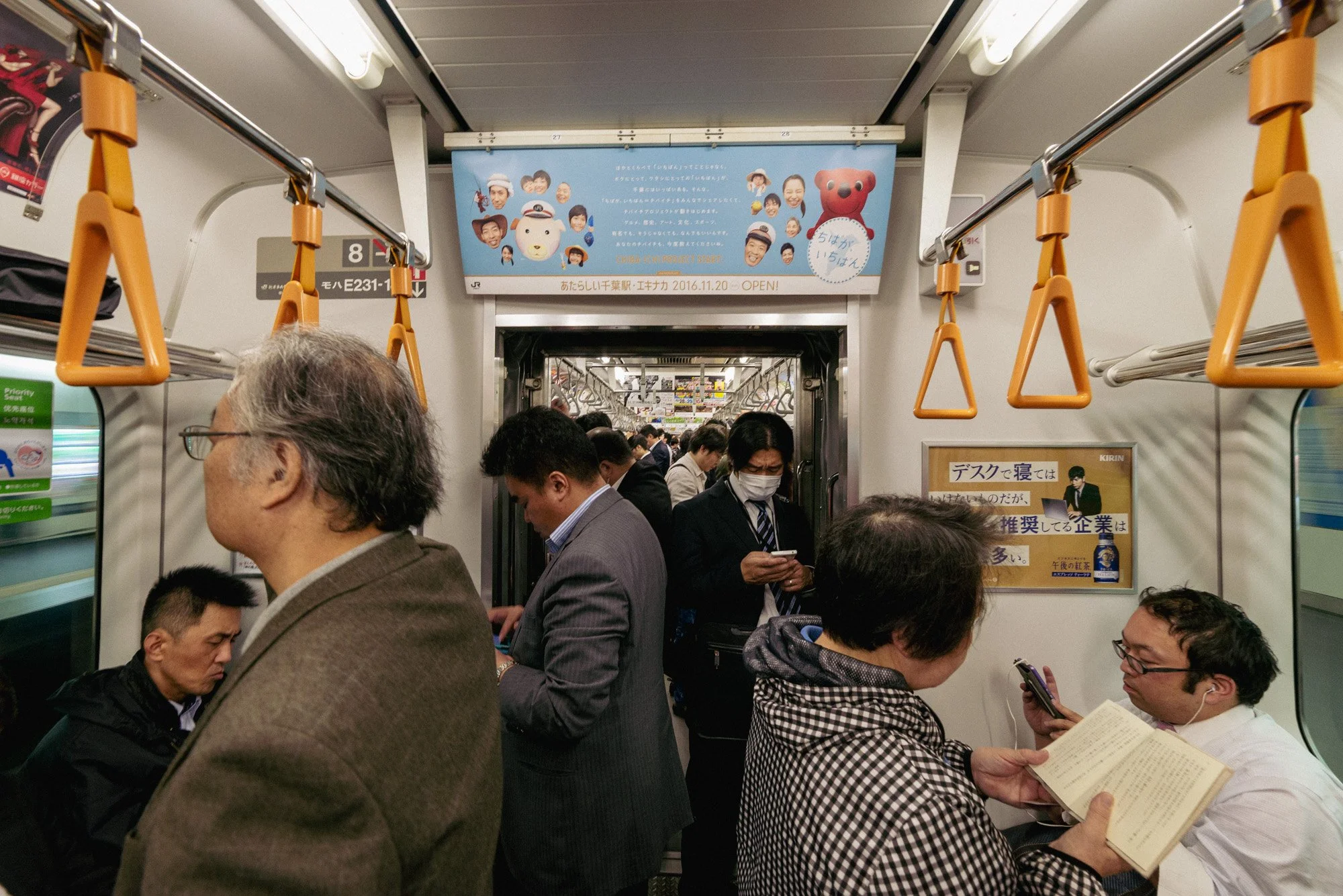
For me, this was about as crowded as the trains got. Again, rush hour is the exception, but as a tourist, I never really found myself commuting during those times.
What I Didn't Expect to Find in My Camera Roll
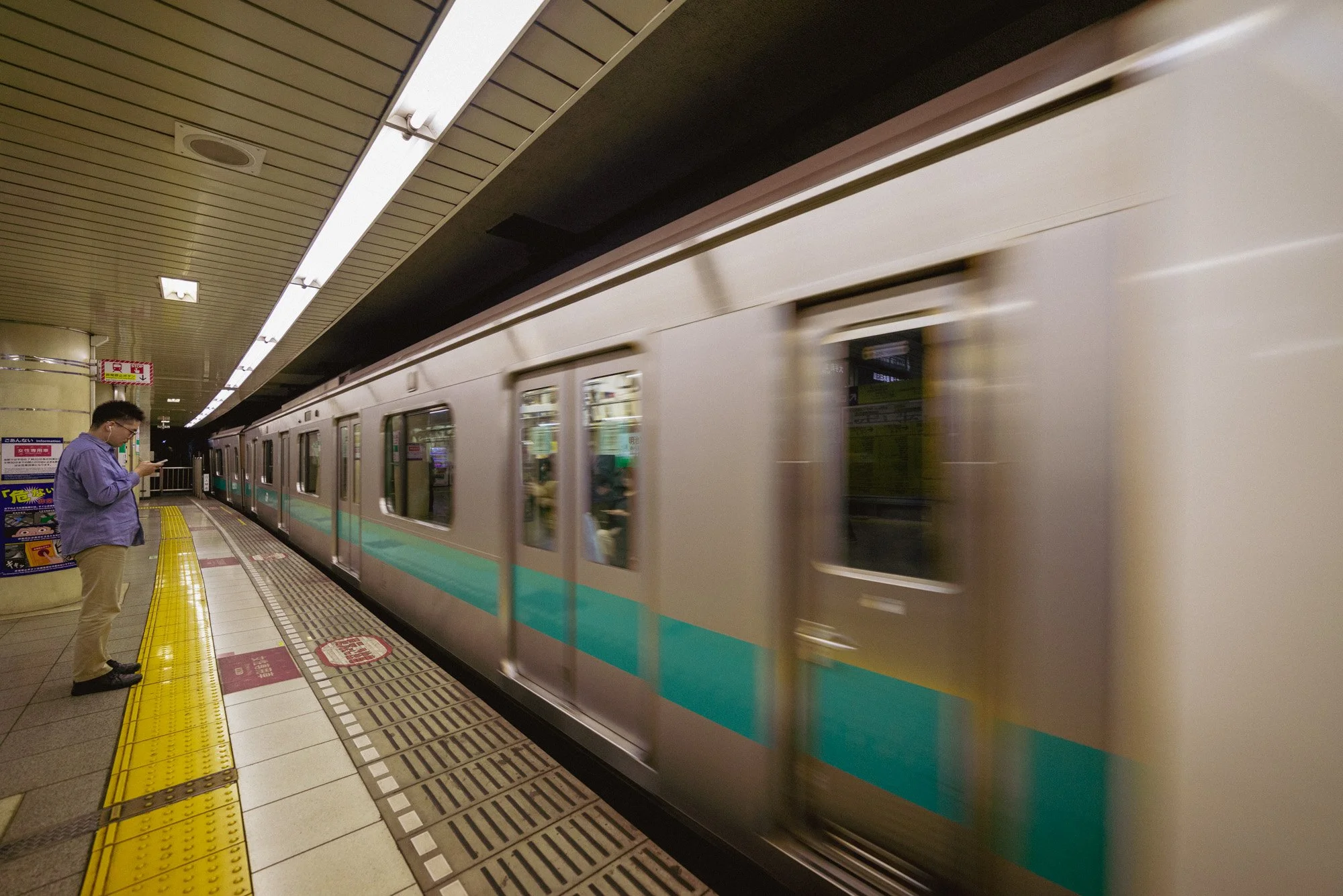
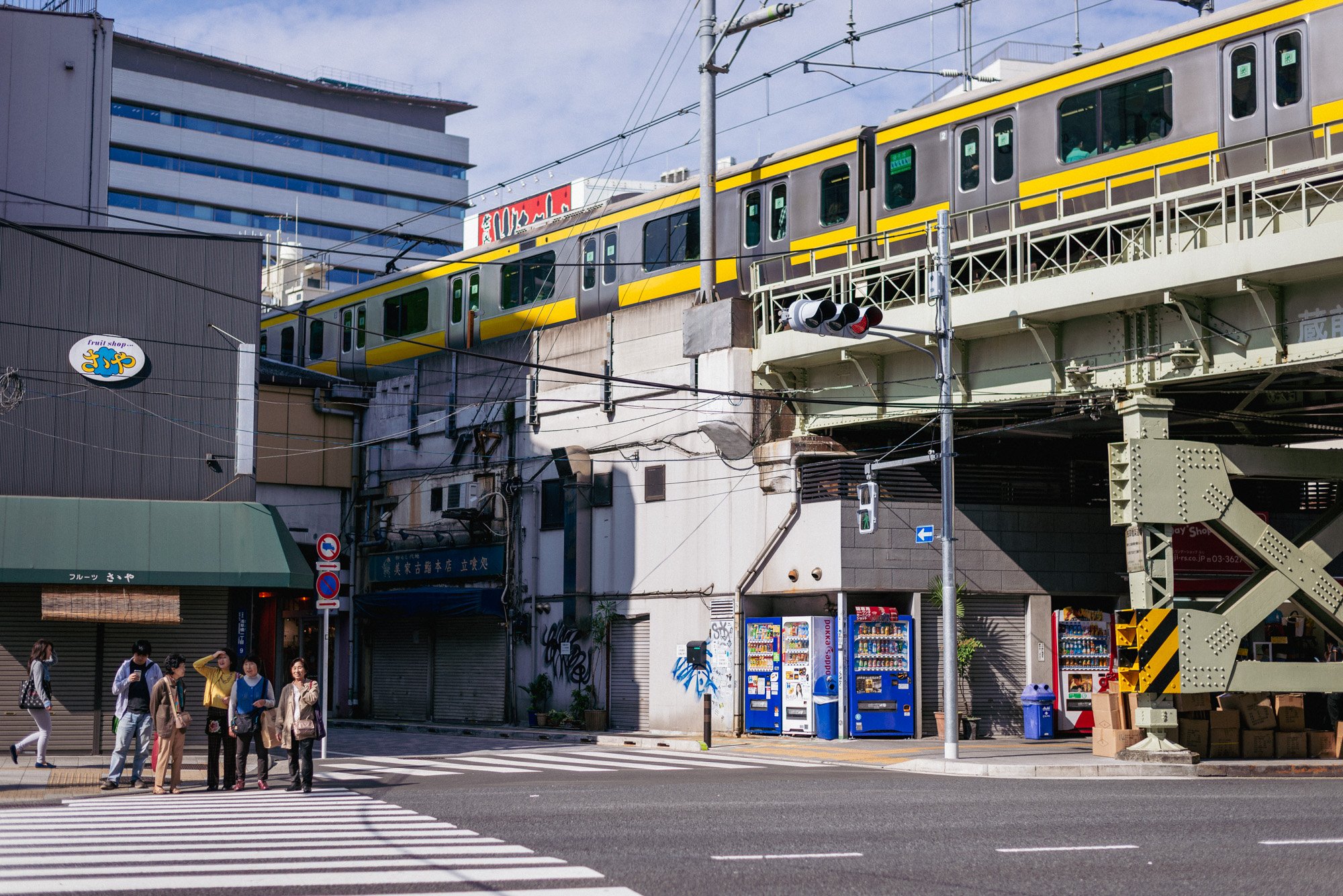
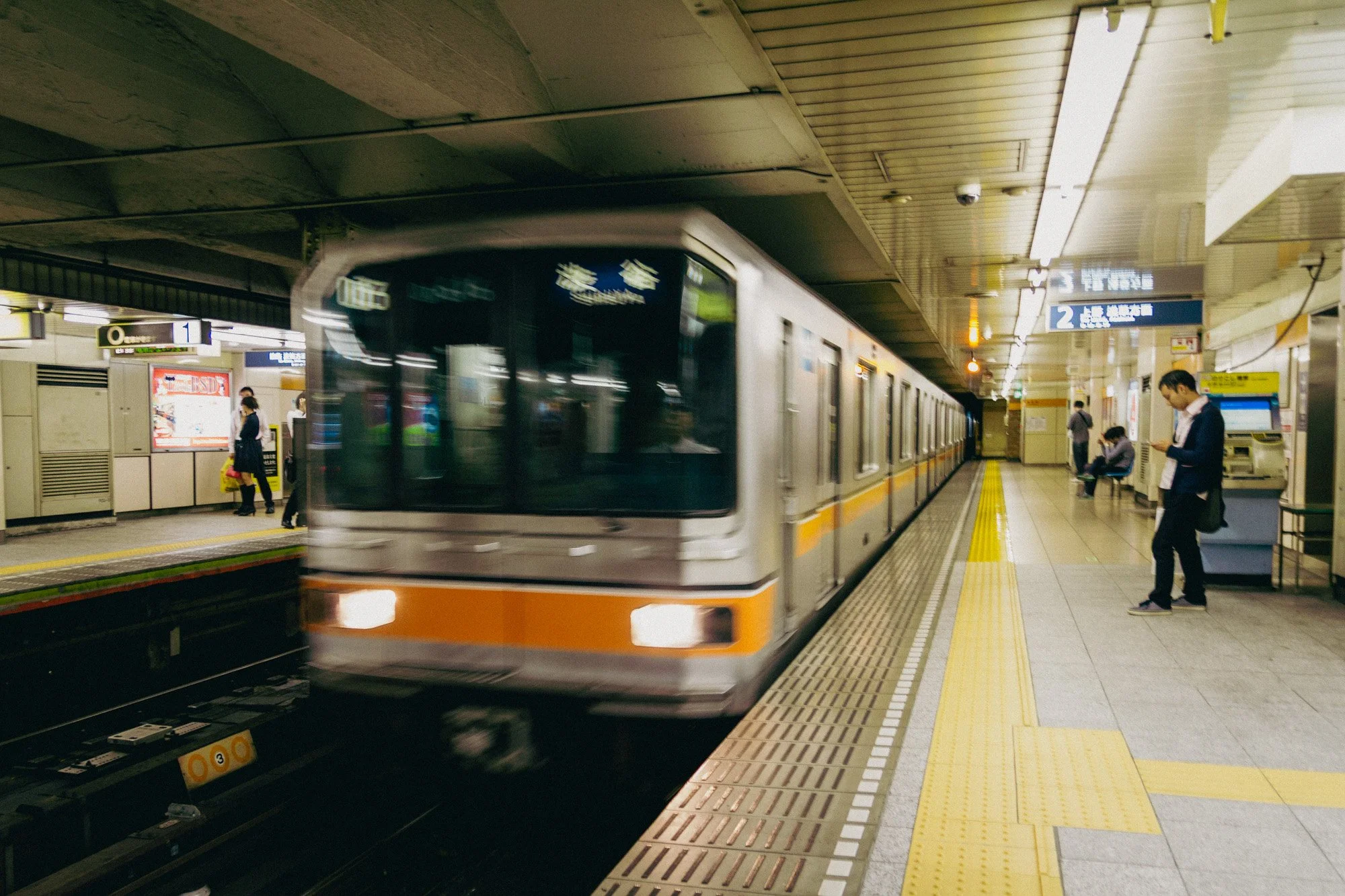
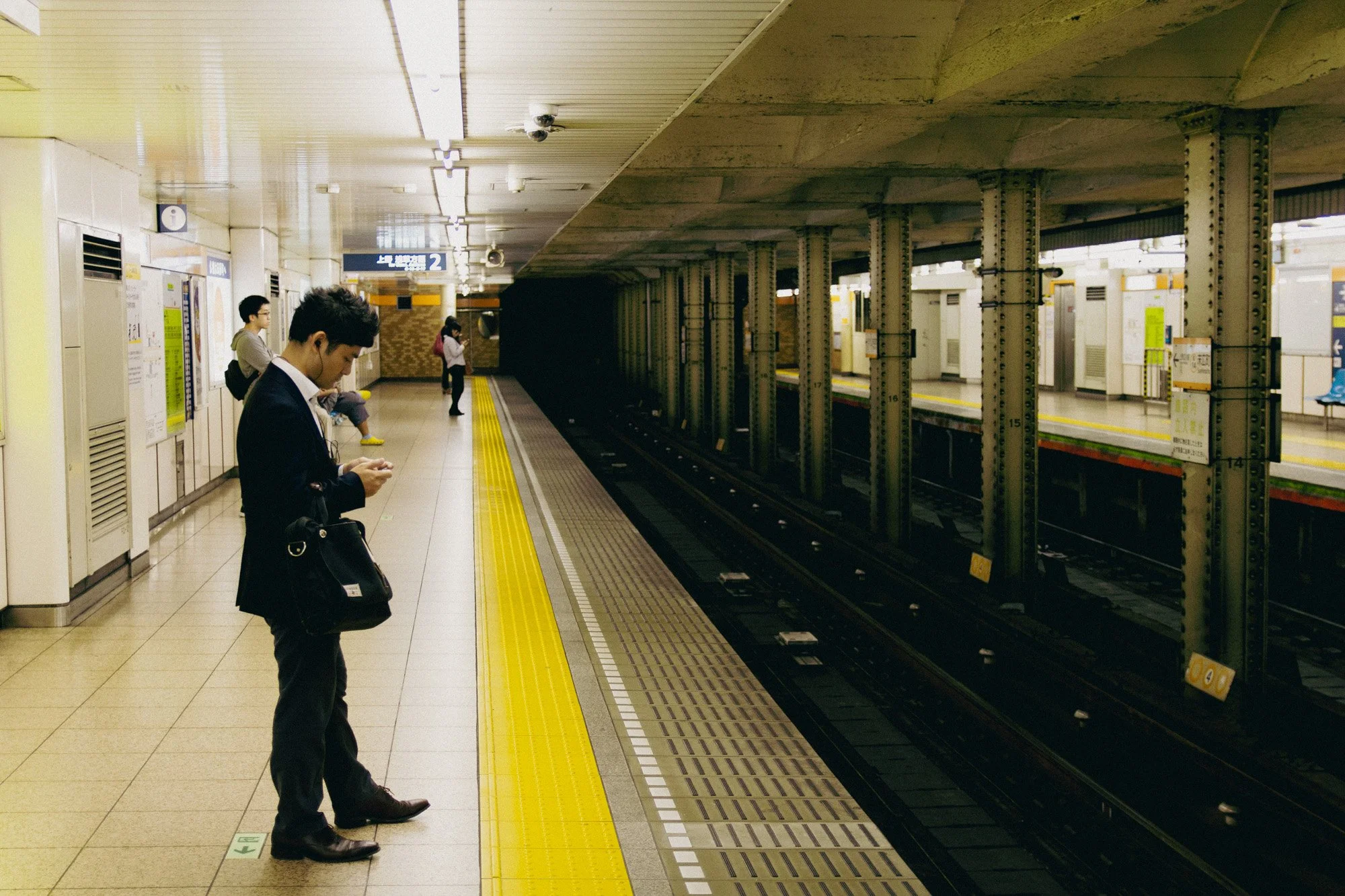
When I got home from those trips and started combing through my photos, I noticed something: a disproportionate number of them were from the Metro. Stations, platforms, windows, signs, that fleeting skyline shot— all captured without any conscious plan to document the rail system specifically. It had just sort of happened, the way meaningful things do when you're not paying attention.
That, to me, is the most telling sign that something has real value.
The Metro wasn't a destination I'd circled in a guidebook, but to my surprise, it ended up being the connective tissue between all the experiences I had planned for. And somehow, across all of that back and forth, it became a collective experience, and one I remember most vividly from my trips.
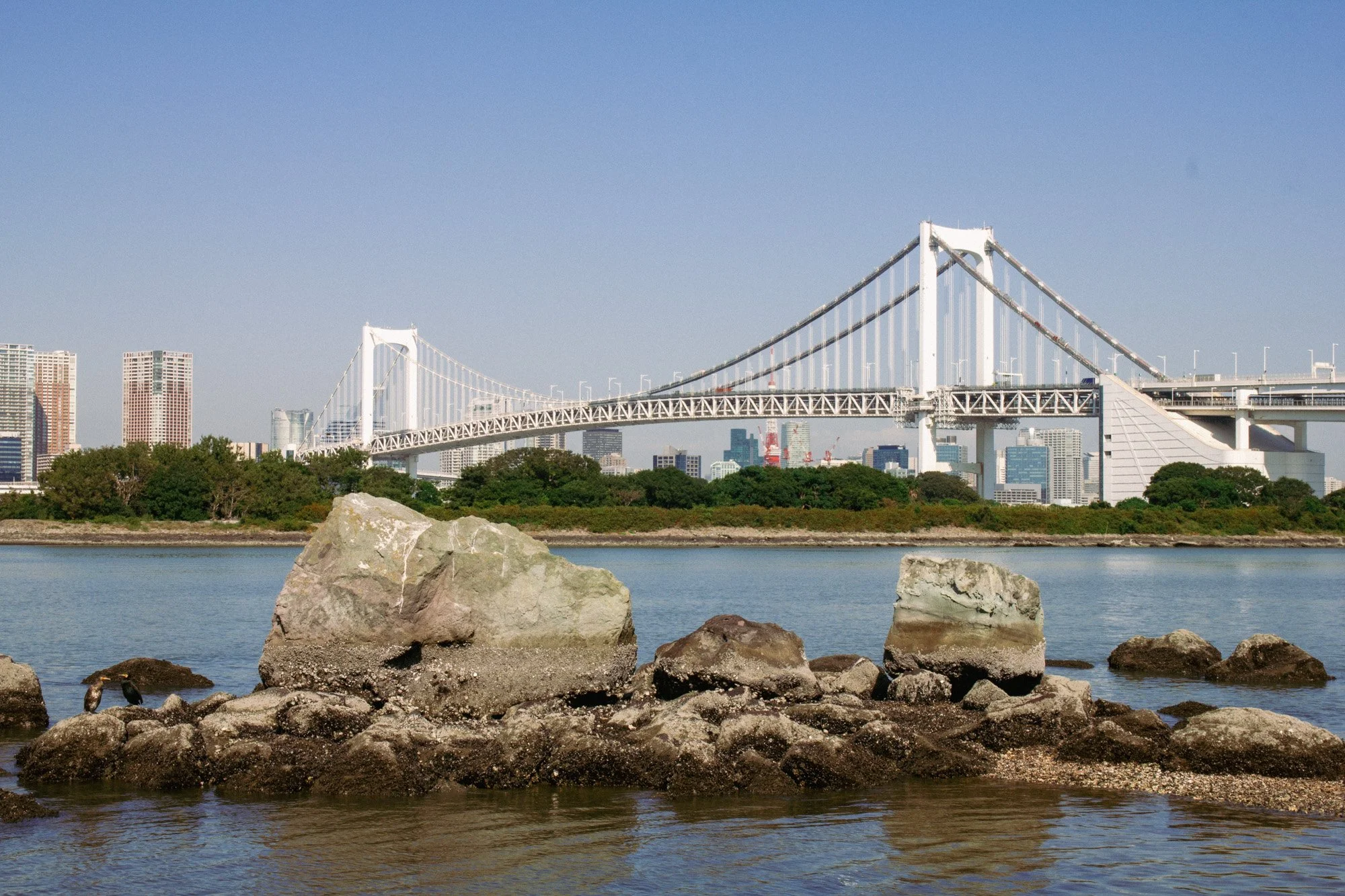
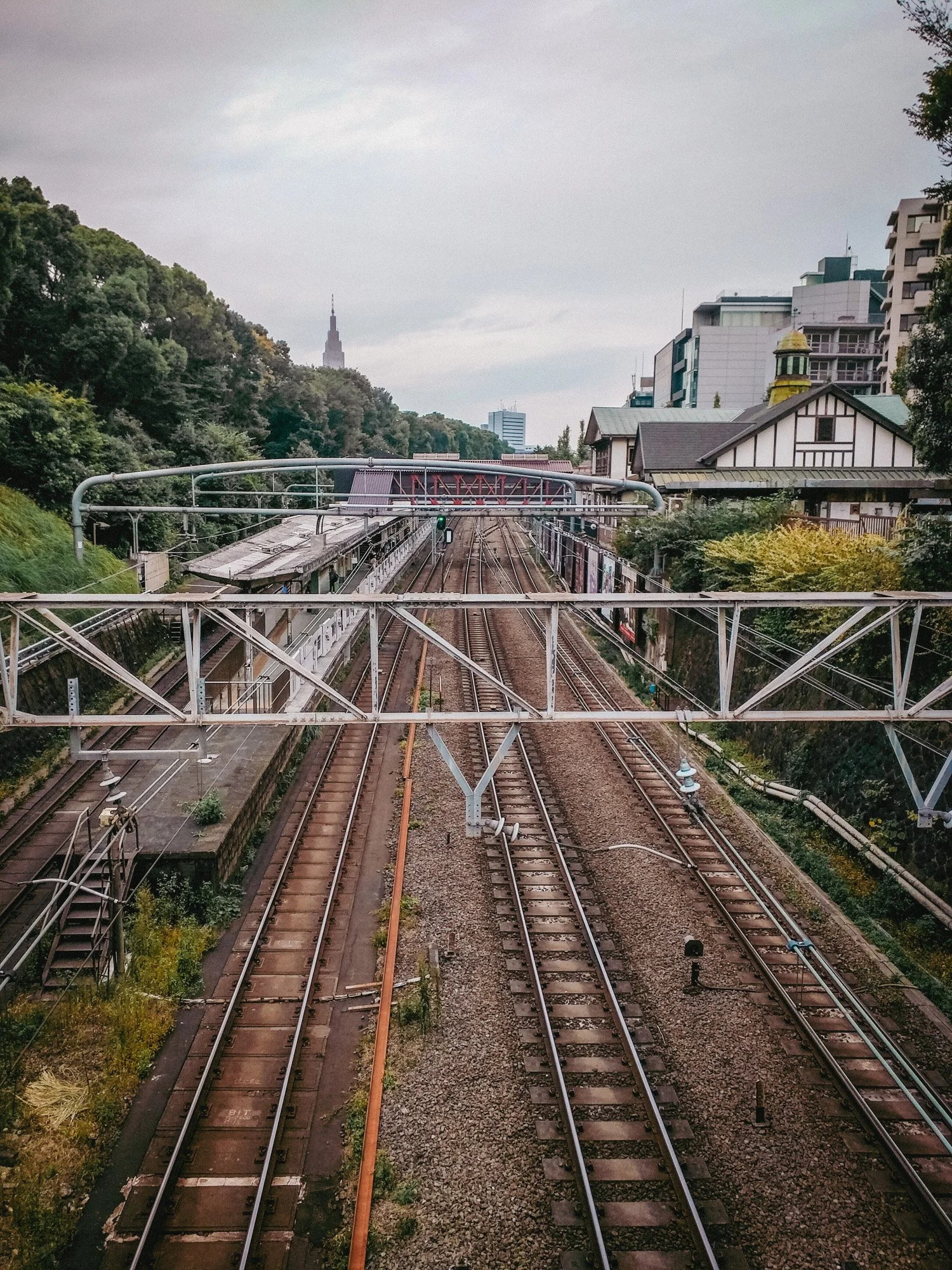
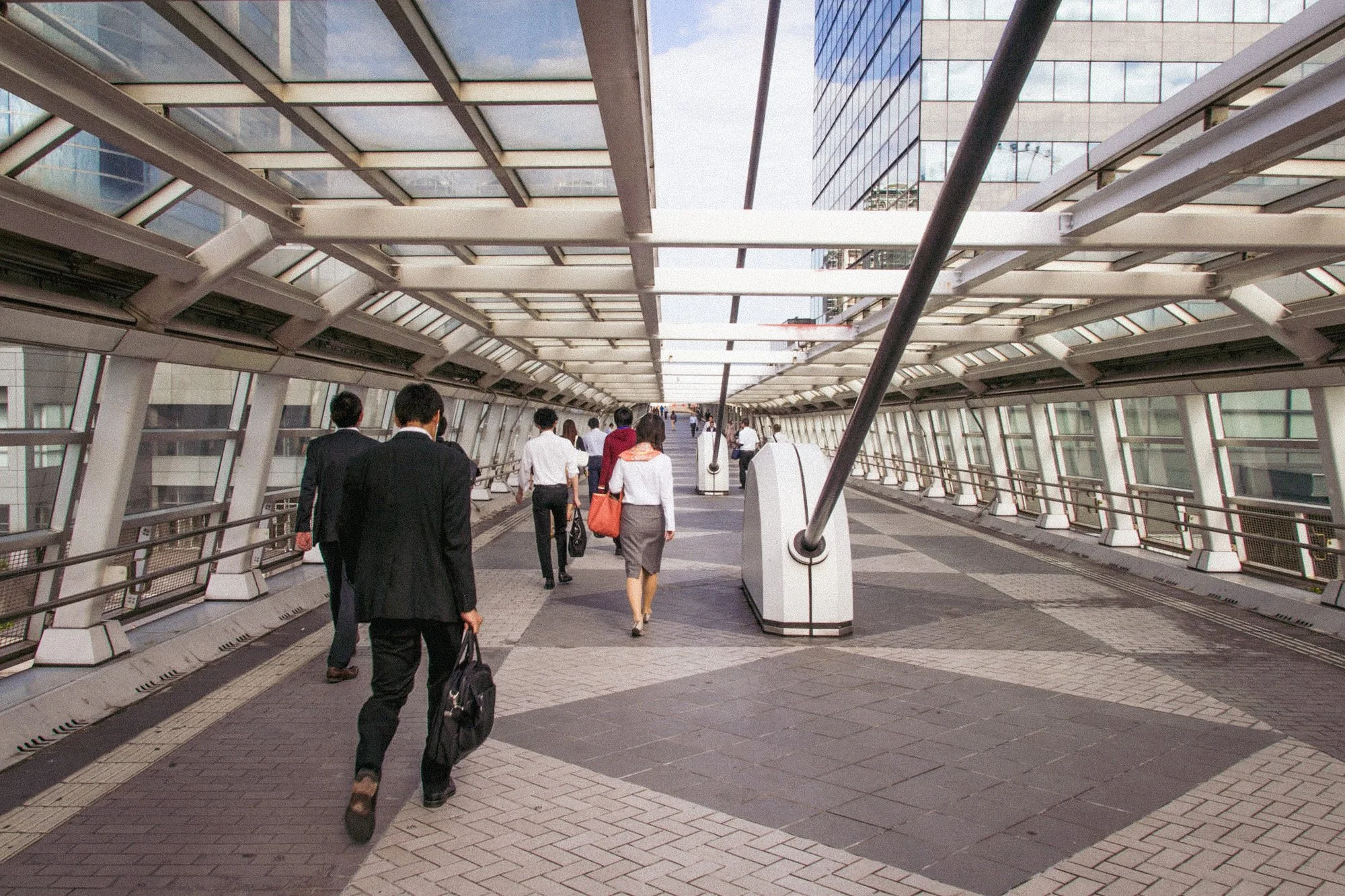
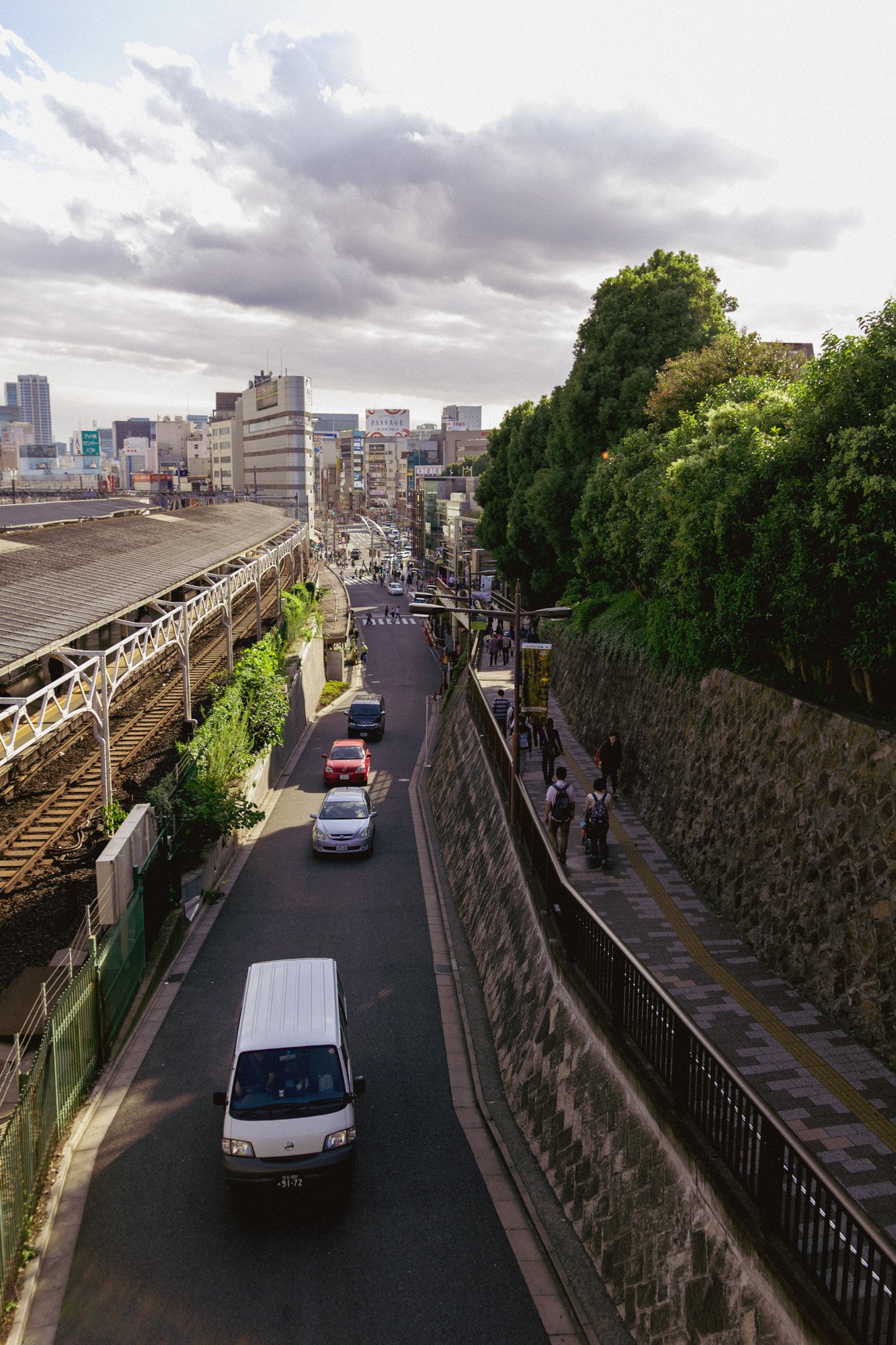
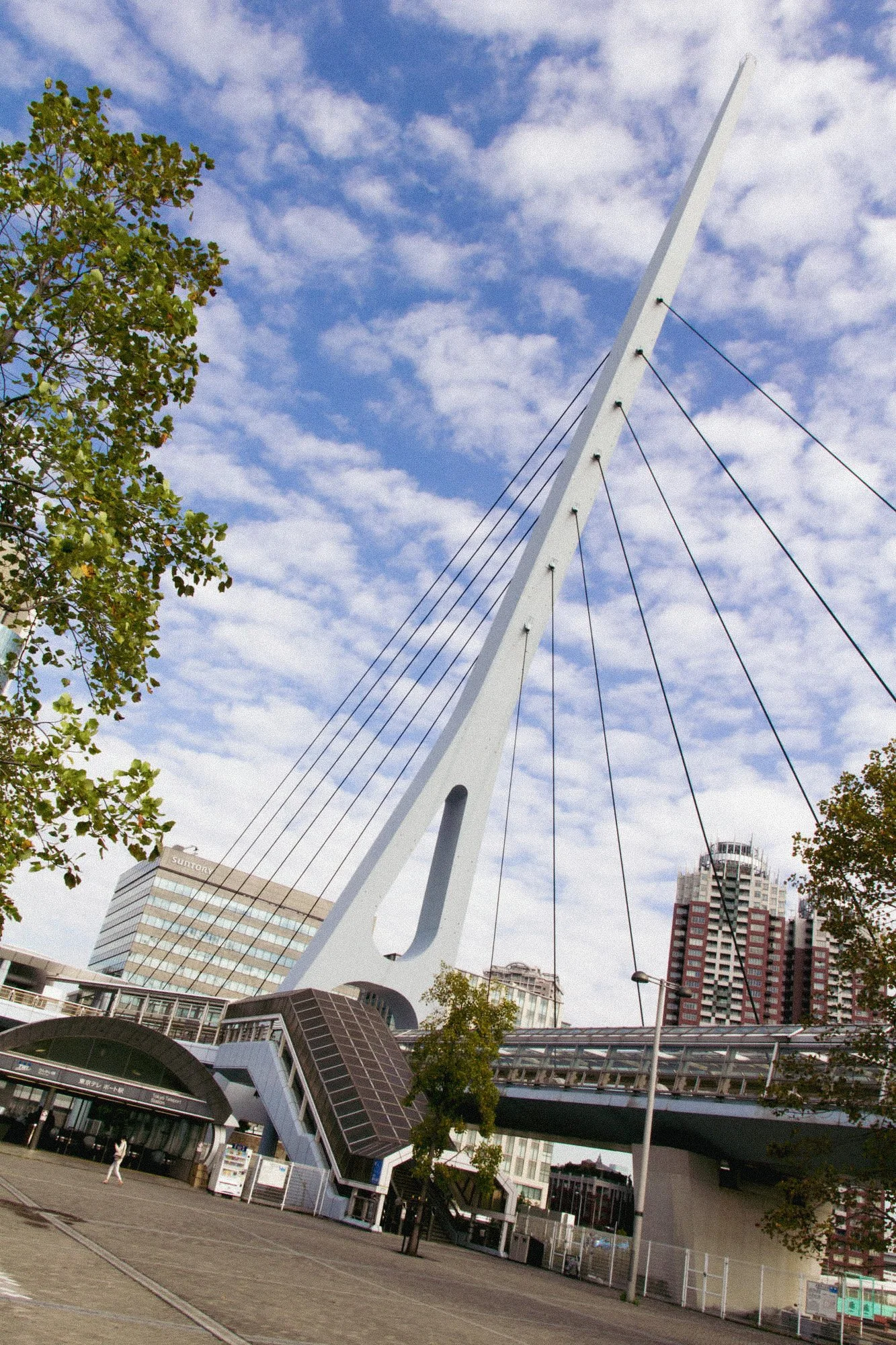
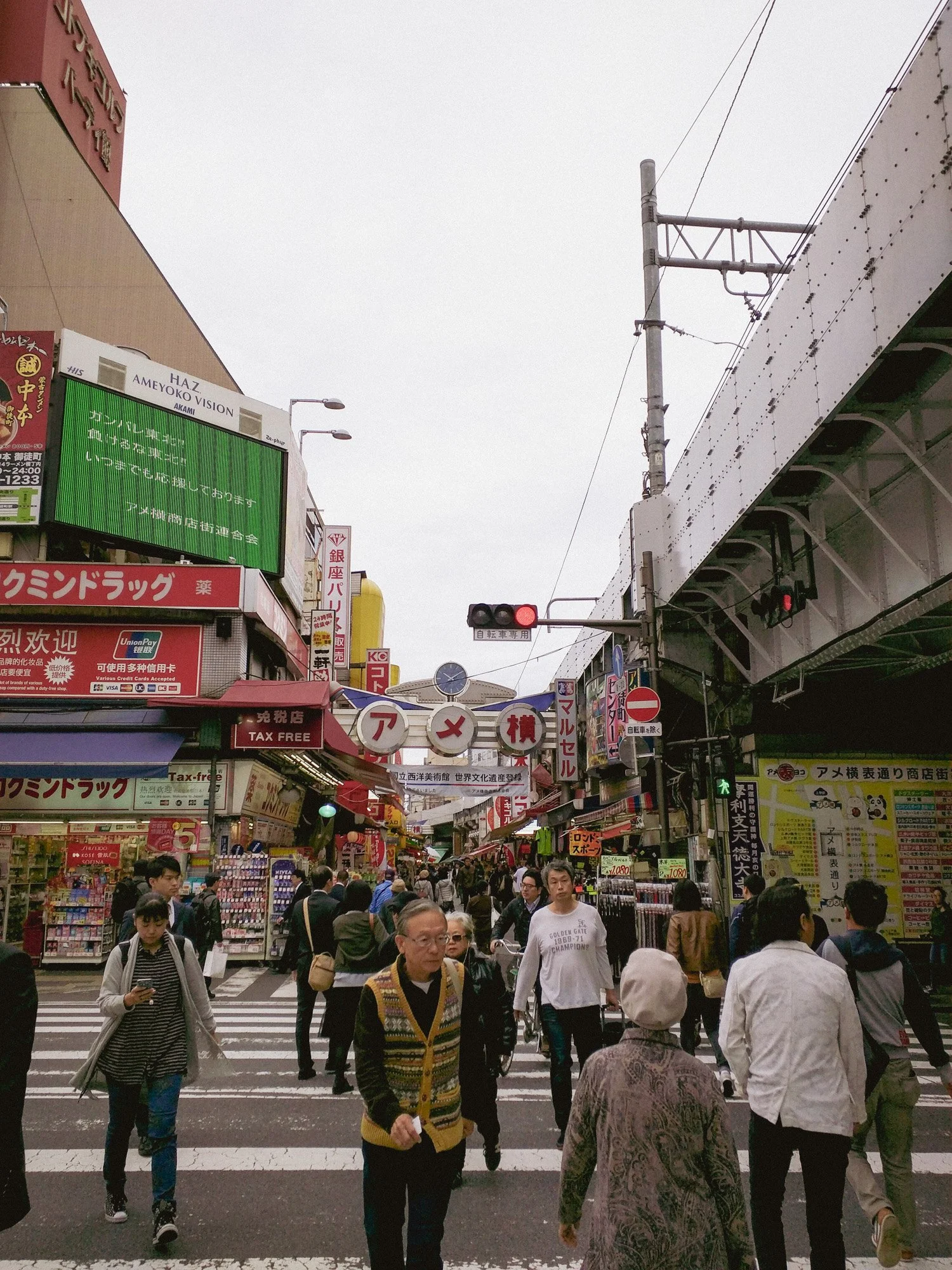
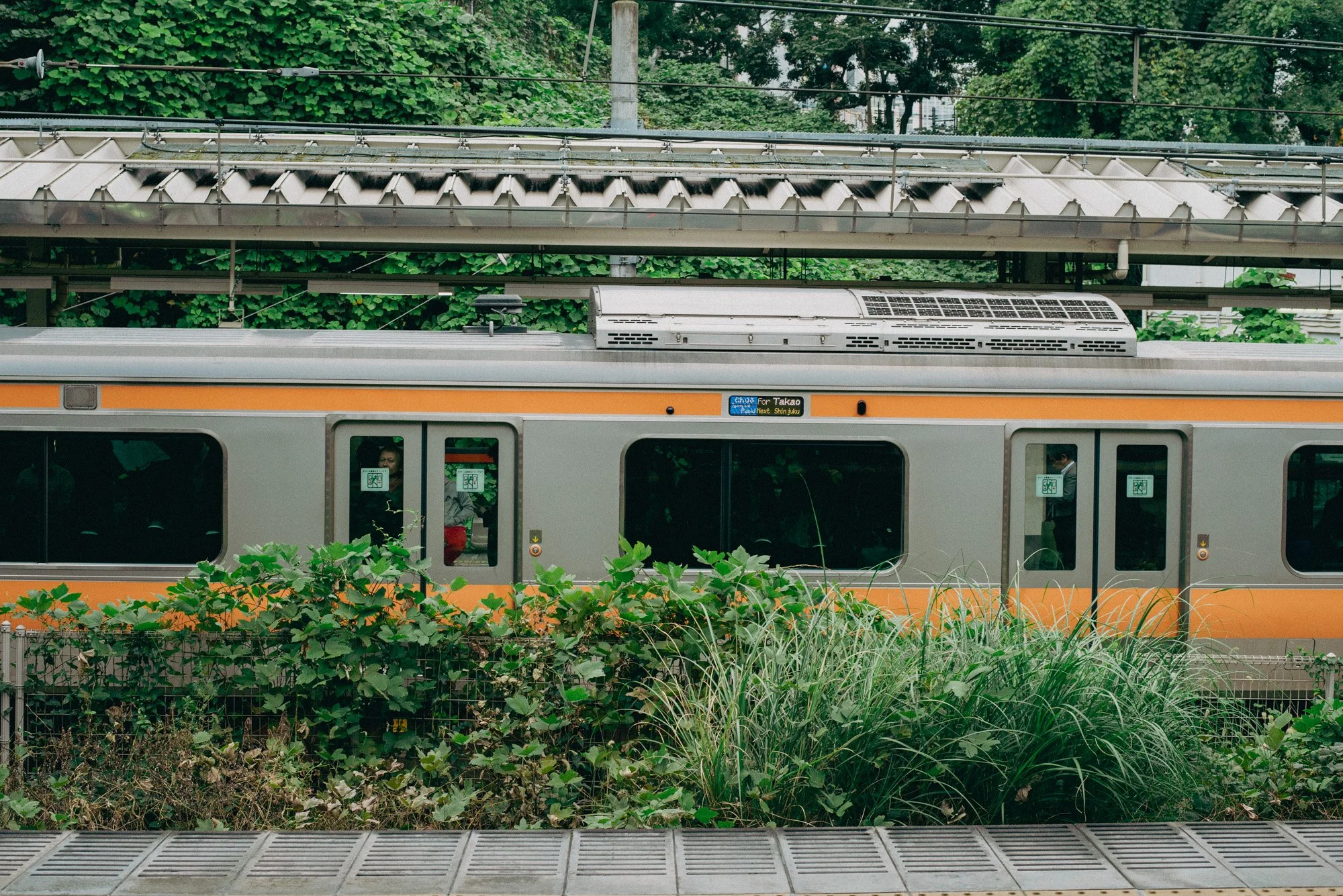
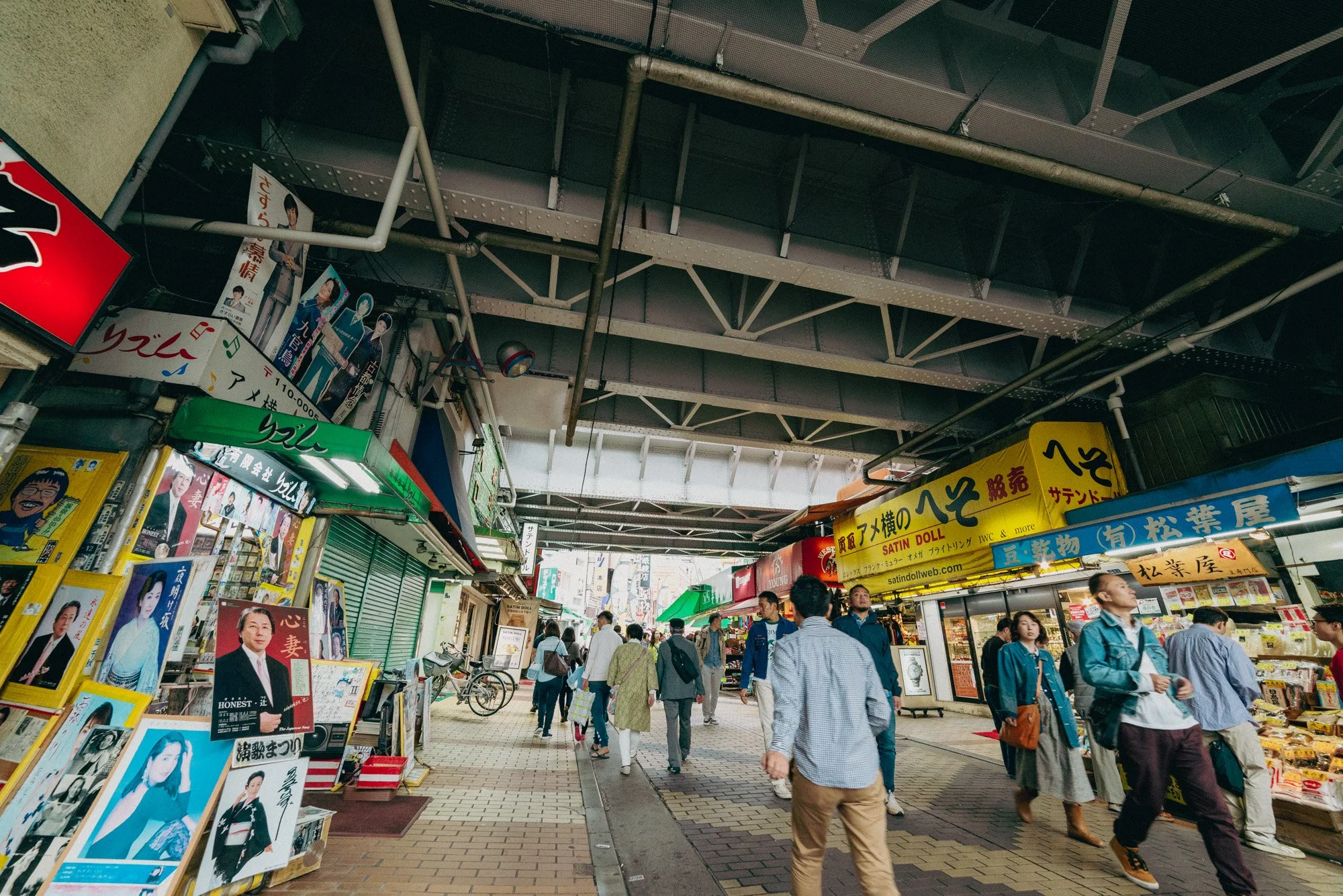
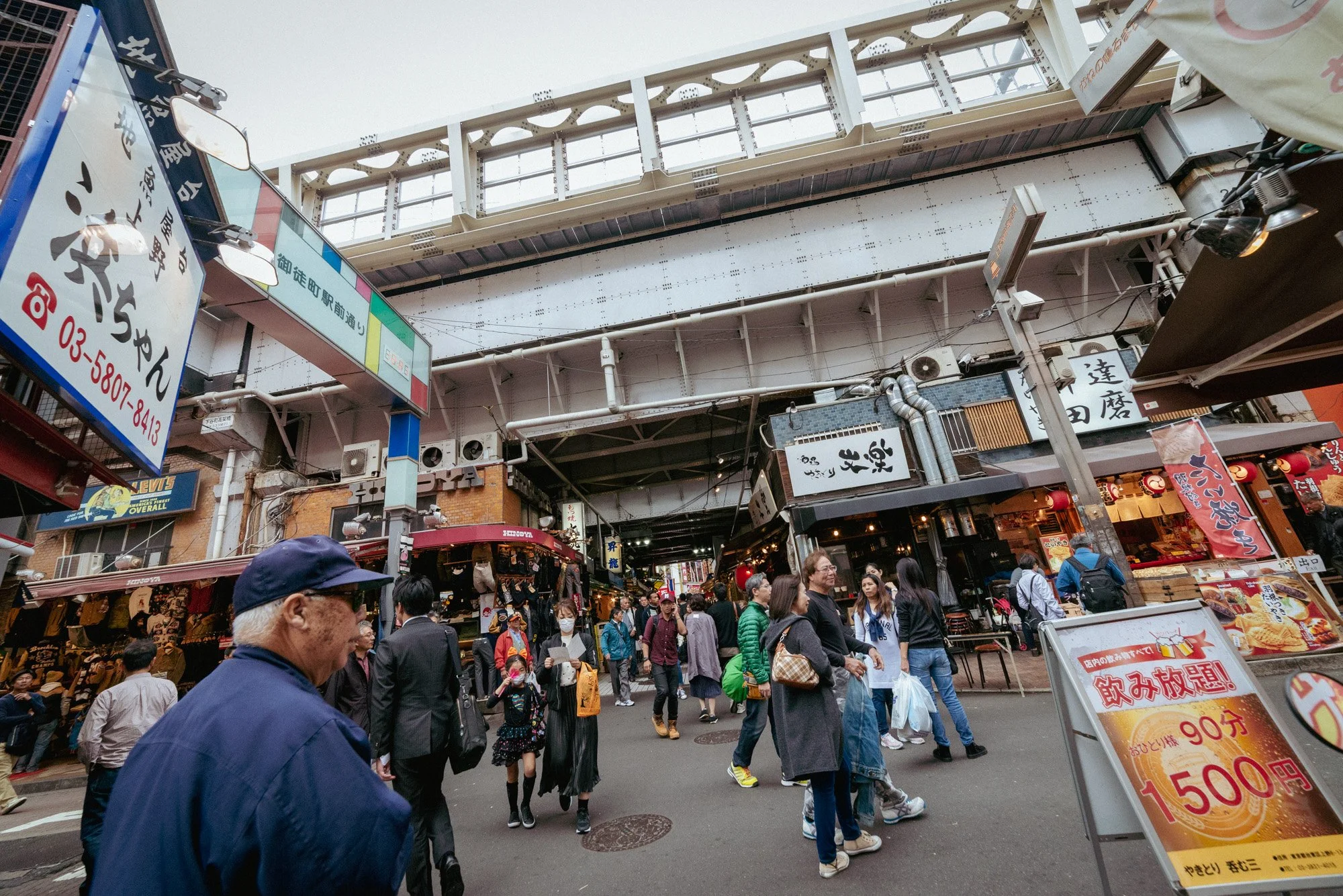
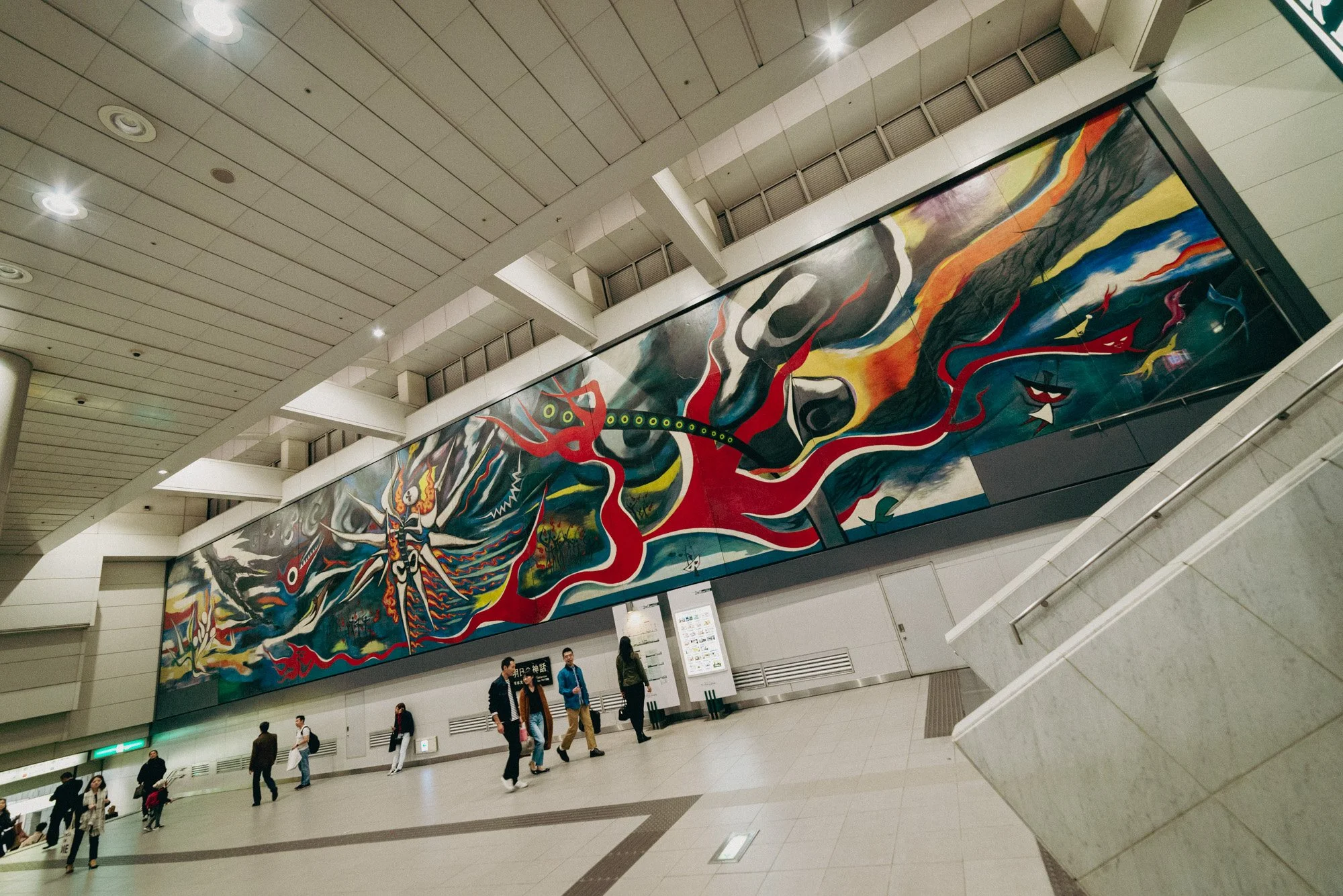
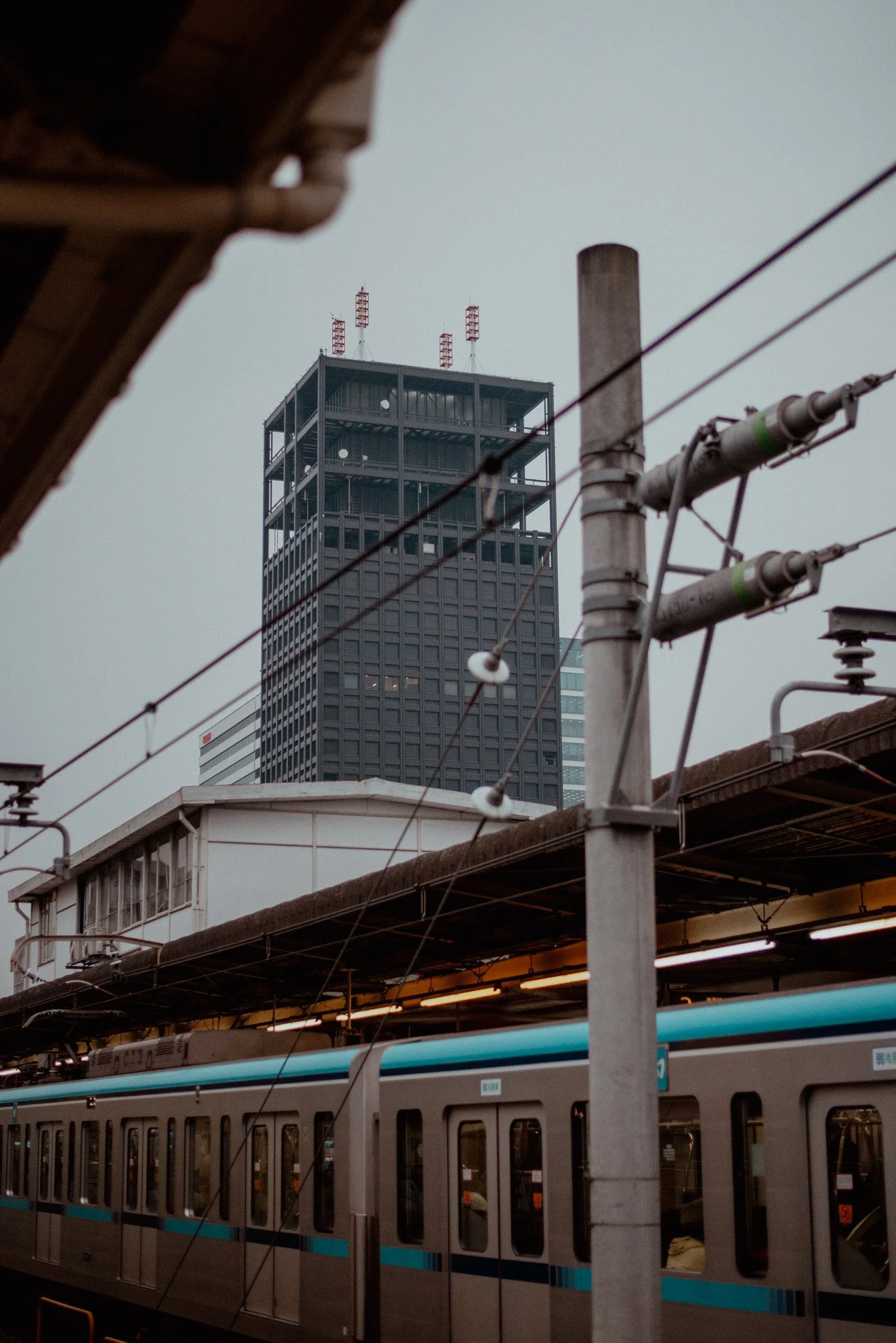
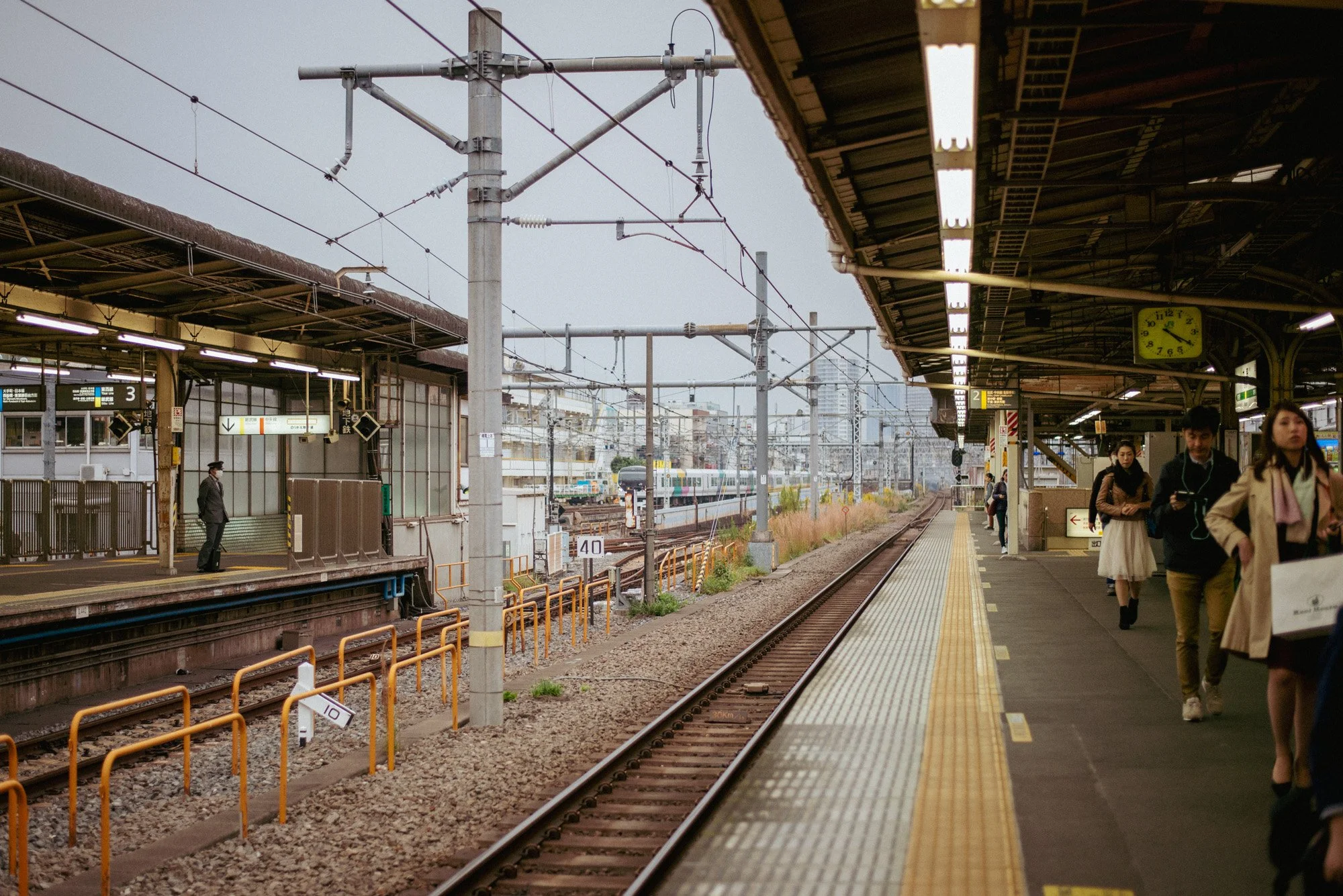
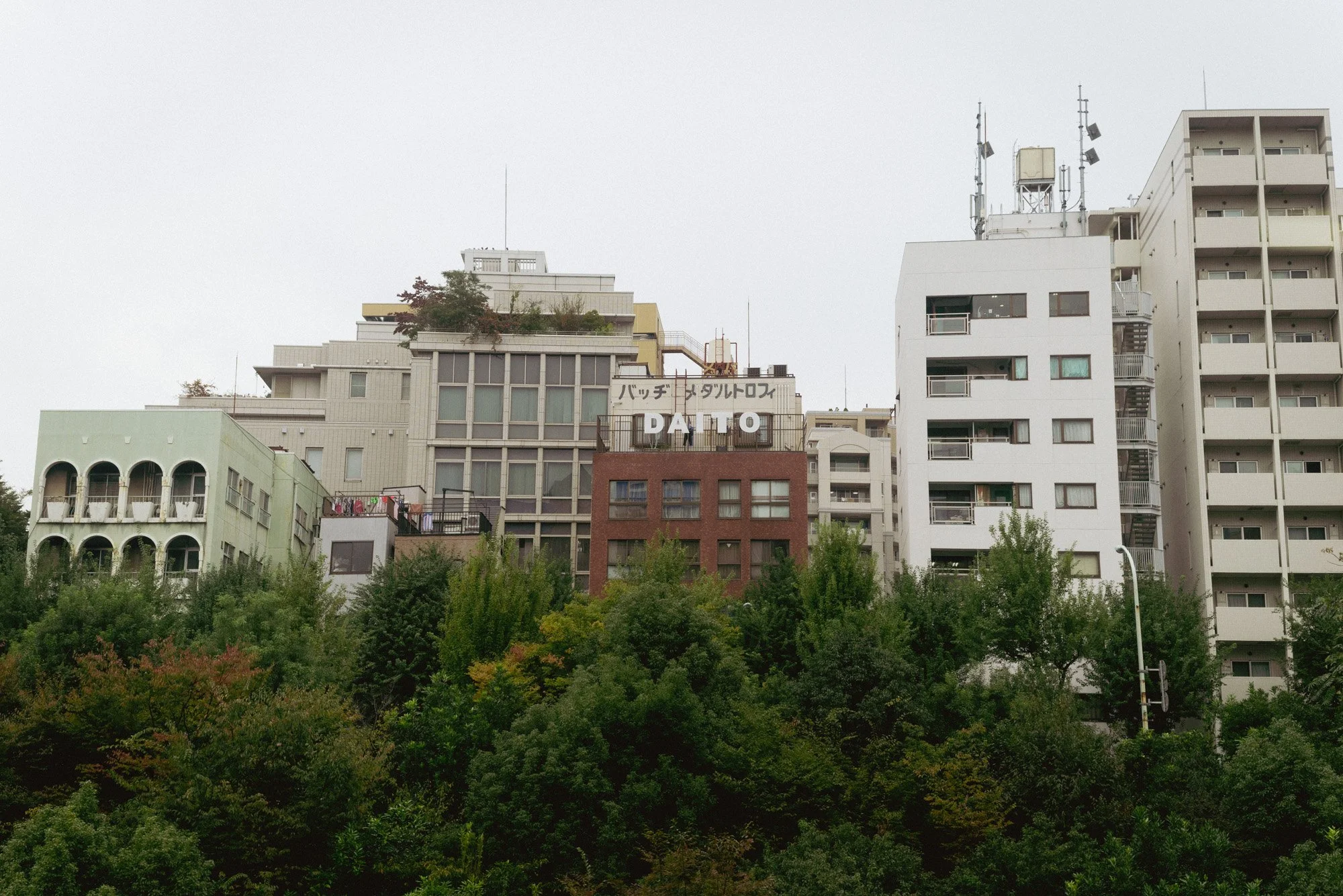
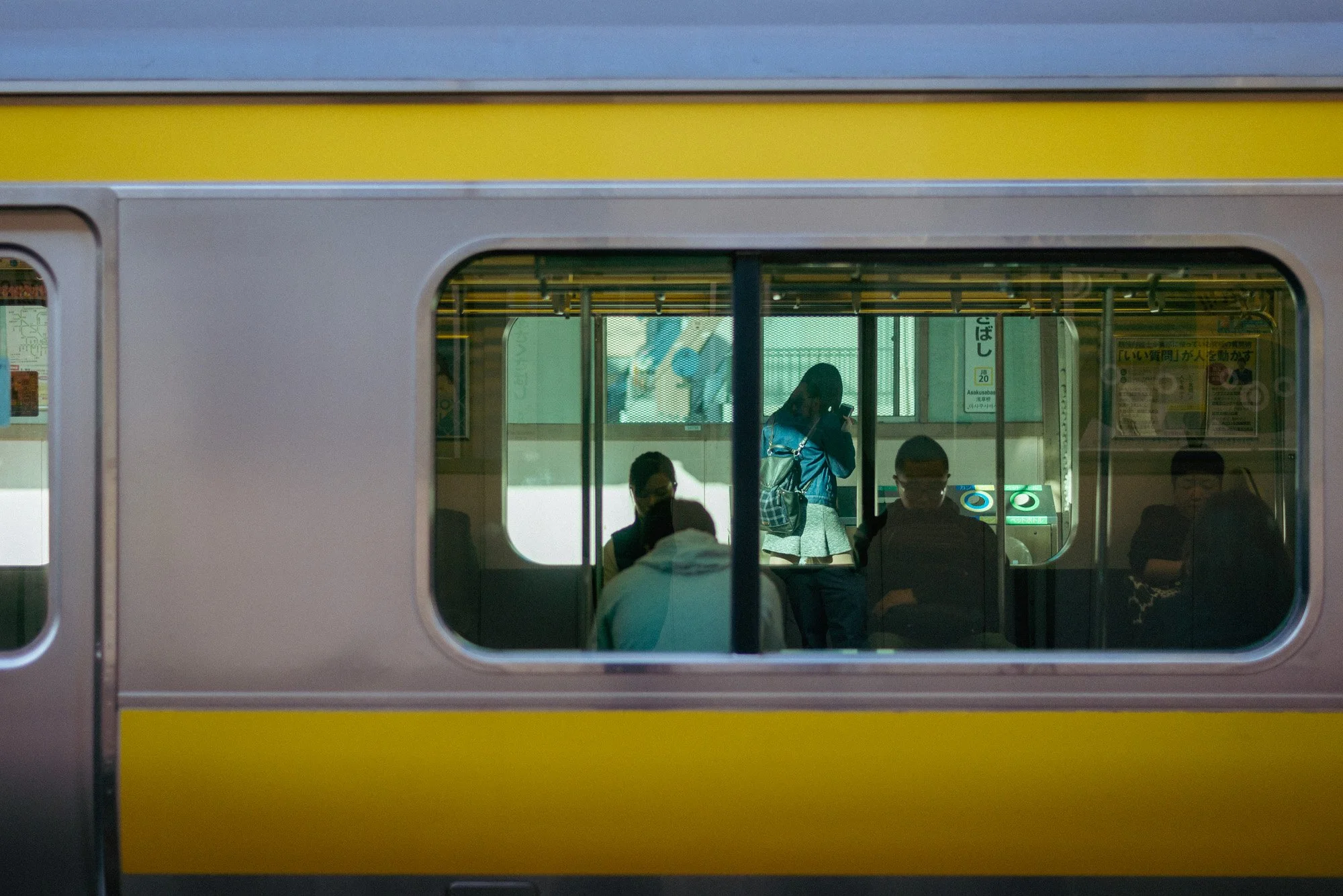
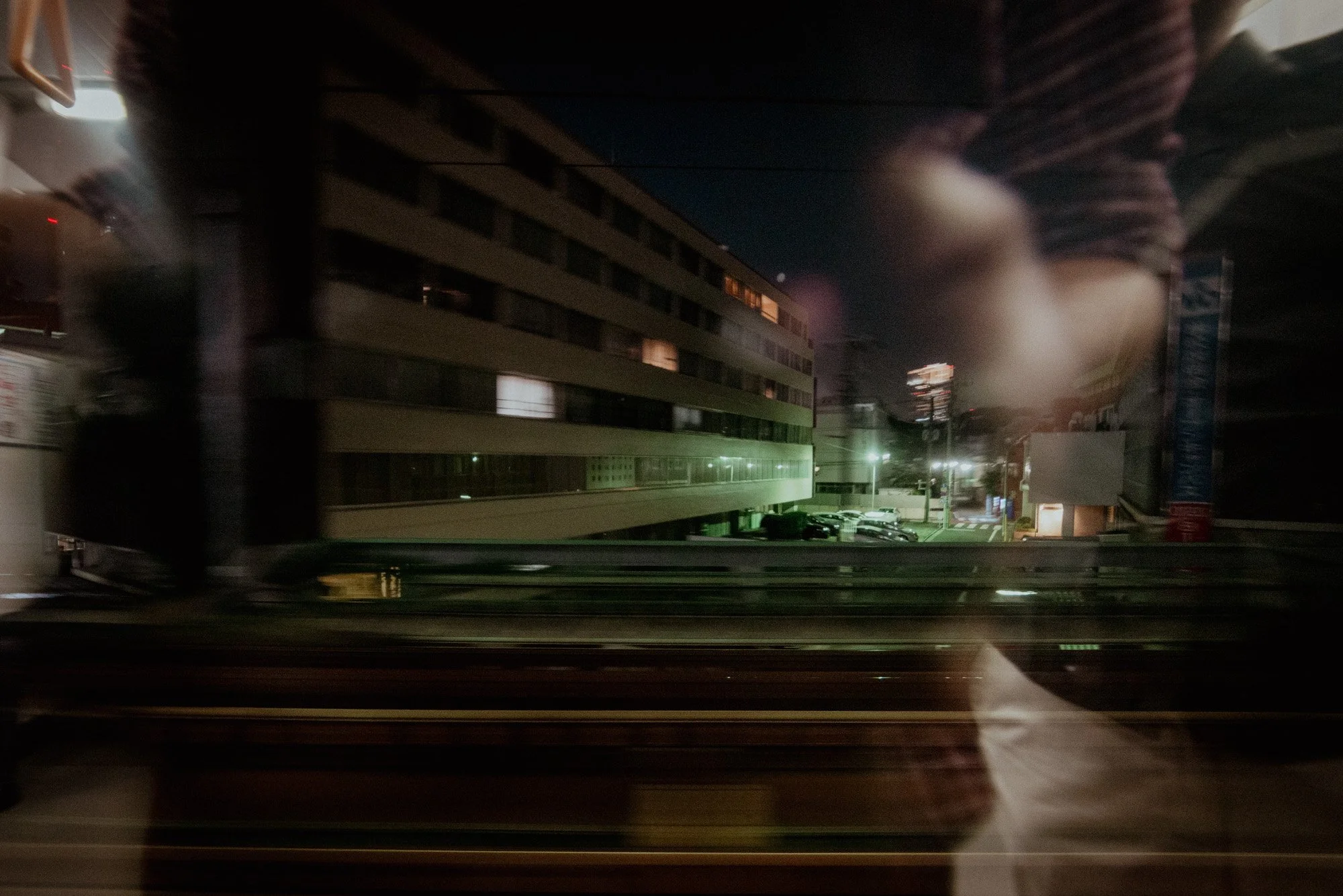
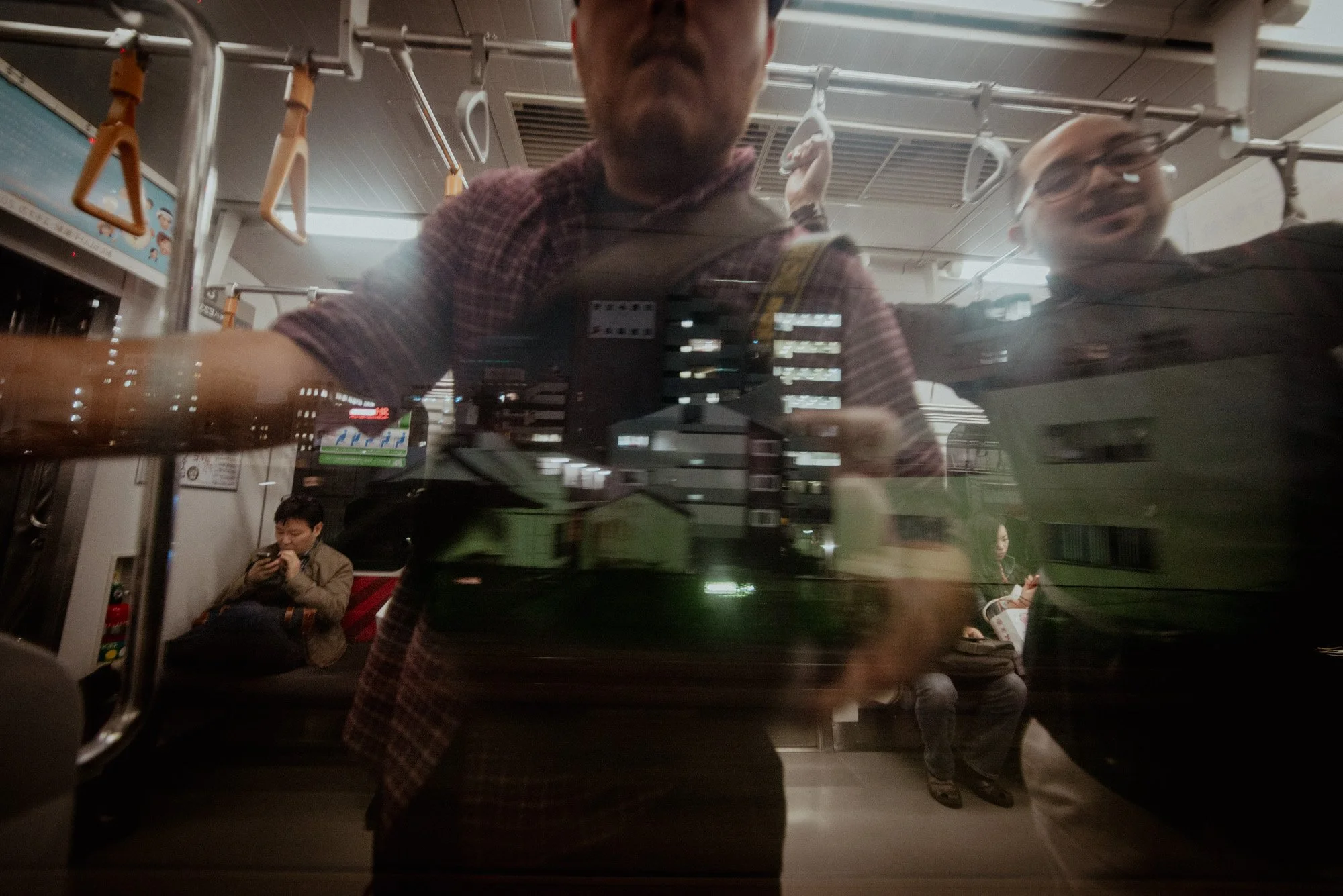
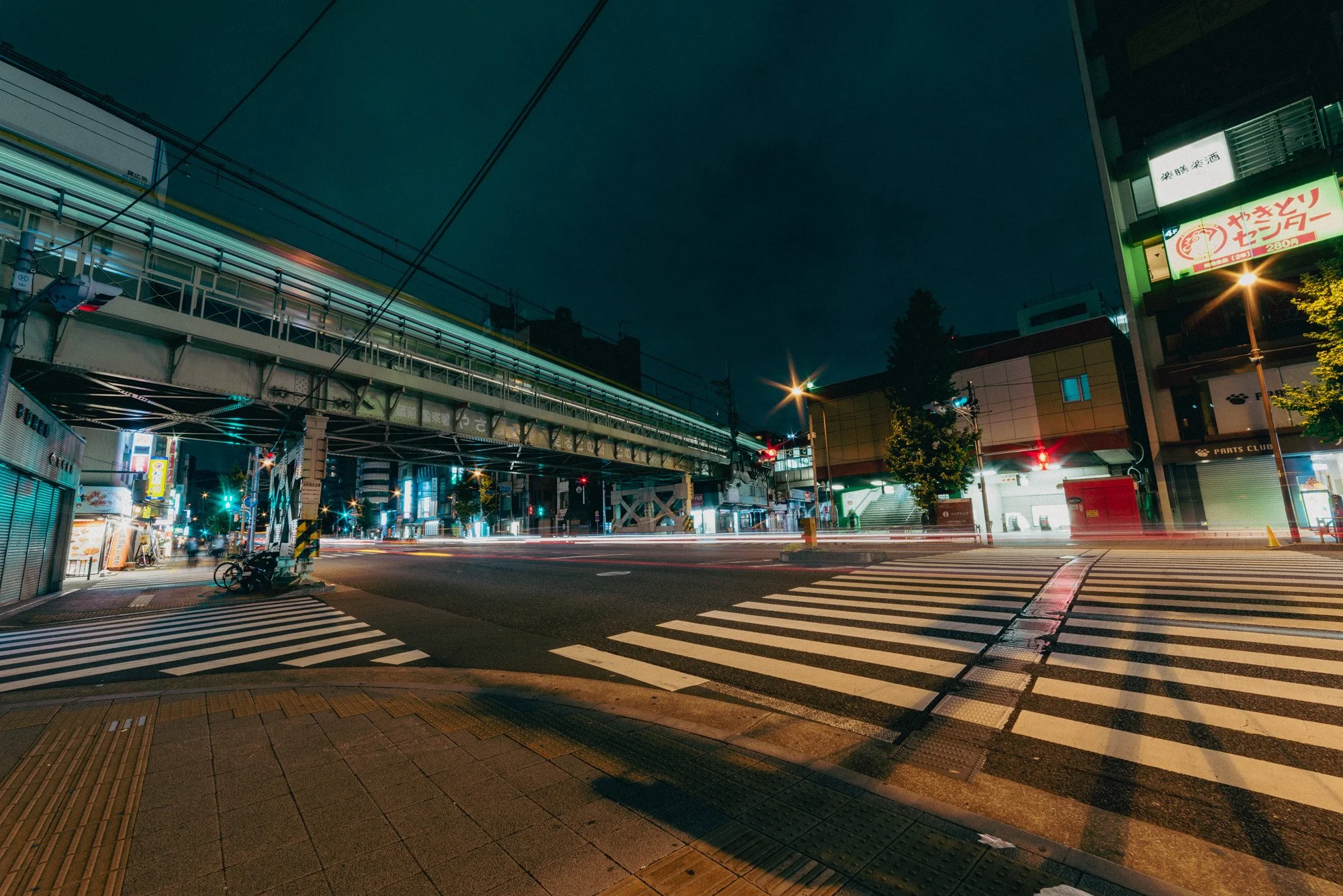
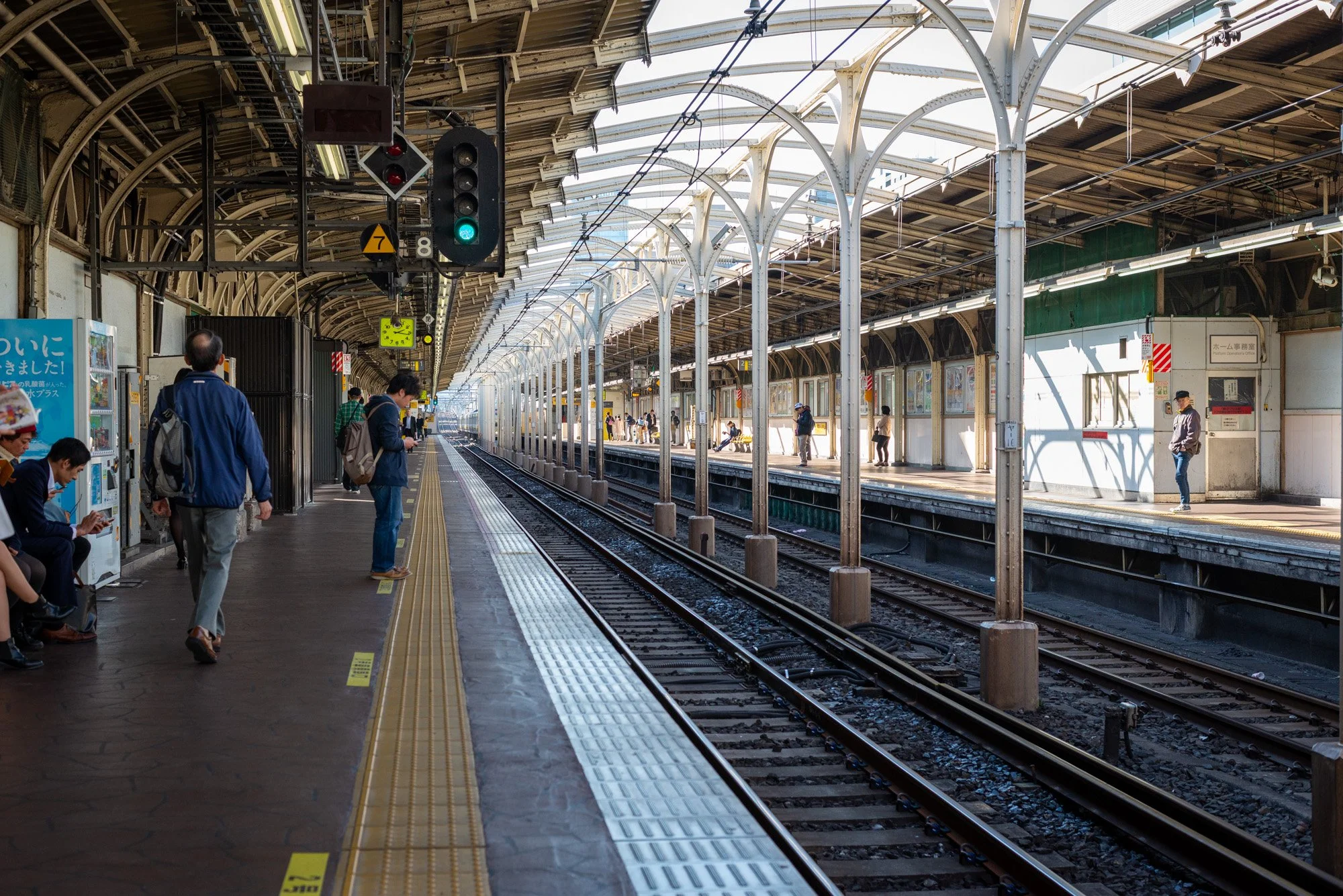
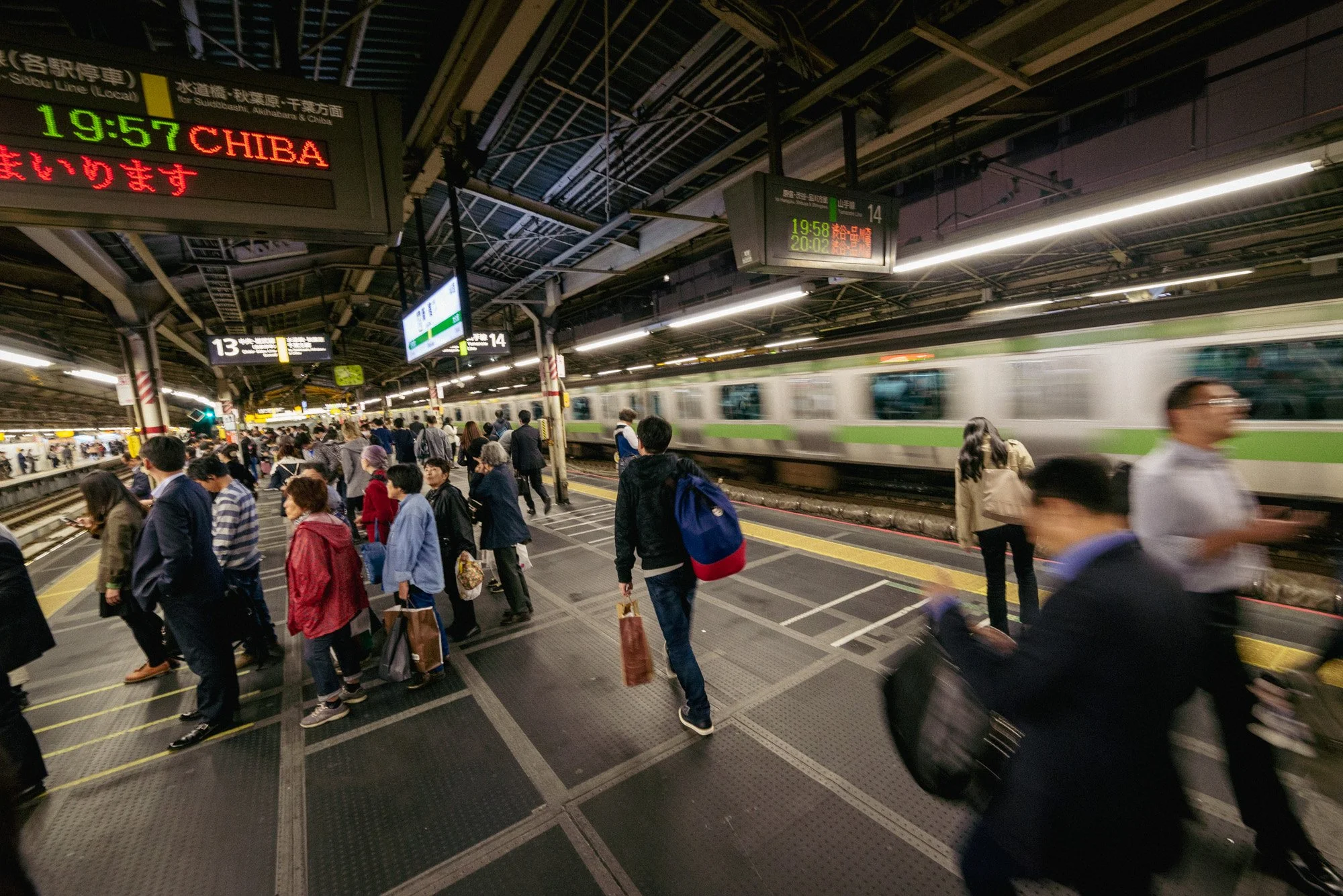
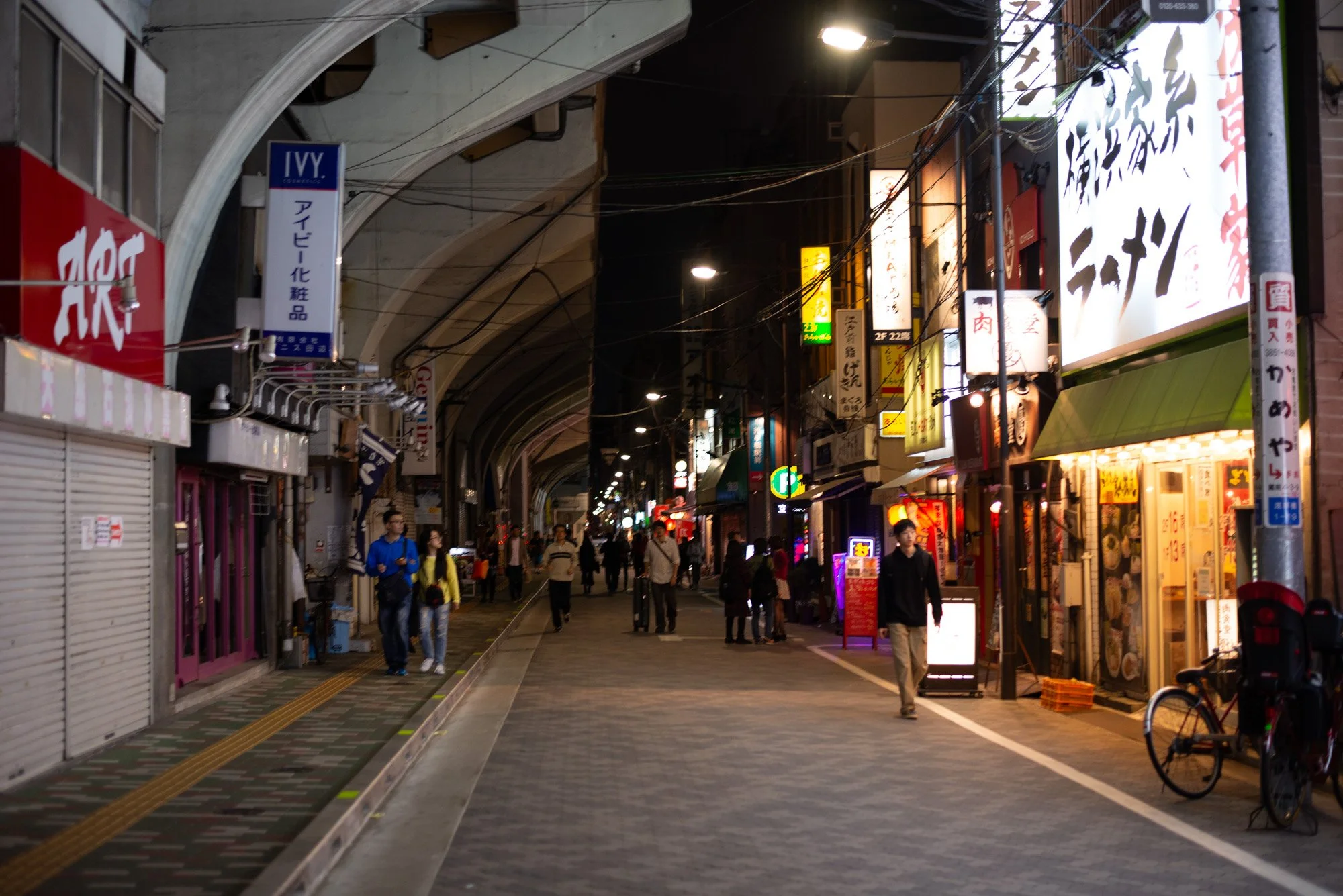
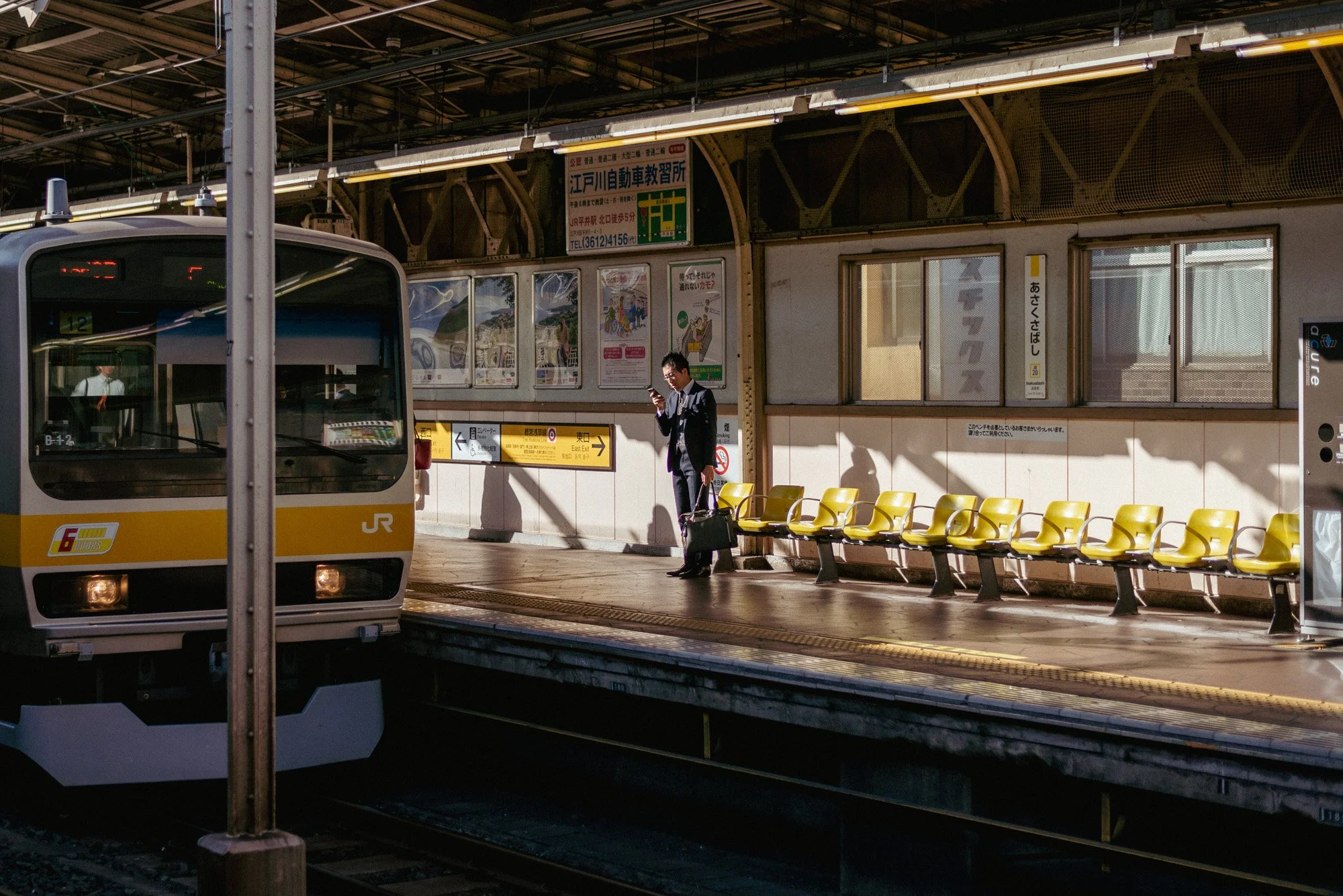
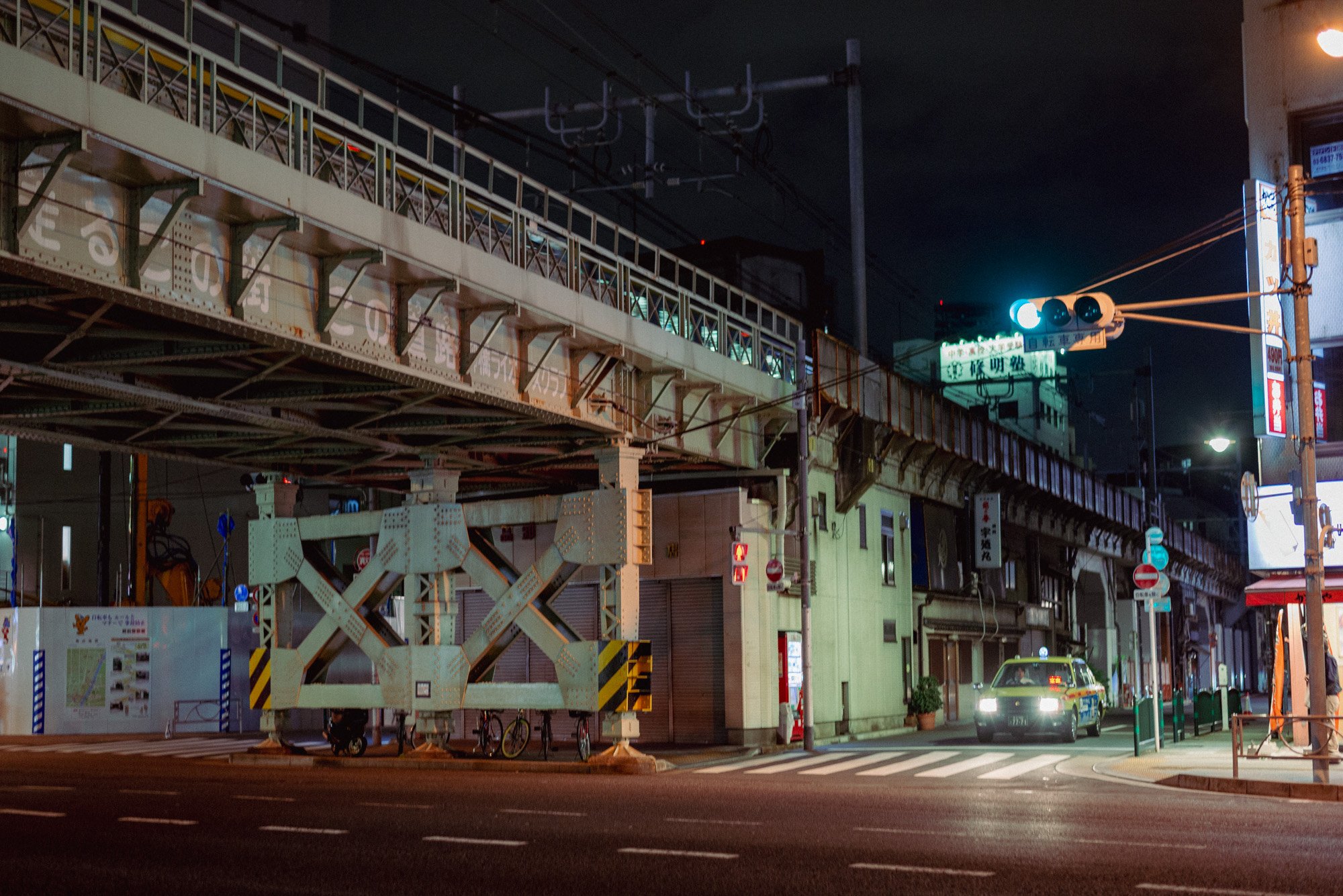
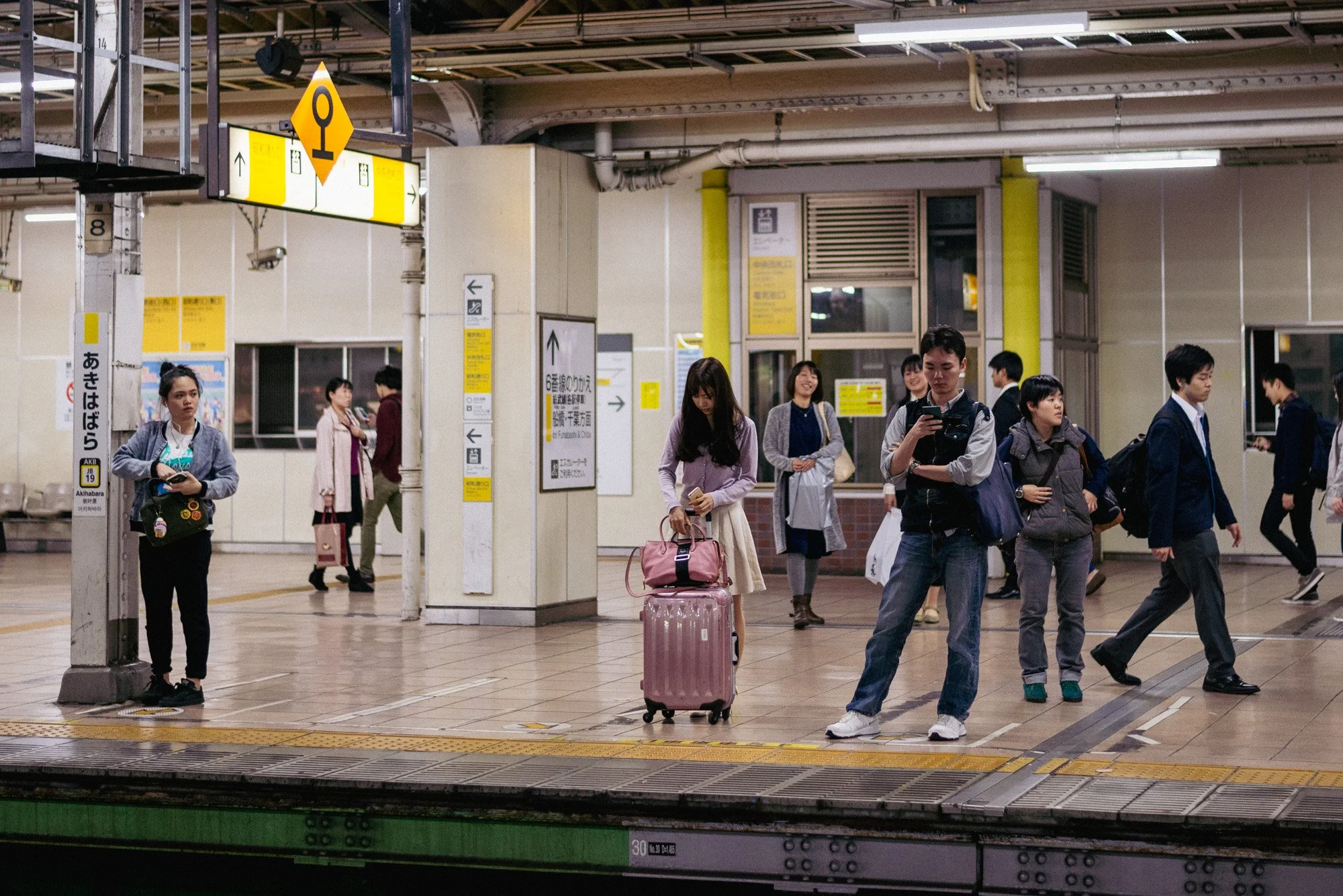
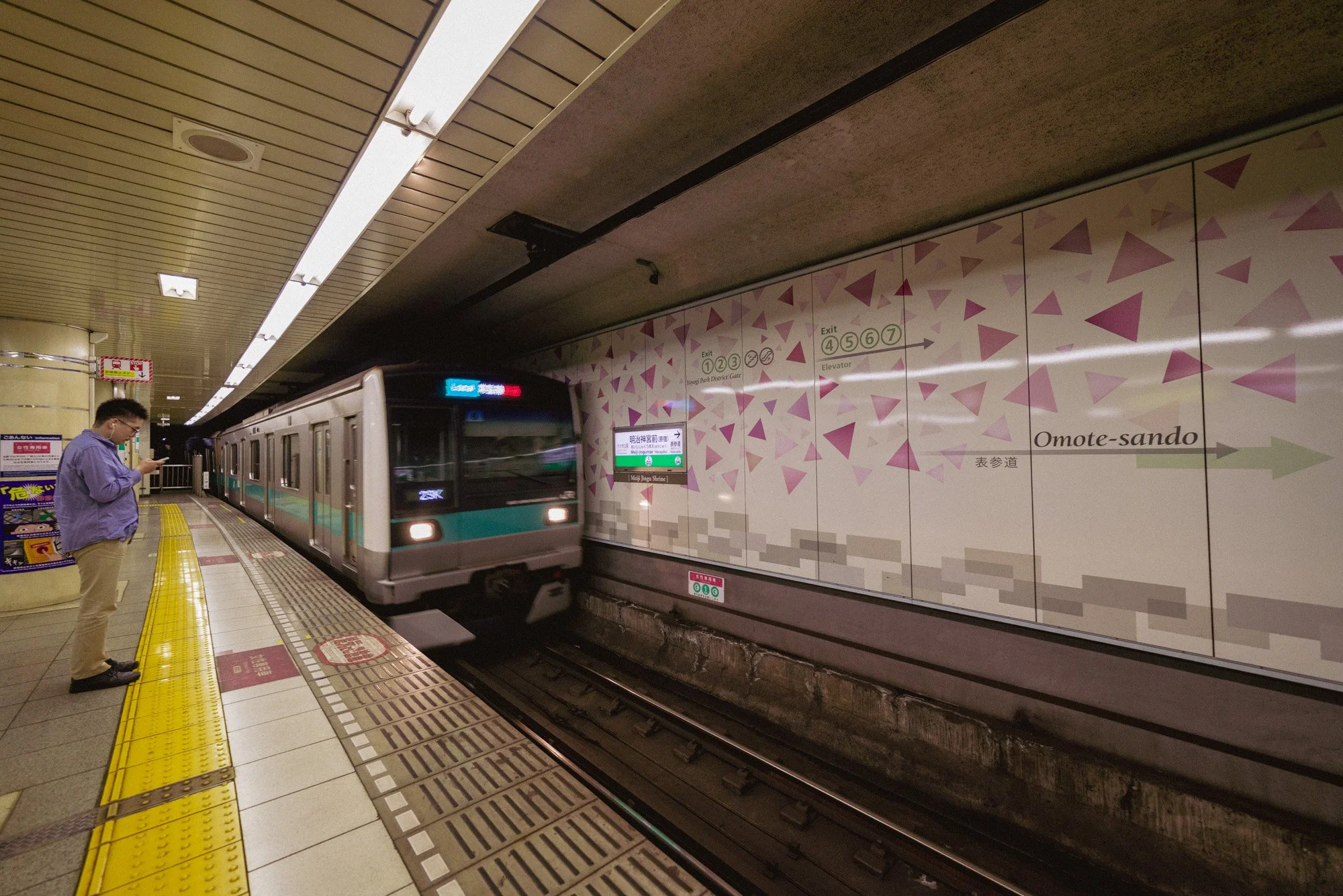
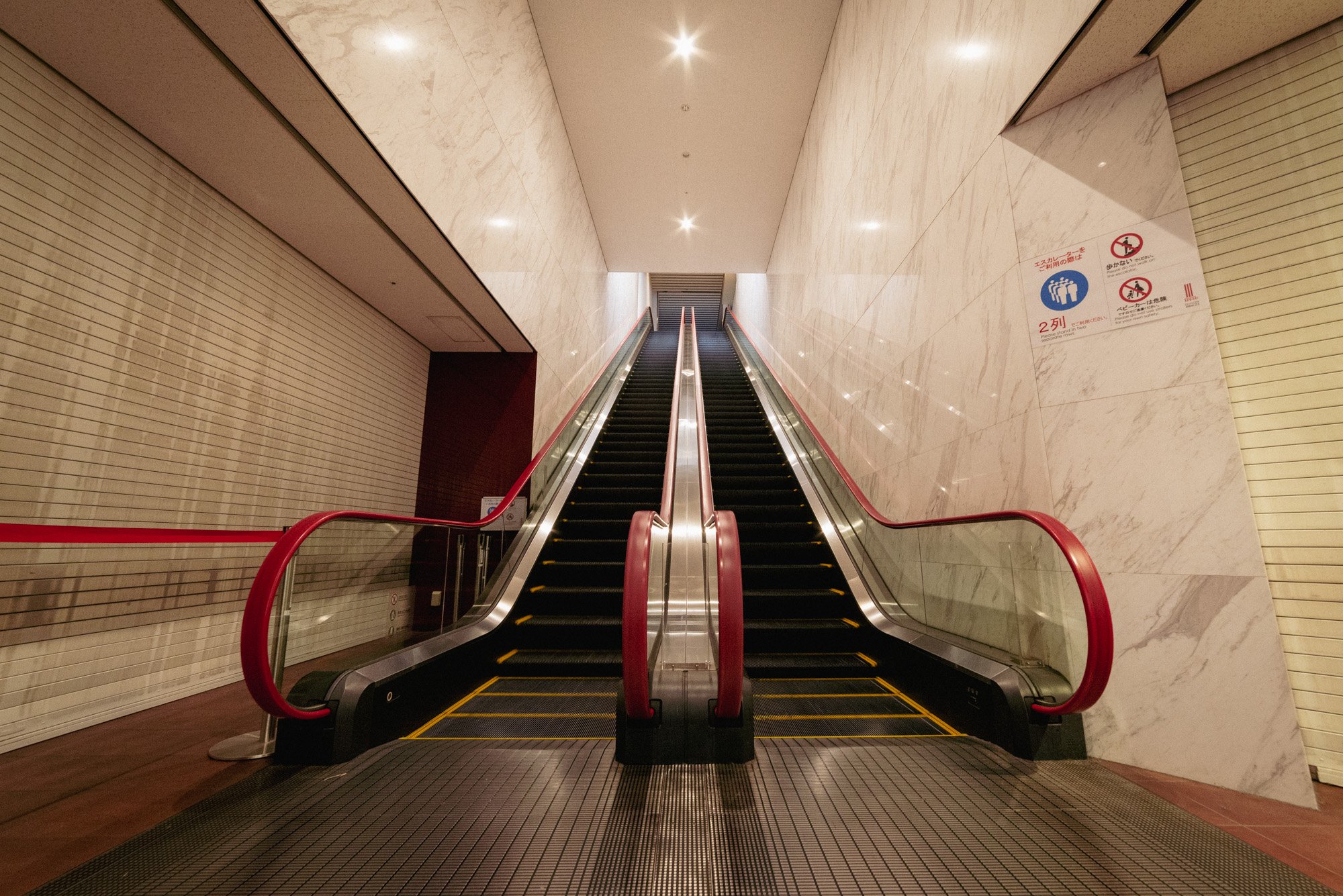
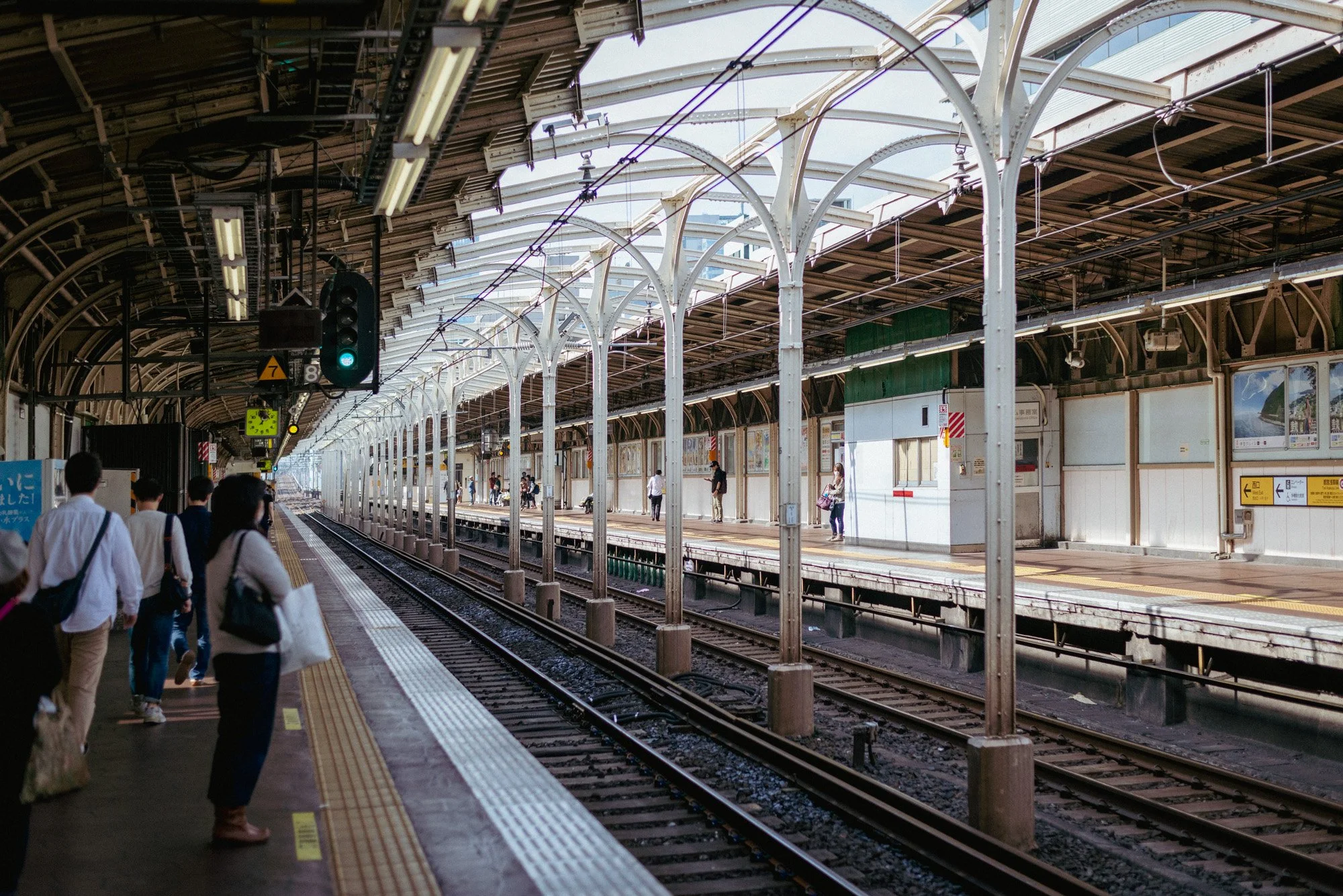
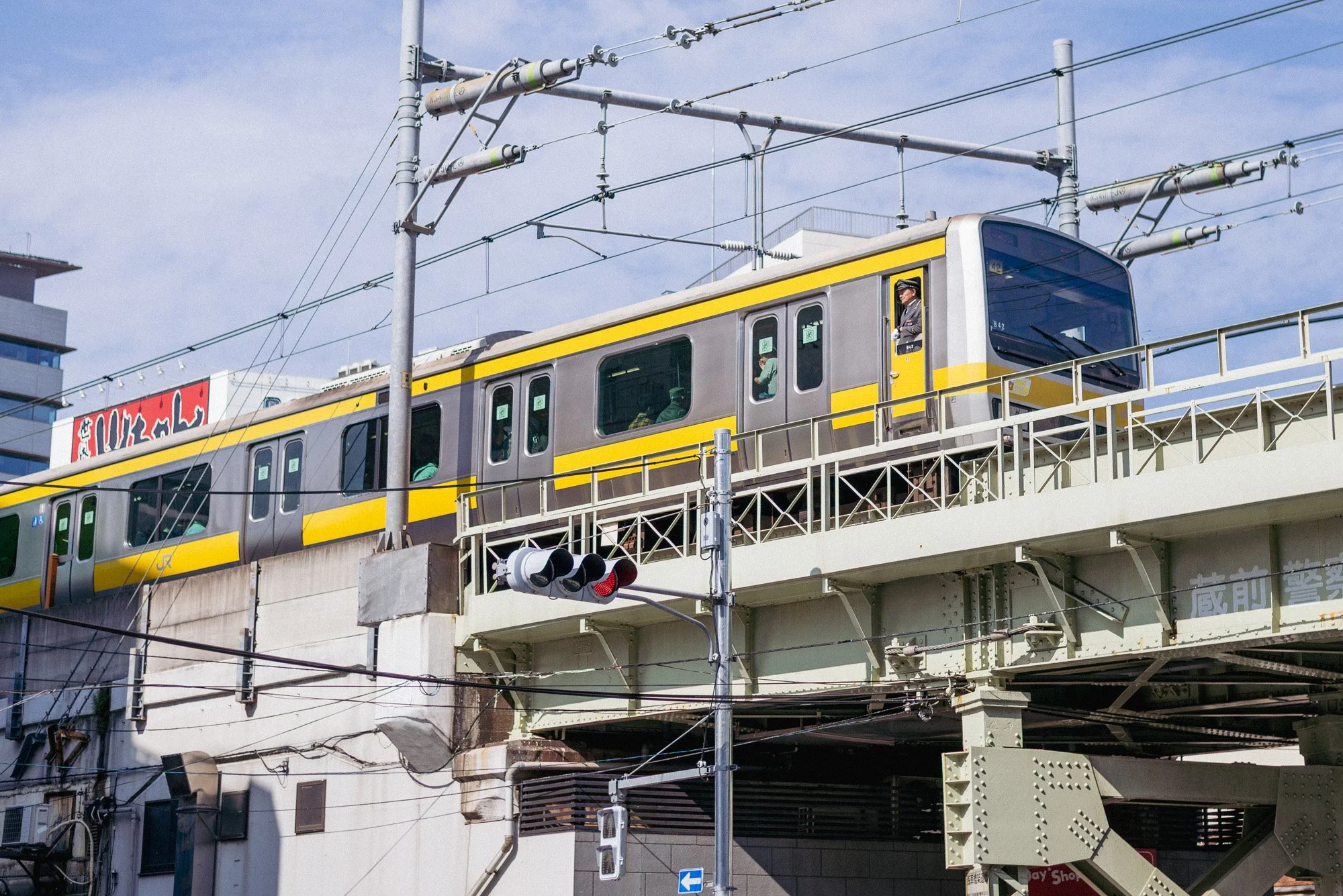
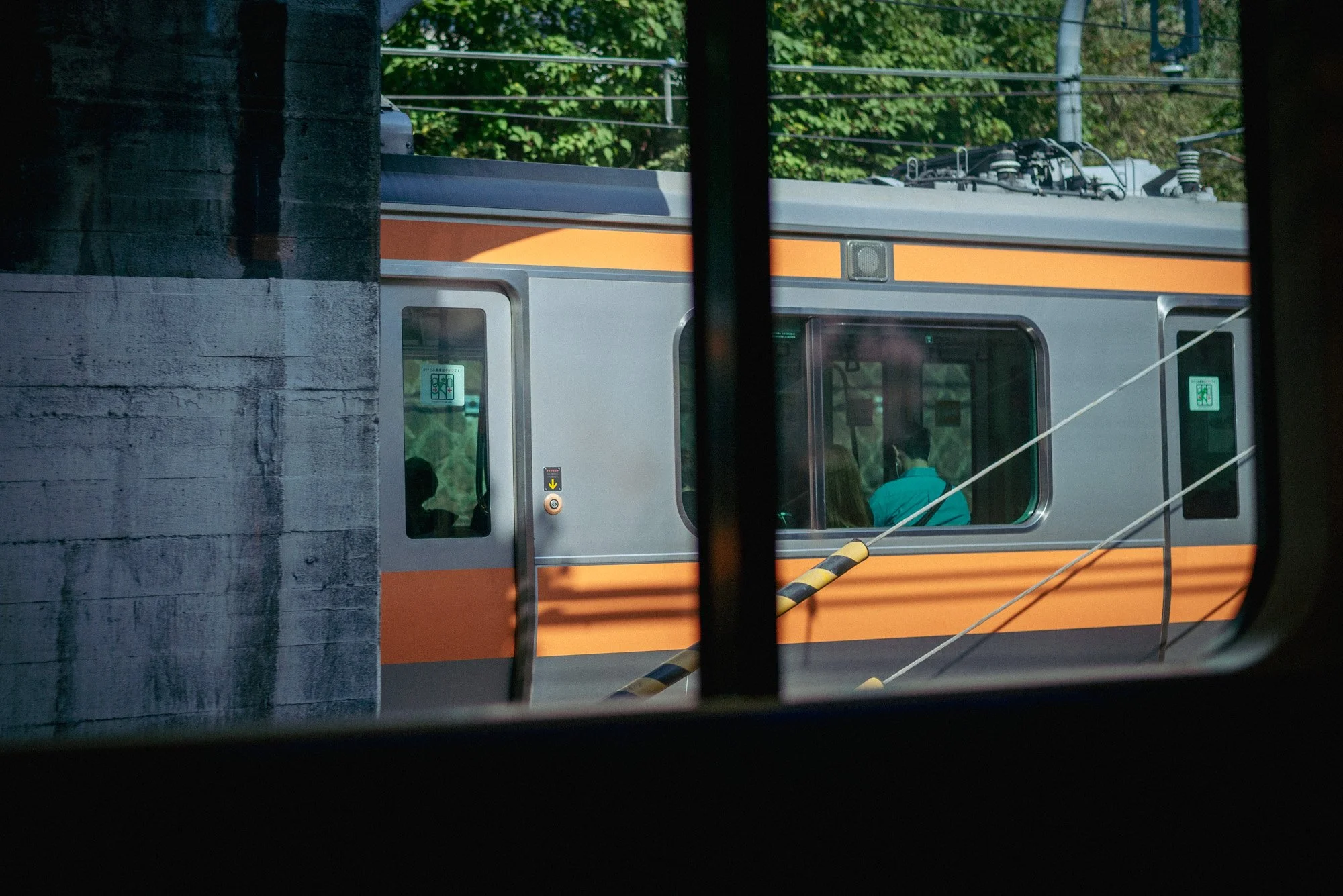
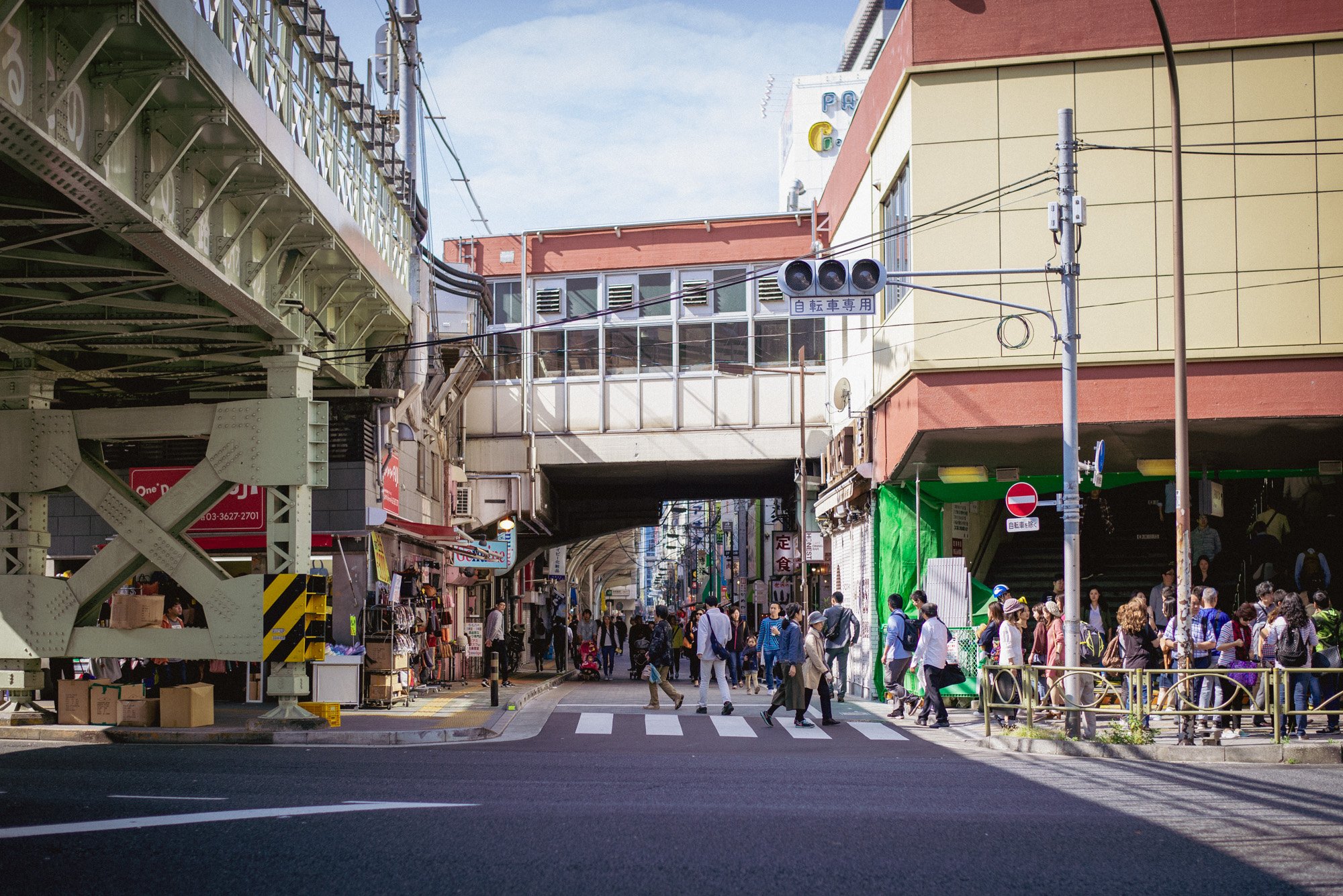
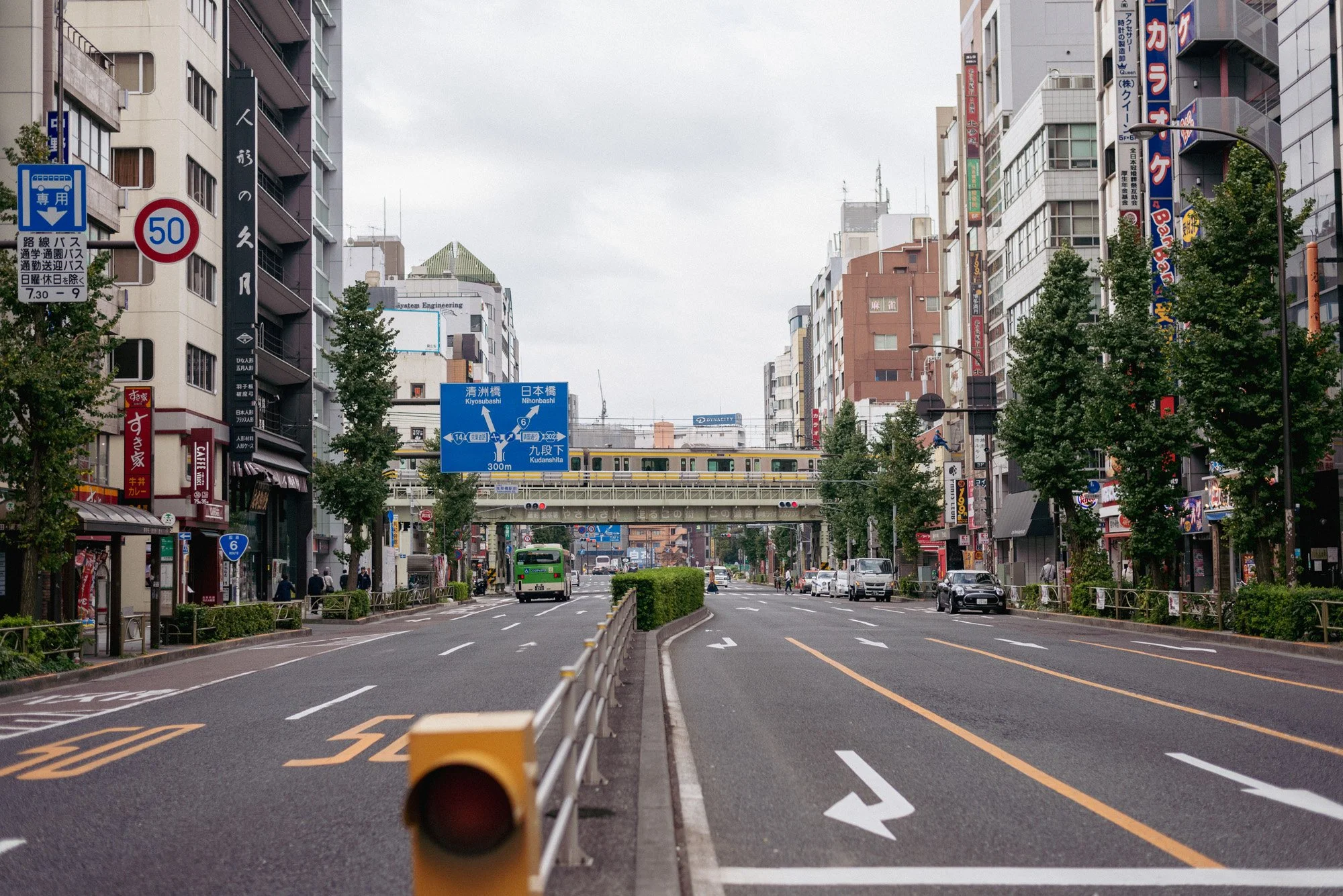
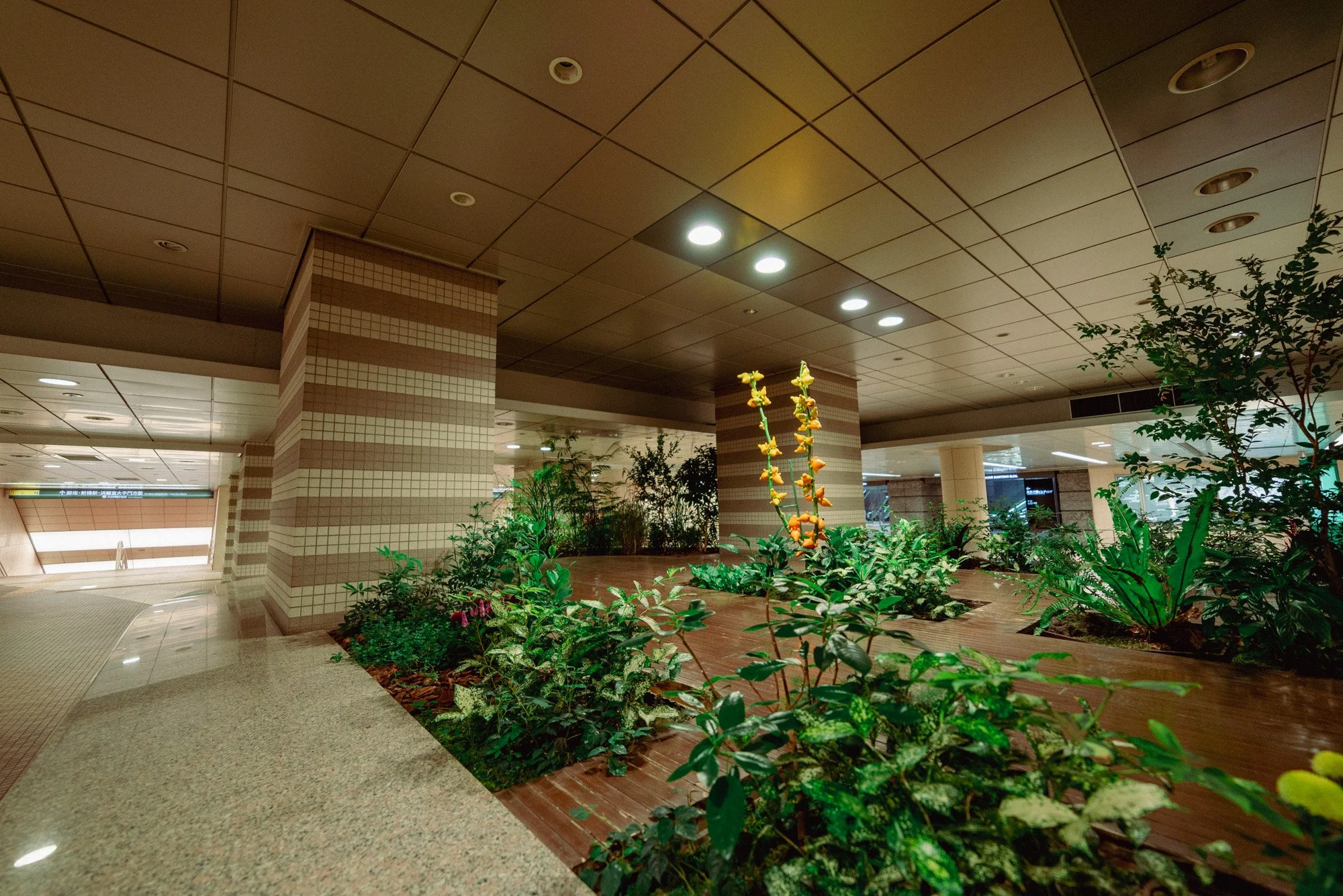
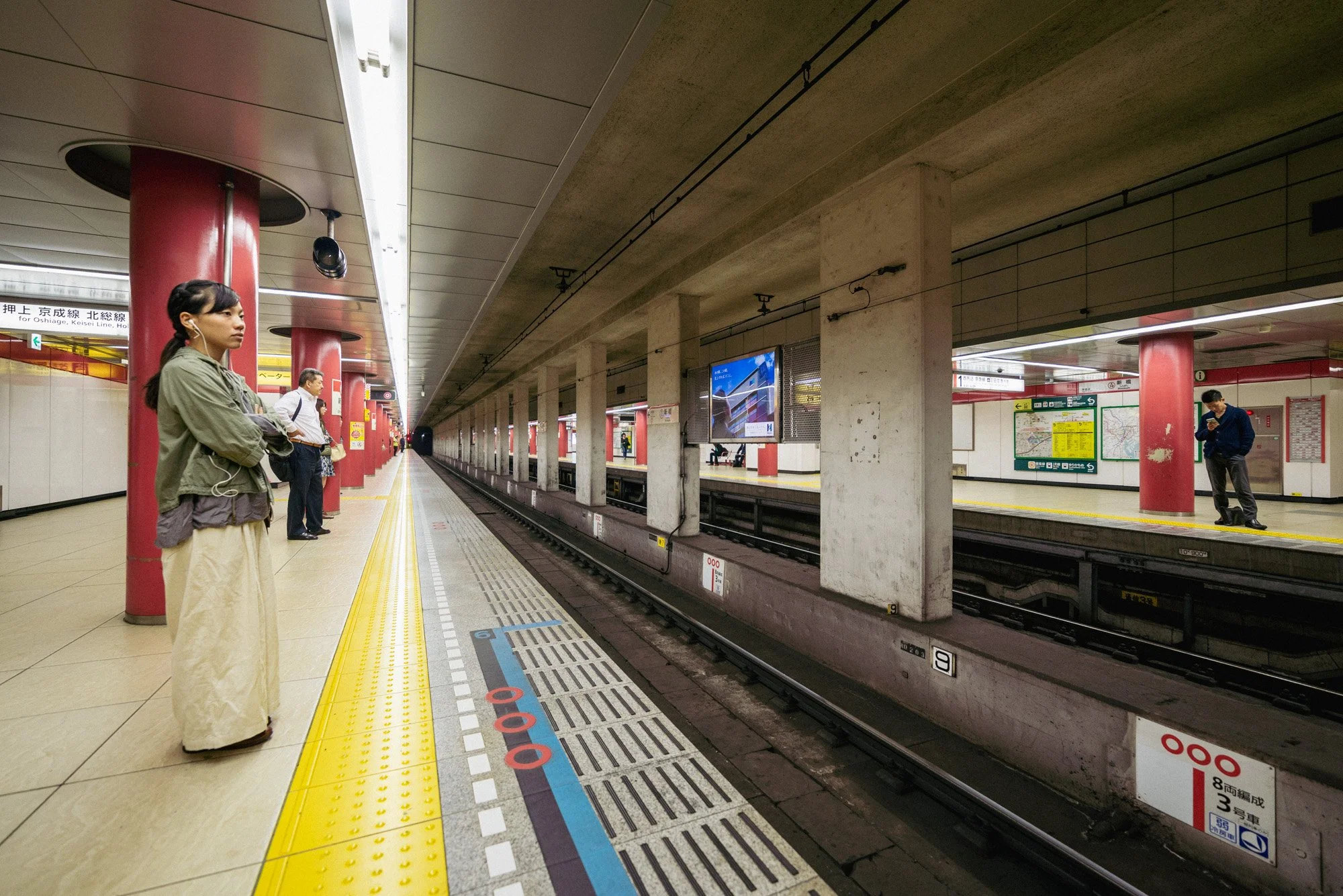
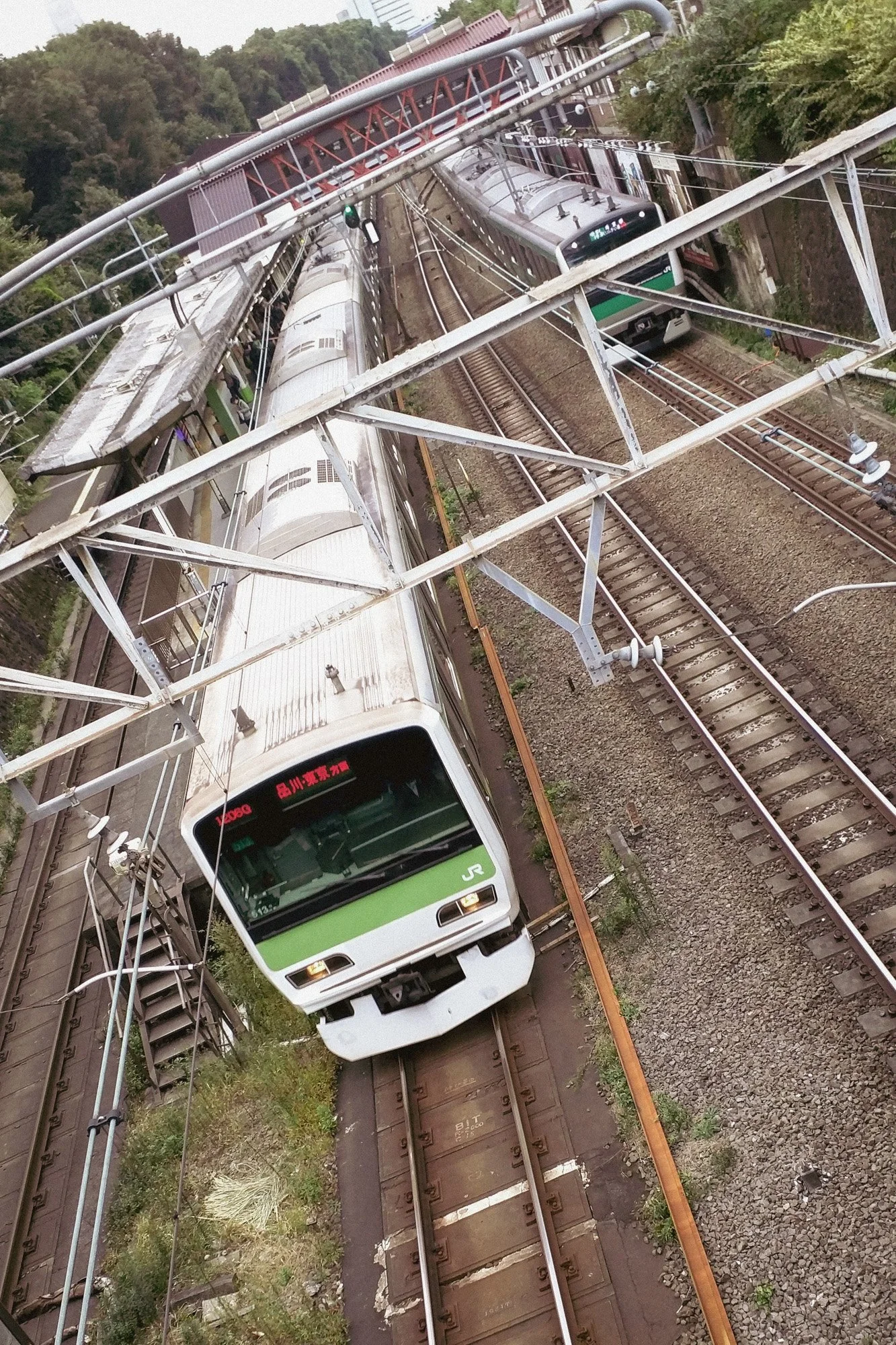
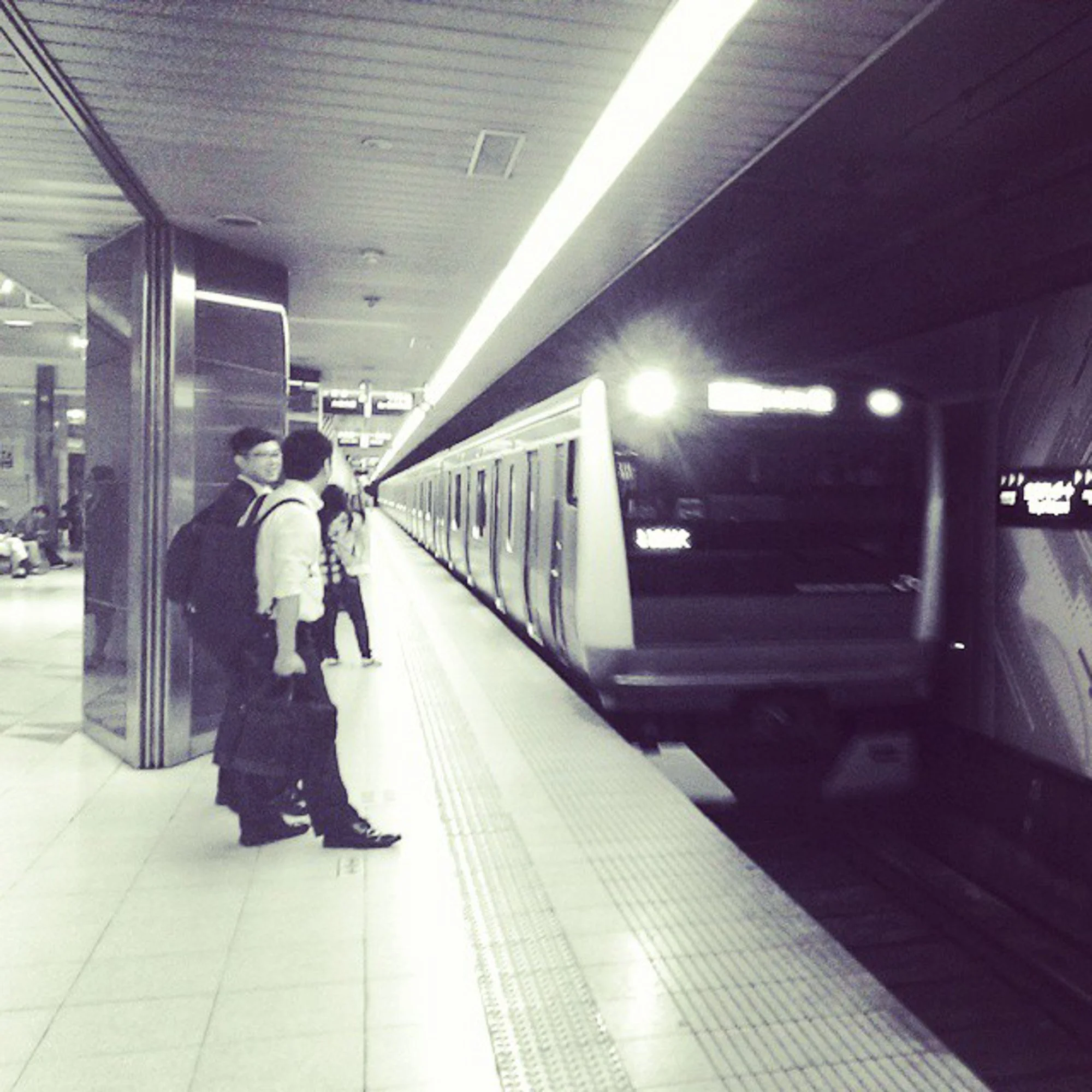
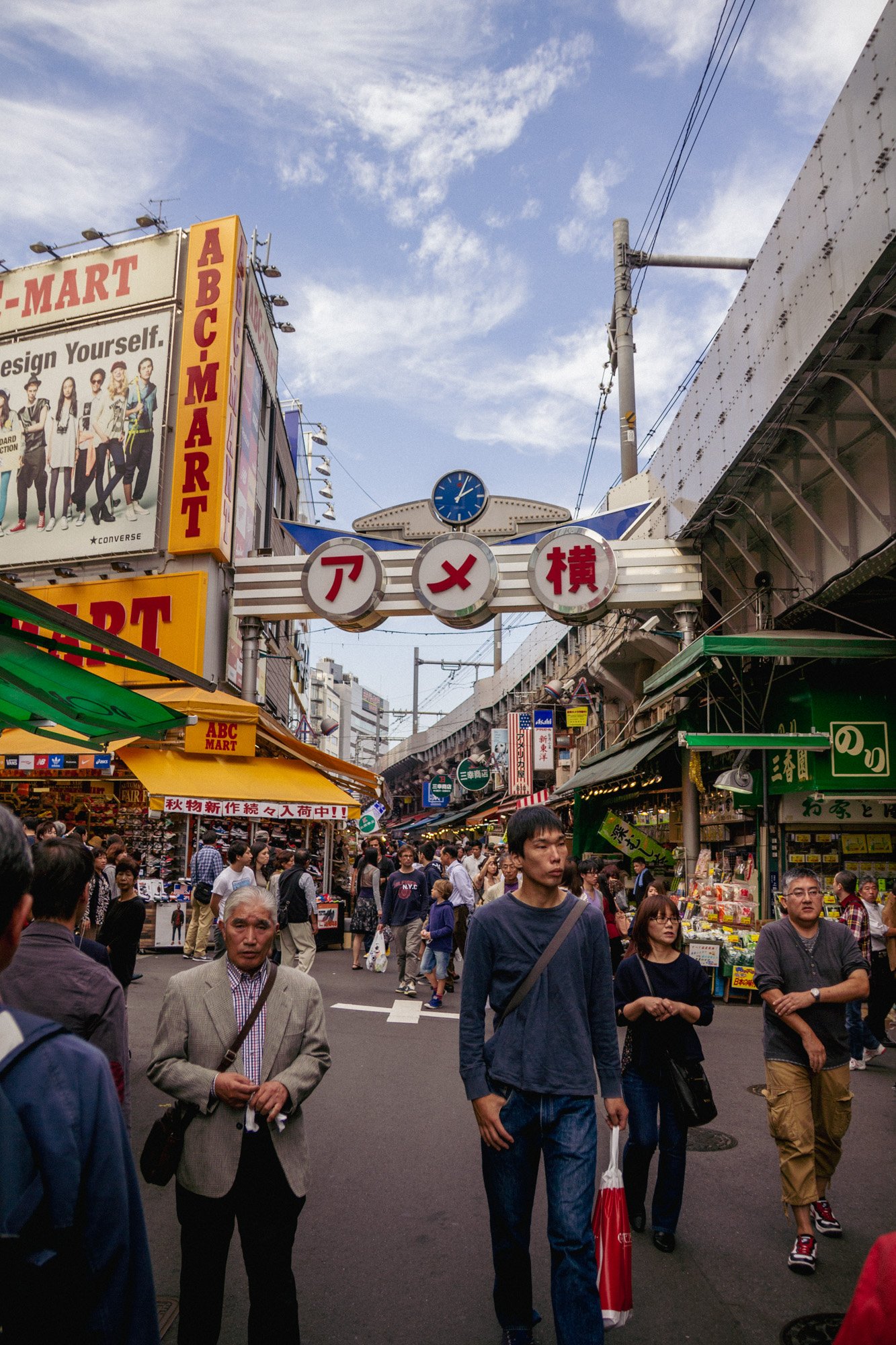
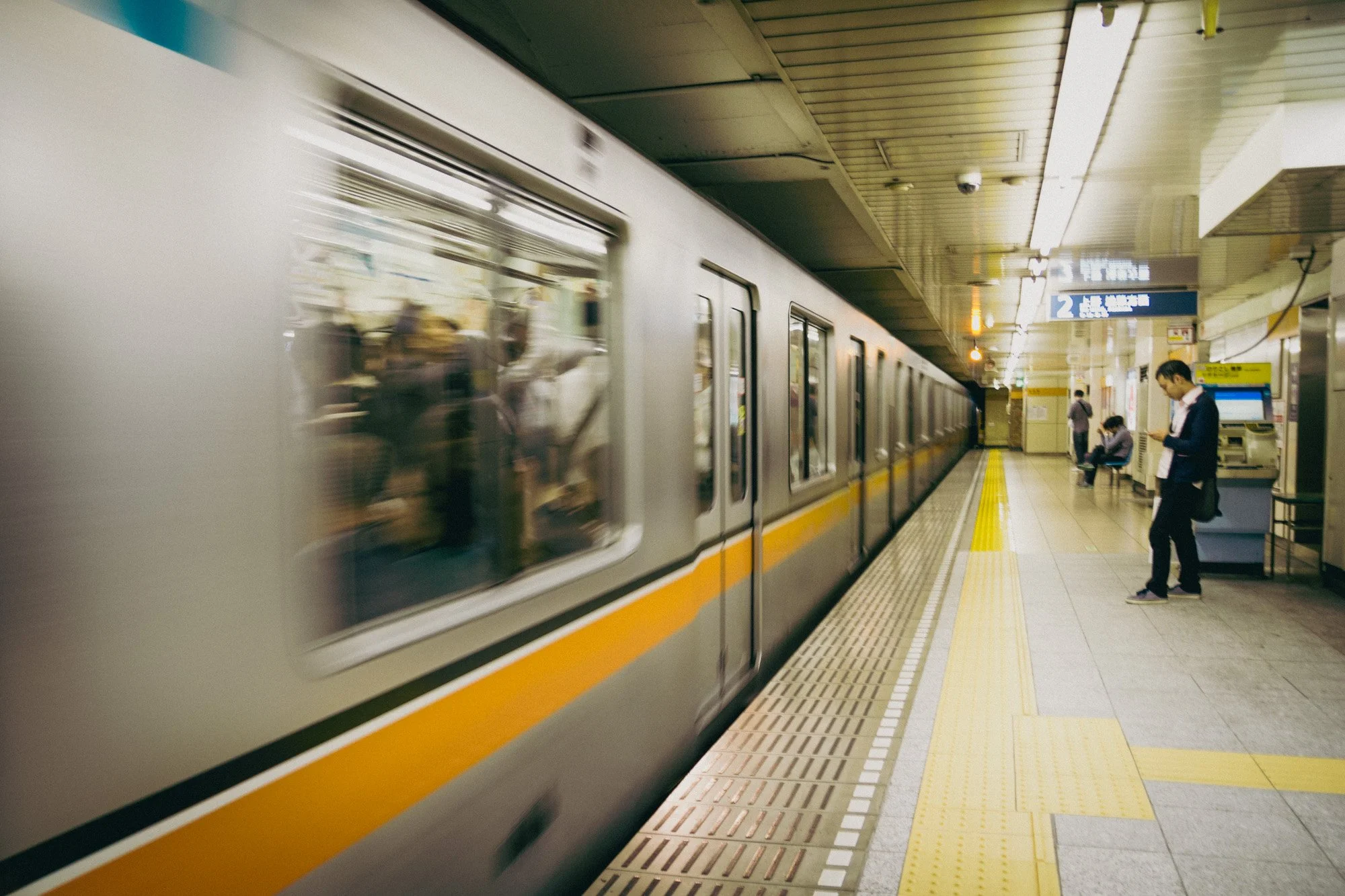
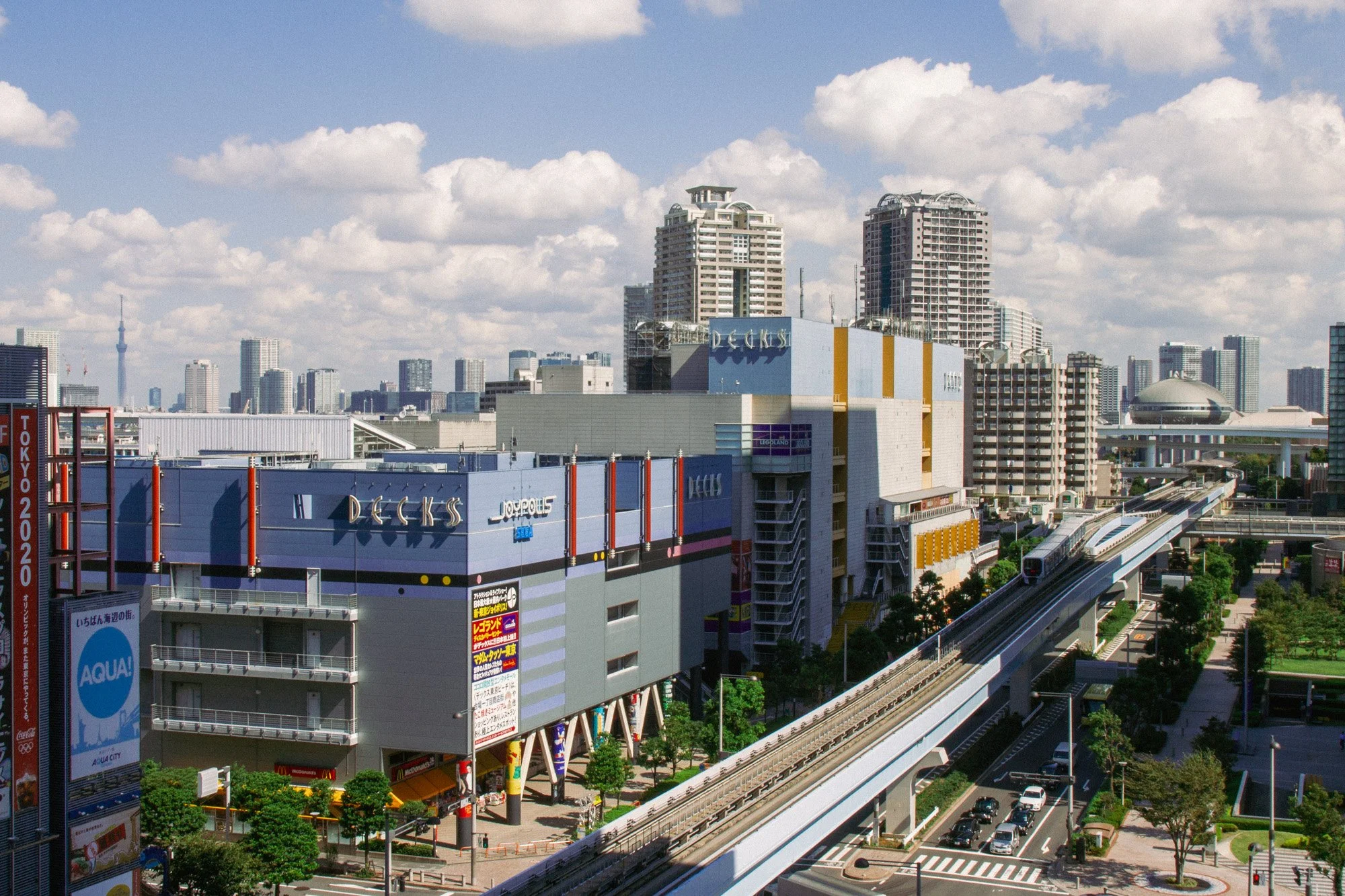
Head to the bottom of this article to see more images from my trips. Some are from stations or the inside of cars, and others are of the neighborhoods around those stations. All of them are related to the rail experience, however.
Looking Forward (and a Question for You)
When I go back to Tokyo (and I absolutely will some day), the Metro is genuinely one of the things I'm most curious to revisit— and this time with intent. Will it match how I remember it? And how will it feel navigating it with a family in tow? I suspect the answer to the latter is: complicated. But that's part of what makes travel interesting.
For those of you who love Tokyo, Japan, or travel photography, I think there's something worth taking from this. The most memorable parts of a journey aren't always the ones you plan for. Sometimes they're the seams and fringes— the in-between moments that quietly help shape the bigger picture.
So I'd love to hear from you: Have you had a similar experience somewhere? A part of a trip that snuck up on you and ended up meaning more than you expected? Or maybe a pattern you noticed in your photos that you didn't consciously set out to capture? Drop it in the comments. I genuinely would like to know.
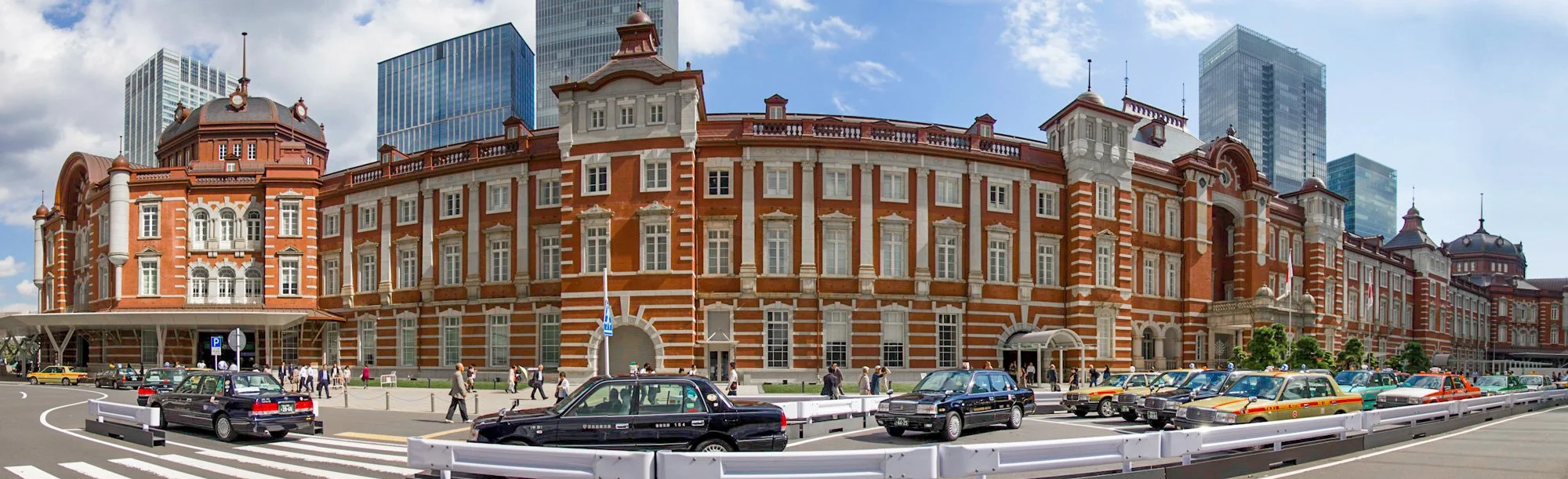
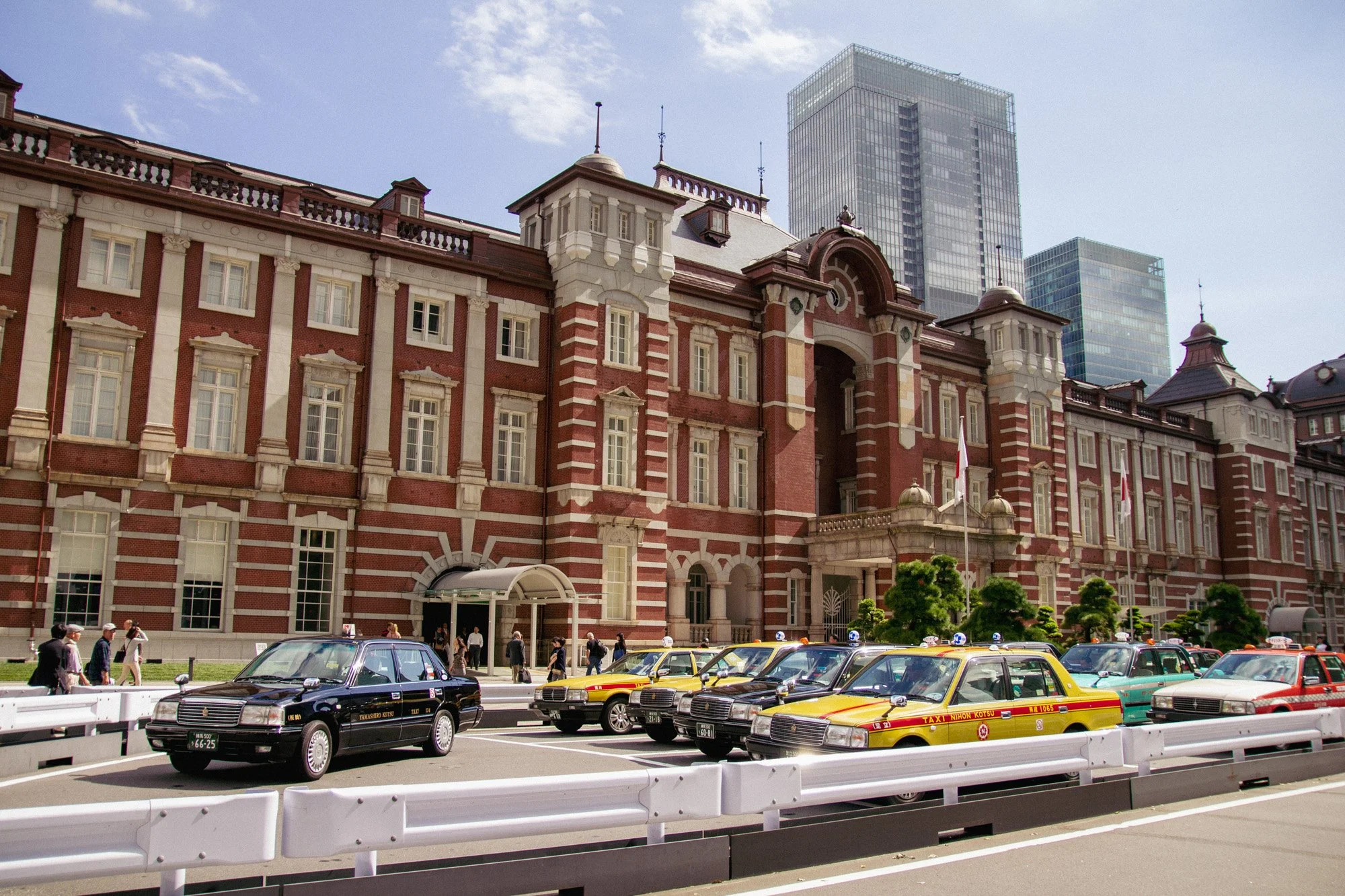
Lastly, here are the rest of the images I mentioned earlier. Hope you enjoy!
Stumbling on a Life-Size Gundam in Tokyo (and What It Taught Me About Lens Choice)
Back in 2016, I was still relatively early in my photography journey- confident enough to start making strong decisions, but not yet experienced enough to think ahead about a lot of things. It was that year when I learned (the hard way), that it was a dumb idea to only bring prime lenses on my second trip to Tokyo- especially since I didn’t really know what kind of subjects or situations I’d run into.
Back in 2016, I was still relatively early in my photography journey- confident enough to start making strong decisions, but not yet experienced enough to think ahead about a lot of things. It was that year when I learned (the hard way), that it was a dumb idea to only bring prime lenses on my second trip to Tokyo- especially since I didn’t really know what kind of subjects or situations I’d run into.
Why I Packed All Primes for Tokyo
When it comes to travel photography, conventional wisdom says to bring a versatile zoom lens (like a 24–70mm) so you’re prepared for anything.
That’s not what I did. Instead, I took three primes:
Samyang 14mm f/2.8 ultra-wide
Nikon 50mm f/1.8
Tamron 90mm f/2.8 macro
Why? I didn’t know if I would get another chance to visit Japan (in fact, this particular trip wasn’t even planned), so I wanted to make sure I got the best-possible image quality. In my mind, this meant that only prime lenses would suffice, since another bit of conventional wisdom says that primes are better than zooms. And to be fair, those primes did work brilliantly- for the first few ours.
On the first morning of my trip, I used the 14mm while my friend and I explored Tsukiji Fish Market. The ultra-wide angle view was perfect for capturing the narrow alleys, organized chaos of vendors, and all the little details crammed into every corner. It was a perfect lens choice, as it helped tell the story of the place, and yielded images that make it feel like you’re there when you look at them.
And that’s about as far as I got without running into complications.
Stumbling Upon the RX-78-2
After leaving Tsukiji, we made our way to Odaiba, a man-made island in Tokyo Bay. We weren’t there for photos—we were just trying to buy Tokyo Disneyland tickets from the Disney Store inside DiverCity Plaza.
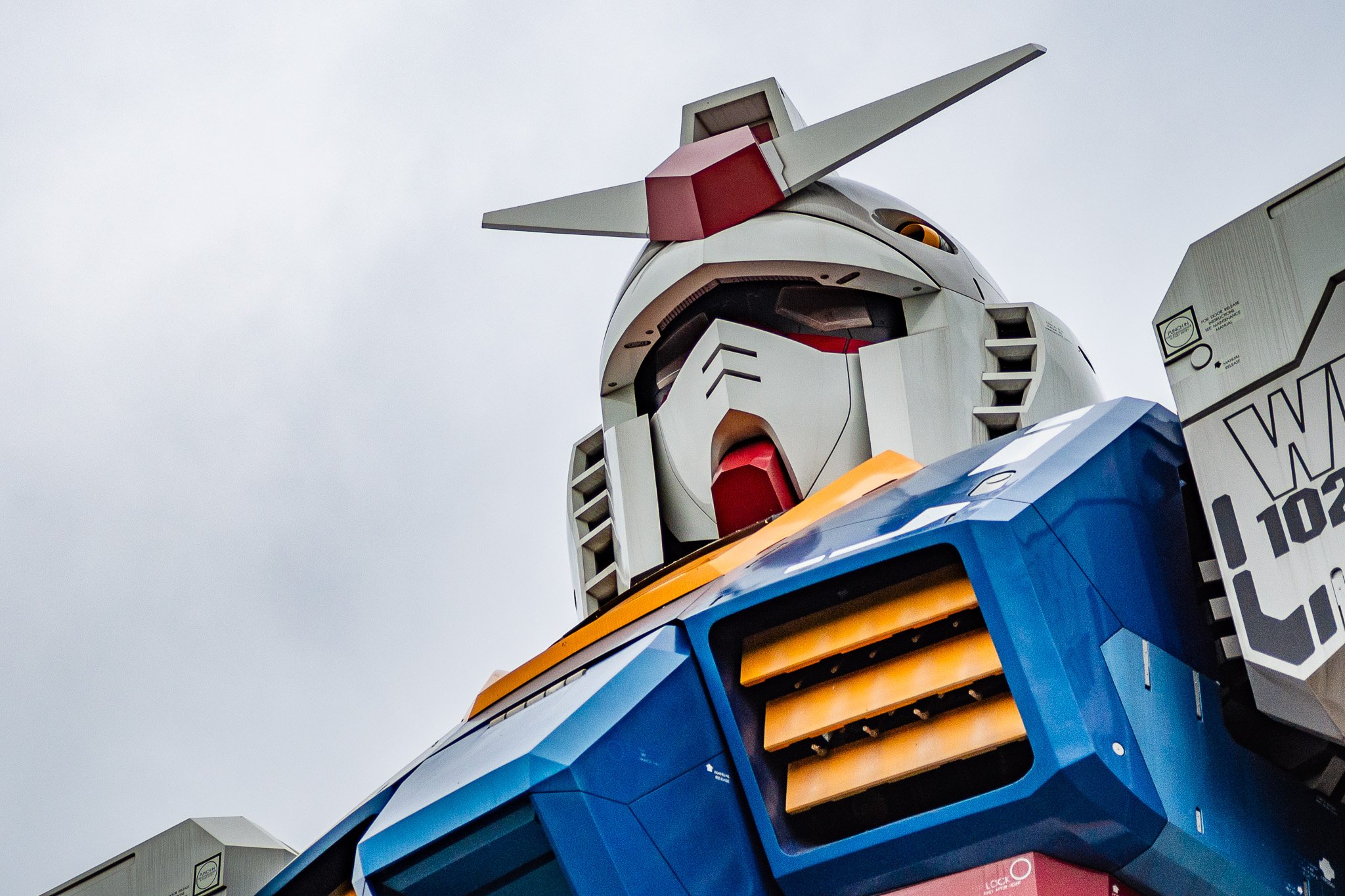
That’s when I saw it. Towering above us, seemingly out of nowhere, stood the RX-78-2 Gundam. Six stories tall, in all its mecha majesty.
For fans of anime, this is the Gundam—the OG mobile suit from the 1979 series that sparked Japan’s decades-long obsession with giant mechs. I’d read about the statue online, but never planned to visit it, and honestly had forgotten it even existed. But there it was, and I had my camera in hand. Naturally, I started shooting.
And that’s when the limitations of my gear hit me.
When Prime Lenses Fall Short
None of my lenses were really built to capture a subject like this. The 14mm was too wide—so wide that it distorted the statue in ways that weren’t flattering. The 50mm gave me a better perspective, but I had to stand far back just to frame the full height—and even then, the angles felt a little off. Ironically, the 90mm macro lens worked best because I could pick out details: the head, the chest plate, a hand posed against the sky.
But I couldn’t do what I really wanted to do: frame the whole statue cleanly in its environment, in a way that communicated its scale and grandeur.
The statue doesn’t actually lean forward. But when you use a 14mm lens, you get that effect.
What I learned was this- if you’re walking around without a specific objective in mind, you still have an objective; that of being ready for anything. And for that, you need a lens that can handle a wide range of the most likely scenarios.
What I Wish I Had Brought
A standard zoom like a 24–70mm (around 16-50mm on cropped-sensor cameras) would’ve been the perfect companion for this kind of day. It would’ve given me just enough wide to frame the whole Gundam cleanly (I would likely need to move back more, but not as much as the 50mm would require), and just enough reach to zoom in on the details. Plus, at the time of day I was shooting, I didn’t even need the added speed of f/1.8 and f/2.8 lenses, so just about any zoom lens would have been adequate. And while my Tamron 24-70mm is also a 2.8 lens, the truth is that even an inexpensive Nikon 28–80mm kit lens would’ve been more helpful than my fixed primes that day. For the unexpected, flexibility trumps image quality potential (though if your budget allows, definitely swing for a lens with a constant f/2.8 aperture- that will only add more flexibility to your kit).
The Bigger Lesson
Despite the frustration, I still had a blast trying to problem-solve. In the moment, it felt like a puzzle: How can I make the best images possible with what I have? And despite the quirkiness of the images, I don’t regret them. I walked away with a great memory, a valuable lesson, and even with the quirks, the images are still ones that I’m happy to share. The statue was also eventually replaced with a different model, so these images have a certain sentimental value as well.
Plus, this encounter led to another amazing experience- I ended up discovering the D1 Grand Prix, Japan’s premier drifting championship. But that’s a story for another post.
So what’s the bottom line? If you don’t have a specific subject in mind, your gear needs to be as flexible as your plans. Even if your zoom lens doesn’t give you the absolute best optical performance, the versatility far outweighs the tradeoff when you’re out exploring. It’s the difference between getting a good photo- or a so-so one ( or at worst, no photo at all).
My Go-To Travel Recommendation
If you’re looking for good walk-around lens, here is what I recommend:
For Full-Frame Cameras: The standard 24–70mm f/2.8 is a tried and true option. If you’re on a budget, there are a couple of third-party options from Sigma and Tamron or you can go for a similar focal range that starts at 28mm instead of 24mm.
For Crop Sensor Cameras: Look for something in the 16–55mm range. Focal ranges differ between brands and manufacturers, but anything in that ball-park will give you something close to the 24-70mm standard found on full-frame lenses. You could also just buy a 24-70 full-frame lens, but know that your crop sensor will produce images that are more equivalent to 35-105mm (depending on your camera brand’s crop factor).
Your Kit Lens: A lot of enthusiasts will scoff at this recommendation, but the truth is that modern kit lenses, while slow (meaning not as light-sensitive), they are still pretty good optically. Plus, they cover the right focal ranges, are lightweight, and relatively small compared to their more-pro counterparts.
And above all, just get out there and shoot. Because no matter how “wrong” your gear might seem, it’s still better to be out photographing with what you have than to sit at home do anything else.